Texas Tech Gadgets: Are They Worth It? Expert Review
Texas Tech University has become synonymous with innovation in educational technology and campus-integrated gadgets designed specifically for student success. Whether you’re a prospective Red Raider or a current student evaluating your tech investments, understanding which Texas Tech-endorsed gadgets deliver genuine value is crucial. This comprehensive review examines the ecosystem of devices, software solutions, and tech partnerships that define the Texas Tech experience, comparing their cost-to-benefit ratios against mainstream alternatives.
The university’s commitment to technological advancement extends beyond classroom lectures—it permeates campus infrastructure, student services, and collaborative learning spaces. From specialized engineering tools to integrated campus management systems, Texas Tech gadgets represent a curated selection of technology designed with student workflows in mind. However, premium pricing and ecosystem lock-in raise legitimate questions about whether these solutions justify their investment compared to general-purpose alternatives available through our guide to best laptops for students 2025.

Texas Tech Hardware Ecosystem Overview
Texas Tech’s approach to educational technology emphasizes integration and standardization. The university partners with major hardware manufacturers to create bundled solutions that theoretically streamline the student experience. These partnerships include pre-configured devices, specialized software licenses, and priority technical support through the university’s IT infrastructure.
The core hardware recommendations span multiple categories: general computing for liberal arts and business students, engineering-specific workstations for technical disciplines, and specialized mobile devices for field research and collaborative projects. Most recommendations center on Windows-based systems, though Mac support has expanded in recent years. The Tech Pulse Hunter Blog regularly covers similar institutional tech ecosystems, providing context for evaluating these decisions.
One significant advantage of Texas Tech’s approach is the negotiated licensing agreements. Students gain access to professional-grade software—AutoCAD, MATLAB, Adobe Creative Suite, and Microsoft Office—at substantially reduced rates compared to retail pricing. However, these licenses often expire upon graduation, creating potential workflow disruptions for young professionals.
Laptop and Computing Requirements
Texas Tech mandates specific minimum specifications for laptops depending on your college and major. Engineering students face the most stringent requirements, needing systems capable of running resource-intensive CAD software, simulation tools, and virtual laboratory environments. The recommended configurations typically specify:
- Processor: Intel i7/i9 or AMD Ryzen 7/9 (8+ cores recommended)
- RAM: Minimum 16GB, 32GB preferred for engineering disciplines
- Storage: 512GB SSD minimum, with external storage recommendations
- Graphics: Dedicated NVIDIA or AMD GPUs for STEM coursework
- Display: 15.6-inch or larger with color accuracy standards
The university’s endorsed laptop models typically run $1,200-$2,000, which aligns with premium consumer offerings from Dell, Lenovo, and HP. However, comparable non-endorsed systems with identical specifications often cost $200-$400 less. The primary advantage of endorsed models involves guaranteed compatibility testing and simplified IT support processes.
For general education and business students, Texas Tech permits more flexible configurations. Many successfully use mid-range laptops ($800-$1,200) or even iPad Pro configurations with external keyboards. The how to upgrade laptop memory guide proves invaluable for students seeking to extend their device lifespan by boosting RAM without purchasing entirely new systems.
Battery life expectations are crucial—Texas Tech’s sprawling campus requires devices capable of lasting through multiple consecutive classes. Endorsed models typically guarantee 8-10 hours of real-world usage, though this varies significantly based on workload intensity and display brightness settings.
Specialized Engineering and STEM Gadgets
Texas Tech’s engineering programs demand specialized hardware beyond standard laptops. The university recommends graphing calculators (TI-Nspire CX II or equivalent), specialized multimeters for electrical engineering labs, and precision measurement devices for mechanical engineering coursework. These aren’t optional conveniences—they’re essential tools for degree completion.
The TI-Nspire CX II represents a $175-200 investment that students use throughout their academic careers. While capable alternatives exist (open-source graphing software, smartphone apps), the calculator’s tactile interface and standardized format across courses create genuine workflow advantages. However, rental programs offer semester-long access for $30-50, providing a cost-effective alternative if you’re undecided about your major.
For laboratory work, Texas Tech partners with equipment manufacturers to provide student discounts on oscilloscopes, function generators, and digital multimeters. A complete personal lab toolkit might cost $600-1,200, though most students primarily access these devices through campus facilities rather than purchasing personal equipment.
3D printing access represents another significant advantage. Texas Tech’s innovation hubs provide free or low-cost access to professional-grade 3D printers, CNC machines, and laser cutters. Rather than purchasing personal equipment ($3,000-15,000+), students leverage institutional resources, making specialized gadget purchases unnecessary for most coursework.
The how to build a personal computer guide offers insights into custom workstation assembly for students considering high-performance computing investments beyond university recommendations.
Campus Integration Technology
Texas Tech’s proprietary and semi-proprietary systems create an integrated digital ecosystem. The Red Raider Portal serves as the central hub for course registration, grade access, financial information, and campus notifications. While accessible through any modern web browser, the official mobile app provides optimized functionality for iOS and Android devices.
The campus WiFi network, RedRaiderNet, requires device registration and supports both traditional authentication and newer certificate-based security protocols. Older devices or non-standard operating systems sometimes face compatibility challenges, creating implicit pressure toward standard configurations.
Parking permits, library access, and dining plans integrate with student ID systems that connect to mobile wallet applications. Apple Wallet and Google Pay compatibility exists, but the process involves multiple verification steps. This integration works seamlessly for endorsed devices but occasionally encounters friction with non-standard configurations.
The university’s learning management system, which increasingly incorporates artificial intelligence for personalized learning, has begun utilizing AI-driven features for assignment recommendations and adaptive learning pathways. These features perform optimally on recommended hardware specifications.
Software and Learning Management Systems
Texas Tech’s software ecosystem represents significant value for certain majors. Engineering students receive MATLAB licenses (normally $2,150 annually for individual professional licenses) at no additional cost beyond tuition. Adobe Creative Suite access costs $20/month through the university versus $55/month for individual retail subscriptions. Microsoft Office 365 comes bundled with tuition, providing cloud storage, collaborative tools, and desktop applications.
The learning management system, Blackboard Ultra, integrates with most campus services. Course materials, assignments, and grade tracking occur within this environment. While Blackboard functions on any device with a modern web browser, the mobile app provides superior offline functionality and push notifications for assignment deadlines.
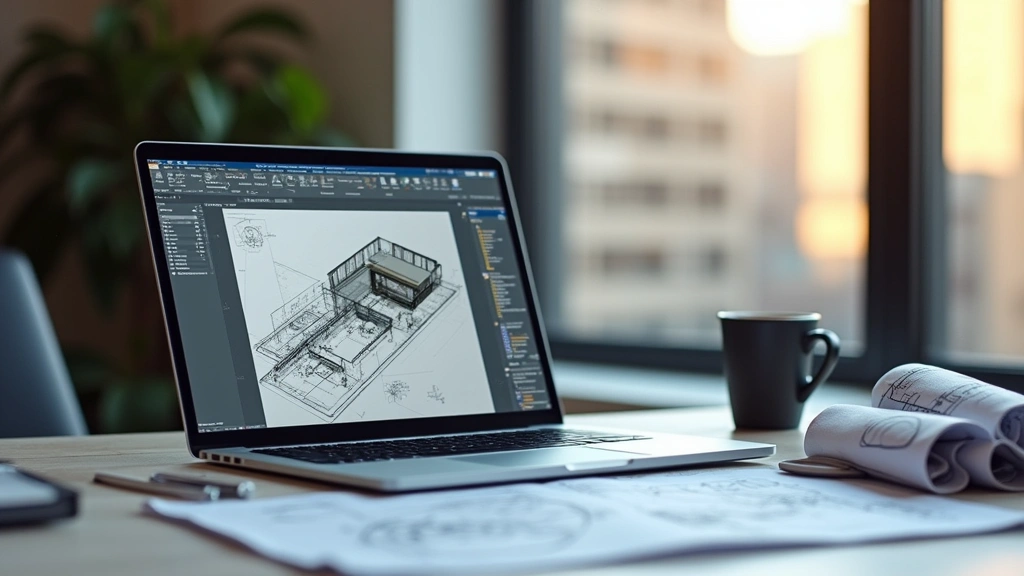
Specialized software requirements vary dramatically by discipline. Business students primarily need Microsoft Office and statistical software (SPSS, R, or Python environments). Engineering students require AutoCAD, SolidWorks, and simulation tools. Chemistry students need molecular visualization software. Architecture students utilize BIM (Building Information Modeling) platforms like Revit.
The critical insight: most specialized software licenses expire upon graduation. Students must transition to open-source alternatives, subscription-based models, or employer-provided licenses. This hidden cost often surprises recent graduates who assumed their expensive software access would continue indefinitely.
Cost Analysis and Value Proposition
A comprehensive cost analysis reveals that Texas Tech gadget recommendations deliver moderate value for engineering and STEM majors but questionable returns for liberal arts and business students.
Engineering Student Investment Breakdown:
- Endorsed laptop: $1,500 (versus $1,200 for equivalent non-endorsed alternative = $300 premium)
- Graphing calculator: $200 (required)
- Lab equipment: $400-600 (through university partnerships)
- Software licenses: $0 (bundled with tuition)
- Campus integration: $0 (included)
- Total Premium: $300-500 over four years
For engineering majors, this represents reasonable value. The software ecosystem alone would cost $3,000-5,000 if purchased independently. Campus integration provides genuine convenience, and technical support from university IT staff reduces troubleshooting time.
Liberal Arts Student Investment Breakdown:
- Endorsed laptop: $1,500 (versus $800-1,000 for adequate alternative = $500-700 premium)
- Software: $0 (Microsoft Office and web-based tools sufficient)
- Specialized equipment: $0
- Total Premium: $500-700 with minimal additional benefits
For non-STEM majors, the value proposition weakens considerably. The software and specialized equipment advantages disappear, leaving only campus integration benefits that function adequately on mid-range devices.
Comparison with Competitor Institutions
Comparing Texas Tech’s approach against peer institutions reveals interesting patterns. The University of Texas at Austin employs similar mandatory configurations but charges slightly higher premiums. MIT and Caltech provide less prescriptive guidance, trusting students to select appropriate equipment independently.
University of Colorado Boulder (a notable competitor in athletics and academics) follows a more permissive approach, providing minimum specifications without mandatory endorsements. This creates greater flexibility but occasionally leaves students with incompatible hardware for specialized coursework.
According to The Verge’s technology reviews, most institutional tech ecosystems have shifted toward flexibility over standardization in recent years. Texas Tech’s approach represents a middle ground—structured enough to ensure compatibility, flexible enough to accommodate diverse learning styles.
CNET’s comprehensive gadget database consistently rates endorsed university laptops as competent but not exceptional values. Premium branding and institutional partnerships justify modest price premiums, but significant savings exist for students willing to verify compatibility independently.
Industry benchmarks from NotebookCheck’s performance testing demonstrate that non-endorsed alternatives matching Texas Tech’s specifications often outperform endorsed models in raw computational power, though thermal management and build quality sometimes favor branded options.
Practical Recommendations for Texas Tech Students
For Engineering and STEM Majors: Invest in endorsed laptops and specialized equipment. The software ecosystem and guaranteed compatibility justify the premium. These devices will serve you well through graduation and potentially into early career stages.
For Liberal Arts and Business Majors: Consider non-endorsed alternatives matching minimum specifications. Verify compatibility with campus systems, but recognize that most web-based tools and Microsoft Office function identically across platforms. The $300-700 savings can fund better peripherals (monitors, keyboards, external storage) that improve daily productivity.
For All Students: Prioritize battery life and build quality over raw specifications. You’ll carry this device across Texas Tech’s sprawling campus daily. A lighter, more durable device with slightly lower performance often proves superior to a heavier, more powerful alternative.
Consider purchasing refurbished endorsed models through official channels. Texas Tech occasionally offers previous-generation devices at 15-25% discounts, providing significant savings with minimal performance compromise.
FAQ
Are Texas Tech gadget recommendations mandatory?
Technically no, but practical pressure exists. Endorsed devices receive priority IT support and guaranteed compatibility testing. Non-endorsed equipment functions adequately but may encounter issues with specialized software or campus systems. Most students benefit from following recommendations, though exceptions exist.
Can I use a Mac at Texas Tech?
Yes, though Windows remains the standard. Mac support has expanded, and most web-based systems function identically. However, some specialized engineering software (certain CAD tools, simulation platforms) runs poorly or not at all on macOS. Verify compatibility with your specific major before committing to Apple hardware.
How long do Texas Tech gadgets typically last?
Endorsed laptops generally remain adequate for four-year degrees with reasonable performance. Battery degradation becomes noticeable in years 3-4. After graduation, software license expiration often limits utility more than hardware limitations.
Are there payment plans available?
Yes. Texas Tech partners with major manufacturers offering 0% APR financing for 12-24 months. Additionally, the university’s financial aid office can sometimes allocate funds toward technology purchases if demonstrated as educational necessities.
What about upgrading components mid-degree?
RAM upgrades (covered in our laptop memory upgrade guide) provide cost-effective performance improvements. However, most endorsed laptops utilize soldered storage, preventing SSD upgrades. Thermal paste replacement and dust cleaning can extend device lifespan significantly.
Do Texas Tech gadgets have better resale value?
Marginally. Endorsed models sometimes command 5-10% premiums in used markets due to guaranteed compatibility history. However, this advantage typically doesn’t offset the initial premium paid. Non-endorsed alternatives with identical specifications often resell for similar prices.
What about gaming and entertainment performance?
Endorsed configurations prioritize productivity and professional software over gaming performance. If gaming represents a significant use case, budget for dedicated graphics cards or gaming-specific laptops. Many engineering-grade GPUs (NVIDIA RTX series) excel at both professional and gaming workloads, providing dual-purpose value.


