Best Coop Tech Gadgets: Expert Insights for Smart Farming and Poultry Management
Modern poultry farming has undergone a technological revolution, and coop tech gadgets are now essential tools for both hobbyist and commercial chicken keepers. Whether you’re managing a backyard operation or scaling up production, the right technology can dramatically improve animal welfare, reduce labor costs, and optimize egg production. This comprehensive guide explores the most innovative coop tech solutions available today, helping you make informed decisions about which gadgets will transform your poultry operation.
The intersection of agriculture and technology has created an exciting ecosystem of smart devices designed specifically for poultry management. From automated feeders to environmental monitoring systems, these gadgets leverage IoT connectivity, artificial intelligence, and real-time data analytics to give farmers unprecedented control over their operations. Understanding which tools deliver genuine value versus marketing hype is crucial for maximizing your investment and improving outcomes for your flock.
Automated Feeding Systems: Precision Nutrition at Scale
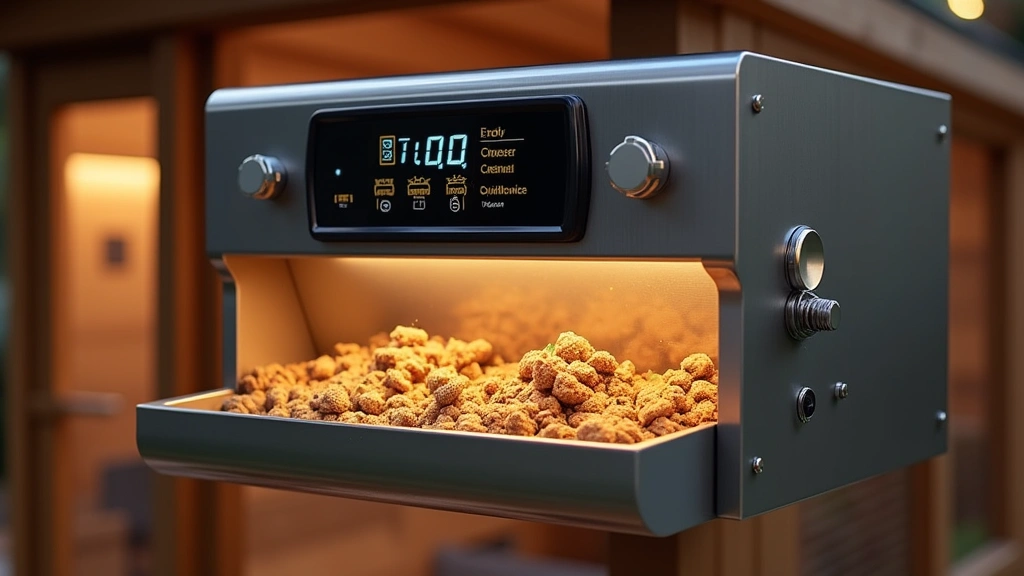
Automated feeding systems represent one of the most impactful investments for modern poultry operations. These devices dispense precise portions of feed at scheduled intervals, ensuring consistent nutrition while minimizing waste. Premium models like the Poultry Tech automated feeders offer programmable schedules, portion control, and real-time consumption tracking through companion mobile applications.
The key advantage of automated systems is feed efficiency optimization. Traditional hand-feeding methods often result in 15-20% feed waste, while automated systems reduce waste to under 5%. This translates directly to cost savings, especially for large-scale operations. Advanced models feature multiple feeding zones, allowing you to manage different flock segments simultaneously. Some systems integrate with best new tech solutions that monitor individual bird consumption patterns, alerting you to potential health issues before they become serious problems.
When evaluating automated feeders, consider capacity (ranging from 10 to 500+ pounds), motor reliability, and weatherproofing. Look for models with stainless steel components to resist corrosion and bacterial growth. The Poultry Industry Association benchmarks indicate that quality automated feeders pay for themselves within 6-12 months through feed savings alone.
Smart Coop Doors and Security: Protection Meets Convenience
Predator attacks represent one of the leading causes of poultry losses, making smart coop door systems essential security infrastructure. Modern automated doors use light sensors, timers, or smartphone controls to open at dawn and close at dusk, eliminating the need for manual operation while maximizing outdoor access time. Premium models from CoopTech secure doors feature reinforced construction, backup battery systems, and integration with security cameras.
Integration with your broader farm technology ecosystem is crucial. Look for doors that communicate with your cool tech implementations and security network. Some advanced systems use computer vision to count birds entering and exiting, providing real-time flock accounting. Backup power systems ensure doors operate even during power outages, a critical feature that prevents catastrophic losses. Premium models cost between $400-$800 but offer reliability and durability that justify the investment.
The convenience factor shouldn’t be underestimated. Smart doors eliminate early morning and evening manual operation, reducing labor by 30-45 minutes daily. For commercial operations, this translates to significant labor cost reduction. Temperature sensors on some models trigger emergency protocols if conditions become dangerous, automatically sealing the coop or activating ventilation systems.
Environmental Monitoring Technology: Climate Control Intelligence
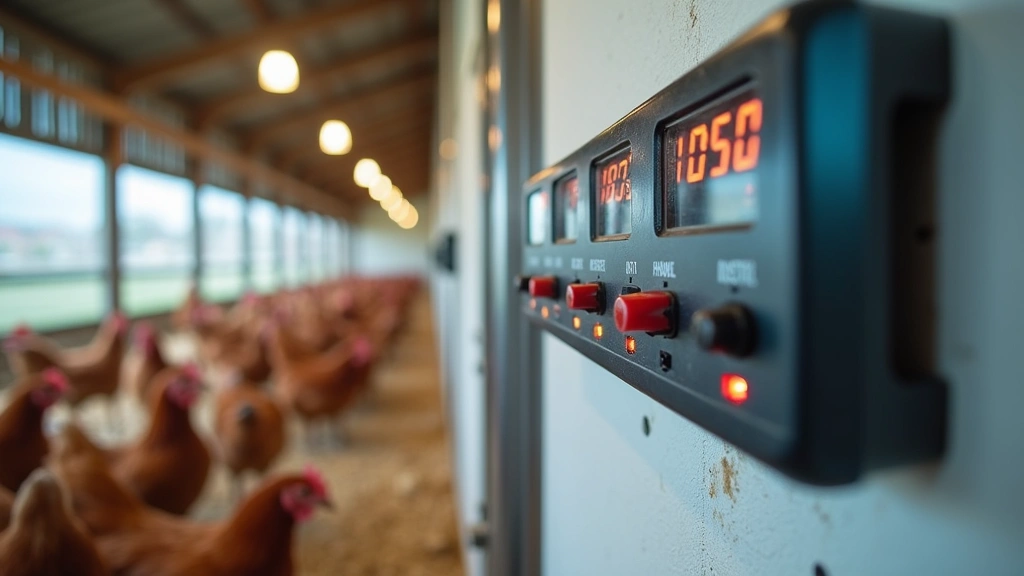
Optimal environmental conditions directly impact bird health, egg production, and feed conversion efficiency. Smart environmental monitoring systems track temperature, humidity, ammonia levels, and CO2 concentration in real-time, providing alerts when conditions drift outside optimal ranges. These systems integrate with automated ventilation, heating, and cooling equipment to maintain perfect conditions automatically.
Leading solutions from Poultry Tech environmental systems offer cloud-based dashboards accessible from anywhere via smartphone or web browser. Historical data logging allows you to analyze patterns and optimize energy consumption. Ammonia detection is particularly valuable, as elevated levels (above 20ppm) significantly impact respiratory health and productivity. Temperature control becomes critical during seasonal transitions, with automated systems preventing the stress that causes production drops.
Integration with your broader best tech gifts and solutions ecosystem enables predictive alerts. Machine learning algorithms can identify patterns that precede health issues, allowing preventive interventions. The investment in comprehensive monitoring typically ranges from $800-$2,500 depending on coop size and feature sophistication, with ROI achieved through improved production metrics and reduced disease losses.
Health Tracking and Biosecurity: Disease Prevention Technology
Biosecurity represents the foundation of profitable poultry operations, and technology now plays a central role in disease prevention. Health monitoring gadgets range from simple weight scales integrated with management software to sophisticated thermal imaging systems that identify sick birds before clinical symptoms appear. These tools enable early intervention, preventing flock-wide outbreaks that can devastate operations.
Advanced systems use computer vision and artificial intelligence to monitor individual bird behavior, detecting subtle changes that indicate illness. Lameness detection, reduced mobility, and unusual posturing are identified automatically, allowing targeted treatment before disease spreads. Some systems integrate with coolest tech gifts in poultry management that manage quarantine protocols and vaccination schedules.
Water quality monitoring represents another critical biosecurity element. Smart systems test pH, chlorine levels, and microbial contamination, ensuring water safety without manual testing. Integration with automated watering systems allows immediate correction if contamination is detected. These preventive measures reduce antibiotic dependency and support sustainable farming practices increasingly demanded by markets and regulators.
Egg Counting and Collection: Production Optimization
Accurate egg production tracking is essential for monitoring flock health and optimizing operations. Smart egg counting systems automatically tally daily production, track trends, and identify birds with declining productivity. Some systems use conveyor belt sensors to count eggs as they move through collection areas, while others employ computer vision to identify and count eggs in nesting boxes.
These systems integrate seamlessly with comprehensive cool tech gadget solutions for complete farm management. Production data combined with feed consumption metrics reveals feed conversion efficiency, helping you identify underperforming birds for culling decisions. Historical data analysis enables predictive modeling to forecast seasonal production trends and plan marketing strategies accordingly.
Advanced egg collection systems feature gentle handling mechanisms that reduce breakage and maintain egg quality. Automated grading systems assess size, shell quality, and cleanliness, separating eggs for different market channels. These technologies are particularly valuable for producers selling directly to consumers or specialty markets where quality consistency commands premium prices.
Water Management Solutions: Hydration and Quality Control
Water represents the most critical nutrient for poultry, yet water management often receives insufficient attention. Smart water systems monitor consumption patterns, detect leaks, and ensure water quality without manual intervention. Real-time consumption tracking reveals flock health status, as reduced water intake often precedes illness by 24-48 hours.
Automated water quality monitoring systems test for contaminants, pH imbalances, and bacterial growth. Some solutions feature UV sterilization or ozonation to eliminate pathogens without chemical additives. Temperature-controlled water systems are particularly valuable in extreme climates, preventing water from freezing in winter or becoming dangerously warm in summer.
Integration with your broader farm technology infrastructure enables predictive analytics. Machine learning algorithms identify correlations between water consumption patterns and production metrics, allowing optimization of water quality and delivery methods. Leak detection systems prevent waste and reduce water costs while protecting infrastructure from damage.
Integration and Smart Ecosystems: Building Your Connected Farm
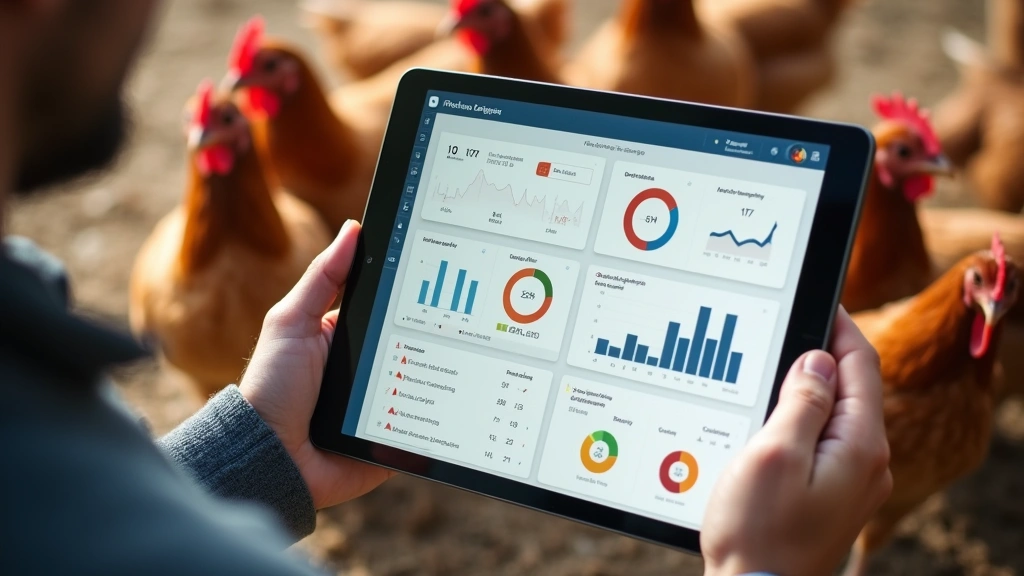
The true power of coop tech emerges when individual gadgets integrate into comprehensive management ecosystems. Connected farm platforms unify data from feeders, doors, environmental monitors, health systems, and production tracking into single dashboards accessible from anywhere.
Leading platforms offer:
- Real-time alerts for critical conditions requiring immediate intervention
- Historical data analytics revealing trends and optimization opportunities
- Predictive modeling using machine learning to forecast outcomes
- Mobile accessibility enabling farm management from smartphones and tablets
- Integration APIs allowing connection with third-party applications and services
- Automated reporting for regulatory compliance and market documentation
The investment in comprehensive smart farm ecosystems ranges from $3,000-$15,000 depending on operation size and feature sophistication. However, documented productivity gains, labor savings, and reduced losses typically justify costs within 12-24 months. CNET agriculture technology reviews consistently highlight integrated systems as delivering superior ROI compared to individual gadgets.
Future-proofing your investment requires selecting platforms with strong development roadmaps, active user communities, and commitment to industry standards. Open ecosystem approaches that allow third-party integrations provide greater flexibility than proprietary closed systems. As technology evolves, your infrastructure should adapt without requiring complete replacement.
FAQ
What’s the best starting point for coop tech investment?
Begin with environmental monitoring and automated doors, as these deliver highest ROI through improved bird welfare and labor savings. Add production tracking and automated feeding as operations scale. Building gradually allows you to master each system before adding complexity.
Do coop tech systems require internet connectivity?
Most modern systems work best with internet connectivity but include offline functionality. Local networks or cellular connectivity ensure access even if broadband fails. Verify redundancy options before purchase for critical applications.
How much can coop tech reduce operational costs?
Documented savings include 15-20% feed cost reduction, 30-45 minutes daily labor reduction, 10-15% improved production efficiency, and 20-40% reduced disease losses. Total savings typically reach 25-35% of operational costs depending on implementation scope.
What’s the typical lifespan of coop tech equipment?
Quality equipment lasts 5-10 years with proper maintenance. Sensors and electronic components may require replacement every 3-5 years. Budget for ongoing maintenance and eventual replacement rather than viewing initial purchase as permanent investment.
Can small hobbyist operations benefit from coop tech?
Absolutely. Entry-level systems start under $300 and deliver significant benefits even for small flocks. Smart doors and basic monitoring systems improve animal welfare and reduce daily labor regardless of operation size.
How secure are cloud-based farm management platforms?
Reputable platforms employ enterprise-grade security with encryption, regular audits, and compliance certifications. Verify security credentials and data ownership terms before committing. Choose providers with transparent privacy policies and multi-factor authentication options.


