
How Much Do CT Techs Earn? Salary Insights for 2024
Computed Tomography (CT) technologists play a vital role in modern diagnostic imaging, operating sophisticated equipment that captures detailed cross-sectional images of the human body. If you’re considering a career in medical imaging or curious about compensation in this field, understanding CT tech salary ranges, growth potential, and factors affecting earnings is essential for making informed career decisions. The healthcare technology sector continues to evolve, and CT technologists remain in steady demand across hospitals, imaging centers, and private practices.
The compensation landscape for CT technologists has shifted significantly over the past decade, reflecting increased demand for skilled professionals and the growing complexity of imaging technology. Whether you’re just starting your education or contemplating a career transition, this comprehensive guide explores salary data, regional variations, experience-based earnings, and the qualifications that influence your earning potential in this rewarding field.
CT Tech Salary Overview
CT technologists in the United States earn competitive salaries that reflect the technical expertise and responsibility required for the position. According to Bureau of Labor Statistics data, the median annual salary for medical imaging technologists, including CT specialists, hovers around $68,000 to $72,000 per year. However, this baseline figure varies considerably based on numerous factors including geographic location, employer type, experience level, and specialized certifications.
The field has experienced steady growth due to an aging population requiring more diagnostic imaging services and technological advancements that expand CT applications. Healthcare facilities continuously invest in cutting-edge imaging equipment, driving demand for highly trained technologists who can operate and maintain these systems. Entry-level positions typically start in the $45,000 to $55,000 range, while experienced professionals with advanced certifications can earn $85,000 to $95,000 annually or more.
When evaluating CT scan tech salary prospects, it’s important to recognize that compensation extends beyond base salary. Many employers offer comprehensive benefits packages including health insurance, retirement plans, continuing education allowances, and shift differentials. Night shift, weekend, and holiday work often command premium pay rates, sometimes adding 15-25% to base compensation.
Average Salary by Experience Level
Entry-level CT technologists with minimal experience and basic certification typically earn between $45,000 and $55,000 annually. These professionals have recently completed their CT tech programs and are building foundational skills in patient care, equipment operation, and imaging protocols. Many facilities provide on-the-job training and mentorship during this crucial development phase.
Mid-level technologists with 5-10 years of experience generally command salaries ranging from $60,000 to $75,000 per year. At this career stage, professionals have developed proficiency across various CT imaging procedures, understand complex patient needs, and can troubleshoot equipment issues independently. They often take on training responsibilities for newer staff members and may supervise imaging operations during specific shifts.
Senior CT technologists with 10+ years of experience and multiple certifications typically earn $75,000 to $95,000 annually. These professionals often hold leadership roles, contribute to protocol development, serve as quality assurance specialists, or transition into supervisory positions. Their expertise in advanced imaging techniques, radiation safety, and equipment optimization commands premium compensation. Some senior technologists pursue roles as CT tech jobs in specialized facilities or research institutions where salaries can exceed $100,000.
Advancement to supervisory or management positions can increase earnings further. CT imaging supervisors, department managers, and technical directors often earn $85,000 to $110,000 or more, depending on facility size and complexity. These roles require not only technical expertise but also leadership skills, budgeting knowledge, and staff management capabilities.
Regional Salary Variations
Geographic location significantly impacts CT tech compensation. Metropolitan areas with higher costs of living and greater competition for skilled workers typically offer higher salaries. Major cities like New York, Los Angeles, San Francisco, and Boston consistently rank among the highest-paying regions, with average CT tech salaries ranging from $75,000 to $90,000 annually.
The Northeast and West Coast generally provide superior compensation packages compared to rural or Midwestern regions. California, Massachusetts, Connecticut, and New Jersey consistently appear at the top of salary rankings for medical imaging professionals. These states combine strong healthcare infrastructure, abundant job opportunities, and higher cost-of-living adjustments that benefit technologists.
Conversely, rural areas and states with lower overall healthcare spending may offer salaries in the $50,000 to $65,000 range for comparable positions. However, rural facilities sometimes provide additional incentives such as loan forgiveness programs, housing assistance, or relocation bonuses to attract qualified professionals. Some technologists strategically relocate to higher-paying regions after gaining initial experience, leveraging their credentials for improved earning potential.
Understanding regional variations is crucial when planning your career. A technologist earning $65,000 in a rural area might earn $80,000 in a major metropolitan center, though cost-of-living differences may partially offset the nominal increase. Researching specific regions and facilities helps you identify locations that align with both financial goals and lifestyle preferences.
Certifications and Earning Potential
Professional certifications dramatically influence CT tech earning potential. The CT tech certification credential from the American Registry of Radiologic Technologists (ARRT) is often required or strongly preferred by employers and typically commands a salary premium of $3,000 to $8,000 annually compared to non-certified technologists. This certification validates comprehensive knowledge of CT imaging principles, safety protocols, and clinical applications.
Registered Radiologic Technologists (RT) with CT specialization (RT(CT)) demonstrate mastery of advanced imaging techniques and radiation protection principles. Employers consistently favor certified professionals, and many facilities exclusively hire certified technologists. The certification process requires passing rigorous examinations covering technical knowledge, patient care, and safety protocols, ensuring high professional standards throughout the industry.
Advanced certifications amplify earning potential significantly. Specializations such as Computed Tomography (CT) Angiography certification, Cardiac CT specialization, or Trauma imaging expertise can increase salaries by $5,000 to $15,000 annually. These advanced credentials demonstrate proficiency in complex imaging protocols and typically require additional education, experience, and examination beyond the basic CT certification.
Pursuing continuing education and maintaining professional development investments pays dividends throughout your career. Technologists who regularly update their skills through workshops, seminars, and advanced certifications position themselves for promotions, specialized roles, and higher compensation. Many employers offer tuition reimbursement or educational allowances, making professional development financially accessible.
Specializations That Boost Income
Certain CT specializations command premium compensation due to their complexity and clinical importance. Cardiac CT imaging specialists, who operate advanced equipment for heart and coronary artery imaging, typically earn 10-20% above average technologist salaries. This specialization requires extensive training in cardiac physiology, imaging protocols, and patient management during high-stress diagnostic procedures.
Interventional CT technologists, who assist physicians during image-guided procedures, often earn $75,000 to $95,000 annually due to the specialized skills and procedural support required. These professionals work in dynamic environments where precision, quick decision-making, and technical proficiency are paramount. The increased responsibility and specialized knowledge command higher compensation.
Trauma imaging specialists represent another high-earning niche. Facilities with dedicated trauma centers employ CT technologists who specialize in rapid, accurate imaging of critical patients. These roles often include premium pay for on-call responsibilities, high-stress environments, and the critical nature of their work. Trauma centers typically pay 5-15% above standard facility rates.
Technologists pursuing CT scan tech salary optimization should consider these specializations as career development pathways. Each specialization typically requires 1-3 years of additional experience and focused professional development, but the earning potential increase justifies the investment for ambitious professionals seeking maximum career compensation.
Healthcare Setting Impact on Compensation
The type of healthcare facility significantly influences CT tech compensation. Hospital-based CT technologists employed by large medical centers typically earn higher salaries than those in smaller facilities. Major academic medical centers and teaching hospitals often offer $70,000 to $90,000+ annually, reflecting their resources and complex imaging demands.
Specialized imaging centers focusing exclusively on diagnostic imaging may offer competitive salaries ranging from $65,000 to $85,000, with potential performance bonuses based on imaging volume and quality metrics. These facilities often provide a narrower scope of work compared to hospital environments but may offer more predictable schedules and specialized equipment.
Private practices and outpatient imaging centers typically offer salaries in the $60,000 to $80,000 range with potentially more flexible scheduling. However, these facilities may offer fewer benefits and less job security compared to large hospital systems. Some private practices provide performance-based incentives that can significantly boost total compensation for high-performing technologists.
Government healthcare facilities, including Veterans Affairs hospitals and military medical centers, offer standardized salaries determined by federal pay scales. These positions typically range from $60,000 to $85,000 annually and provide exceptional benefits, strong job security, and pension programs. Government positions attract professionals seeking stable employment and comprehensive benefits packages.
Research institutions and university medical centers sometimes employ CT technologists in specialized roles combining clinical work with research participation. These positions often offer competitive salaries, professional development opportunities, and the intellectual stimulation of contributing to medical advancement. Earnings typically range from $65,000 to $90,000 depending on institution and role complexity.
Future Salary Projections
Industry analysts project steady salary growth for CT technologists through 2030 and beyond. The Bureau of Labor Statistics projects 9% job growth for medical imaging technologists, outpacing the average for all occupations. This demand-driven growth typically translates to improved compensation as facilities compete for qualified professionals.
Technological advancement will continue reshaping the field and compensation landscape. Introduction of AI-assisted imaging, advanced reconstruction algorithms, and hybrid imaging modalities will require technologists with enhanced technical skills, potentially commanding higher salaries. Professionals who embrace technological change and continuously upgrade their competencies will secure the best-compensated positions.
An aging population requiring increased diagnostic imaging services represents another growth driver. Baby boomers entering their 70s and 80s will generate substantial demand for CT imaging for cancer screening, cardiovascular assessment, and trauma evaluation. This demographic shift virtually guarantees continued employment stability and salary growth for qualified technologists.
Salary growth rates typically outpace inflation, meaning real earning power for CT technologists should increase over time. Experienced professionals with advanced certifications and specializations are positioned for particularly strong earning growth. Early career investments in continuing education and specialization credentials yield substantial long-term financial returns.
The competitive healthcare labor market, especially in metropolitan areas, continues pushing compensation upward. Healthcare facilities recognize that attracting and retaining skilled imaging technologists requires competitive salaries and benefits. Technologists who develop sought-after specializations and maintain current certifications will benefit most from this competitive environment.
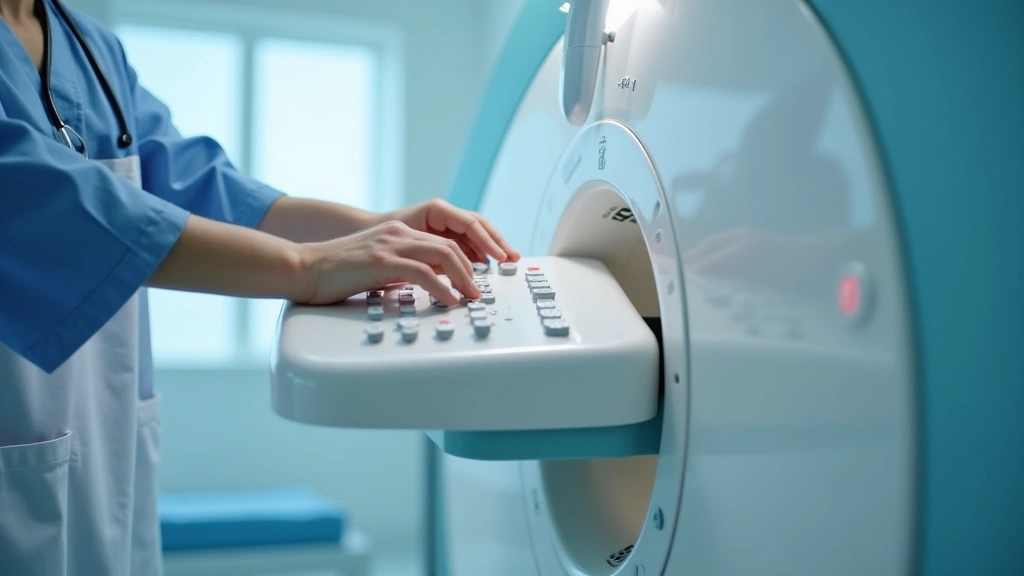
” alt=”CT technologist operating advanced imaging equipment in hospital radiology department”>
Negotiating Your CT Tech Salary
Understanding your market value is essential when negotiating compensation. Research salary data from Salary.com and PayScale specific to your geographic region, experience level, and certifications. Documenting comparable salaries strengthens your negotiating position when discussing compensation with potential employers or seeking raises.
Emphasize your certifications, specializations, and unique skills during salary discussions. If you hold multiple advanced certifications or possess specialized expertise in high-demand areas like cardiac imaging or interventional CT, quantify how these capabilities benefit the facility. Many employers willingly invest in technologists who bring specialized competencies that enhance their imaging services.
Consider the complete compensation package, not just base salary. Health insurance quality, retirement plan matching, continuing education allowances, shift differentials, and performance bonuses collectively impact your total earnings. A position offering $65,000 base salary with 6% 401(k) matching, $2,000 annual education allowance, and 15% shift differential may provide superior total compensation compared to a $70,000 base salary with minimal benefits.
Experience matters significantly in negotiations. If you have 5+ years of experience, certifications, and a track record of quality imaging and patient care, position yourself as a valuable asset worth premium compensation. Facilities investing in experienced technologists reduce training burden and benefit from established expertise and reliability.
Timing your negotiation strategically increases success rates. When accepting a new position, salary negotiation occurs before you begin work. When seeking raises at your current facility, timing your request around performance reviews, completion of advanced certifications, or expanded responsibilities strengthens your case for increased compensation.
Career Development and Income Growth
Pursuing CT tech programs and formal education beyond basic certification accelerates income growth. Technologists who complete associate or bachelor’s degrees in radiologic science position themselves for supervisory roles, management positions, and specialized clinical roles commanding higher compensation.
Mentorship relationships with experienced technologists and supervisors provide invaluable guidance for career advancement. Learning from established professionals helps you identify specialization opportunities, understand facility politics, and strategically position yourself for promotions and raises. Many high-earning technologists credit mentorship with accelerating their career progression.
Pursuing leadership positions represents another income-growth pathway. Shift supervisors, quality assurance coordinators, and imaging department managers earn significantly more than frontline technologists. These roles require technical expertise combined with management skills, communication abilities, and organizational capabilities. Developing these competencies early in your career positions you for advancement.
Cross-training in related imaging modalities such as radiography, ultrasound, or nuclear medicine increases your versatility and market value. Technologists proficient across multiple imaging disciplines become indispensable to their facilities and command premium compensation. This diversification also provides career flexibility and opens additional employment opportunities.
Staying current with industry developments through professional organizations like the American Society of Neuroradiology and attending conferences positions you as a knowledgeable professional. Industry engagement demonstrates commitment to excellence and provides networking opportunities that often lead to better-compensated positions and career advancement.

” alt=”Modern CT scanner equipment in clinical imaging facility with advanced diagnostic capabilities”>
FAQ
What is the average CT tech salary in 2024?
The average CT technologist salary in 2024 ranges from $68,000 to $72,000 annually according to current labor statistics. However, this varies significantly based on experience, location, certifications, and employer type. Entry-level technologists earn $45,000-$55,000, while experienced professionals with advanced certifications can earn $85,000-$95,000 or more.
Do CT technologists earn more than radiologic technologists?
CT technologists typically earn slightly more than general radiologic technologists due to the specialized nature of their work and required expertise. The premium ranges from 3-8% depending on facility and geographic location. CT specialization represents advanced training beyond basic radiologic technology, justifying the increased compensation.
How much do CT techs earn per hour?
Hourly rates for CT technologists typically range from $22 to $35 per hour, translating to annual salaries of $45,000 to $72,000 based on full-time employment. Senior technologists and those in high-cost metropolitan areas may earn $35-$45+ per hour. Shift differentials for nights, weekends, and holidays can add 15-25% to hourly rates.
What certifications increase CT tech salary the most?
The ARRT CT certification (RT(CT)) provides the most immediate salary increase, typically adding $3,000-$8,000 annually. Advanced certifications in cardiac CT imaging, CT angiography, and interventional CT can increase salaries by $5,000-$15,000. Multiple certifications compound earning potential significantly over a career.
Are CT tech salaries higher in certain states?
Yes, California, Massachusetts, Connecticut, New Jersey, and New York offer the highest CT tech salaries, often $75,000-$90,000+ annually. Metropolitan areas with high costs of living and strong healthcare infrastructure consistently offer superior compensation. Rural areas typically offer $50,000-$65,000, though some provide additional incentives like housing assistance.
Do CT techs get paid more for night shifts?
Yes, most facilities offer shift differentials for night, evening, weekend, and holiday work. These premiums typically range from 10-25% above base salary, significantly increasing annual earnings. A technologist earning $65,000 on day shift might earn $75,000-$80,000 annually working nights or rotating schedules due to shift differentials.
Can CT techs earn overtime pay?
Many CT technologists earn overtime pay when exceeding standard 40-hour work weeks, typically at 1.5x regular hourly rate. Hospital-based technologists often have overtime opportunities, particularly in emergency departments and trauma centers. Some facilities offer compensatory time off instead of overtime pay, so verify policies during hiring discussions.
How does experience affect CT tech salary growth?
Experience significantly impacts salary growth. Entry-level technologists earn $45,000-$55,000, mid-career professionals (5-10 years) earn $60,000-$75,000, and senior technologists (10+ years) earn $75,000-$95,000+. Each 5 years of experience typically increases salary by $8,000-$12,000, assuming continued professional development and skill enhancement.
What’s the highest-paying CT tech job?
The highest-paying CT tech positions include departmental management roles, technical directors, and specialized positions in research institutions or major academic medical centers. These positions can earn $100,000-$130,000+ annually. Cardiac CT specialists and interventional imaging technologists also command premium compensation in the $85,000-$100,000 range.
Is CT tech salary worth the education investment?
Yes, CT tech salary represents strong return on educational investment. Programs typically cost $15,000-$35,000 and take 2 years to complete. Entry-level technologists quickly earn back this investment, and lifetime earning potential exceeds $2.5 million. Career stability, benefits, and advancement opportunities further justify the educational investment.


