CT Tech School: Is It Right for Your Career?
Computed tomography (CT) technology represents one of the fastest-growing sectors in healthcare diagnostics, and pursuing education in this field could open doors to a rewarding career path. Whether you’re considering a career change, exploring post-secondary education, or simply curious about what CT tech information entails, understanding the landscape of CT tech school programs is essential. These specialized programs train professionals to operate sophisticated imaging equipment, interpret technical data, and contribute meaningfully to patient care outcomes.
The decision to attend CT tech school shouldn’t be taken lightly. It requires evaluating program quality, career prospects, financial investment, and personal career goals. This comprehensive guide examines whether CT tech school aligns with your professional aspirations and provides the insights you need to make an informed decision about your educational future in medical imaging.

What Is a CT Technologist?
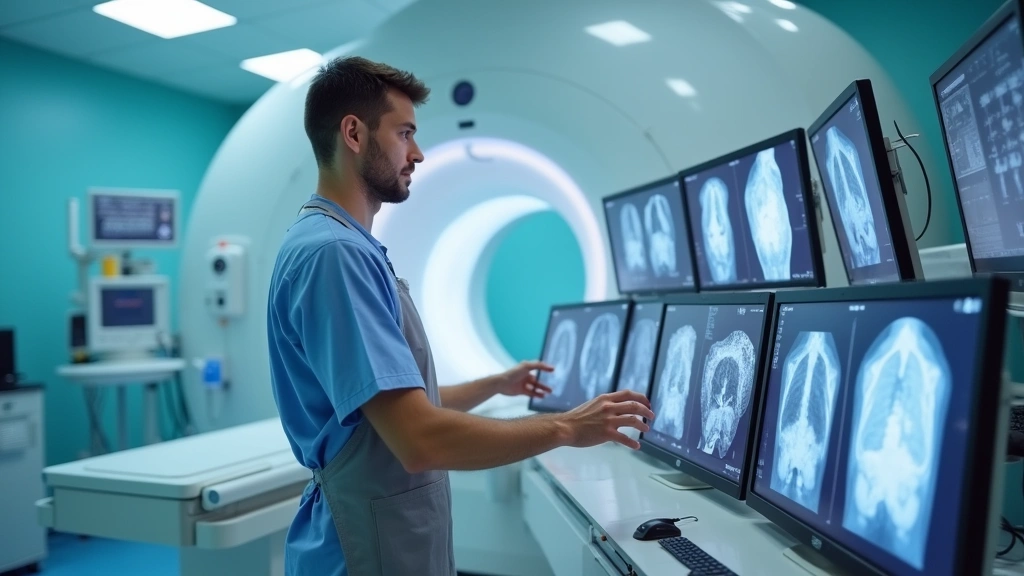
A CT technologist, also known as a computed tomography technologist, operates specialized imaging equipment that creates detailed cross-sectional images of the human body. These professionals work in hospitals, diagnostic imaging centers, and specialized clinics, playing a crucial role in helping physicians diagnose conditions ranging from cancer to internal injuries. CT technologists must combine technical expertise with strong patient care skills, as they interact directly with patients while operating complex machinery worth hundreds of thousands of dollars.
The role extends beyond simply operating equipment. CT technologists must understand anatomy, physiology, and pathology to position patients correctly and capture images that provide maximum diagnostic value. They adjust imaging parameters, monitor patient safety, maintain equipment, and ensure compliance with radiation safety protocols. This multifaceted role demands both technical proficiency and clinical knowledge, which is precisely why formal education through a CT tech program is essential.
According to Bureau of Labor Statistics data, diagnostic medical sonographers and radiologic technologists—a category that includes CT technologists—represent a growing employment sector with consistent demand across healthcare facilities nationwide.

Education and Certification Requirements
Most employers require CT technologists to complete accredited educational programs and obtain professional certification. The pathway typically involves earning an associate degree or certificate from an accredited institution, followed by passing the American Registry of Radiologic Technologists (ARRT) certification examination. Some positions may require additional CT tech certification programs specific to advanced techniques or specializations.
The ARRT certification is the gold standard in the industry and is recognized across all fifty states. To be eligible for the ARRT exam, candidates must complete an accredited educational program, which typically requires 24 months of full-time study. Some accelerated programs exist for individuals who already possess radiologic technology credentials, reducing the timeline to 12 months or less.
Beyond initial certification, many CT technologists pursue continuing education to maintain their credentials and stay current with technological advances. State licensing requirements vary, with some states requiring state licensure in addition to ARRT certification. Researching your specific state’s requirements before enrolling in a program ensures you select an institution that meets all necessary regulatory standards.
Types of CT Tech Programs
Educational institutions offer several pathways to becoming a CT technologist, each with distinct advantages depending on your circumstances and goals. Understanding these options helps you select the program structure that best fits your lifestyle and learning preferences.
- Associate Degree Programs: These comprehensive two-year programs provide extensive classroom instruction, laboratory work, and clinical internships. They’re the most common pathway and offer the broadest educational foundation.
- Certificate Programs: Shorter programs lasting 12-18 months focus specifically on CT technology skills. These are ideal for individuals with prior healthcare experience or radiologic technology credentials.
- Bachelor’s Degree Programs: Some universities offer four-year degrees in diagnostic medical imaging or radiologic sciences with CT specialization, providing additional coursework in management, research, and advanced clinical skills.
- Online and Hybrid Programs: Increasingly, institutions offer blended learning models where theoretical content is delivered online while clinical practice occurs in-person at affiliated healthcare facilities.
- Accelerated Programs: Designed for radiologic technologists seeking CT specialization, these intensive programs compress the curriculum into 6-12 months of focused study.
Each program type carries different implications for cost, time commitment, and career advancement potential. Associate and certificate programs provide the fastest entry into the profession, while bachelor’s degrees may offer better opportunities for supervisory or educational roles later in your career.
Typical Curriculum Overview
CT tech school curricula balance theoretical knowledge with hands-on technical training. A standard program includes comprehensive coverage of imaging physics, anatomy and physiology, patient care protocols, radiation safety, and specialized CT scanning techniques.
Core Coursework Components:
- CT Physics and Instrumentation
- Human Anatomy and Physiology
- Medical Terminology
- Radiation Protection and Safety
- Patient Care and Communication
- CT Scanning Protocols and Techniques
- Image Reconstruction and Processing
- Contrast Media Administration
- Pathology Recognition
- Professional Ethics and Regulations
Clinical experience represents approximately 50% of most programs. Students work in actual hospital or imaging center environments under supervision, gaining real-world experience with patient interaction, equipment operation, and image quality assessment. This hands-on training is invaluable and directly translates to job-ready competency upon graduation.
Advanced programs may include specialized modules covering cardiac CT imaging, CT angiography, cone-beam CT, or advanced reconstruction techniques. These specializations can enhance your marketability and earning potential, as discussed in our CT tech jobs guide.
Career Prospects and Job Outlook
The job outlook for CT technologists remains exceptionally strong. Healthcare demand continues expanding due to an aging population and increasing diagnostic imaging utilization. The CNET Healthcare Technology News frequently covers innovations in diagnostic imaging that create new opportunities for trained professionals.
Employment growth for radiologic technologists, including CT specialists, is projected to grow faster than average across most industries. Hospitals represent the largest employer segment, but opportunities also exist in:
- Diagnostic imaging centers and standalone facilities
- Specialty hospitals and cancer centers
- Urgent care and emergency departments
- Ambulatory surgical centers
- Military medical facilities
- Research institutions
- Educational institutions
Geographic flexibility is another advantage. CT technologists are needed in virtually every healthcare market, giving you mobility to relocate for better opportunities or personal reasons. Rural areas often offer signing bonuses and higher salaries to attract qualified technologists, while metropolitan areas provide more facility options and potential for specialization.
Exploring CT tech jobs available in your region provides concrete insight into local demand and opportunities. Many facilities actively recruit graduates from accredited programs, sometimes offering tuition reimbursement or signing bonuses.
Salary and Compensation
Compensation for CT technologists reflects their specialized skills and the critical nature of their work. According to industry data, entry-level CT technologists earn competitive salaries that increase with experience, specialization, and credentials. Understanding CT tech salary information helps contextualize your investment in education.
Median salaries for radiologic technologists, including CT specialists, typically range from $60,000 to $75,000 annually, with experienced technologists in specialized roles earning significantly more. Additional factors affecting compensation include:
- Geographic Location: Urban centers and regions with healthcare shortages typically offer higher salaries
- Facility Type: Specialized imaging centers and teaching hospitals often pay premium salaries
- Experience Level: Entry-level positions start lower, with substantial increases after 3-5 years
- Shift Differentials: Evening, night, and weekend shifts command additional pay
- Specializations: Advanced certifications in cardiac CT or interventional imaging increase earning potential
- Union Membership: Unionized facilities may offer structured pay scales and additional benefits
For detailed compensation analysis specific to your region, consult our CT scan tech salary information resource, which provides market-specific data and trends.
Beyond base salary, most positions include comprehensive benefits packages including health insurance, retirement plans, continuing education allowances, and professional development opportunities. The total compensation package often exceeds base salary by 20-30%.
Program Costs and Financial Aid
Educational costs vary significantly depending on whether you attend public or private institutions, and whether programs are certificate or degree-based. Public community colleges typically charge $8,000-$15,000 for two-year associate programs, while private institutions may charge $20,000-$40,000 or more.
Most accredited CT tech schools qualify for federal financial aid, which substantially reduces out-of-pocket costs for eligible students. Available financial aid options include:
- Federal Pell Grants: Need-based grants that don’t require repayment
- Federal Student Loans: Low-interest loans with flexible repayment options
- Work-Study Programs: Part-time employment opportunities that help fund education
- Institutional Scholarships: Many schools offer merit-based or need-based scholarships
- Employer Sponsorship: Healthcare facilities sometimes sponsor employee education
- Veteran Benefits: GI Bill benefits cover tuition for eligible veterans
- Professional Association Scholarships: Organizations like the ARRT offer scholarship opportunities
Calculating true program costs requires considering not only tuition but also textbooks, clinical uniforms, certification exam fees (typically $300-$400), and living expenses during your studies. Many students work part-time during their program, which extends the timeline but reduces financial burden.
Evaluating return on investment is crucial. With median starting salaries around $50,000-$60,000 and strong job security, most graduates recoup their educational investment within 3-5 years, making CT tech school a financially sound decision for many career-changers.
Skills and Personal Requirements
Success in CT tech school and the profession requires more than just technical aptitude. Successful CT technologists demonstrate specific competencies and personal characteristics that ensure both academic success and professional effectiveness.
Technical and Academic Skills:
- Strong foundation in mathematics and sciences
- Ability to understand complex technical concepts and equipment operation
- Proficiency with computer systems and software
- Attention to detail and quality assurance orientation
- Problem-solving capabilities for troubleshooting equipment issues
Professional and Interpersonal Skills:
- Excellent communication abilities for patient interaction and team collaboration
- Compassion and empathy for patients experiencing health challenges
- Ability to follow strict protocols and regulatory requirements
- Professional demeanor and reliability
- Stress management and emotional resilience in fast-paced environments
Physical Requirements:
- Ability to stand for extended periods
- Capacity to lift and position patients (typically up to 50 pounds)
- Manual dexterity for operating equipment controls
- Comfort working in clinical environments
- Ability to work rotating shifts including evenings and weekends
Honestly assessing whether these skills and requirements align with your strengths and preferences is essential before committing to CT tech school. Clinical observation days at local imaging centers can provide valuable insight into daily work reality.
Choosing the Right CT Tech School
Selecting an appropriate CT tech school significantly impacts your educational experience and career launch. Evaluate potential programs using comprehensive criteria beyond simple convenience or cost.
Accreditation and Regulatory Approval: Ensure the program holds accreditation from the Joint Review Committee on Education in Radiologic Technology (JRCERT). JRCERT accreditation guarantees the program meets rigorous quality standards and prepares students for ARRT certification. Verify your state’s specific licensure requirements and confirm the school meets all applicable regulations.
Program Outcomes and Success Rates: Request data on ARRT certification pass rates, employment rates, and graduate satisfaction. Programs with 90%+ first-attempt ARRT pass rates demonstrate effective instruction. Employment rates indicating where graduates work provide insight into career placement support.
Clinical Affiliations: Quality clinical education requires partnerships with diverse healthcare facilities. Programs affiliated with multiple hospitals, imaging centers, and specialized facilities provide broader exposure than those with limited clinical sites. Evaluate whether clinical sites offer experience with the latest technology and diverse patient populations.
Faculty Credentials and Experience: Instructors should hold current ARRT credentials and possess substantial clinical experience. Faculty actively engaged in continuing education and professional development tend to provide more current, relevant instruction.
Facilities and Equipment: Tour the school’s imaging labs to assess equipment quality and currency. Programs with newer CT simulators and actual imaging equipment provide superior hands-on training compared to those relying solely on older equipment or theoretical instruction.
Class Size and Student Support: Smaller class sizes enable more individualized instruction and better preparation for the certification exam. Investigate what academic support services are available, including tutoring, study groups, and exam preparation resources.
Cost and Financial Aid: While cost shouldn’t be the sole determining factor, comparing total program costs across accredited options helps identify value. Investigate financial aid packages, scholarship opportunities, and employer sponsorship programs specific to each institution.
Location and Format: Consider whether traditional full-time, part-time, or online hybrid formats better suit your circumstances. Geographic location affects both program costs and post-graduation job market access.
Research programs thoroughly using CT tech information resources, program websites, and direct conversations with current students and graduates. Attending information sessions and campus visits provides invaluable perspective on institutional culture and educational quality.
FAQ
How long does it take to become a CT technologist?
Most accredited programs require 24 months of full-time study to complete an associate degree. Certificate programs may take 12-18 months. Accelerated programs for individuals with existing radiologic technology credentials can be completed in 6-12 months. Timeline varies based on program type and whether you attend full-time or part-time.
Do I need prior healthcare experience to attend CT tech school?
No, most programs accept students without healthcare backgrounds. However, healthcare experience can be advantageous. Some accelerated programs specifically require prior radiologic technology certification. Review individual program prerequisites to understand specific requirements.
What is the ARRT certification exam like?
The ARRT certification exam is a comprehensive computer-based test covering CT physics, patient care, anatomy, safety protocols, and clinical applications. Most programs include extensive exam preparation. Passing rates for graduates of accredited programs typically exceed 90% on first attempt.
Can I work while attending CT tech school?
Many students work part-time during their program, though the demanding clinical schedule can make this challenging. Some programs offer evening or weekend classes to accommodate working students. Discuss scheduling flexibility with prospective schools to determine what’s feasible.
What are job prospects after graduation?
Job outlook for CT technologists is excellent, with consistent demand across healthcare facilities. Most graduates secure employment within months of graduation. Factors like geographic flexibility, willingness to work various shifts, and additional certifications enhance employment prospects.
Is CT tech school worth the investment?
For most career-changers and new graduates, CT tech school represents a solid investment. Reasonable program costs, strong job security, competitive salaries, and consistent demand create favorable return-on-investment metrics. Career satisfaction rates among CT technologists are generally high.
What specializations can I pursue after becoming a CT technologist?
After gaining experience, CT technologists can specialize in cardiac imaging, CT angiography, interventional CT, or advanced reconstruction techniques. Some pursue supervisory or educational roles, while others may advance to related fields like MRI or nuclear medicine technology.
Are there state licensure requirements for CT technologists?
Licensure requirements vary by state. Some states require state licensure in addition to ARRT certification, while others rely solely on ARRT credentials. Research your specific state’s requirements before selecting a program to ensure it meets all regulatory standards.
What is the salary range for CT technologists?
Entry-level CT technologists typically earn $50,000-$60,000 annually, with median salaries ranging from $60,000-$75,000 for experienced professionals. Specialized roles, geographic location, and shift differentials can push compensation higher. Review CT tech salary guide for detailed market analysis.


