
Table of Contents
Introduction
Picture this: you’re trying to work on an important project, but your computer screen looks like it went through a dust storm. Smudges everywhere. Fingerprints that somehow multiplied overnight. Sound familiar? A clean screen isn’t just about looking professional—it actually makes a huge difference in how your eyes feel at the end of a long day.
Here’s something most people don’t realize: taking care of your screen properly can save you serious money down the road. We’re talking about preventing expensive repairs and keeping your device running smoothly for years. And if you’re already thinking about overall device maintenance, you’ll want to check out how to clean laptop keyboard techniques too—because what’s the point of a crystal-clear screen if your keyboard is grimy? The biggest culprits? Oils from your fingers, dust particles, and those mysterious smudges that appear out of nowhere. But here’s the good news: with the right approach, you can tackle all of these without damaging your screen’s delicate surface.
Now, before you grab whatever cleaning spray is under your sink—stop right there. Your screen has a special coating that harsh chemicals can destroy permanently. (Trust me, I’ve seen too many people learn this the hard way.) Microfiber cloths are your best friend here, not paper towels or old t-shirts. Speaking of keeping things clean, mastering how to clean laptop keyboard methods works hand-in-hand with screen cleaning—think of it as giving your whole setup the attention it deserves. We’ll walk you through exactly which products to avoid and which ones will keep your screen looking brand new.
You know what’s interesting? Proper tech maintenance is like a domino effect—take care of one thing, and everything else benefits. Your screen stays clear, your device performs better, and you actually enjoy using it more. If you’re curious about the bigger picture of technology management, resources like how to build an e-commerce site show how attention to detail matters in digital environments. Or dive into technology in supply chain management to see how these same principles apply on a massive scale. It’s all connected—the care you put into your personal devices reflects the same mindset that drives innovation everywhere else.
What You’ll Learn in This Guide
Ready to become a screen-cleaning pro? This guide breaks down everything you need to know, from tackling stubborn stains to keeping your screen spotless every day.
- Understanding Your Screen: Learn about different types of computer screens and their unique cleaning needs to avoid damage and optimize care.
- Preparing Your Cleaning Supplies: Discover the best materials and solutions for screen cleaning and which items to avoid to protect your device.
- Step-by-Step Cleaning Process: Follow detailed instructions to clean your screen properly using safe techniques and avoid common mistakes.
- Maintaining a Clean Screen: Gain practical tips on regular cleaning frequency, environmental considerations, and when to seek professional help.
We’re going to cover each of these topics thoroughly, giving you the confidence to handle any screen-cleaning situation. Different screen types—LCD, OLED, touchscreens—each have their quirks, and we’ll help you navigate those differences. You’ll learn exactly what supplies to gather (and what to leave in the cabinet), plus we’ll guide you through a gentle cleaning routine that won’t damage anything. Most importantly, you’ll pick up habits that keep your screen looking great long-term.
The reality is this: knowing how to properly care for your computer screen puts you ahead of most people who just wing it and hope for the best. You’ll avoid those costly repair bills and actually enjoy better display quality every single day. And hey, while you’re expanding your tech knowledge, exploring topics like technology for smart cities can give you fascinating insights into how our devices fit into the bigger technological landscape around us.
By the time you finish this guide, you’ll have everything you need to keep your screen pristine and your device running smoothly. No more squinting through smudges or worrying about whether you’re using the right cleaning method. Ready to get started? Your screen (and your eyes) will thank you.
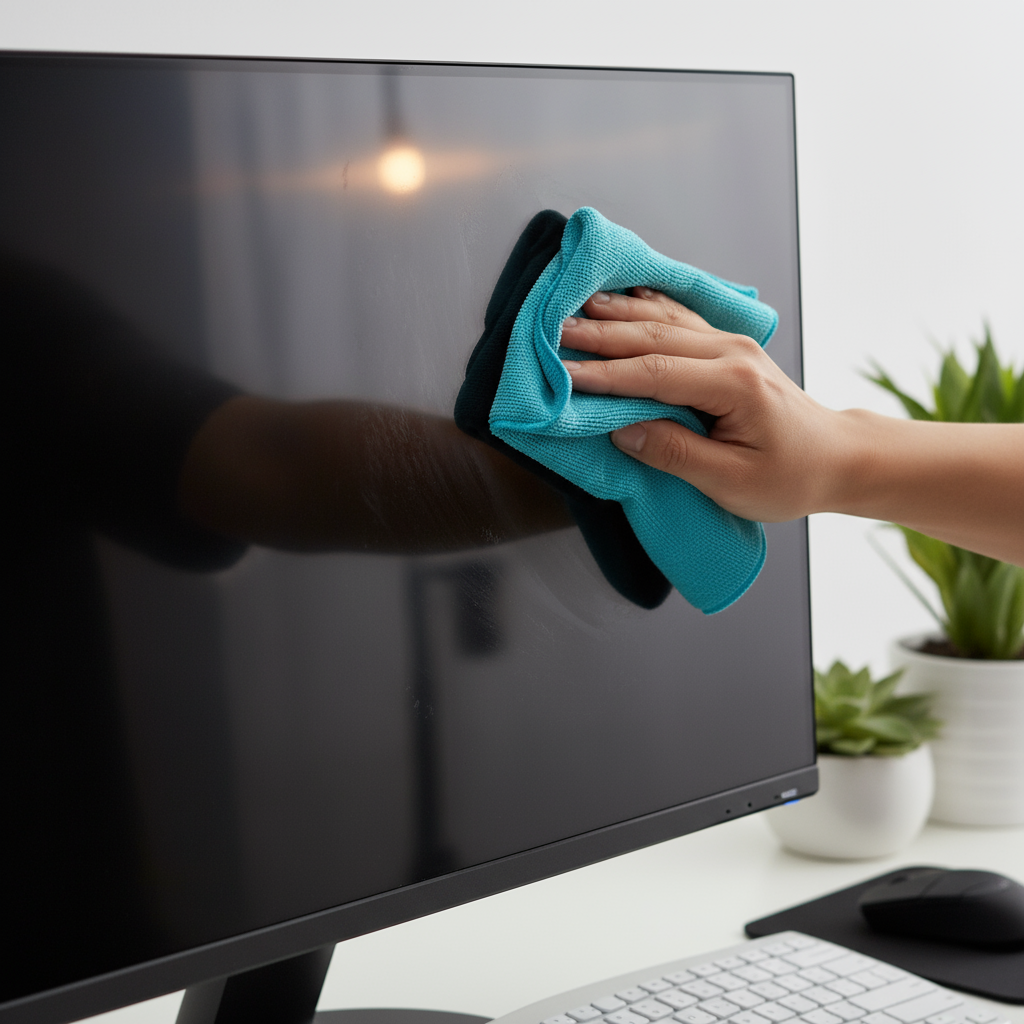
Let’s be honest—when was the last time you actually cleaned your computer screen? If you’re squinting through fingerprints and dust right now, you’re not alone. Your screen takes a beating every day, collecting everything from coffee steam to pet hair (don’t ask me how that gets there). And while a dirty screen might seem like just a minor annoyance, it’s actually working against you in more ways than you think.
Here’s the thing: that grime isn’t just ugly—it’s messing with your entire computing experience. Every smudge creates glare, every dust particle dims your display, and those mysterious spots you can’t quite identify? They’re all conspiring to make your eyes work harder than they should. But cleaning your screen isn’t as simple as grabbing whatever’s handy and giving it a quick wipe. Trust me, I’ve seen too many screens ruined by well-meaning people with paper towels and Windex.
The good news? Once you know what you’re doing, keeping your screen crystal clear becomes second nature. We’re going to walk through everything—from figuring out what type of screen you’re dealing with to the exact technique that’ll leave it spotless without any damage. Because let’s face it, replacing a screen costs a lot more than learning to clean it properly.
Understanding Your Computer Screen
Not all screens are created equal, and that matters more than you might think. Your cleaning approach should change depending on whether you’re dealing with an LCD, LED, OLED, or touchscreen. Each one has its own personality (and sensitivities), kind of like people—what works for one might completely backfire on another.
LCD and LED screens are the workhorses of the computer world. They’re pretty forgiving and can handle basic cleaning without too much drama. OLED screens? They’re the high-maintenance types—gorgeous to look at with incredible contrast and colors, but they need the gentle touch. Think of them as the luxury sports car of displays. And touchscreens add another layer of complexity because they’re not just showing you stuff—you’re constantly poking and swiping them.
Here’s where things get interesting (and a bit scary): use the wrong cleaning product or technique, and you could end up with scratches, weird discoloration, or—worst case scenario—a touchscreen that stops responding properly. I’ve seen it happen, and it’s not pretty. If you’re dealing with tablets or similar devices, you’ll want to check out our guide on how to clean tablet screens safely and effectively for some device-specific tips.
Beyond just dust (which seems to appear out of nowhere), you’re battling fingerprints that somehow multiply overnight, oily residues that create annoying rainbow effects, and those mysterious smudges that appear even when you swear you haven’t touched the screen. These aren’t just cosmetic issues—they create glare that’ll have you adjusting your position constantly and squinting at your work.
Your environment plays a bigger role than you’d expect too. Dusty rooms, humid conditions, even that fan you have running—they all contribute to how quickly your screen gets grimy. This is especially true in busy places like classrooms, where screens work overtime. Speaking of which, if you’re curious about how technology holds up in educational settings, there’s some fascinating stuff about technology integration in classrooms that really shows how important proper maintenance becomes when devices are used heavily.
Key Aspects of Understanding Your Computer Screen
Before you start cleaning, you need to know what you’re working with. Here’s what really matters:
- Differentiating Screen Technologies: Each screen type has its own rules. OLED displays need kid-glove treatment to avoid burn-in and surface damage, while LCDs can handle more straightforward cleaning approaches. Know your screen, protect your investment.
- Identifying Common Contaminants: Dust, fingerprints, and oils are the usual suspects ruining your view. Once you understand what you’re fighting, choosing the right cleaning strategy becomes much clearer.
- Environmental Impact: Your surroundings affect how fast your screen gets dirty. High-dust areas, humidity, and temperature swings all speed up the grime accumulation. Regular maintenance keeps these factors from winning the battle.
- Touch Screen Sensitivities: Interactive screens are particularly fussy about pressure and chemicals. Clean them wrong, and you might lose that smooth, responsive feel you depend on.
Getting familiar with these basics sets you up for success. You’ll know exactly what your screen needs and what could hurt it. Now, let’s get into the actual cleaning process—the step-by-step approach that’ll leave your screen looking like new.
Step-by-Step Cleaning Process
Alright, here’s where we get practical. Cleaning your screen might look simple, but there’s definitely a right way and several wrong ways to do it. The wrong approach can leave you with a streaky mess or, worse, permanent damage that’ll haunt you every time you look at your screen.
First things first: power down and unplug your computer. This isn’t just about safety (though you definitely don’t want to be cleaning a live screen)—it also prevents you from accidentally clicking things or, on touchscreens, triggering all sorts of unintended actions while you’re trying to clean.
The key is using the right materials and being gentle. I can’t stress this enough—harsh chemicals and rough cloths are your screen’s worst enemies. This ties into broader device care principles, like the maintenance strategies we discuss in how to fix slow computer, where taking care of your hardware pays dividends in longevity and performance.
Understanding your hardware helps too. If you’re working with quality devices like those covered in our best laptops with SSD drives guide, you want to protect that investment with proper care. And as technology keeps evolving—check out what’s coming in latest technology trends 2025—proper maintenance techniques become even more important.
Key Aspects of the Step-by-Step Cleaning Process
Getting this right means following a process that’s thorough but gentle. Here’s your game plan:
- Preparing Your Workspace: Find a clean, well-lit spot where you won’t be rushed. Power down and unplug your device—this is non-negotiable. Lay down a soft towel to protect against accidental bumps or scratches while you work.
- Selecting Cleaning Supplies: Invest in a good microfiber cloth—it’s worth every penny. Skip the paper towels and tissues (they’re basically sandpaper for screens). For cleaning solution, stick with screen-safe products or make your own with distilled water and isopropyl alcohol. Household cleaners are a hard no.
- Cleaning Technique: Lightly dampen your cloth—never spray directly on the screen. Work in gentle circles or light strokes, letting the cloth do the work. You’re coaxing the dirt off, not scrubbing it into submission.
- Drying and Final Inspection: Use a dry part of your microfiber cloth to eliminate any moisture and streaks. Take a step back and check your work under good light—you’d be surprised what you miss when you’re up close.

Here’s the thing about keeping your computer screen clean—it’s not just about making things look pretty. Sure, you want to see what you’re working on clearly, but there’s more to it. A clean screen actually helps your device last longer. We’ve walked through the different types of screens you might have—LCD, LED, OLED, touchscreens—and each one needs its own special care. (Kind of like how you wouldn’t wash a silk shirt the same way you’d wash jeans.) Once you understand these differences, picking the right cleaning method becomes second nature. Those microfiber cloths and screen-safe solutions we talked about? They’re your best friends in this process.
Before you even start cleaning, take a moment to set yourself up for success. Good lighting, clear workspace, device powered down—these aren’t just suggestions, they’re your insurance against accidents. The actual cleaning process is pretty straightforward: gentle circular motions, no harsh chemicals, no rough scrubbing. Think of it like caring for something delicate that you actually want to keep working well. Regular maintenance beats the heck out of waiting until your screen looks like a crime scene.
But let’s be real for a second. Sometimes cleaning isn’t going to cut it. See permanent spots that won’t budge? Cracks? Screen not responding the way it should? That’s when you stop being a DIY hero and call in the professionals. There’s a fine line between taking good care of your stuff and accidentally making things worse.
Now that you’ve got the screen cleaning thing down, why not level up your entire setup? Your keyboard probably needs some attention too—check out our guide on how to clean laptop keyboard to keep everything running smoothly. And if your computer’s been acting sluggish lately, we’ve got you covered with tips on how to fix a slow computer. Planning to upgrade? Take a look at our recommendations for the best laptops with SSD drives—they’re faster, more reliable, and honestly just make life easier. And here’s something you might not expect: if you’re thinking about investing in new tech, it’s worth learning how to use credit cards responsibly to make sure those purchases don’t come back to bite you later.
Look, a clean screen makes everything better. Less eye strain, better productivity, and honestly? It just feels good to use something that’s well-maintained. You now have all the tools and knowledge you need to keep your display looking great. Remember—consistent care beats emergency deep cleans every time. When in doubt, don’t risk it. Get professional help. Your future self (and your wallet) will thank you. So go ahead, give your screen the care it deserves. You’ll notice the difference immediately.
Frequently Asked Questions
-
Can I use household cleaners on my computer screen?
- It is not recommended as many household cleaners contain harsh chemicals that can damage the screen coating.
-
How often should I clean my computer screen?
- Cleaning once every one to two weeks is usually sufficient unless the screen gets dirty more frequently.
-
What materials are safe for cleaning a computer screen?
- Microfiber cloths and screen-safe cleaning solutions are best for preventing damage.
-
Is it safe to clean a screen while it is turned on?
- It is generally safer to turn off and unplug the device before cleaning to avoid damage or electrical issues.
-
What should I do if my screen has stubborn stains?
- Use a slightly damp microfiber cloth with screen-safe cleaning solution and avoid rubbing harshly.