
Table of Contents
Introduction
Your phone already knows what you want before you ask. Your car warns you about traffic jams ahead. Your home adjusts the temperature when you’re on your way back from work. Sound familiar? That’s artificial intelligence working quietly in the background, and honestly, we’re just getting started. The line between science fiction and everyday reality? It’s pretty much disappeared.
Here’s what’s wild—companies are pouring hundreds of billions into AI technology by 2025. Not millions. Billions. That tells you everything you need to know about where this is headed. Getting a solid grip on technology and artificial intelligence isn’t just helpful anymore—it’s essential. Because whether you’re running a business, planning your career, or just trying to keep up with the world, AI is reshaping everything we thought we knew about what’s possible.
Think about it. Doctors are using AI to spot diseases earlier than ever before. Financial analysts rely on it to predict market trends. Even your favorite online store uses AI to manage inventory and shipping—and that’s where technology in supply chain management really shines, cutting costs while making everything run smoother. The ripple effects? New jobs, fresh opportunities, and solutions to problems we didn’t even know we could solve.
But let’s be real for a moment. AI isn’t all smooth sailing. Privacy concerns keep people up at night. Job security questions are real. And don’t get me started on the ethical puzzles we’re trying to solve. Take artificial intelligence in financial services—it’s revolutionizing how banks work, but it’s also forcing us to rethink regulations and safeguards. The key is staying informed so you can make smart choices, not just for yourself but for the bigger picture too.
What You’ll Learn in This Guide
Ready to make sense of this AI-powered world we’re living in? Whether you’re a tech enthusiast, a business professional, or someone who just wants to understand what all the fuss is about, we’ve got you covered. This guide breaks down everything you need to know without the jargon overload.
- Understanding Core Concepts: We’ll start with the basics—what AI actually is, the different types you should know about, and real examples of how it’s already changing your daily life (probably in ways you haven’t even noticed).
- Exploring Key Technologies: Ready to dig deeper? We’ll explore the building blocks that make AI tick—machine learning, natural language processing, computer vision—and why they matter for everything from your smartphone to self-driving cars.
- Examining Applications and Benefits: Here’s where it gets exciting. We’ll walk through how AI is transforming healthcare, finance, transportation, and customer service, making things faster, smarter, and often more personalized than we ever imagined.
- Navigating Challenges and Ethics: The tough questions need answers too. We’ll tackle the ethical dilemmas, potential risks, and societal impacts, plus give you frameworks for thinking about responsible AI adoption and what’s coming next.
As we work through these topics together, you’ll gain insights that actually matter—the kind you can use to make better decisions and spot opportunities others might miss. Before we dive into the technical stuff, it’s worth checking out some of the latest innovations in technology that work hand-in-hand with AI. Trust me, seeing the bigger picture makes everything click into place.
By the time we’re done, you’ll have the knowledge and confidence to harness AI’s potential in your own life and work. No more feeling lost when people talk about machine learning algorithms or wondering if AI will make your job obsolete. (Spoiler alert: it’s more likely to make you better at your job.) You’ll understand the terminology, grasp the implications, and know how to think critically about this technology that’s reshaping our world.
So let’s jump in and explore how technology and artificial intelligence aren’t just changing industries—they’re rewriting the rules of what’s possible in our daily lives, our work, and our future.
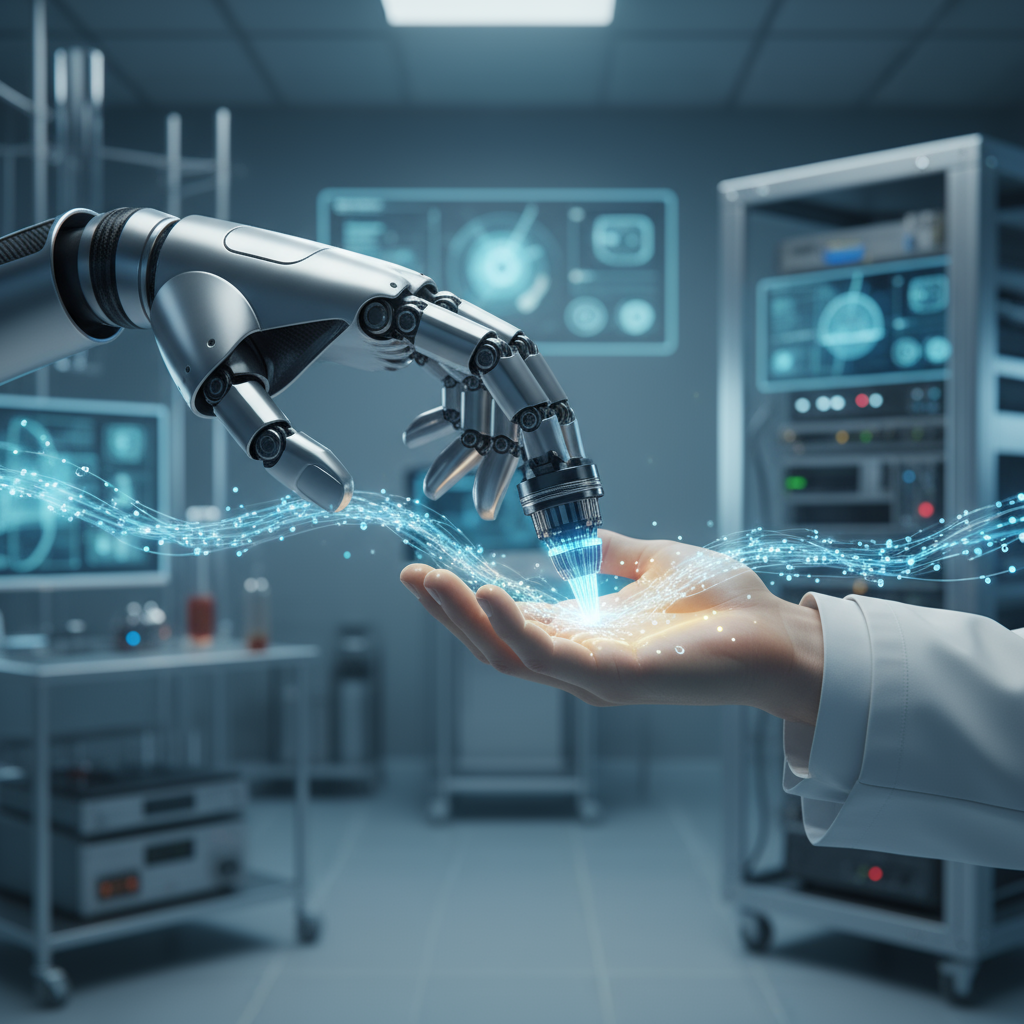
Here’s the thing about technology and AI—they’re not just changing our world, they’re completely reshaping it. And honestly? We’re just getting started. From making your daily tasks smoother to creating capabilities we never thought possible, these technologies are opening doors we didn’t even know existed. So let’s dig into what really matters: the building blocks that make AI tick, and where you’re already seeing it work its magic in the real world. Trust me, once you understand how this stuff actually works and where it’s being used, you’ll start noticing AI everywhere. (Spoiler alert: it’s probably helping you right now, and you don’t even realize it.)
Key Technologies Powering Artificial Intelligence
Ever wonder what’s actually happening under the hood when AI does something that feels like magic? The secret isn’t magic at all—it’s a handful of incredibly smart technologies working together. Think of machine learning, natural language processing, and computer vision as AI’s core superpowers. Machine learning helps AI get smarter from experience. Natural language processing? That’s how AI understands what you’re actually saying (not just the words, but what you mean). Computer vision gives AI eyes to see and interpret the world around it.
These aren’t just fancy tech terms either—they’re the reason AI can tackle problems that used to stump the smartest humans. Want to know more about how AI handles massive amounts of information? Check out artificial intelligence and big data. And if you’re curious about the brain-like networks that power modern AI, artificial intelligence and neural networks will blow your mind.
Let’s break this down. Machine learning is basically AI’s way of learning on the job. Feed it data, and it finds patterns you’d never spot yourself. Deep learning takes this further—imagine neural networks stacked like layers of an onion, each one getting better at understanding complex stuff like images and speech. Pretty cool, right? Natural language processing is what lets your voice assistant actually get what you’re asking for (most of the time). And computer vision? That’s how your phone recognizes your face, how cars can drive themselves, and how doctors can spot diseases in medical scans faster than ever before. Put them all together, and you’ve got AI that can see, understand, and learn.
Key Aspects of AI Power Technologies
Here’s what makes these technologies so powerful:
- Machine Learning Algorithms: Think of these as AI’s learning engine. They crunch through massive datasets and get smarter over time—no human hand-holding required. The more data they see, the better they get at making predictions and decisions.
- Natural Language Processing (NLP): This is how AI learned to speak human. It doesn’t just recognize words—it understands context, emotion, and even sarcasm (well, sometimes). This is what makes chatbots actually helpful instead of frustrating.
- Computer Vision Innovations: Basically, AI got eyes. Really good eyes. It can spot things in images and videos that human eyes might miss, making it invaluable for everything from security systems to medical diagnoses.
- Data Integration and Big Data: AI is hungry for data—the more, the better. Big data technologies are like AI’s all-you-can-eat buffet, providing the massive amounts of information AI needs to keep learning and improving in real time.
Now that you know what makes AI tick, let’s see where it’s actually making a difference. Because knowing the theory is one thing—seeing it in action? That’s where things get really interesting.
Applications of Artificial Intelligence in Various Fields
Here’s where AI stops being theoretical and starts being personal. You’ve probably interacted with AI more today than you realize. That fraud alert from your bank? AI spotted something fishy. Your GPS finding the fastest route home? AI crunched traffic data in real time. That medical scan that caught something early? AI flagged it for the doctor to review.
The real magic happens when AI tackles problems that used to take humans hours, days, or even years to solve. In hospitals, AI analyzes diagnostic images faster than radiologists—not to replace doctors, but to help them catch things they might miss. Banks use AI to spot fraudulent transactions in milliseconds, often stopping theft before you even know it happened. Self-driving cars are getting safer every day because AI processes road conditions faster than human reflexes ever could. Want to see how AI is changing public services? Take a look at artificial intelligence in government. And if you’re curious about how AI knows exactly what you want to buy, artificial intelligence in retail has the inside scoop.
But here’s what’s really fascinating—AI isn’t just making things faster or cheaper (though it’s doing that too). It’s making things possible that weren’t possible before. Personalized medicine based on your genetic makeup. Financial advice tailored to your exact situation. Transportation systems that adapt to traffic in real time. The catch? With great power comes great responsibility. As AI gets more capable, we need to make sure it’s fair, transparent, and respects privacy. Because the goal isn’t just smarter technology—it’s technology that makes life better for everyone.
Key Aspects of AI Applications
Here’s where AI is making the biggest impact right now:
- Healthcare Innovations: AI doesn’t just speed up diagnoses—it’s finding patterns in patient data that lead to better treatments. From personalized medicine to remote monitoring, it’s making quality healthcare more accessible to everyone.
- Financial Services: Your money is safer because AI never sleeps. It’s constantly watching for fraud, optimizing investments, and providing customer service that actually understands what you need (finally!).
- Transportation Advancements: Self-driving cars are just the beginning. AI is optimizing traffic flow, predicting when vehicles need maintenance, and making transportation safer and more efficient for everyone.
- Government and Public Services: AI is helping governments work smarter, not harder. From streamlining paperwork to improving public safety, it’s making government services more responsive to what citizens actually need.

Here’s the bottom line: technology and AI aren’t just working together anymore—they’re basically inseparable. And honestly? That’s changing everything. We’re talking about real, tangible changes in how we live, work, and solve problems. From the apps on your phone to breakthroughs happening in hospitals and banks right now, these technologies are making things possible that seemed like science fiction just a few years ago. We’ve covered the key building blocks—machine learning, natural language processing, computer vision—that help machines actually think and respond intelligently. Pretty amazing stuff when you think about it.
But let’s be real about something important: with great power comes great responsibility. (Yes, I went there.) We can’t ignore the tough questions about bias, privacy, and fairness. These aren’t just technical problems—they’re human problems that need human solutions. The future we’re building with quantum computing and smart cities? It’s exciting, but only if we’re smart about how we get there.
Want to dive deeper? I’ve got you covered. Start with our comprehensive technology and artificial intelligence guide for the full picture. Keep up with what’s coming next through our latest technology trends of 2025. If you’re curious about practical applications, check out how technology integration in classrooms is changing education. And since money makes the world go round, understanding artificial intelligence in financial services will give you insight into where this is all heading.
The key to navigating this brave new world? Stay curious, but stay critical. Understand both what AI can do and what it shouldn’t do. Use these tools to make your life better, push for ethical standards, and don’t be afraid to ask tough questions. The future isn’t something that happens to us—we’re actively creating it every day through how we choose to develop and use these technologies.
Frequently Asked Questions
-
What is the difference between technology and artificial intelligence?
- Technology is the broad application of tools and systems, while artificial intelligence specifically focuses on machines performing tasks requiring human-like intelligence.
-
How is AI used in everyday life?
- AI powers many conveniences including voice assistants, recommendation systems, smart home tech, and real-time analytics that optimize decisions in many fields.
-
Are there risks associated with AI?
- Yes, including privacy concerns, bias in algorithms, job impacts, and ethical dilemmas that require careful regulation and responsible use.