Table of Contents
- Introduction
- Types of Renewable Energy Technologies
- Innovations Driving Efficiency and Cost Reduction
- Frequently Asked Questions
- What are the most common types of renewable energy technology?
- How does energy storage improve renewable energy use?
- What challenges does renewable energy technology face?
- How can I implement renewable energy technology at home or business?
- What is the future outlook for technology in renewable energy?
Introduction
Here’s something pretty amazing: we’re living through one of the biggest energy revolutions in human history. Right now, the power lighting your home could come from sunlight that hit a solar panel this morning, or wind that turned a turbine just hours ago. It sounds almost too good to be true, doesn’t it? But this isn’t some distant sci-fi dream—it’s happening today, and the technology driving it is getting better (and cheaper) every single year.
The energy world is changing fast. Really fast. We’re seeing breakthroughs in everything from super-efficient solar panels to massive offshore wind farms that look like they belong in a futuristic movie. And here’s the thing—these aren’t just cool gadgets anymore. They’re becoming the backbone of how we power our lives. Smart grids are learning to predict when you’ll need electricity, energy storage systems are getting so good they can save sunshine for a rainy day, and costs are dropping so dramatically that renewable energy is often the cheapest option on the table.
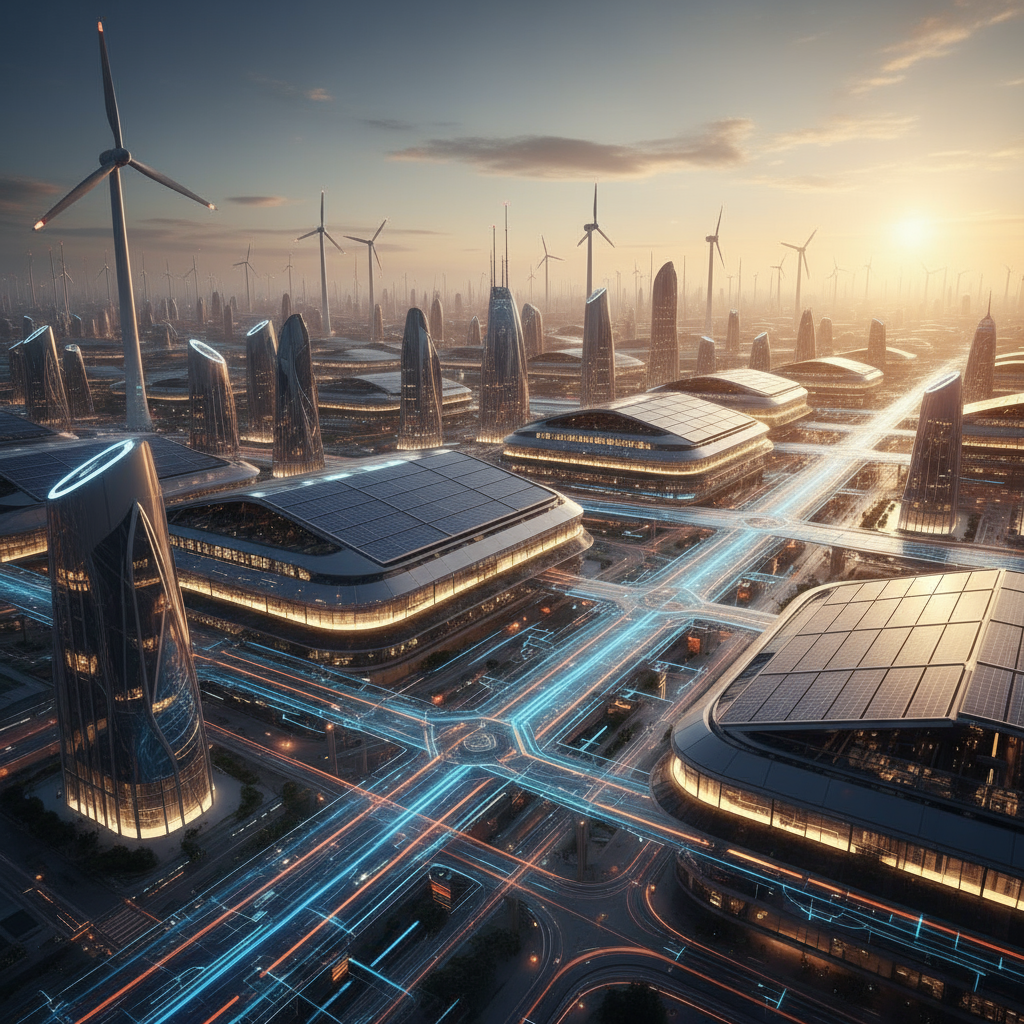
But there’s more to this story than just the hardware. Take technology for smart cities, for instance. We’re talking about Internet of Things (IoT) devices and AI working together to make urban power grids incredibly smart—they can spot problems before they happen and balance energy loads in real-time. Meanwhile, scientists are developing new materials that make solar cells work harder and wind turbines last longer. It’s like watching puzzle pieces fall into place, each innovation making the whole system more powerful and reliable.
Now, if you think that’s impressive, wait until you hear about the digital side of things. The breakthroughs in big data and analytics are giving energy companies almost superhuman abilities to predict when and where power will be needed. They can optimize everything from resource allocation to maintenance schedules. And when you throw artificial intelligence into the mix? These renewable energy systems start learning and improving themselves. We’re not just talking about clean energy anymore—we’re talking about intelligent clean energy.
What You’ll Learn in This Guide
So what exactly are we going to cover here? Think of this as your roadmap to understanding how technology is completely reshaping the way we create and use clean energy. Whether you’re passionate about sustainability, fascinated by cutting-edge tech, or just curious about how this green energy thing actually works, we’re going to break it all down into bite-sized, practical insights. Here’s what we’ll explore together:
- Key Renewable Energy Technologies: We’ll walk through the main players—solar, wind, hydropower, geothermal, and bioenergy—and show you the game-changing innovations happening in each field right now.
- Innovations Driving Efficiency: You’ll discover the exciting solutions making everything work better and cost less, from next-level energy storage to smart grids, plus how IoT and AI are revolutionizing energy conversion.
- Environmental and Economic Benefits: Let’s talk about the real-world impact—how these technologies are shrinking carbon footprints while creating jobs and economic opportunities that benefit everyone.
- Challenges and Future Outlook: We’ll be honest about the roadblocks (technical hurdles, infrastructure needs, policy challenges) and get you excited about the promising solutions on the horizon.
Our mission? To give you a solid understanding of how technology is turning renewable energy from a nice idea into a powerful reality. By the time you’re done reading, you’ll know exactly what’s driving these changes and why they matter for building a sustainable future. No jargon overload, no confusing technical mumbo-jumbo—just clear explanations of the innovations that are changing everything.
Ready to dive deeper? We’re going to start by looking at the specific technologies behind each major renewable energy source and how recent innovations are making them more efficient and affordable than ever. You’ll also get an inside look at smart grids and energy management systems—the behind-the-scenes tech that keeps everything running smoothly and reliably. And if you’re curious about the bigger picture, we’ll explore how adopting these technologies is creating ripple effects around the world, both environmentally and economically.
Before we jump in, you might want to check out the latest technology trends in 2025 to see how renewable energy fits into the broader tech landscape. Trust me, understanding these connections will help you appreciate just how central clean energy innovations are to the technological revolution happening all around us. It’s all connected, and it’s all moving incredibly fast.
What you’re about to read will give you the knowledge to understand not just how these technologies work, but why they’re so important for our future. We’ll use real examples and analogies that make the complex stuff easy to grasp (because nobody wants to feel like they need an engineering degree to understand clean energy). Get ready to discover how the marriage of technology and renewable energy is creating a cleaner, more sustainable world—one breakthrough at a time.

Here’s what’s happening right now with renewable energy—and it’s pretty incredible. Technology isn’t just changing the game; it’s completely rewriting the rules. We’re watching clean energy become cheaper, smarter, and more accessible than ever before. Whether you’re a homeowner thinking about solar panels or a business leader planning your company’s energy future, understanding these tech breakthroughs matters. Let’s dive into the innovations that are making sustainable energy not just possible, but inevitable.
Types of Renewable Energy Technologies
Think of renewable energy as nature’s power plant. We’re talking about capturing sunlight, wind, flowing water, and even organic waste to create electricity. Solar and wind? They’re the superstars right now—and for good reason. They’re getting better and cheaper every year. Solar energy works in two main ways: those familiar photovoltaic panels you see on rooftops, and solar thermal systems that use heat instead of light. Both are getting ridiculously efficient.
Wind energy is where things get really interesting. Sure, you’ve got your standard onshore turbines (those giant white towers dotting the landscape). But offshore wind? That’s where the magic happens. And now we’ve got floating platforms that can work in deeper waters—places we never thought possible. It’s like someone figured out how to put wind farms anywhere the ocean allows.
But here’s what many people don’t realize: hydropower, geothermal, and bioenergy are the steady workhorses of the renewable world. They might not grab headlines like solar and wind, but they’re incredibly reliable. Want to see how all this tech connects to bigger infrastructure projects? Check out technology in construction industry transforming infrastructure support—it shows how these energy systems actually get built and deployed.
The real game-changer? These technologies keep getting better at squeezing more energy out of less space. Solar concentrators are like magnifying glasses for sunlight, and wind turbine blades are becoming works of engineering art. Each technology has its sweet spot, and knowing these differences helps you make smart energy decisions. (And if you’re curious about where all this tech innovation is heading, latest technology trends in 2025 gives you the bigger picture.)
Key Aspects of Renewable Energy Technologies
Let’s break down what makes each renewable technology tick:
- Solar Energy Innovations: The materials are getting mind-blowingly efficient. New photovoltaic designs work in more environments than ever, and solar concentrator tech focuses sunlight like a laser to pump out serious power. Utility-scale solar farms are becoming energy powerhouses.
- Wind Energy Developments: Turbine blades are longer, lighter, and smarter. Those floating wind platforms? They’re opening up ocean areas we couldn’t touch before. Suddenly, wind energy isn’t limited to shallow coastal waters anymore.
- Hydro, Geothermal, and Bioenergy: Hydropower is getting gentler on ecosystems while capturing more energy from water flow. Geothermal tech is reaching deeper into the earth for heat sources. And bioenergy? It’s turning waste into power more efficiently than ever.
- Integration and Adaptability: The best renewable tech adapts to where you are—desert, coastline, mountains, whatever. Modular designs mean you can start small and scale up. Smart grid compatibility makes everything work together seamlessly.
Getting these technologies to work with existing infrastructure and policy frameworks is where the rubber meets the road. This foundation sets us up perfectly to explore the innovations that are making renewable energy both more efficient and more affordable.
Innovations Driving Efficiency and Cost Reduction
Now we’re getting to the really exciting stuff. The biggest challenge with renewable energy has always been the “what happens when the sun doesn’t shine or the wind doesn’t blow?” problem. Well, we’re solving it—big time.
Energy storage is having its moment. Batteries are getting so good it’s almost scary. Lithium-ion batteries are already everywhere, but solid-state batteries? They’re about to change everything with higher capacity and better safety. Pumped hydro storage—basically pumping water uphill when you have extra energy—remains the heavyweight champion for large-scale storage. But now we’ve got flow batteries and hydrogen storage systems that can scale up or down depending on what you need.
Here’s why this matters: when you can store renewable energy reliably, suddenly clean power becomes as dependable as traditional electricity. Game over for the old arguments against renewables. Smart grids powered by AI and IoT tech are the cherry on top—they’re like having a super-intelligent traffic controller for electricity, making sure power goes exactly where it’s needed, when it’s needed. For a deeper look at how these smart systems work in broader contexts, technology for smart cities shows how all these pieces fit together in urban environments.
The cost story is equally impressive. Materials science breakthroughs are making solar cells more efficient with less expensive materials. Wind turbine components are getting lighter thanks to advanced manufacturing techniques—some parts are even 3D printed now, which cuts waste and speeds up production. When you combine better efficiency with lower costs, you get a renewable energy revolution that’s accelerating faster than anyone predicted.
Key Aspects of Efficiency and Cost Reduction Innovations
Here’s what’s driving costs down and efficiency up:
- Advanced Battery Technologies: Lithium-ion and solid-state batteries pack more energy into smaller spaces and last longer. Fewer replacements mean lower long-term costs—and a lot less hassle.
- Grid Integration and Management: AI-powered smart grids are like having a brilliant energy manager working 24/7. They balance supply and demand in real-time, cutting waste and making the whole system more responsive to what people actually need.
- Innovative Materials and Manufacturing: Lightweight composites and next-generation photovoltaic materials squeeze more power out of less material. 3D printing lets manufacturers create custom components with minimal waste—it’s faster, cheaper, and more flexible.
- Emerging Storage Solutions: Flow batteries and hydrogen storage are opening up possibilities for massive, long-term energy storage. Think grid-scale solutions that can handle entire cities’ worth of power.
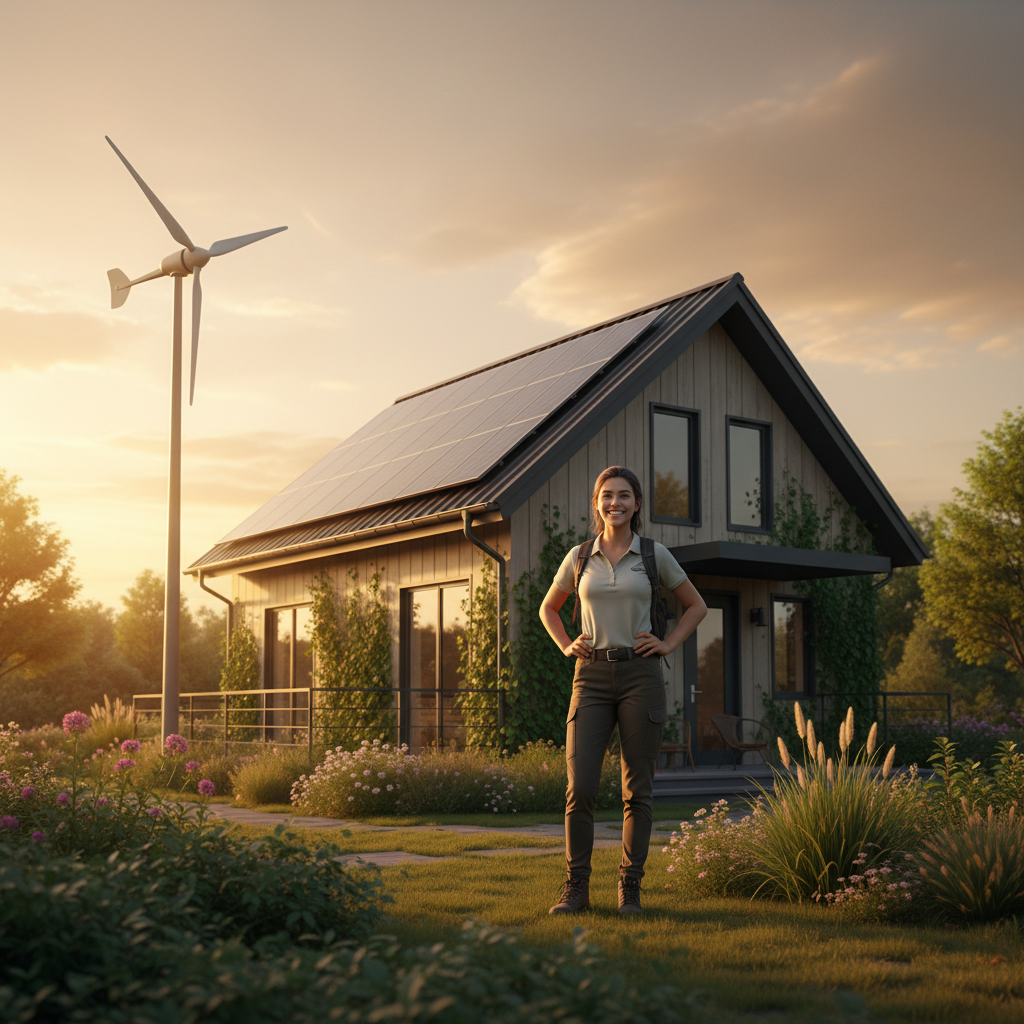
Here’s what gets me excited about renewable energy: we’re living through a complete transformation of how we power our world. And it’s happening faster than most people realize. Solar panels are getting smarter and cheaper every year. Wind turbines are floating on oceans we never thought possible to harness. Even geothermal and bioenergy are having their moment. What really blows my mind? The costs keep dropping while efficiency keeps climbing. Clean energy isn’t just for the wealthy anymore—it’s becoming the smart financial choice for everyone.
But here’s where it gets really interesting. Smart grids powered by AI and IoT aren’t just fancy tech buzzwords—they’re actually solving real problems. Think of them as the brain that figures out when your neighborhood needs more power and where to get it from. Pretty cool, right?
Now, let’s talk benefits. The environmental wins are obvious—less carbon in the air, smaller footprint on our planet. But the economic side? That’s where things get exciting. We’re talking about entire new industries, millions of jobs, and energy bills that don’t make you wince every month.
Of course, it’s not all smooth sailing. Intermittency is still a headache (the sun doesn’t always shine, the wind doesn’t always blow). We need better materials and infrastructure that can keep up. Plus, policy makers sometimes move slower than we’d like. But here’s the thing—every challenge is being tackled by brilliant minds around the world. The momentum is building, and it’s unstoppable.
So what can you actually do with all this information? Start by staying on top of what’s coming. Check out the latest technology trends in 2025 to see how AI, IoT, and green tech are reshaping energy. Want to see how this plays out in real cities? Dive into technology for smart cities and discover how IoT and AI are making urban areas smarter and more sustainable. For the bigger picture on AI’s role in energy optimization, explore technology and artificial intelligence. And if you want to see how all these pieces fit together across industries, green technology innovations shows you the full scope of what’s happening.
Look, adopting these technologies isn’t just about having the latest gadgets. It’s about being part of something bigger—a movement toward energy independence, economic strength, and a planet our kids can actually enjoy. Every innovation brings us closer to that goal. Stay curious, keep learning, and support the initiatives that matter. Your choices today help determine whether this sustainable energy revolution reaches its full potential. And trust me, you want to be on the right side of this transformation.
Frequently Asked Questions
-
What are the most common types of renewable energy technology?
- Solar, wind, hydropower, geothermal, and bioenergy technologies are the most common types.
-
How does energy storage improve renewable energy use?
- Storage allows energy to be saved when production exceeds demand and used during low production, increasing reliability.
-
What challenges does renewable energy technology face?
- Intermittency, infrastructure limitations, and material supply issues are key challenges.
-
How can I implement renewable energy technology at home or business?
- Assess your energy needs, consult professionals, and explore government incentives to adopt suitable solutions.
-
What is the future outlook for technology in renewable energy?
- Continuous innovation promises greater efficiency, lower costs, and broader adoption worldwide.