Table of Contents
Introduction
Picture this: a world where your morning coffee is brewed with sunshine, your evening Netflix binge runs on wind power, and your electric car charges from energy that literally falls from the sky. Sounds like science fiction? It’s happening right now. Climate change isn’t slowing down, but neither is our ability to fight back with some seriously impressive technology.
Here’s what’s exciting—renewable energy isn’t just about being “green” anymore. It’s about being smart, efficient, and (believe it or not) cheaper than the old ways of doing things. We’re talking about solar panels that work better than ever, wind turbines that are basically engineering marvels, and batteries that can store enough power to keep entire neighborhoods running. If you want to understand how deep this rabbit hole goes, check out technology in renewable energy advancements for the full picture. And for those of you wondering how AI fits into all this (spoiler: it’s everywhere), technology and artificial intelligence transformations shows how digital innovation is turbocharging green energy solutions.
The pace of change is honestly mind-blowing. Solar power used to be that expensive thing only eco-warriors could afford. Now? Your neighbor probably has panels on their roof, and they’re saving money every month. Wind farms are popping up offshore with turbines so sophisticated they practically think for themselves—monitoring weather patterns, adjusting blade angles, maximizing every gust. These aren’t isolated technologies either. They’re all connected through smart grids and backed up by batteries that would make Tesla jealous. Want to see how this all connects to the bigger picture? Smart city technology gives you a peek at how entire cities are becoming energy-smart.
But this isn’t just about cool gadgets and impressive engineering. Every solar panel installed and every wind turbine spinning means less pollution in our air and fewer greenhouse gases heating up our planet. The economic impact? Huge. We’re talking about entirely new industries, millions of jobs, and countries becoming energy independent. (No more worrying about what happens when oil prices spike, anyone?) If you’re curious about the broader sustainability picture, green technology innovations transforming our future explores how technology is helping us become better stewards of our planet. Understanding these connections gives you the complete story of our sustainable energy future.
What You’ll Learn in This Guide
We’re going to break down exactly how technology is revolutionizing renewable energy—and why it matters for everyone, not just tree-huggers and tech enthusiasts. You’ll walk away understanding the big innovations and the real-world impact they’re having.
- Major Technologies Overview: We’ll explore the heavy hitters—solar power, wind energy, and those game-changing storage solutions. You’ll understand not just how they work, but why they’re completely reshaping how we think about energy.
- Benefits of Advanced Technology: Here’s where it gets interesting—how these innovations are making renewable energy more efficient, cheaper, and better for everyone involved. We’ll cover the economic wins and environmental benefits that make this transition a no-brainer.
- Challenges and Limitations: Let’s be honest—it’s not all sunshine and rainbows (pun intended). We’ll tackle the real obstacles: funding issues, red tape, technical hurdles, and how smart people are working to solve them.
- Future Trends and Innovations: Get ready for what’s coming next. AI-powered energy systems, materials that sound like they’re from the future, and smart grids that make today’s technology look primitive.
In the next sections, we’ll dig deep into each of these topics. You’ll get practical insights and expert perspectives on how these innovations are influencing everything from government policy to your monthly electric bill. Think of it as your crash course in the energy revolution that’s happening right now. Before we jump in, take a look at technology in renewable energy innovations to set the stage for everything we’re about to explore.
By the time you finish this guide, you’ll have a solid grasp of why renewable energy technology is such a big deal and how it’s shaping our future. Whether you’re someone who cares about the environment, a student trying to understand where the world is heading, or a professional looking to stay informed, this knowledge will help you make sense of the biggest energy transformation in human history.
Ready to explore how cutting-edge technology isn’t just powering our renewable energy future—but making it inevitable? Let’s go.

Here’s something pretty exciting happening right now: technology is completely transforming how we harness renewable energy. And I mean completely. We’re not just talking about incremental improvements—we’re seeing breakthrough innovations that are making clean power cheaper, more reliable, and accessible to people everywhere. With climate change breathing down our necks, these advances couldn’t come at a better time. But here’s what’s really cool: it’s not just about generating more energy. We’re revolutionizing how we store it, how we manage it through smart grids, and how we integrate it seamlessly into our daily lives. Let’s dive into the technologies that are reshaping our energy future and explore why these changes matter so much for our planet, our wallets, and our energy security.
Major Technologies Powering Renewable Energy Innovations
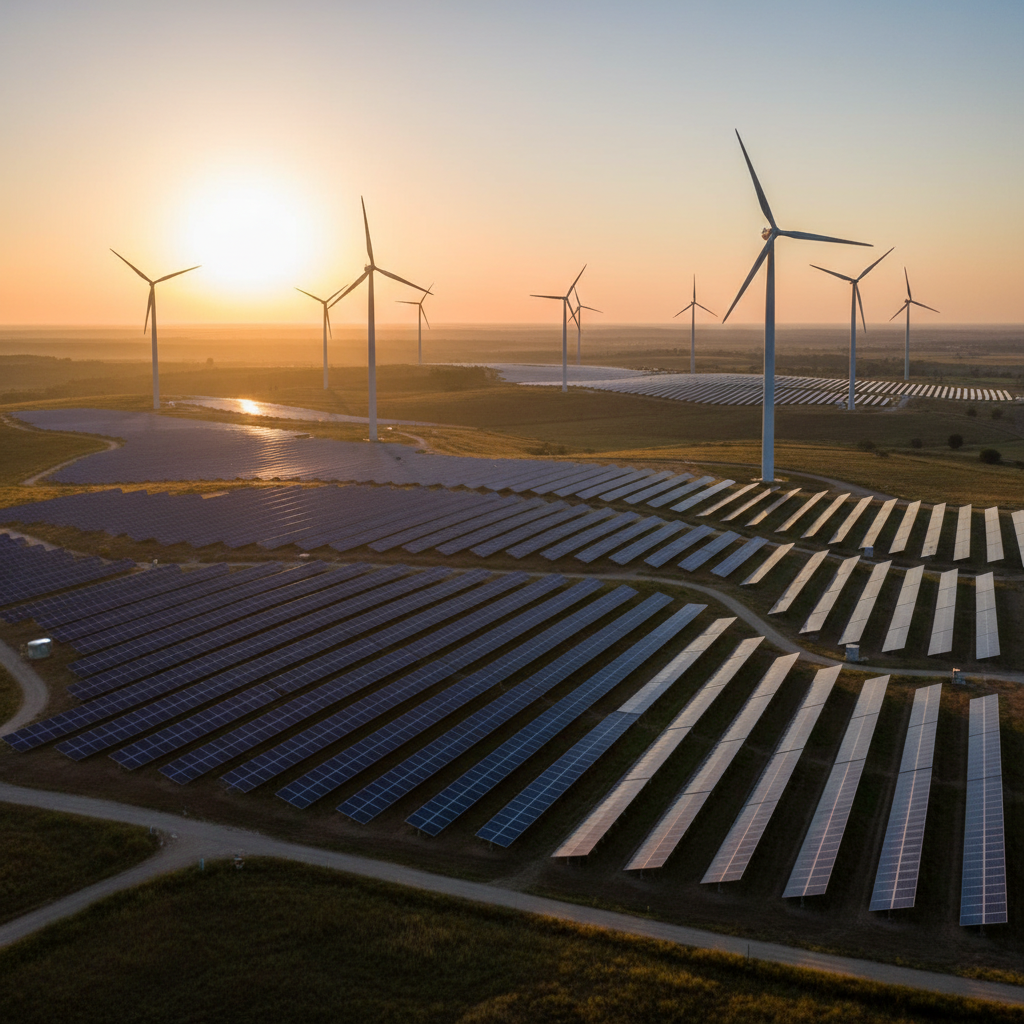
Think renewable energy is just about slapping some solar panels on a roof? Think again. The tech behind clean energy has evolved into something that would make science fiction writers jealous. Take solar power—we’ve moved way beyond those basic photovoltaic cells your neighbor installed five years ago. Now we’re talking solar thermal systems and concentrated solar power setups that can squeeze every last drop of energy from sunlight. These aren’t just incremental upgrades; they’re game-changers that make solar energy viable even when the sun isn’t blazing.
Wind energy? Same story. Engineers have cracked the code on blade design, creating turbines with lighter, stronger materials that can capture wind more efficiently than ever before. And get this—modern wind farms use sophisticated monitoring systems that can predict when a turbine needs maintenance before it actually breaks down. Pretty smart, right? This tech works both onshore and offshore, pushing the boundaries of what’s possible when it comes to harvesting wind power.
But here’s where things get really interesting: energy storage. You know how the sun doesn’t shine at night and the wind doesn’t always blow? That used to be renewable energy’s biggest headache. Not anymore. Lithium-ion batteries have gotten incredibly good at storing massive amounts of energy for longer periods. Flow batteries are opening up even more possibilities. And hydrogen storage? That’s like having a backup plan for your backup plan. Smart grids tie it all together, managing energy flow so efficiently it’s almost like having a super-intelligent energy assistant running the show 24/7. Want to dig deeper into these innovations? Check out how technology innovations in renewable energy drive efficiency and reduce costs and how technology optimizes supply chains crucial for renewable systems.
Key Aspects of Renewable Energy Technologies
So what makes these technologies tick? Let’s break down the key players that are reshaping how we think about clean energy:
- Solar Power Advancements: We’re combining photovoltaic cells with solar thermal and concentrated solar power to create energy systems that work even when conditions aren’t perfect. These setups use advanced materials and clever designs to capture solar radiation efficiently, regardless of weather patterns. Understanding these solar technologies gives you a real appreciation for how far we’ve come.
- Wind Power Innovations: Modern turbine blades are engineering marvels—lighter, stronger, and designed with real-time monitoring that can predict problems before they happen. This means less downtime and more power generation, whether we’re talking about onshore wind farms or those massive offshore installations you see on the horizon.
- Energy Storage Solutions: This is where the magic happens. Advanced battery systems, hydrogen storage, and smart grid integration work together to solve renewable energy’s biggest challenge: what to do when the sun doesn’t shine or the wind doesn’t blow. These technologies balance supply and demand like a perfectly choreographed dance.
- Grid Integration and Smart Management: Picture a grid that thinks for itself. Advanced monitoring systems, control technologies, and data analytics optimize energy flow in real-time. Smart grids don’t just move electricity around—they reduce waste, prevent outages, and even let consumers become part of the energy equation through demand response programs.
Now that you’ve seen the tech behind the renewable revolution, let’s talk about why it matters. Because these innovations aren’t just cool gadgets—they’re delivering real benefits that touch everything from the air we breathe to the money in our pockets.
Benefits of Advanced Technology in Renewable Energy
Here’s where renewable technology gets really exciting—the benefits go way beyond just generating clean electricity. Let’s start with the obvious one: our planet is getting a serious break. These advanced renewable systems slash greenhouse gas emissions compared to burning fossil fuels. We’re talking about a real, measurable impact on climate change. But it’s not just about carbon—renewable tech also means cleaner air, less water pollution, and smaller environmental footprints overall. Your lungs (and your kids’ lungs) will thank you.
The economic story is just as compelling. Remember when solar panels cost a fortune? Those days are long gone. Technology has driven costs down so dramatically that renewable energy is often the cheapest option available. Period. This shift is creating jobs like crazy—from the engineers designing these systems to the technicians installing and maintaining them. We’re building entire industries around clean energy, and that means economic opportunity for communities everywhere. For a broader perspective on the economic benefits, take a look at business sustainability strategies and practical tips on ways to save money on energy-related costs.
Key Advantages Enabled by Renewable Technologies
Let’s get specific about what these technological advances actually deliver:
- Environmental Impact Reduction: Advanced renewable tech doesn’t just reduce carbon emissions—it dramatically cuts them. We’re seeing cleaner air and water as communities move away from fossil fuels. The health benefits alone make this transition worth it, not to mention what it means for protecting ecosystems and biodiversity.
- Economic Growth and Job Creation: The green economy is booming, creating opportunities in research, manufacturing, installation, and maintenance. This isn’t just about environmental good—it’s about building a stronger, more resilient economy that can weather future challenges while supporting innovation and growth.
- Energy Reliability and Grid Stability: Smart grids and advanced storage systems have solved the reliability question that used to plague renewables. These technologies manage energy loads so effectively that they actually make our power grid more stable and resilient than traditional systems. Blackouts? They’re becoming increasingly rare.
- Energy Independence and Resilience: Here’s something that should appeal to everyone: reducing our dependence on imported fuels. Renewable technology with distributed generation and smart controls makes our energy system more resilient against natural disasters, cyber threats, and geopolitical disruptions. It’s energy security in the truest sense.
The renewable energy revolution isn’t just changing how we generate power—it’s reshaping energy policy and market strategies worldwide. And honestly? We’re just getting started. The innovations we’re seeing today are setting the stage for even more dramatic advances tomorrow. Sure, challenges remain, but the potential is absolutely enormous.

Here’s what’s really exciting about renewable energy right now—technology is changing everything. We’re talking about solar panels that work better than ever, wind turbines that actually make sense economically, and battery storage that’s finally getting good enough to matter. Those old problems with solar and wind? You know, the whole “what happens when the sun doesn’t shine” issue? Smart engineers are solving that with lithium-ion batteries and even hydrogen storage that actually works.
And here’s the cool part: artificial intelligence is making our power grids smarter. These systems can predict when you’ll need more electricity and adjust automatically. It’s like having a really smart assistant managing your entire energy supply.
The benefits go way beyond just clean energy (though that’s huge). We’re talking about real jobs—engineers, technicians, manufacturing workers—all building this new economy. Your electricity becomes more reliable, your country becomes less dependent on energy imports, and oh yeah, we’re actually fighting climate change in a meaningful way. Sure, the upfront costs can be steep, and getting through all the red tape isn’t fun. But we’re making progress.
Want to dive deeper? Start by checking out how technology and artificial intelligence are revolutionizing how we manage energy—it’s fascinating stuff. Then take a look at technology in supply chain management to understand how we actually get all this green tech where it needs to go. If you’re curious about the bigger picture, technology for smart cities shows how entire cities are becoming clean energy hubs. And for the environmental angle that ties it all together, green technology innovations transforming our future breaks down exactly why this stuff matters so much.
Bottom line? You’re living through an energy revolution. Whether you’re studying this stuff, working in the field, making policy decisions, or just trying to understand what’s happening in the world—staying informed gives you real power to make a difference. The future really is looking brighter, and it’s powered by some pretty amazing innovations. Why not take the next step and explore what’s possible?
Frequently Asked Questions
-
What are the main types of renewable energy technologies?
- Solar, wind, hydro, and energy storage technologies are key types used today.
-
How does technology improve renewable energy efficiency?
- Advancements like better materials, smart grids, and storage solutions boost performance and reliability.
-
What challenges does renewable energy technology face?
- Issues include intermittency, high costs, and regulatory hurdles.
-
Can renewable energy provide reliable power all the time?
- Energy storage and grid management technologies help mitigate intermittency for consistent power supply.
-
When should I consult a renewable energy professional?
- If you’re considering installation, upgrades, or facing technical issues, expert guidance is recommended.