Table of Contents
Introduction
Picture this: you walk through your front door, and your house already knows you’re home. The lights adjust to that perfect evening glow, the temperature is exactly how you like it, and your security system quietly arms itself behind you. Sounds like something out of a sci-fi movie? Well, it’s happening right now in homes across the world. Smart home technology has moved way beyond the “cool gadget” phase—it’s becoming the new normal for how we live.
Here’s what’s really exciting about this shift. We’re not just talking about fancy toys for tech enthusiasts anymore. These systems are solving real problems that every homeowner faces: keeping your family safe, cutting down those painful energy bills, and making daily life just… easier. And when you look at the latest technology trends of 2025, you’ll see we’re just scratching the surface. AI and connected devices are reshaping how our homes work at a pace that’s honestly pretty mind-blowing.
But here’s where it gets really interesting. Today’s smart homes don’t just follow commands—they learn. Your house starts to figure out your patterns, anticipates what you need, and even helps save the planet while it’s at it. Think about edge computing (stay with me here)—it’s basically like giving your home a really smart brain that processes information super fast, right there in your house. No waiting for signals to bounce around the internet. This means when you tell your smart lock to open, it happens instantly. Pretty crucial when you’re juggling groceries and trying to get inside before it starts raining. Getting familiar with technology and artificial intelligence really helps you understand how all these pieces work together to make your life better.
And let’s talk about something that hits close to home for many of us: those monthly utility bills. Smart homes are getting incredibly good at managing energy, especially when you throw renewable energy into the mix. Solar panels talking to smart thermostats, batteries that know when to store power and when to use it—your house becomes this efficient little ecosystem that saves you money while helping the environment. The innovations happening in renewable energy technology are making it easier than ever for homeowners to go green without breaking the bank. Now, I’d be doing you a disservice if I didn’t mention the elephant in the room: security. When everything’s connected to the internet, you need to think about digital security just like you would physical security. That’s why understanding cybersecurity risk assessment tools isn’t just for IT professionals anymore—it’s for anyone who wants to keep their smart home actually secure.
What You’ll Learn in This Guide
This guide is going to walk you through everything you need to know about smart home technology—whether you’re just curious about what’s possible or you’re ready to transform your entire house. We’ll cover the good, the challenging, and the downright exciting stuff that’s coming next. Here’s what we’re diving into:
- Essential Smart Home Technologies: We’ll break down the core systems like home automation, security devices, and energy management tools that make smart homes tick. You’ll understand not just what they do, but how they work together to create something that’s honestly pretty magical.
- Benefits of Smart Home Technology: Beyond the obvious cool factor, we’ll explore how these systems deliver real value—better security, lower energy bills, and that wonderful feeling of having your home just work the way you want it to.
- Challenges and Risks: Let’s be honest about the downsides. Privacy concerns, security vulnerabilities, compatibility headaches—we’ll tackle these head-on and give you practical ways to handle them.
- Future Trends and Innovations: What’s coming next? AI that’s even smarter, devices that play nicer together, and sustainability solutions that’ll make your utility company very sad (in a good way).
Throughout this guide, you’ll get practical advice you can actually use, whether you’re planning your first smart device purchase or designing a whole-home system. We’ll also touch on how smart home tech connects to broader trends like technology for smart cities—because the innovations happening in urban planning often find their way into our homes faster than you might think.
We’re also going to get practical about the nuts and bolts stuff. Should you DIY your smart home setup or call in the pros? How do you keep everything running smoothly once it’s installed? And probably most importantly—how do you protect your privacy and security when your house is connected to the internet?
By the time you’re done reading, you’ll have a clear picture of how smart home technology can fit into your life, what to watch out for, and how to make choices that’ll serve you well for years to come. Ready to see how technology can make your home not just smarter, but actually more livable? Let’s get started.
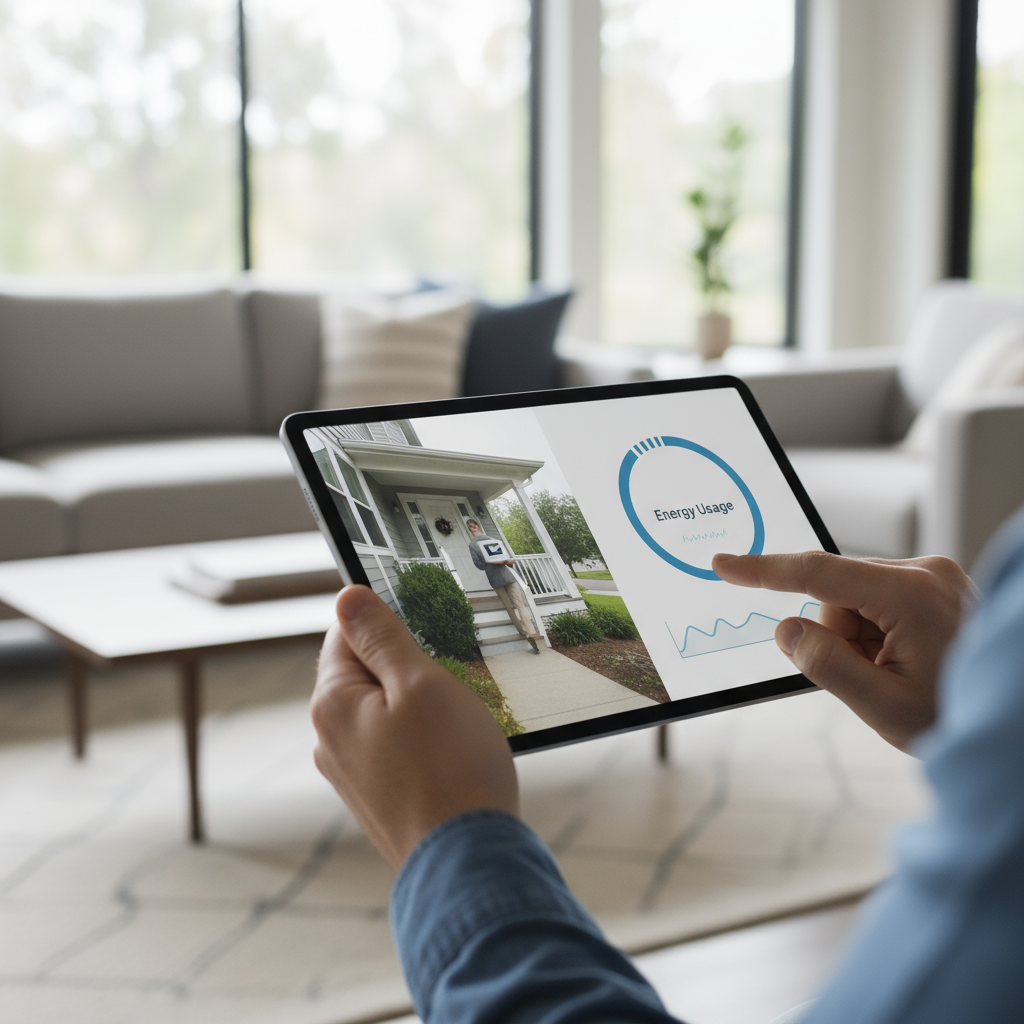
Picture this: you’re driving home after a long day, and with just a few taps on your phone, your house lights up, the temperature adjusts to perfect comfort, and your favorite playlist starts playing. This isn’t science fiction anymore—it’s Tuesday. Smart homes have quietly revolutionized how we live, making our daily routines smoother, our energy bills smaller, and our security stronger. But here’s what’s really exciting: we’re just getting started. The technology that powers these intelligent homes is evolving fast, bringing together everything from voice-controlled lighting to AI-powered energy management. Whether you’re curious about dipping your toes into smart home tech or ready to transform your entire living space, understanding these core technologies will help you make smart choices that actually improve your life.
Key Technologies Driving Smart Home Innovation
So what makes a home “smart” anyway? It’s all about getting different technologies to work together like a well-orchestrated team. At the heart of it all are home automation systems—think of them as the conductor of your home’s digital orchestra. These systems let you control lights, adjust temperature, and manage appliances through interfaces that actually make sense (finally!). Voice assistants like Alexa and Google Home have become the friendly faces of this technology, letting you dim the lights or crank up the heat without lifting a finger.
But smart homes aren’t just about convenience—they’re about peace of mind too. Security technology has come a long way from basic alarm systems. We’re talking smart locks that know when you’re approaching, security cameras you can check from anywhere, and motion sensors that can tell the difference between your cat and an actual intruder. (Your cat will appreciate not setting off false alarms at 3 AM.)
Here’s where things get really interesting: energy management. Smart thermostats learn your schedule and preferences, automatically adjusting temperature when you’re away and getting things just right before you return. Automated lighting systems dim or brighten based on natural light and whether anyone’s actually in the room. The result? Lower energy bills and a smaller carbon footprint—without you having to think about it. If you want to see how these technologies fit into the bigger picture of urban innovation, check out the role of smart city and home technologies and how they’re reshaping entire communities.
Key Aspects of Smart Home Technologies
Let’s break down the essential building blocks that make smart homes tick:
- Home Automation Systems: These are your command centers, giving you centralized control over lighting, climate, and entertainment. Smart assistants like Amazon Alexa and Google Home make it simple—just ask them to adjust anything, and they’ll handle it. No more fumbling for light switches in the dark.
- Security and Surveillance: Think layers of protection that work together. Smart locks, video doorbells, security cameras, and motion detectors create a security net that not only keeps intruders out but lets you monitor everything remotely. Get instant alerts and see what’s happening at home, whether you’re at the office or on vacation.
- Energy Management: Smart thermostats and automated lighting are like having an energy-conscious roommate who never forgets to turn off the lights. They learn your patterns and adjust automatically, helping slash your electricity bills while reducing your environmental impact.
- Connectivity and Integration: This is the invisible magic that makes everything work together. Strong Wi-Fi networks and Internet of Things (IoT) standards ensure your devices can actually communicate with each other. When everything talks the same language, you get that seamless smart home experience you’re after.
The best part? These technologies keep getting smarter. Your home gradually learns your habits and preferences, becoming more intuitive over time. It’s like having a house that actually pays attention to how you live and adapts accordingly.
Benefits and Implementation Strategies for Smart Home Technology
Alright, let’s talk real benefits—the stuff that actually matters in your day-to-day life. Convenience is huge. Imagine controlling your entire home environment from your couch (or your car, or your office). No more getting up to adjust the thermostat or wondering if you left the lights on. But the financial benefits might surprise you. Smart energy management can seriously cut your utility bills by eliminating waste and optimizing usage automatically. We’re talking about real savings that add up month after month.
And then there’s security—probably the most compelling reason many people make the switch. Modern smart home security isn’t just about deterring burglars (though it does that well). It’s about knowing what’s happening at your home 24/7. Whether it’s checking if the kids got home safely or making sure you didn’t forget to lock the front door, that peace of mind is invaluable.
Now, let’s be honest about implementation. This isn’t necessarily a “set it and forget it” situation. You’ll need to think about your home’s network setup, decide how much automation you actually want, and plan for ongoing maintenance. Some folks love the DIY approach, while others prefer professional installation. Either way works—just make sure your devices can actually talk to each other and that your Wi-Fi can handle the load. For insights on how similar integration challenges are solved in other industries, take a look at technology applications in related sectors that prioritize security and seamless user experience.
Key Benefits and Best Practices
Here’s what you can realistically expect from smart home technology:
- Improved Convenience and Comfort: Your home starts working with you instead of against you. Lights adjust automatically, temperature stays perfect, and your appliances respond to your voice or schedule. It’s like having a personal assistant built into your house.
- Energy Efficiency and Cost Savings: Smart systems eliminate energy waste by learning when you’re home and adjusting accordingly. Monitor your usage patterns, identify energy hogs, and watch your utility bills shrink. Your wallet (and the planet) will thank you.
- Enhanced Security and Peace of Mind: Real-time monitoring means you always know what’s happening at home. Smart locks, motion sensors, and cameras work together to keep your family safe and give you instant alerts if anything seems off.
- Scalability and Future-Proofing: Start small and expand as needed. Most smart home platforms play well with new devices, so you can add features over time without starting from scratch. Your investment grows with your needs and the latest innovations.
The bottom line? Smart home technology isn’t just about having cool gadgets—it’s about creating a living space that works better for you. When everything’s properly integrated, you get a home that’s more comfortable, secure, and efficient than ever before. And honestly, once you experience the convenience of a truly smart home, it’s hard to imagine going back to manual light switches and programmable thermostats.
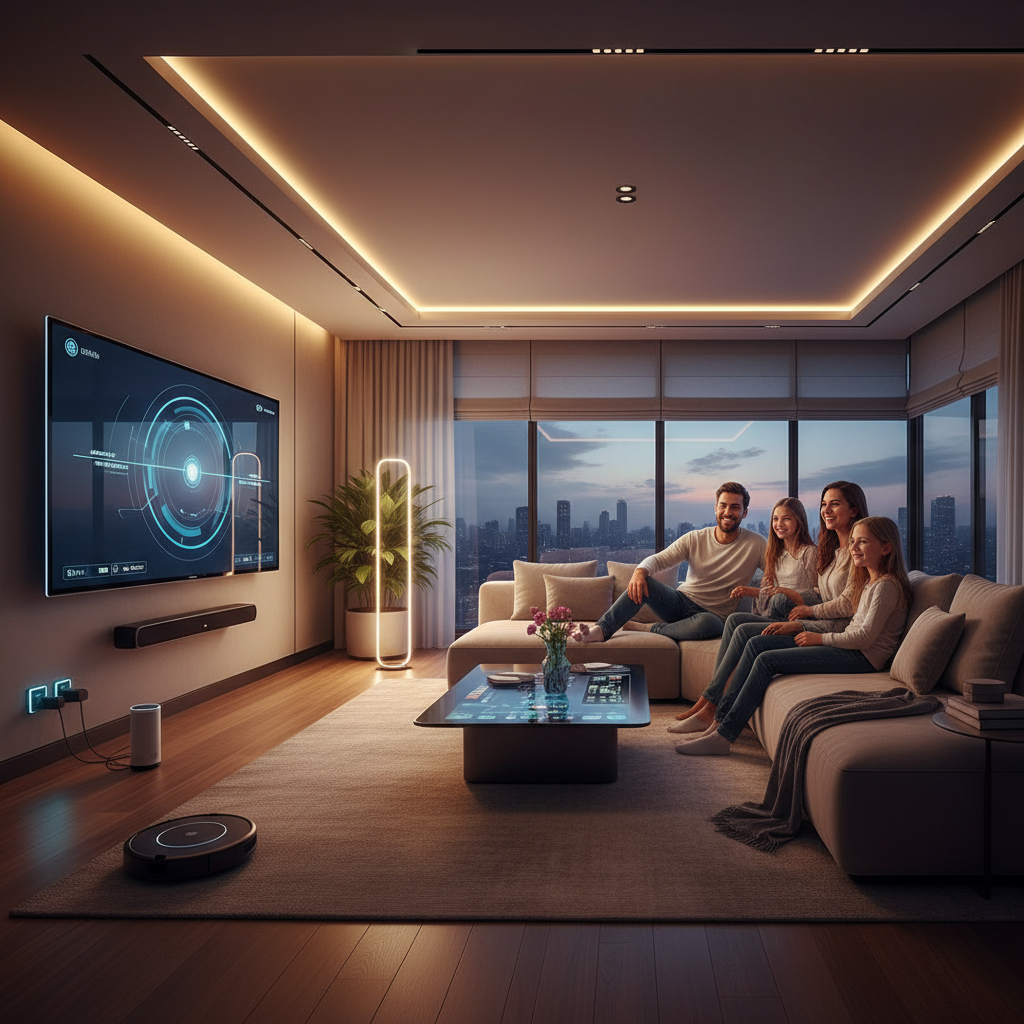
Smart home technology has come so far—and honestly, it’s pretty amazing what we can do now. Think about it: your house can actually learn your habits, save you money on energy bills, and keep you safer than ever before. We’ve looked at everything from voice assistants that actually understand you to smart locks that know when you’re coming home. These aren’t just cool gadgets anymore—they’re tools that make life genuinely easier and more comfortable.
But let’s be real here. Going smart isn’t all smooth sailing. You’ve got to think about privacy (because who wants their smart fridge gossiping about their midnight snack habits?), cybersecurity risks, and the occasional headache when devices don’t play nice together. The key is being smart about your smart home—choosing the right devices, keeping everything updated, and not rushing into every shiny new gadget. The good news? Technology keeps getting better, and the next wave of AI integration and energy solutions looks incredibly promising.
Here’s what it all comes down to: smart homes are changing how we live, period. More control over your space, better comfort, and real peace of mind. That’s not marketing speak—that’s what happens when you get the setup right. The technology keeps evolving, which means your smart home will only get smarter and more helpful over time.
Ready to dive deeper? Start by staying current with what’s coming next. Check out the latest technology trends 2025—you’ll find insights on AI, IoT, and green tech that directly impact smart homes. Want to understand how AI really works in your home? The guide on technology and artificial intelligence breaks down both the possibilities and the important ethical stuff you should know. And if you’re thinking about making your smart home more eco-friendly (which can save you serious cash), explore technology in renewable energy. Oh, and here’s something crucial—before you connect everything, make sure you’re protected. The cybersecurity risk assessment tools guide will help you spot and fix potential security holes.
Knowledge is your best friend when it comes to smart home tech. Whether you’re upgrading what you already have or starting from scratch, staying informed makes all the difference. You don’t want to be the person whose smart doorbell gets hacked because they skipped the security setup (trust me, it happens).
So where does this leave you? Smart home technology isn’t just about having the latest gadgets—it’s about creating a space that works for you, saves energy, and keeps you secure. Stay curious, keep learning (maybe grab some insights from the best technology podcasts), and remember: your smart home should make your life better, not more complicated. Take it one step at a time, focus on what actually matters to you, and enjoy watching your home become exactly what you need it to be.
Frequently Asked Questions
-
What is a smart home?
- A smart home is a residence equipped with technology that enables remote and automated control of devices such as lighting, thermostats, security systems, and appliances to enhance convenience, security, and energy efficiency.
-
Are smart home devices secure?
- Smart home devices offer enhanced security features, but they require proper setup, regular updates, and robust cybersecurity measures to protect against vulnerabilities and unauthorized access.
-
Can I install smart home technology myself?
- Many smart home devices are designed for user-friendly DIY installation; however, complex systems or integrations might benefit from professional installation to ensure optimal performance and security.
-
How does smart home technology save energy?
- By automating lighting, climate control, and monitoring energy usage, smart technology reduces unnecessary energy consumption, resulting in lower utility bills and a reduced environmental footprint.
-
What future trends should I expect in smart homes?
- Future trends include greater AI integration for predictive automation, improved interoperability among devices, adoption of sustainable energy solutions, and enhanced security protocols to protect user data and privacy.