
Table of Contents
- Introduction
- Key Technologies Driving Transformation in Construction
- Enhancing Efficiency and Safety with Construction Technology
- Frequently Asked Questions
- What are the most common technologies used in construction today?
- How does technology improve safety on construction sites?
- What are the biggest challenges to adopting new technology in construction?
- How can small construction companies benefit from technology?
- What future technologies should construction companies watch?
Introduction
Picture this: robotic arms working alongside construction crews, drones buzzing overhead to map every inch of terrain, and workers wearing AR glasses that let them see exactly how that new skyscraper will look—right down to the smallest detail. Sounds like something out of a movie, right? Well, it’s happening right now on construction sites around the world. And it’s completely changing everything we thought we knew about building.
Here’s the thing about construction technology—it’s moved way past just having better tools. We’re talking about a complete game-changer. Building Information Modeling (BIM), AI-powered analytics, smart sensors—these aren’t just fancy add-ons anymore. They’re solving real problems that have plagued the industry for decades. You know, those frustrating delays, budget overruns that make your head spin, and safety concerns that keep project managers up at night. Whether you’re working in construction or just curious about how our cities are evolving, understanding these changes matters. To see where all this innovation is heading, check out the latest technology trends 2025—it’s pretty mind-blowing stuff.
Now, let’s talk about artificial intelligence. This is where things get really interesting. AI isn’t just a buzzword in construction—it’s actually doing the heavy lifting when it comes to predicting problems before they happen, figuring out the best way to use resources, and helping teams make smarter decisions faster. Want to understand how deep this connection goes? Take a look at technology and artificial intelligence and you’ll see why construction projects are getting smarter by the day. The best part? AI is tackling those age-old construction headaches—reducing human error, spotting potential risks before they become disasters, and even handling inspections automatically. Your safety standards just got a major upgrade.
But wait—there’s more to this story. (And trust me, it gets even more exciting.) We’re not just talking about individual buildings here. Think bigger. Think smart cities where everything’s connected—IoT devices everywhere, infrastructure that monitors itself, and data flowing in real-time to keep everything running smoothly. This is where construction technology really shines, creating the foundation for tomorrow’s urban environments. If you want to see how this all fits together, dive into technology for smart cities. As cities grow (and they’re growing fast), we need construction methods that can keep up with sustainability goals and adapt to what urban areas actually need.
Here’s something most people don’t realize: all this amazing technology means nothing if construction companies can’t effectively tell their story. That’s where smart marketing comes in. Knowing how to do marketing for construction companies isn’t just nice to have—it’s essential for growth and showing clients why these technological advances matter to them. The same goes for architecture firms, who need to promote their tech-savvy approaches effectively. Check out strategies for marketing for architecture firms to see how the best companies are positioning themselves in this tech-driven landscape.
What You’ll Learn in This Guide
Ready to understand how technology is transforming construction? We’re going to break down the complex stuff into insights you can actually use, whether you’re a seasoned pro or just getting started.
- The Role of Modern Technologies: We’ll walk you through the key players—drones, BIM, AI, smart sensors—and show you exactly how they’re making projects better, faster, and safer.
- Benefits of Technology Adoption: You’ll discover the real wins: better efficiency, lower costs, improved safety, and sustainability that actually works. Plus, we’ll share some success stories that’ll blow your mind.
- Addressing Adoption Challenges: Let’s be honest—change is hard. We’ll tackle the common roadblocks like tight budgets and training challenges, and give you strategies to overcome the “but we’ve always done it this way” mindset.
- Future Trends and Insights: Get ready for what’s coming next. We’ll show you the innovations on the horizon so you can stay ahead of the curve and keep your competitive edge sharp.
What’s coming up next? We’re going to get into the nitty-gritty of specific technologies that are revolutionizing construction right now. You’ll see exactly how they work, what benefits they bring, and the real-world impact on efficiency and safety. This isn’t just about buying new equipment—we’re talking about changing the DNA of an entire industry. Understanding how these tools work with supply chain improvements and project management innovations gives you the full picture. Check out technology in supply chain management to see how it all connects.
And here’s something crucial: knowing about great technology is only half the battle. Construction businesses need to communicate these benefits effectively, turning innovations into strong client relationships and steady growth. We’ll explore how technology for customer service fits into this puzzle. You’ll get strategies that work in today’s digital economy, where construction companies need to stand out in a crowded, rapidly changing market.
By the time you finish this introduction, you’ll have a clear roadmap. You’ll understand what technology means for construction today and where it’s headed tomorrow. Here’s the reality: with innovation moving this fast, the companies that embrace, adapt, and lead with technology will be the ones calling the shots. The future belongs to those who aren’t afraid to evolve. Ready to see what’s possible? Let’s explore the technologies and strategies that are shaping construction’s exciting journey forward.
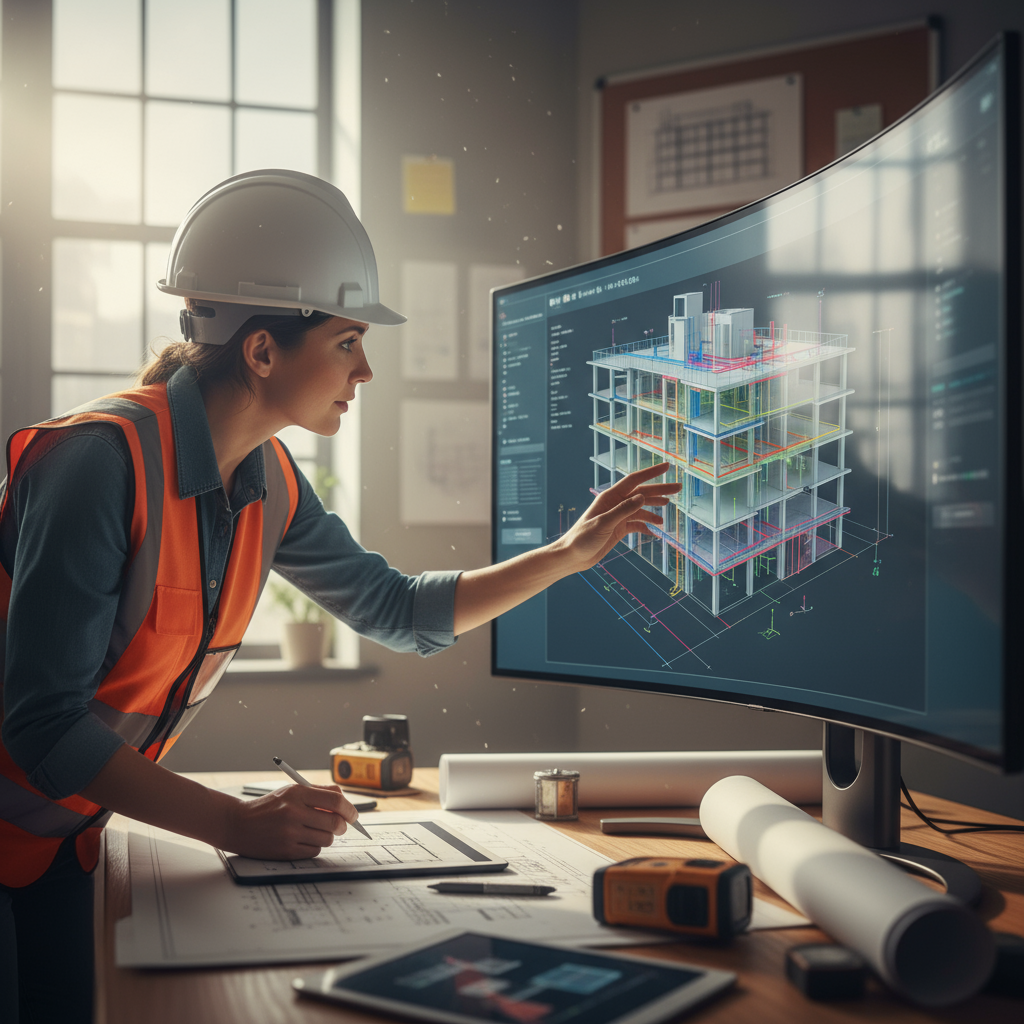
Technology is changing everything in construction. And I mean everything. What used to be an industry built on hard hats, blueprints, and gut instinct is now getting a serious tech makeover. We’re talking about tools that can survey a site in minutes instead of days, software that catches problems before they become expensive headaches, and AI that actually helps you make smarter decisions. If you’re in construction and haven’t started paying attention to this stuff, you’re already behind. Let’s walk through what’s happening and why it matters for your next project.
Key Technologies Driving Transformation in Construction
Three game-changers are leading the charge: drones, Building Information Modeling (BIM), and artificial intelligence. These aren’t just fancy toys—they’re tools that can make or break your project timeline and budget. Think about it: when was the last time you had perfect visibility into every corner of your job site? Or caught a design conflict before it cost you thousands in rework? That’s exactly what these technologies deliver. Want to see how this connects to bigger picture urban development? Check out how smart city technologies are shaping urban development—there’s a lot of overlap with what we’re doing on construction sites. And if you want to understand the AI piece better, technology and artificial intelligence basics will get you up to speed on what’s possible.
Here’s the thing about drones—they’ve completely changed how we survey sites. No more sending crews into sketchy areas or spending days mapping what a drone can capture in an hour. BIM is where things get really interesting though. Imagine having a crystal-clear 3D model of your entire project where architects, engineers, and contractors can spot problems before anyone picks up a hammer. And AI? It’s like having a super-smart project manager who never sleeps, constantly analyzing data to predict where your next problem might come from.
Critical Technological Innovations in Construction
Let’s break down what each of these technologies actually does for you:
- Drones and Aerial Imaging: These tools enable precise surveying and real-time site inspection, which help identify potential issues early and monitor site progress efficiently. Utilizing drones ensures safer environments by minimizing the need for personnel in dangerous areas.
- Building Information Modeling (BIM): BIM enhances project visualization and facilitates collaboration through shared models and detailed documentation. This minimizes errors and streamlines decision-making from design through to construction and maintenance phases.
- Artificial Intelligence and Machine Learning: AI helps in predictive analytics by analyzing historical and real-time data to forecast project risks and optimize workflows. Machine learning can automate repetitive tasks, improving productivity and allowing human resources to focus on higher-value activities.
- Integration of Technologies: The synergy between these technologies magnifies their benefits. For example, combining drone data with BIM models creates more accurate project representations, while AI can integrate data streams to support comprehensive risk management.
The best part? These technologies keep getting better. What works today will be even more powerful next year. Now, let’s talk about what this means for the two things that keep construction managers up at night: efficiency and safety.
Enhancing Efficiency and Safety with Construction Technology
Efficiency and safety—if you’ve been in construction for more than five minutes, you know these are everything. Technology is finally giving us real solutions instead of just more paperwork. We’re talking about systems that catch problems before they happen, tools that keep workers safer, and data that actually helps you make better decisions. Curious about how other industries are using tech to improve customer experience? The innovations in technology for customer service show similar approaches to responsiveness and automation. Plus, staying current with latest technology trends helps you see what’s coming next.
Safety tech has come a long way from hard hats and safety meetings. We’ve got sensors that monitor air quality, wearables that track worker fatigue, and AI systems that spot unsafe behavior before accidents happen. On the efficiency side, you’re looking at automated scheduling that actually works, supply chain management that prevents those “where’s our steel?” panic moments, and resource allocation that keeps your crews busy instead of waiting around. Companies using these tools consistently hit deadlines and budgets that seemed impossible just a few years ago.
Core Elements Improving Construction Outcomes
Here’s what’s making the biggest difference on actual job sites:
- Real-Time Monitoring and Analytics: Technologies provide instant access to project status, worker location, and equipment usage, facilitating timely adjustments and proactive problem-solving to avoid delays and ensure safety.
- Automated Scheduling and Resource Management: AI-driven tools optimize schedules by accounting for materials availability, workforce capacity, and site conditions, minimizing downtime and ensuring smooth workflow.
- Enhanced Safety Protocol Enforcement: Wearable devices and AI surveillance monitor compliance with safety standards, alerting supervisors about unsafe conditions or behavior, thereby reducing accidents.
- Data-Driven Decision Making: Access to comprehensive data enables project managers to make informed decisions quickly, supported by predictive insights that anticipate risks and resource needs before they become issues.

Here’s the reality: construction is changing faster than ever before. Drones, Building Information Modeling (BIM), artificial intelligence—these aren’t just fancy tech toys anymore. They’re game-changers that are completely reshaping how we plan, build, and manage projects. Gone are the days when everything ran on manual labor and stacks of paper. Today’s construction sites are smarter, safer, and way more efficient. And honestly? It’s about time we left those old headaches like constant delays and blown budgets in the past.
But the real magic happens when you dig into what these technologies actually do for your bottom line. Automated workflows don’t just sound cool—they save serious money. Real-time data means you can spot problems before they become disasters, and your crews stay safer thanks to wearables and smart monitoring systems. (Because let’s face it, nothing matters more than everyone going home safe each day.) Now, I won’t sugarcoat it—getting started isn’t always easy. You’ve got upfront costs to consider, teams to train, and yes, some folks who’d rather stick with “the way we’ve always done things.” But here’s the thing: working through these challenges isn’t just smart business—it’s essential if you want to stay competitive.
So what’s coming next? The future looks pretty incredible. AI is getting smarter by the day, and smart city projects are opening up opportunities we couldn’t have imagined just a few years ago. We’re not just talking about building faster or cheaper anymore—we’re talking about creating spaces that are truly sustainable and connected. If you’re serious about staying ahead of the curve, keeping up with these trends isn’t optional. It’s survival.
Want to dive deeper? I’ve got some resources that’ll help you connect the dots. Check out our overview of latest technology trends 2025 to see what’s coming down the pipeline. For the full story on how AI is changing everything from workflows to risk management, our guide on technology and artificial intelligence breaks it all down. And if supply chain headaches keep you up at night, you’ll want to read about technology in supply chain management. Plus, once you’re implementing all this cool tech, you’ll need to tell people about it—our guide on marketing for construction companies shows you how to position yourself as the forward-thinking leader you are.
Look, construction technology isn’t just changing how we build—it’s changing what’s possible. Every project becomes an opportunity to be more efficient, safer, and more sustainable. The companies that embrace this shift? They’re the ones who’ll be writing the success stories five years from now. Don’t just watch from the sidelines. Invest in learning, train your people, and start leveraging these tools today. The future is literally being built right now, and you get to decide whether you’re leading the charge or playing catch-up.
Frequently Asked Questions
-
What are the most common technologies used in construction today?
- You’ll see drones flying over job sites, BIM software planning every detail, AI making smart decisions, IoT sensors tracking everything, and robots handling dangerous tasks. These are the tools that are actually making a difference right now.
-
How does technology improve safety on construction sites?
- Think smart hard hats that monitor worker health, sensors that spot gas leaks or structural issues, and AI that can flag unsafe behaviors before accidents happen. It’s like having an extra safety manager watching everything 24/7.
-
What are the biggest challenges to adopting new technology in construction?
- Honestly? It comes down to three things: the upfront costs can be steep, your team needs time to learn new systems, and some people just don’t like change. But once you get past these hurdles, the payoff is huge.
-
How can small construction companies benefit from technology?
- Small companies actually have an advantage here—they can be more agile. Start with scalable solutions that fit your budget and grow with you. Even basic project management software or simple drone surveys can level the playing field against bigger competitors.
-
What future technologies should construction companies watch?
- Keep an eye on AI getting even smarter, robots that can handle more complex tasks, 3D printing for on-site construction, and materials that can literally heal themselves or change properties. The next decade is going to be wild.