Table of Contents
Introduction
Picture this: you’re sipping your morning coffee while your car smoothly navigates through rush hour traffic. No stress about merging lanes or that aggressive driver tailgating you. Sounds pretty amazing, right? Well, that future isn’t as far off as you might think. Self-driving cars are racing toward reality faster than most people realize, and they’re about to flip everything we know about getting around on its head.
These aren’t just regular cars with fancy cruise control—we’re talking about vehicles packed with some seriously impressive tech. Think artificial intelligence that can make split-second decisions, sensors that see better than human eyes, and data systems that process information faster than your brain ever could. Here’s what’s really exciting: these smart machines could slash the number of accidents on our roads. (Did you know that human error causes about 94% of serious traffic crashes? Yeah, we’re not as good at driving as we think we are.) If you want to understand more about technology and artificial intelligence, it really helps explain how we got to this incredible breakthrough. And when you see how technology’s role in various industries is evolving, you start to realize autonomous vehicles are just the beginning.
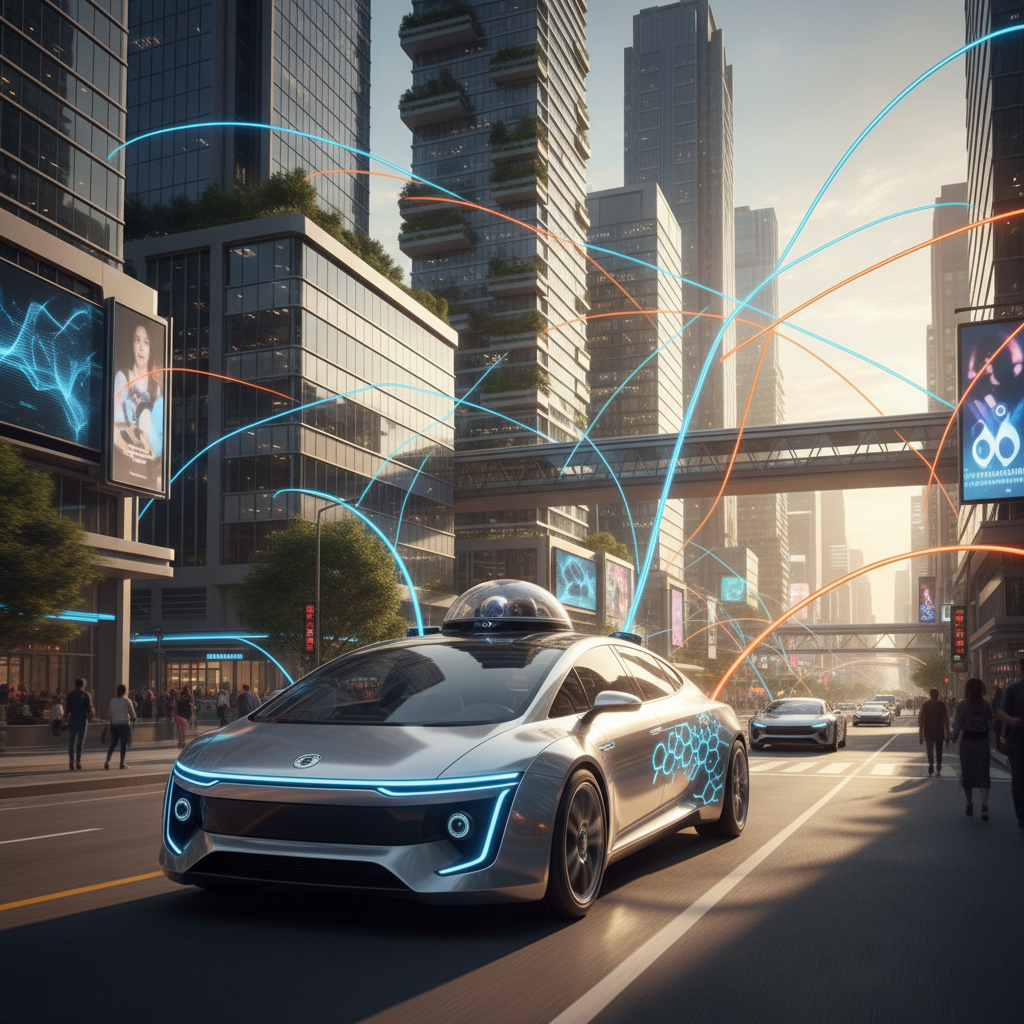
So what makes these cars so smart? It’s all about the hardware working together like a well-oiled team. Machine learning algorithms act like the brain, while LiDAR, radar, and cameras serve as incredibly sharp eyes and ears. But here’s where it gets really cool—cars can actually “talk” to each other through something called vehicle-to-everything (V2X) communication. Imagine your car chatting with traffic lights, warning other vehicles about that pothole ahead, or even letting pedestrians know it sees them crossing. The latest technology trends show us just how quickly these innovations are advancing, and honestly? It’s mind-blowing how close we are to this becoming everyday reality.
Now, let’s be real for a second. This isn’t going to be a smooth ride to autonomous paradise. We’ve got some serious speed bumps ahead—technical challenges that would make your head spin, cybersecurity concerns that keep engineers up at night, and ethical questions that don’t have easy answers. What happens when a self-driving car has to choose between hitting a tree or swerving into another lane? These aren’t just tech problems; they’re human problems that require careful thought and collaboration between innovators, regulators, and society. If you’re curious about how AI is tackling complex challenges in other areas, check out technology for customer service—it shows how these smart systems are already changing how we interact with the digital world.
What You’ll Learn in This Guide
Ready to dive into the fascinating world of self-driving cars? We’re going to break down everything you need to know about this game-changing technology and what it means for your daily life.
- Understanding Autonomous Vehicle Technology: Explore the core technologies that make self-driving cars possible, including artificial intelligence, sensing hardware, and communication systems.
- Benefits and Safety Implications: Learn how autonomous cars aim to reduce accidents, improve traffic flow, and increase accessibility for diverse populations.
- Challenges and Ethical Concerns: Delve into the technical difficulties, cybersecurity risks, and social dilemmas posed by widespread autonomous vehicle use.
- The Road to Widespread Adoption: Gain insights on the regulatory landscape, timeline projections, and how self-driving cars might reshape cities and economies.
Throughout this article, we’ll walk through the cutting-edge tech that’s making autonomous vehicles possible, explore why they could be a game-changer for road safety and the environment, tackle the tough challenges that still need solving, and look at how regulations and society might need to adapt. By the end, you’ll have a solid grasp on where this technology is headed and how it might impact your world. And if you’re interested in the bigger picture of sustainable innovation, take a look at technology in renewable energy—there’s a whole ecosystem of green tech innovations working together to create a cleaner, smarter future.
Whether you’re a tech lover who gets excited about the latest gadgets, a policy maker trying to stay ahead of the curve, or just someone who’s tired of dealing with traffic jams and parking headaches, this guide has something for you. The future of transportation is unfolding right now, and understanding what’s coming will help you make sense of the changes ahead.
So buckle up (while you still need to) as we explore these incredible innovations and what they mean for safety, society, and the economy. The road to autonomous driving is full of both amazing possibilities and real challenges—and knowing what to expect will help you get ready for a transportation revolution that’s smarter, safer, and more connected than anything we’ve seen before.

We’ve covered the basics of self-driving car technology, but now things get really interesting. The innovations happening right now? They’re absolutely mind-blowing. We’re talking about smart machines that can think, see, and react faster than any human driver ever could. But here’s the thing—it’s not just about cool tech. These advances are reshaping how we think about transportation, city planning, and even our economy. So let’s dig into what’s actually powering these incredible machines and explore both the amazing possibilities and the very real challenges ahead. Trust me, once you see how all these pieces fit together, you’ll understand why everyone’s talking about the revolution that’s coming.
Advancements in Self-Driving Car Technology
Right now, we’re witnessing some seriously impressive breakthroughs in self-driving car tech. Three main areas are leading the charge: artificial intelligence, sensor technology, and vehicle communication systems. Think of AI and machine learning as the brain of these cars—they process massive amounts of data in real-time and make split-second decisions. But here’s what’s wild: they do it with a precision that puts human drivers to shame.
Now, what about the senses? That’s where LiDAR, radar, and high-definition cameras come in. These aren’t just fancy gadgets—they’re the eyes and ears that help cars “see” everything around them with incredible accuracy. And then there’s vehicle-to-everything (V2X) communication. Picture this: your car chatting with traffic lights, other vehicles, and road infrastructure to stay one step ahead of traffic jams and potential hazards. Pretty amazing, right? If you want to see how these innovations fit into the bigger picture of emerging tech, check out the latest technology trends 2025—the connections between autonomous systems and other cutting-edge developments are fascinating.
Here’s where things get a bit more complex. The automotive industry uses something called SAE levels to classify how autonomous a vehicle really is. We’re talking about a scale from 0 (basically a regular car) to 5 (full robo-taxi mode). Most prototypes today are pushing through Levels 3 and 4, where cars can handle most driving tasks but might still need a human to jump in occasionally. The holy grail? Level 5 autonomy, where you could literally take a nap during your commute.
But getting there isn’t simple. These cars need to navigate chaotic city streets, handle snowstorms and downpours, and never, ever fail when it matters most. And don’t even get me started on cybersecurity—when your car is basically a computer on wheels, keeping hackers out becomes crucial. The challenges go beyond just technical stuff, too. Questions about AI ethics and privacy are shaping how this technology develops, much like the broader issues we see in artificial intelligence privacy concerns.
Key Aspects of Advancements in Self-Driving Technology
Let’s break down what’s really driving these advancements forward:
- Artificial Intelligence and Machine Learning: This is the brain power behind everything—helping cars perceive their environment, analyze countless scenarios, and respond intelligently while constantly learning to get better and safer.
- Sensor Fusion Technologies: By combining data from LiDAR, radar, and cameras, cars get a crystal-clear picture of what’s happening around them, allowing them to navigate safely and spot potential problems before they become disasters.
- Connectivity and V2X Communication: This lets vehicles have conversations with traffic signals, other cars, and road infrastructure, creating a coordinated dance that makes traffic flow smoother and safer for everyone.
- Levels of Autonomy and Regulatory Progress: Understanding these SAE levels is key because each one brings its own technical challenges and legal hurdles that need to be cleared before we see widespread adoption.
The real magic happens when all these technologies work together seamlessly. But getting from prototype to your driveway? That’s where the rubber meets the road (literally). Now that we’ve explored the tech foundation, let’s talk about why this matters so much—the incredible benefits these innovations could bring to all of us.
Benefits of Self-Driving Cars: Safety, Environment, and Economy
Okay, let’s talk about why self-driving cars aren’t just a cool novelty—they could genuinely change our lives for the better. Safety comes first, and the numbers here are staggering. Human error causes about 94% of serious traffic crashes. Think about that for a second. These autonomous vehicles can react faster than you can blink, maintain perfect following distances, and predict dangerous situations before they happen. The AI-powered systems don’t get tired, distracted, or make poor judgment calls after a long day. Want to understand more about how AI is revolutionizing safety and decision-making? Take a look at the benefits of artificial intelligence—it really puts the accident prevention capabilities into perspective.
But safety’s just the beginning. These cars are also environmental game-changers. When autonomous systems optimize driving patterns, reduce stop-and-go traffic, and maintain ideal speeds, fuel efficiency goes through the roof. Less fuel burned means fewer emissions—it’s a win-win for your wallet and the planet. The connection between smart transportation and green technology is pretty remarkable, and it ties into broader sustainability trends you can explore in technology in renewable energy.
From an economic standpoint, we’re looking at massive cost savings. Fewer accidents mean lower insurance premiums, reduced medical costs, and less property damage. Plus, think about the productivity boost when your commute becomes work time or relaxation time instead of white-knuckling it through traffic. And for people who can’t drive due to age, disability, or other factors? This technology opens up a whole new world of independence and mobility.
Key Benefits of Self-Driving Cars
Here’s what makes autonomous vehicles such a big deal for all of us:
- Reduction in Human Error Accidents: Without the risks of distracted, drowsy, or impaired driving, we could see crash rates plummet and roads become dramatically safer for everyone.
- Improved Hazard Detection and Response: Advanced AI can spot pedestrians, obstacles, and unexpected situations faster than any human driver, taking preventive action before accidents happen.
- Enhanced Fuel Efficiency and Reduced Emissions: Smart routing and smooth, steady driving eliminate wasteful acceleration and braking, cutting both fuel costs and pollution.
- Lower Transportation Costs and Increased Productivity: Over time, insurance costs should drop significantly, and passengers can use travel time productively instead of focusing on driving—turning commutes into opportunities.
These benefits paint a pretty compelling picture, don’t they? But let’s be honest—getting there won’t be without its challenges. Understanding both the promise and the obstacles helps us see the full picture of where autonomous vehicles are headed and what it’ll take to get there.

Here’s the thing about self-driving cars—they’re going to change everything about how we get around. And I mean everything. At the heart of this shift? Some seriously impressive tech: artificial intelligence, machine learning, and sensor systems that can read the road better than most humans. These cars don’t just drive themselves; they’re constantly learning, adapting, and making split-second decisions that could save lives. We’re talking about fewer accidents (since let’s face it, humans make mistakes), better fuel efficiency, and—here’s what gets me excited—transportation that’s finally accessible to everyone, including people who can’t drive traditional cars.
But let’s be real for a minute. This isn’t going to be a smooth ride to the future. (Pun intended.) We’ve got regulatory red tape that’s still catching up, cybersecurity issues that keep engineers up at night, and some pretty heavy ethical questions about privacy and decision-making algorithms. Plus, what happens to all the truck drivers and taxi drivers? These aren’t small problems—they’re the kind of challenges that require serious thought and careful planning. Understanding both the incredible potential and these very real hurdles gives you a complete picture of where we’re headed.
And here’s where it gets really interesting. Self-driving cars aren’t just about transportation—they’re reshaping entire cities. Think about it: when cars can park themselves in remote lots, we don’t need massive parking structures downtown. When traffic flows more efficiently, we can redesign streets for people instead of just vehicles. The ripple effects touch everything from how delivery companies operate to how cities plan their infrastructure. It’s going to take all of us—tech folks, government officials, and regular people like you and me—working together to make this transition work for everyone.
Want to dig deeper into the tech that makes this all possible? Start with the latest technology trends of 2025—you’ll see how AI, IoT, and green tech are all coming together to power these vehicles. Then check out technology for smart cities to understand how cars will actually “talk” to traffic lights and road infrastructure. The environmental angle? That’s covered in our piece on technology in renewable energy—because cleaner transportation is a huge part of this story. And if you really want to understand the brains behind these machines, our guide on the future of artificial intelligence breaks down the AI developments and ethical considerations that are shaping this whole revolution.
So where does this leave you? With a solid understanding of what’s coming and why it matters. The transportation world is changing whether we’re ready or not, but staying informed means you can be part of the conversation instead of just watching from the sidelines. This isn’t just about cooler cars—it’s about safer roads, cleaner air, and transportation that works for everyone. The future is being built right now, and your voice in these discussions matters. Because when autonomous vehicles finally hit the mainstream, we want to make sure they’re serving all of us, not just the tech companies building them.
Frequently Asked Questions
-
How soon will self-driving cars be common on roads?
- Experts estimate gradual increase over the next decade with some cities seeing earlier adoption.
-
Are self-driving cars safe?
- They have the potential to reduce accidents caused by human error but still face technological challenges.
-
Will self-driving cars replace human drivers?
- Partial replacement is expected, especially for commercial and ride-sharing services; full replacement may take longer.
-
What are the main challenges for self-driving cars?
- Technical limitations, regulatory hurdles, and societal acceptance remain key challenges.
-
How will self-driving cars impact jobs?
- There will be shifts in job markets, with reductions in some driving jobs and growth in tech and related fields.