The 1980s represent a golden era of technological innovation that continues to captivate modern consumers. From the iconic Sony Walkman to the revolutionary Commodore 64, these devices defined an entire generation’s relationship with technology. Today, we’re witnessing an unexpected renaissance of retro gadgets, with manufacturers and consumers alike embracing the aesthetic and functionality of 1980s tech. This nostalgic movement isn’t merely about aesthetics—it reflects a deeper cultural shift toward simpler, more tactile computing experiences in our increasingly digital world.
What makes this retro revival particularly fascinating is its intersection with contemporary design philosophy and technological capability. Modern makers are reimagining classic 1980s devices with updated components, sustainable materials, and improved performance while maintaining the distinctive visual language that made these gadgets so memorable. Whether it’s vintage-inspired portable music players, mechanical keyboards with retro keycaps, or restored gaming consoles, the market has responded enthusiastically to this trend. Understanding this comeback requires examining both the nostalgia factor and the genuine practical advantages that 1980s design principles offer in today’s tech landscape.
The Nostalgia Factor: Why We Love Retro Tech
Nostalgia serves as a powerful motivator in consumer purchasing decisions, particularly within the technology sector. The 1980s represented a unique moment in history when personal computing was transitioning from corporate environments to home users. This democratization of technology created deeply personal memories for millions of people who grew up interacting with these devices during formative years. The chunky plastic bodies, mechanical switches, and tangible feedback of 1980s gadgets provided a sensory experience that modern touch screens simply cannot replicate.
The psychological appeal of retro technology extends beyond mere sentimentality. In an era dominated by sleek minimalism and invisible interfaces, consumers increasingly crave devices that feel substantial and intentional. The bold color choices and distinctive industrial design of 1980s gadgets represent an alternative to the homogenized aesthetic of contemporary tech. Additionally, there’s a philosophical appeal to devices designed with longevity in mind—when planned obsolescence wasn’t yet the industry standard. This combination of emotional connection and practical appreciation creates a compelling case for retro gadgets in modern consumer culture.
Research from The Verge has documented the growing market for retro electronics, noting that millennial and Gen-Z consumers are driving demand for devices that evoke their childhoods or represent a romanticized version of pre-digital simplicity. The phenomenon isn’t limited to personal nostalgia either—younger consumers who never experienced the 1980s are equally enthusiastic, drawn to the aesthetic and the promise of distraction-free computing.
Iconic 1980s Gadgets That Defined a Generation
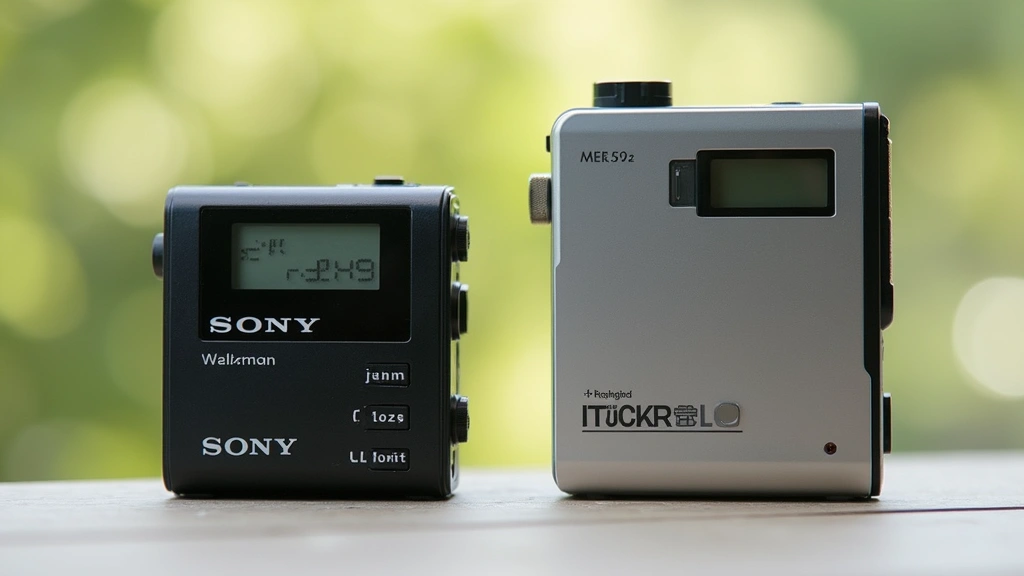
The 1980s produced some of the most transformative consumer electronics ever created. The Sony Walkman, introduced in 1979 and perfected throughout the 1980s, fundamentally changed how people consumed media by enabling portable music for the first time. This device wasn’t merely a technical achievement—it was a cultural phenomenon that spawned countless imitators and established the template for portable audio devices that persists today. The Walkman demonstrated that consumers valued portability and personal listening experiences enough to sacrifice audio quality and storage capacity.
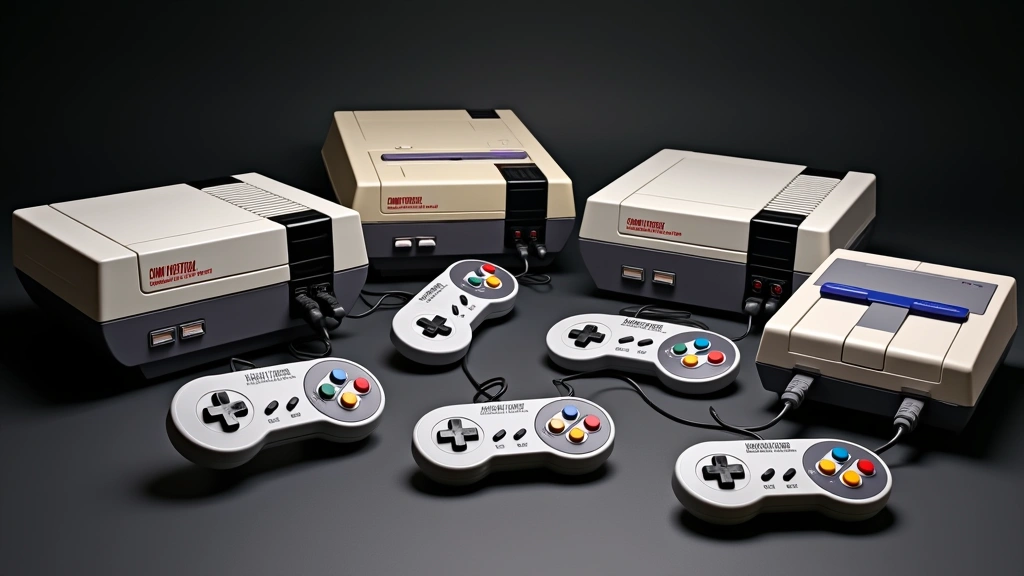
The home video game console market exploded during the 1980s, with the Nintendo Entertainment System (NES) rescuing the industry from near-collapse following the 1983 crash. The NES introduced revolutionary games like Super Mario Bros., The Legend of Zelda, and Metroid that defined video game design principles still used today. The distinctive gray controller with its cross-shaped D-pad became iconic, influencing virtually every game controller design that followed. Similarly, the Commodore 64 and Atari computers democratized computing, bringing powerful machines into home environments at affordable prices.
Other defining gadgets included the Sony Discman, which brought CD technology to portable audio; the early cellular phones like the Motorola DynaTAC, which established the concept of mobile communication; and the TI-83 graphing calculator, which became an educational staple. The evolution of technology and artificial intelligence can be traced through these foundational devices. Each represented a leap forward in functionality while maintaining design principles rooted in mechanical engineering and industrial design.
Modern Recreations and Reissues
Manufacturers have recognized the market opportunity presented by retro nostalgia, leading to numerous reissues and modern recreations of classic 1980s gadgets. Nintendo’s re-release of the NES Classic Edition and SNES Classic Edition proved phenomenally successful, selling millions of units despite initial production shortages. These devices maintain the aesthetic of the original hardware while incorporating modern connectivity, digital game libraries, and improved display compatibility. The critical and commercial success of these releases demonstrated that there was substantial demand for retro gaming experiences packaged in familiar form factors.
Sony has similarly capitalized on nostalgia with the PlayStation Classic, featuring thirty-five games from the original PlayStation library. While this device received more mixed reviews than Nintendo’s offerings, it nevertheless validated the market for retro console gaming. Beyond official reissues, companies like CNET has extensively covered third-party manufacturers creating new devices inspired by 1980s classics. The Analogue Pocket, for instance, represents a modern take on the Game Boy, featuring a high-resolution screen and modern connectivity while maintaining the portable gaming philosophy of the original.
These modern recreations face significant design challenges. Developers must balance authenticity with functionality, deciding which original limitations to preserve for aesthetic reasons and which to modernize for practical utility. The Teenage Engineering OP-1 synthesizer, while not a direct 1980s recreation, draws heavily from that era’s synthesizer design philosophy and has become beloved by contemporary musicians for its tactile interface and distinctive sound. Learning from how modern computing devices balance performance with design provides insights into creating successful retro products.
Mechanical Keyboards and Input Devices
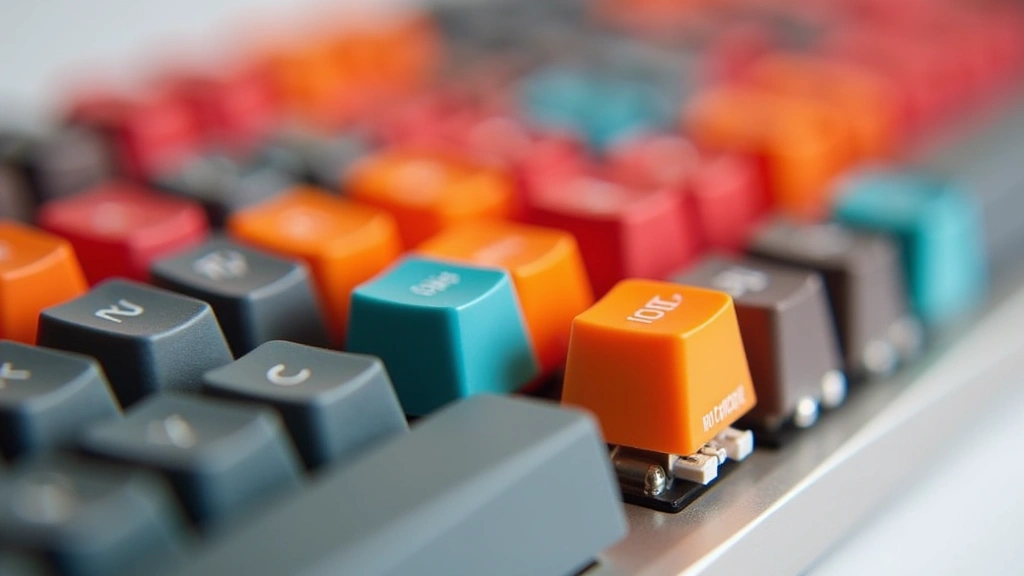
Perhaps the most visible manifestation of the retro technology revival is the explosive growth of the mechanical keyboard market. The 1980s were dominated by mechanical switches—primarily Cherry MX switches and their clones—before rubber dome and scissor switches gradually replaced them in the 1990s and 2000s. Today’s mechanical keyboard renaissance represents a wholesale rejection of modern laptop-style typing experiences in favor of the tactile, auditory feedback that mechanical switches provide. Enthusiasts argue that mechanical keyboards offer superior typing experience, increased durability, and superior ergonomics compared to contemporary flat-panel keyboards.
The customization culture surrounding mechanical keyboards mirrors the maker ethos of the 1980s computing scene. Users can select from hundreds of keycap designs, switch types, and housing materials to create personalized keyboards reflecting their aesthetic preferences. Many designs explicitly evoke 1980s aesthetics—beige colorways reminiscent of vintage computers, typewriter-inspired key profiles, and layouts based on classic keyboards like the IBM Model M. Companies like Ducky, Corsair, and Keychron have built substantial businesses around mechanical keyboards, with premium models commanding prices exceeding $300.
Beyond keyboards, retro input devices have experienced renewed interest. Trackballs, largely abandoned in favor of touchpads and mice, have resurged in popularity among users seeking ergonomic alternatives and enjoying their distinctive tactile interface. Joysticks designed for retro gaming have become increasingly sophisticated, with companies creating precision analog sticks that capture the feel of classic arcade controls. This input device revolution reflects broader dissatisfaction with minimalist contemporary design and recognition that different input methods serve different purposes more effectively than universal touchscreen solutions.
Retro Gaming Consoles Making Headlines
The retro gaming market has evolved far beyond simple emulation boxes and official reissues. Enthusiasts and manufacturers have created increasingly sophisticated devices that honor the original gaming experience while leveraging modern technology. The Evercade console, developed by Blaze Entertainment, offers a unique approach by using cartridges containing licensed games from multiple publishers, creating a modern cartridge-based system that evokes the physicality of 1980s gaming while supporting contemporary convenience features.
Custom modding communities have transformed retro gaming by installing modern components into original hardware shells. Modders install modern displays, wireless controllers, and expanded storage into classic consoles, creating hybrid devices that preserve aesthetic authenticity while dramatically improving functionality. The Raspberry Pi community has particularly excelled at creating affordable retro gaming solutions, with enthusiasts building custom arcade cabinets and handheld emulation devices. These projects represent a democratization of technology modification, allowing users to customize their devices rather than accepting manufacturer limitations.
Gaming-focused YouTube channels and streaming services have documented the retro gaming renaissance extensively, with content creators exploring original hardware, reviewing reissues, and discussing the design philosophies that made 1980s games so compelling. This media attention has introduced younger audiences to classic gaming, creating genuine interest independent of nostalgia. The success of indie games deliberately evoking 1980s aesthetics—such as Shovel Knight or Celeste—demonstrates that retro design principles possess inherent appeal beyond nostalgic audiences.
Portable Audio: The Walkman Legacy
The portable audio market represents another area where 1980s technology continues exerting significant influence. While the iPod and smartphone streaming services fundamentally changed music consumption, a dedicated market for dedicated portable audio devices has emerged. High-fidelity portable audio players from companies like Astell&Kern and Sony offer premium music playback experiences, targeting audiophiles willing to pay premium prices for superior sound quality. These devices often incorporate retro design elements—physical buttons, mechanical wheels, and substantial form factors—that deliberately contrast with smartphone minimalism.
The resurgence of vinyl records, while technically 1970s technology, reflects similar nostalgia for physical media and tangible music consumption experiences. Turntables have evolved dramatically, with companies producing modern record players that combine vintage aesthetics with contemporary engineering. The tactile experience of selecting records, placing needles, and listening to albums without interruption appeals to consumers fatigued by algorithmic playlist recommendations and attention-fragmenting notification systems. Our technology blog has documented this trend extensively, noting how physical media consumption provides psychological benefits beyond audio quality.
Cassette tapes, once considered obsolete, have experienced surprising resurgence among independent musicians and audio enthusiasts. Bandcamp reports increasing cassette sales, with musicians appreciating the format’s warmth and the physicality of tape-based recording. Modern cassette players, including vintage restored units and new production models inspired by 1980s designs, have developed a cult following. The Walkman specifically has been reimagined by Sony through the Walkman NW-A series, which combines retro design language with modern high-resolution audio capabilities and wireless connectivity.
Design Philosophy: Form Meets Function
The 1980s design philosophy prioritized visible mechanical components, bold color choices, and substantial physical presence—a dramatic contrast to contemporary minimalist aesthetics. Industrial designers like Dieter Rams influenced the era with principles emphasizing honesty in design, where form directly reflected function and mechanical components were celebrated rather than hidden. This philosophy created devices that communicated their purpose through appearance, allowing users to understand functionality through visual inspection.
Modern designers revisiting 1980s principles recognize that this approach offers genuine advantages beyond nostalgia. Visible mechanical components facilitate user understanding and repair—qualities increasingly valued as consumers grow frustrated with disposable electronics and planned obsolescence. The right-to-repair movement and solutions for improving device longevity align closely with 1980s design philosophies emphasizing durability and user serviceability. Framework’s modular laptop design, for instance, deliberately evokes 1980s computer aesthetics while addressing contemporary concerns about e-waste and device repairability.
The psychological impact of tactile, substantial devices shouldn’t be underestimated in our increasingly digital world. Physical feedback from mechanical switches, satisfying button presses, and auditory responses create engagement that touchscreen interfaces struggle to replicate. Designers creating new retro-inspired devices recognize that these sensory experiences enhance user satisfaction and reduce the mental fatigue associated with abstract digital interfaces. This represents not backward thinking but rather sophisticated recognition that different interaction paradigms serve different purposes and contexts.
Sustainability and Longevity
Beyond aesthetic and functional considerations, 1980s technology appeals to environmentally conscious consumers due to durability and longevity. Devices designed during this era were engineered for repair and component replacement—qualities that modern planned obsolescence has largely eliminated. A well-maintained Commodore 64 or Atari 2600 from the 1980s remains fully functional today, whereas most contemporary electronics become unusable within five to seven years due to software incompatibility or hardware degradation.
The environmental impact of electronic waste has become impossible to ignore, with millions of tons of discarded electronics creating pollution and resource depletion. Retro gadgets, whether original devices or modern recreations built to similar durability standards, represent a sustainability-conscious alternative to the disposable electronics paradigm. Companies designing retro-inspired devices increasingly emphasize repairability, modular construction, and use of sustainable materials. This aligns with broader consumer interest in sustainable technology, as documented by CNET’s extensive coverage of eco-friendly electronics.
The circular economy implications of retro gadgets extend beyond individual purchase decisions. When manufacturers produce devices designed for longevity, they reduce the frequency of replacement cycles and associated manufacturing environmental costs. Additionally, the robust secondary market for retro devices—both originals and modern recreations—enables devices to remain in use longer rather than entering waste streams prematurely. This economic model stands in stark contrast to contemporary tech industry practices optimizing for rapid upgrade cycles and maximum replacement frequency.
Manufacturers are increasingly recognizing that sustainability represents a genuine competitive advantage rather than merely a marketing angle. The Verge has reported extensively on tech companies adopting right-to-repair principles, modular design, and extended support timelines. These approaches reflect 1980s design philosophy while addressing contemporary environmental imperatives. Companies like Framework and Fairphone deliberately market durability and repairability as core product features, attracting consumers who view device longevity as moral imperative rather than mere economic efficiency.
FAQ
Why are 1980s gadgets experiencing a comeback?
The resurgence reflects multiple factors: nostalgia among consumers who grew up during the era, dissatisfaction with minimalist contemporary design, appreciation for tactile mechanical interfaces, environmental concerns about planned obsolescence, and genuine recognition that 1980s design principles addressed problems that remain relevant today. Additionally, younger consumers appreciate the aesthetic independent of nostalgic connection, drawn to the bold, distinctive visual language and promise of distraction-free computing experiences.
Are retro gadgets actually better than modern alternatives?
“Better” depends on specific use cases and personal preferences. Retro devices often excel at durability, repairability, and user customization while typically offering fewer features and lower processing power than contemporary equivalents. Mechanical keyboards provide superior tactile feedback compared to modern laptop keyboards, while retro gaming consoles offer authentic experiences unavailable through modern platforms. However, modern devices generally offer superior connectivity, display quality, and software ecosystems. The optimal choice depends on individual priorities and use contexts.
Should I buy original 1980s gadgets or modern recreations?
Original 1980s devices offer authentic experiences and increasing collector value but may require maintenance and repair expertise. Modern recreations provide improved reliability, contemporary convenience features, and warranty support while maintaining aesthetic appeal. Budget considerations matter significantly—original vintage equipment can command premium prices, while modern recreations generally cost less. For casual interest, modern recreations offer better value; for serious collectors or those seeking authentic experiences, original devices may justify investment.
What makes 1980s design different from contemporary minimalism?
1980s design celebrated visible mechanical components, bold colors, and substantial physical presence, reflecting engineering-focused philosophy where form followed function. Contemporary minimalism prioritizes visual simplicity, often hiding mechanical components and emphasizing slim profiles. 1980s design communicates functionality through appearance, while minimalism prioritizes aesthetic purity potentially at expense of user understanding. Each approach offers distinct advantages—1980s design facilitates user understanding and repair, while minimalism achieves elegant simplicity and portability.
Are retro gadgets environmentally friendly?
Retro gadgets, particularly those designed for durability and repairability, offer environmental advantages compared to planned-obsolescence electronics. Original 1980s devices remaining functional decades later represent remarkable sustainability achievements. Modern retro-inspired devices designed with similar durability principles similarly reduce environmental impact by extending device lifespans and reducing replacement frequency. However, manufacturing any new device carries environmental costs, making device longevity and repair prioritization more important than purchase decisions alone.
Which retro gadgets offer the best value for money?
Mechanical keyboards represent excellent value, offering superior typing experience and customization potential at reasonable prices. Modern console reissues like Nintendo’s NES Classic provide substantial entertainment value relative to cost. Understanding technology value propositions helps identify which retro products justify investment. Portable audio devices and gaming consoles generally offer better value than attempting to restore original 1980s equipment, which often requires expensive repairs and specialized knowledge.


