Top Smart Home Devices? Expert Picks for 2025
The smart home revolution has transformed from a futuristic concept into an accessible reality for everyday homeowners. Whether you’re looking to enhance security, optimize energy efficiency, or simply enjoy the convenience of voice-controlled automation, the market offers unprecedented choice. Our expert analysis covers the most compelling smart home devices that deliver genuine value without overwhelming complexity.
Building an intelligent home ecosystem requires careful consideration of compatibility, reliability, and practical benefits. We’ve tested dozens of leading products to identify those that truly enhance daily living. From advanced security systems to intelligent climate control, these picks represent the intersection of innovation and dependability that modern homeowners deserve.
Smart Displays and Hubs: The Command Center
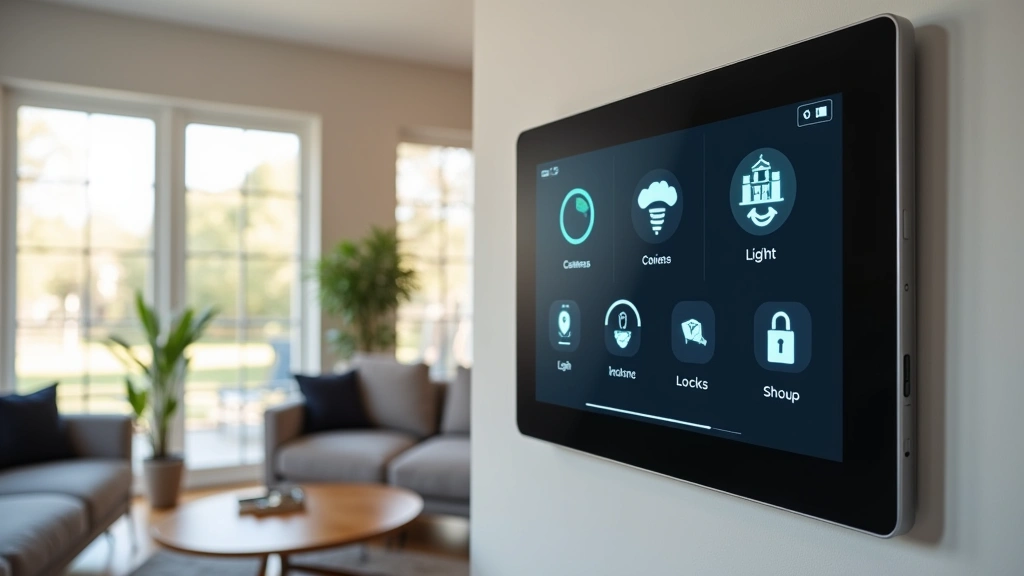
Smart displays serve as the visual interface for your entire home automation system. Unlike voice-only assistants, these devices provide touchscreen access to cameras, calendars, recipes, and entertainment. The best options combine powerful processors with responsive displays and reliable connectivity.
Amazon Echo Show 15 stands out as the premium choice for households seeking a comprehensive hub experience. The 15.6-inch display delivers exceptional clarity for video calls and streaming content. Its ambient mode transforms the screen into a digital canvas displaying photos, weather, and calendar information when inactive. Integration with AI and smart home technology ensures seamless control over compatible devices throughout your residence.
For budget-conscious consumers, the Google Nest Hub Max offers remarkable versatility. Its 10-inch touchscreen provides crisp video call capabilities, while gesture recognition enables hands-free control. The device excels at managing smart home routines and provides superior integration with Google ecosystem products. According to The Verge’s smart home coverage, this hub represents the best value proposition in its category.
The Apple HomePod mini appeals to iOS-centric users prioritizing privacy and ecosystem integration. While smaller than competitors, its acoustic performance and Thread support make it invaluable for expanding your smart home network. Thread creates a mesh network that strengthens connectivity across all compatible devices in your home.
Security and Monitoring: Protecting Your Investment
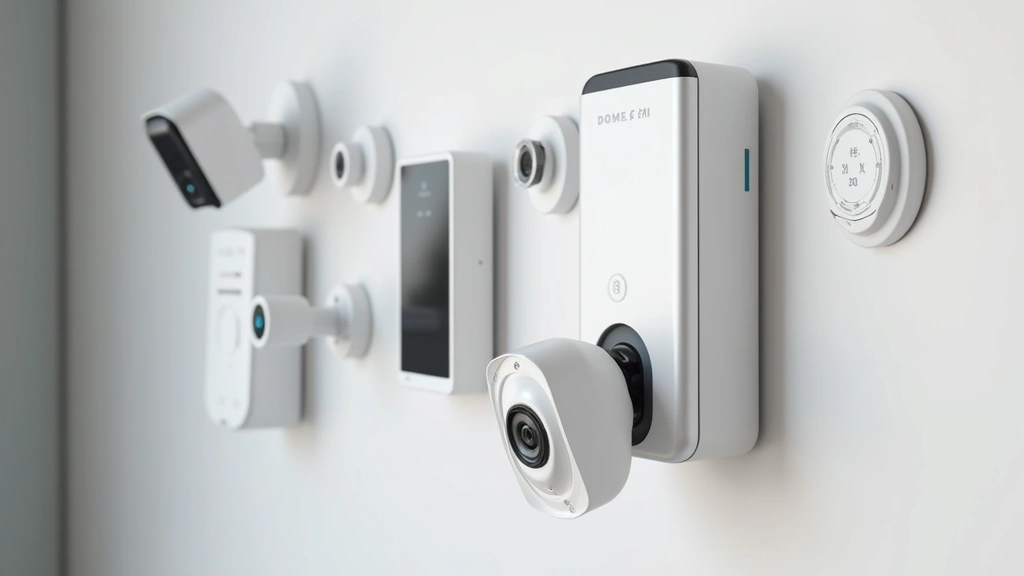
Modern smart security systems combine video surveillance, access control, and real-time alerts into cohesive platforms. These devices provide peace of mind whether you’re home or traveling internationally.
Ring Alarm Pro represents the comprehensive security solution for most households. This system integrates door and window sensors, motion detectors, and a professional monitoring option. The 24/7 professional monitoring service activates automatically if an alarm triggers, dispatching emergency services when needed. The battery-backup ensures continued operation during power outages—a critical feature during emergencies.
Video doorbell technology has evolved dramatically. The Logitech Circle View Doorbell captures crystal-clear 1080p footage with advanced motion detection. Its integration with smart home automation systems allows automatic notifications when specific motion patterns occur. Package detection distinguishes between familiar faces and delivery personnel, reducing false alerts.
For comprehensive video surveillance, the Wyze Cam v3 delivers exceptional value. Its 1080p resolution, night vision capability, and weatherproof construction enable reliable outdoor monitoring. Cloud storage integration provides accessible footage archives, while local storage options protect your privacy. CNET’s security device reviews consistently praise this model’s performance-to-price ratio.
” alt=”Collection of modern smart home security cameras and doorbell devices mounted on white wall with professional lighting”>
Climate Control Solutions: Comfort Meets Efficiency
Smart thermostats represent one of the highest-ROI investments in home automation. These devices learn your preferences, adjust schedules automatically, and provide detailed energy consumption analytics.
Ecobee SmartThermostat with Voice Control combines temperature management with voice assistant functionality. The device includes remote sensors that monitor temperature in multiple rooms, ensuring consistent comfort throughout your home. Its geofencing capability detects when family members leave and return, automatically adjusting settings to reduce energy waste. Integration with cloud services enables remote access from anywhere globally.
The Nest Learning Thermostat pioneered the concept of intelligent temperature management. Its algorithms analyze your behavior patterns and automatically optimize schedules. The device displays outdoor weather conditions and adapts settings accordingly. Energy reports provide transparent insights into consumption trends, helping identify opportunities for further efficiency improvements.
Smart radiator valves like the Tado° Smart Radiator Thermostat offer granular control in homes with individual room heating. These devices attach to radiators and adjust water flow independently. Geofencing ensures heating activates before residents arrive home, eliminating cold environments while minimizing wasted energy.
Intelligent Lighting: Ambiance and Automation
Smart lighting systems extend far beyond simple on-off switching. Modern options provide color customization, scheduling, and energy monitoring capabilities that enhance both functionality and aesthetics.
Philips Hue dominates the premium lighting segment. These bulbs produce 16 million colors and support advanced scheduling through intuitive mobile applications. The system integrates with major voice assistants and enables scene creation for different activities—energizing morning lighting, focused work illumination, and relaxing evening ambiance. The Verge’s smart lighting analysis highlights Hue’s superior ecosystem and reliability.
For budget-conscious installations, LIFX A19 smart bulbs eliminate the requirement for separate hubs. These Wi-Fi-enabled bulbs connect directly to your network, simplifying setup and reducing hardware costs. They offer comparable color ranges and scheduling functionality to premium alternatives while maintaining affordability.
The Nanoleaf Essentials system creates dynamic lighting experiences through interconnected modular panels. These triangular light units synchronize with music, movies, and gaming content. Their HomeKit integration ensures seamless control through Apple ecosystem devices. Professional installers often recommend this system for entertainment spaces seeking immersive lighting.
Audio and Entertainment: Immersive Experiences
Smart speakers have evolved into sophisticated audio systems capable of delivering concert-quality sound throughout your home. Modern options provide multi-room audio synchronization and advanced voice control.
Sonos Arc represents the pinnacle of smart soundbar technology. This device delivers immersive Dolby Atmos audio for television content while maintaining exceptional performance for music streaming. Its voice assistant integration and AirPlay compatibility ensure seamless content delivery from multiple sources. Pairing with Sonos subwoofers and surround speakers creates a fully immersive home theater system.
The Amazon Music Unlimited integration with Echo devices provides access to 100 million songs through voice commands. Alexa’s sophisticated natural language processing understands complex requests like “play upbeat 1990s rock” without requiring specific artist or album names.
For audiophiles prioritizing sound quality, the Denon Home Sound Bar combines exceptional audio performance with smart home integration. Its HEOS multi-room audio system enables synchronized playback across multiple rooms, perfect for entertaining or creating consistent background music throughout your residence.
Energy Management: Smart Power Monitoring
Smart power strips and energy monitors provide visibility into consumption patterns, enabling informed decisions about efficiency improvements. These devices identify energy-hungry appliances and suggest optimization strategies.
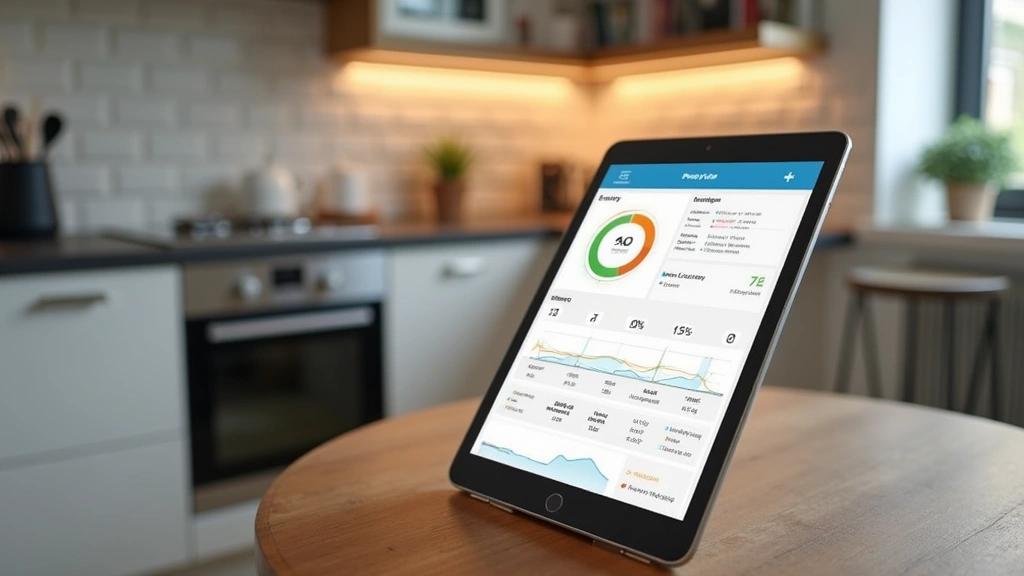
Eve Energy smart plugs monitor power consumption for individual appliances. The accompanying application displays real-time wattage, cumulative energy usage, and estimated costs. This transparency often reveals surprising consumption patterns—outdated appliances running continuously or devices drawing phantom power when inactive.
The Sense Energy Monitor analyzes your entire home’s power consumption. Its machine learning algorithms identify individual appliance usage patterns, providing granular insights into where energy dollars are spent. This device helps prioritize upgrade investments—replacing a problematic air conditioning unit, for example, delivers greater savings than minor adjustments to lighting.
Artificial intelligence advances in energy management enable predictive optimization. These systems forecast consumption based on weather patterns, occupancy schedules, and historical data, automatically adjusting settings to minimize costs without sacrificing comfort.
” alt=”Smart home energy monitoring dashboard displaying real-time power consumption metrics on tablet device in modern kitchen”>
Integration and Setup: Building Your Ecosystem
Successful smart home implementation requires thoughtful ecosystem selection and proper configuration. The most popular platforms—Amazon Alexa, Google Assistant, and Apple HomeKit—each offer distinct advantages.
Amazon Alexa dominates market share with the broadest device compatibility. Thousands of manufacturers build Alexa integration into their products, providing maximum flexibility for creating customized systems. The TechPulse Hunter blog regularly reviews new Alexa-compatible devices entering the market.
Google Assistant excels at natural language understanding. Its integration with Google services—Calendar, Maps, Gmail—creates powerful automation possibilities. Google Home routines enable complex multi-step automations triggered by simple voice commands or specific conditions.
Apple HomeKit prioritizes privacy through on-device processing. Unlike competitors that analyze voice commands on remote servers, HomeKit keeps data local. This approach enhances privacy but limits compatibility to devices specifically supporting HomeKit protocol.
Thread support has become increasingly important for reliable smart home networks. This mesh networking technology strengthens connectivity by enabling devices to relay signals through each other. Homes with thick walls or large layouts benefit significantly from Thread’s extended range and reliability improvements.
When selecting devices, prioritize compatibility with your chosen platform. Mixing ecosystems requires additional hubs and automation workarounds that complicate management. Starting with a single platform allows you to expand gradually while maintaining system coherence.
Professional installation services, available in many markets including those near 5580 Tech Center Dr, Colorado Springs, CO 80919, can simplify complex setups. Experienced installers ensure proper network configuration, device placement optimization, and comprehensive testing before handoff.
FAQ
Which smart home platform should I choose for beginners?
Amazon Alexa offers the gentlest learning curve due to its extensive device compatibility and straightforward voice commands. Google Assistant provides superior natural language understanding for complex requests. Apple HomeKit prioritizes privacy for users comfortable with limited device selection. Most experts recommend starting with Alexa for maximum flexibility.
Do I need a smart home hub?
Hubs enable remote access and advanced automations. Some modern devices like LIFX bulbs connect directly to Wi-Fi, eliminating hub requirements for basic functionality. However, hubs provide more reliable automation and enable control when internet connectivity fluctuates. Consider a hub essential for systems exceeding 10-15 devices.
What’s the best smart thermostat for homes with zone heating?
Tado° Smart Radiator Thermostats excel in zone heating scenarios, controlling individual radiators independently. Ecobee SmartThermostat with Voice Control works well in forced-air systems with multiple zones. For hydronic systems, research manufacturer compatibility before purchasing.
How do I ensure smart home security against hacking?
Use strong, unique passwords for all devices and accounts. Enable two-factor authentication wherever available. Keep firmware updated through manufacturer security patches. Avoid connecting unnecessary devices to your network. Consider a dedicated smart home Wi-Fi network separate from computers and mobile devices containing sensitive information.
What’s the average cost for a complete smart home setup?
Basic setups with a smart speaker, thermostat, and a few smart lights cost $300-500. Comprehensive systems including security, lighting, climate control, and entertainment systems typically range $2,000-5,000. Premium installations with professional setup and advanced integrations can exceed $10,000. Start small and expand gradually to match your budget and needs.
Can I integrate smart home devices if I rent my home?
Absolutely. Renters benefit from smart devices requiring no permanent installation—smart speakers, battery-powered door sensors, and smart bulbs. Avoid devices requiring electrical work or wall modifications. Consult your lease regarding acceptable modifications before installation.
How does smart home technology compare to traditional home automation?
Smart home systems offer superior flexibility and lower installation costs compared to legacy home automation. Traditional systems require professional installation and typically lack modern AI capabilities. Smart home devices enable gradual expansion and straightforward troubleshooting, making them ideal for residential applications.


