Anesthesia Tech Programs: What to Expect & Learn
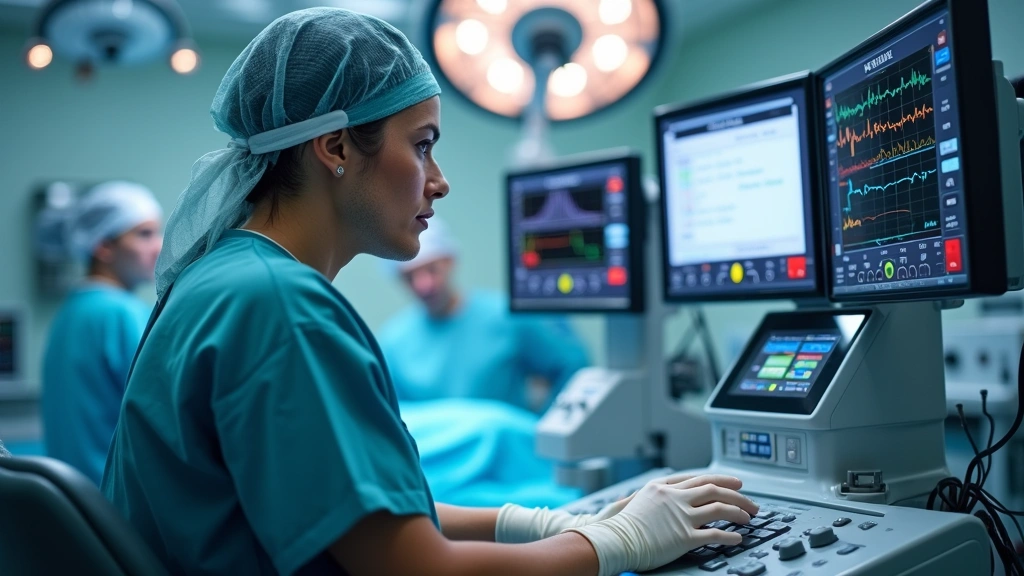
Anesthesia technology represents one of the most critical specializations in modern healthcare, blending advanced medical knowledge with sophisticated equipment operation and patient safety protocols. An anesthesia tech program prepares professionals to work alongside anesthesiologists and nurse anesthetists, managing complex monitoring systems, preparing medications, and ensuring optimal patient outcomes during surgical procedures. These programs have evolved significantly as technology continues to transform operating rooms with AI-powered monitoring systems, automated drug delivery mechanisms, and real-time patient data analytics.
The demand for qualified anesthesia technicians continues to grow, with the Bureau of Labor Statistics projecting steady employment growth in surgical technology and anesthesia support roles. Whether you’re considering entering this field or seeking to understand what these programs entail, this comprehensive guide explores the curriculum, skills development, career pathways, and real-world applications of anesthesia technology education.
Understanding Anesthesia Tech Programs
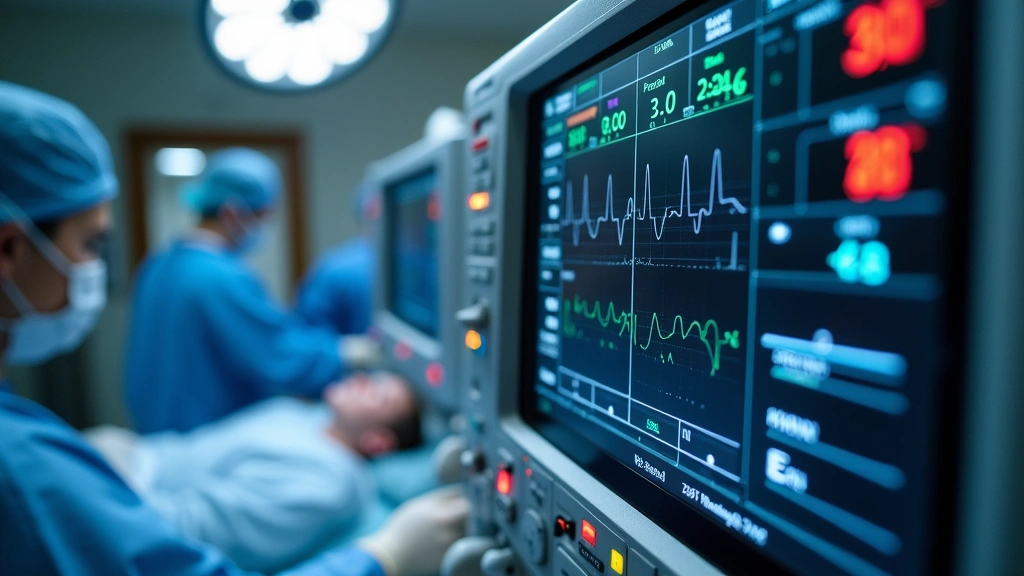
An anesthesia tech program is a specialized educational pathway designed to prepare individuals for roles supporting anesthesia administration and patient monitoring in surgical environments. These programs typically range from 12 months to 2 years in length, depending on the institution and whether they’re certificate or associate degree programs. Most programs require a high school diploma or GED as prerequisites and may include basic anatomy, physiology, and chemistry coursework before diving into specialized anesthesia content.
The primary focus of these programs centers on preparing technicians who can operate sophisticated anesthesia delivery systems, maintain equipment safety standards, prepare operating room environments, and assist in patient monitoring throughout surgical procedures. Unlike anesthesia providers who administer anesthesia (requiring advanced degrees and licensure), anesthesia technicians function as essential team members managing equipment, supplies, and technical aspects of anesthesia care.
Students entering these programs come from diverse backgrounds—some transition from general surgical technology roles, while others begin their healthcare careers through anesthesia tech training. The interdisciplinary nature of the field means graduates often find themselves working in hospitals, surgical centers, dental offices, and specialized medical facilities.
Core Curriculum and Technical Skills
The curriculum of a comprehensive anesthesia tech program builds systematically from foundational medical knowledge to advanced technical competencies. Foundational courses typically include anatomy and physiology with emphasis on respiratory, cardiovascular, and nervous systems—critical for understanding how anesthetics affect the body. Pharmacology courses cover anesthetic agents, their mechanisms of action, dosing considerations, and potential complications.
Students learn patient assessment fundamentals, including vital sign monitoring, recognizing normal versus abnormal physiological responses, and identifying potential complications. Understanding electrocardiography (ECG), capnography, pulse oximetry, and blood pressure monitoring becomes essential as these technologies directly inform anesthesia management decisions during procedures.
The program emphasizes safety protocols and risk management, including infection control procedures, equipment sterilization, medication handling and storage, and emergency response procedures. Students study regulatory compliance requirements from organizations like The Joint Commission and OSHA, understanding how these standards protect patients and healthcare workers.
Technical skill development includes:
- Equipment assembly and troubleshooting: Learning to prepare anesthesia machines, ventilators, and monitoring systems before procedures
- IV therapy and medication preparation: Understanding sterile technique, medication calculations, and safe drug administration principles
- Documentation and communication: Maintaining accurate anesthesia records and coordinating with surgical teams
- Emergency procedures: Responding to anesthetic complications, malignant hyperthermia, and other critical situations
- Data interpretation: Reading and understanding advanced monitoring technologies and physiological trends
Many programs incorporate hands-on laboratory experiences where students practice on simulators and manikins before working with actual patients under supervision.
Equipment and Technology Training
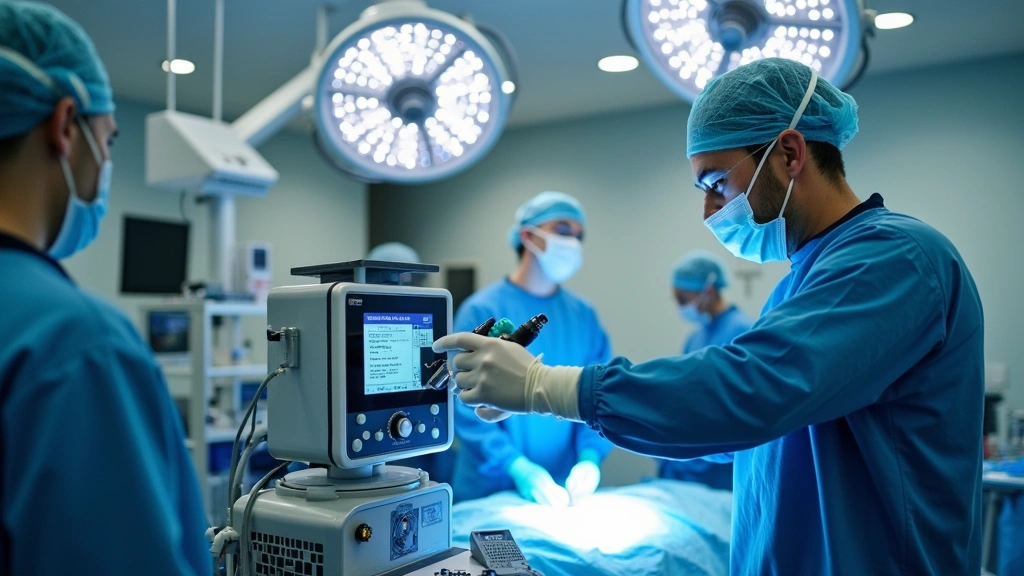
Modern anesthesia tech programs dedicate substantial curriculum time to equipment mastery, recognizing that operating room technology continues advancing rapidly. Anesthesia machine operation represents a cornerstone skill, with students learning the complete system architecture including gas delivery mechanisms, vaporizers, breathing circuits, and scavenging systems. They understand oxygen delivery systems, CO2 absorption principles, and humidification technology.
Students become proficient with advanced monitoring systems that track patient physiology throughout procedures. This includes:
- Pulse oximetry and SpO2 monitoring
- Capnography and end-tidal CO2 measurement
- Electrocardiography and cardiac rhythm monitoring
- Non-invasive and invasive blood pressure monitoring
- Temperature monitoring and management systems
- Neuromuscular monitoring devices
- Processed EEG monitoring for depth of anesthesia
Training encompasses ventilator technology, including mechanical ventilation modes, pressure-controlled versus volume-controlled ventilation, and adjusting settings based on patient parameters. Students learn how modern ventilators integrate with anesthesia machines and how to troubleshoot common issues.
The program covers medication delivery systems, including infusion pumps, syringe pumps for precise medication administration, and target-controlled infusion (TCI) systems that automatically adjust drug delivery. Understanding pharmacokinetics and how these systems calculate drug concentrations becomes increasingly important as technology becomes more sophisticated.
Technology publications frequently highlight how AI and machine learning are being integrated into operating room systems, and forward-thinking programs introduce students to emerging technologies like predictive analytics for patient monitoring and automated alerts for critical situations.
Clinical Experience and Hands-On Learning
Theoretical knowledge becomes clinically relevant through structured clinical rotations that typically comprise 40-50% of program hours. Students work in actual operating rooms under the supervision of experienced anesthesia providers and senior technicians, observing and assisting with real surgical cases. Early rotations focus on observation and basic tasks like equipment preparation and room setup, progressively advancing to more complex responsibilities.
During clinical experiences, students encounter diverse surgical specialties, including general surgery, orthopedic procedures, cardiovascular surgery, neurosurgery, and emergency cases. Each specialty presents unique anesthesia challenges and equipment requirements, broadening students’ practical knowledge and problem-solving abilities.
Students develop crisis management skills by participating in simulated emergency scenarios and real critical situations under supervision. They learn to recognize complications like anaphylaxis, malignant hyperthermia, aspiration, and cardiovascular instability, understanding their role in responding to these emergencies.
The clinical component emphasizes professional communication and teamwork, as anesthesia technicians must coordinate effectively with surgeons, nurses, anesthesiologists, and other operating room personnel. Students learn communication protocols, how to anticipate team needs, and how to maintain situational awareness in fast-paced surgical environments.
Many programs require students to complete a minimum number of clinical hours—typically 1000-1500 hours—before graduation, ensuring adequate exposure and skill development before independent practice.
Certification and Licensing Requirements
After completing an anesthesia tech program, graduates typically pursue professional certification, though requirements vary by state and employer. The Certified Anesthesia Technician (CAT) credential, offered by the American Society of Anesthesiologists (ASA), represents the primary certification pathway. This certification requires passing a comprehensive examination covering anesthesia principles, equipment operation, pharmacology, and patient safety.
The certification examination tests knowledge across several domains:
- Anesthetic agents and medications
- Anesthesia equipment and technology
- Patient monitoring and physiology
- Safety and infection control
- Professional responsibility and ethics
- Emergency management
Some states have licensure requirements for anesthesia technicians, while others rely on certification or employer-specific credentialing. Graduates should research requirements in their target geographic area and employment setting. Many employers prefer or require CAT certification, viewing it as evidence of standardized competency.
Continuing education requirements typically apply after certification, with technicians needing to complete annual professional development hours to maintain credentials. This ensures practitioners stay current with evolving technology and clinical practices.
Some programs offer accelerated learning pathways for those with prior healthcare experience or technical backgrounds, potentially reducing program length while maintaining rigorous standards.
Career Prospects and Specializations
Graduates of anesthesia tech programs enjoy diverse career opportunities across healthcare settings. Hospital operating rooms represent the primary employment sector, where anesthesia technicians support surgical procedures ranging from routine to highly complex cases. The variety of surgical specialties ensures continuous learning and skill development throughout careers.
Specialized surgical centers offer alternative employment, including ambulatory surgery centers, cardiac surgery centers, and specialized orthopedic facilities. These settings often provide focused experience in specific surgical types.
Anesthesia technicians can specialize in various areas:
- Cardiovascular anesthesia: Supporting heart and vascular surgeries with specialized monitoring equipment
- Pediatric anesthesia: Working with children requiring adapted equipment and techniques
- Trauma and critical care: Supporting emergency surgical cases and critically ill patients
- Regional anesthesia: Assisting with nerve blocks, epidurals, and local anesthetic techniques
- Obstetric anesthesia: Supporting cesarean sections and labor analgesia
Career advancement opportunities include supervisory roles, equipment specialist positions focusing on technology management and biomedical integration, and educator roles training new anesthesia technicians. Some pursue further education to become nurse anesthetists or anesthesiologists.
Salary prospects remain attractive, with median annual compensation for anesthesia technicians ranging from $38,000 to $65,000+ depending on location, experience, and employer type. Bureau of Labor Statistics data indicates steady employment growth in related surgical and anesthesia support roles.
Advanced Technologies in Modern Programs
Contemporary anesthesia tech programs increasingly integrate emerging technologies that reshape how anesthesia is delivered and monitored. Processed EEG monitoring systems that measure depth of anesthesia represent significant advances, helping anesthesia providers optimize dosing while reducing recovery times and post-operative complications.
Programs introduce students to integrated operating room systems where anesthesia equipment connects with surgical displays, patient records, and monitoring systems in unified digital environments. Understanding interoperability and data flow becomes essential as these systems become standard.
Artificial intelligence applications in anesthesia continue expanding, with machine learning algorithms predicting patient complications, optimizing medication dosing, and alerting providers to critical changes. Forward-thinking programs prepare students to work alongside these intelligent systems, understanding both their capabilities and limitations.
Understanding technology fundamentals helps anesthesia technicians adapt to rapidly evolving equipment landscapes. Some programs introduce basic concepts of biomedical informatics, cybersecurity in healthcare systems, and data analytics.
Simulation technology has revolutionized anesthesia education, with high-fidelity patient simulators providing realistic scenarios for skill practice and crisis management training. Virtual reality and augmented reality applications increasingly supplement traditional simulation, allowing students to practice equipment assembly and troubleshooting in immersive digital environments.
Remote monitoring capabilities, particularly relevant post-pandemic, enable technicians to support telemedicine consultations and remote patient monitoring, expanding traditional roles. Understanding digital communication platforms and electronic health record (EHR) systems becomes increasingly important.
Programs increasingly emphasize quality improvement and patient safety initiatives, teaching students how to identify system inefficiencies, contribute to process improvements, and participate in safety culture development. This systems-thinking approach prepares technicians to be proactive contributors to operating room excellence.
FAQ
How long does an anesthesia tech program typically take?
Most anesthesia tech programs range from 12 to 24 months, depending on whether they’re certificate or associate degree programs. Full-time programs typically complete in 18-24 months, while some intensive certificate programs may finish in 12 months. Part-time options may extend to 3 years.
Do I need prior healthcare experience to enroll in an anesthesia tech program?
Most programs don’t require prior healthcare experience, though some prefer it. Prerequisites typically include high school graduation or GED, basic science courses (anatomy, physiology, chemistry), and sometimes CPR certification. Many programs offer preparatory coursework for students lacking these foundational skills.
What’s the difference between an anesthesia technician and a surgical technologist?
While surgical technologists focus on overall operating room setup, instrument management, and general surgical support, anesthesia technicians specialize specifically in anesthesia equipment, medication preparation, and patient monitoring related to anesthesia. Anesthesia technicians develop deeper expertise in anesthesia-specific technologies and pharmacology.
Is certification required to work as an anesthesia technician?
Certification requirements vary by state and employer. While not universally mandated by law in all states, many employers prefer or require the Certified Anesthesia Technician (CAT) credential. Some states have specific licensure requirements, so research your target location’s regulations.
What skills are most important for success in anesthesia tech programs?
Technical aptitude for operating complex equipment, attention to detail for medication and equipment preparation, calm demeanor under pressure, strong communication abilities for team coordination, and commitment to patient safety represent essential qualities. Problem-solving skills and the ability to think critically about physiological changes also prove invaluable.
How much do anesthesia technicians earn?
Median annual salaries range from $38,000 to $65,000+, varying significantly by geographic location, years of experience, employer type, and specialization. Metropolitan areas and specialized surgical centers typically offer higher compensation. Career advancement into supervisory or specialist roles can increase earning potential substantially.
Can I advance my career after becoming an anesthesia technician?
Yes, numerous advancement opportunities exist. Technicians can pursue supervisory roles, become equipment specialists managing biomedical systems, transition into education roles, or continue education to become nurse anesthetists or anesthesiologists. Some move into healthcare informatics or quality improvement positions.
What’s the job outlook for anesthesia technicians?
Employment outlook remains positive, with steady growth projected in surgical technology and anesthesia support roles. Aging populations requiring more surgical procedures and advances in surgical technology creating demand for skilled technical support drive this growth. Technology advances in healthcare continue creating new specialization opportunities.


