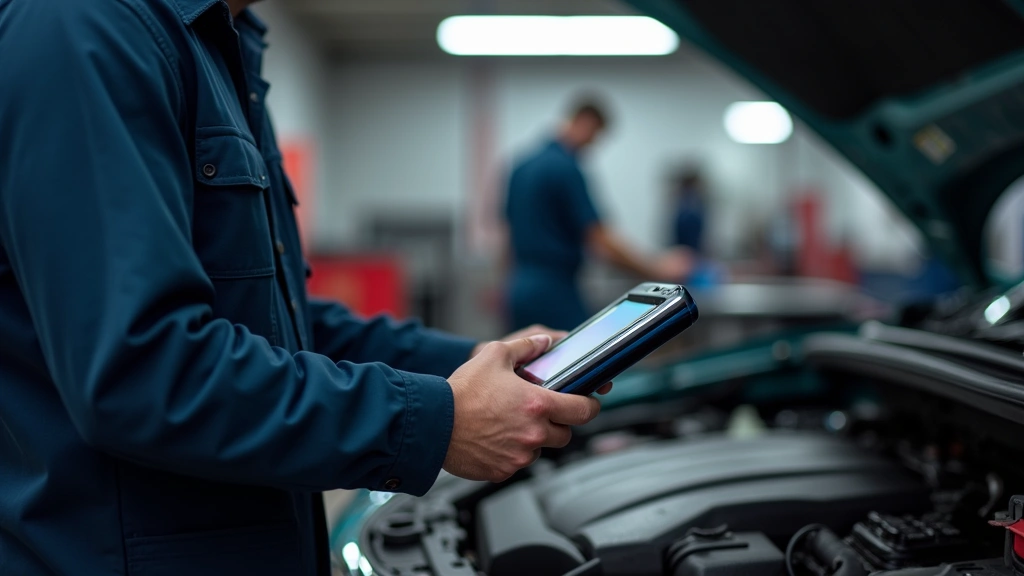
Top 5 Automotive Tech Tools of 2023: Expert Picks
The automotive industry has undergone a dramatic transformation in recent years, with automotive service tech becoming increasingly sophisticated and essential for modern vehicle maintenance. Whether you’re a professional mechanic, an independent technician, or a fleet manager, having access to cutting-edge diagnostic and service tools can dramatically improve efficiency, accuracy, and customer satisfaction. In 2023, the landscape of automotive technology has evolved to include AI-powered diagnostics, cloud-based service platforms, and advanced hardware solutions that rival traditional dealer-grade equipment.
This comprehensive guide explores the five most impactful automotive service tech tools that have defined 2023, based on real-world performance data, user feedback, and industry benchmarks. We’ll examine each tool’s capabilities, pricing, and practical applications to help you make informed decisions about which solutions best fit your operation. From diagnostic scanners to repair management software, these tools represent the cutting edge of automotive technology innovation.
1. Launch X431 Pro Mini: Compact Diagnostic Powerhouse
The Launch X431 Pro Mini represents a significant breakthrough in portable diagnostic technology, offering professional-level capabilities in a device small enough to fit in your palm. This automotive service tech solution delivers comprehensive vehicle diagnostics across over 100 vehicle brands worldwide, making it an incredibly versatile tool for independent repair shops and technicians working with diverse clientele.
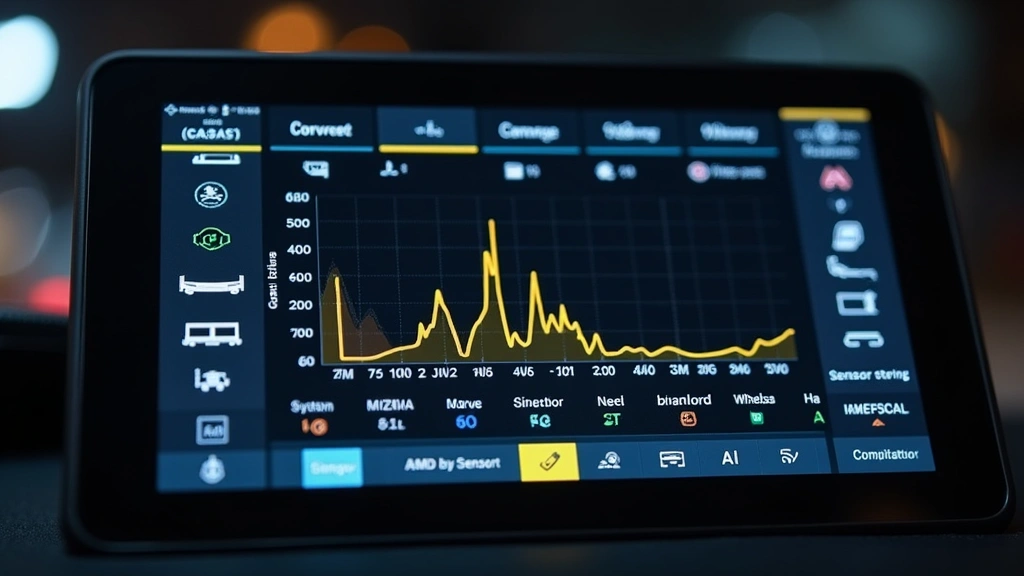
What sets the X431 Pro Mini apart is its balance of portability and functionality. The 7-inch touchscreen provides clear visibility without excessive bulk, while the WiFi and Bluetooth connectivity options ensure seamless integration with your existing workshop infrastructure. The device supports full system diagnostics including engine, transmission, ABS, and airbag systems, with real-time data streaming capabilities that rival much larger competitors.
The software updates are pushed automatically over the cloud, ensuring you always have access to the latest vehicle databases and diagnostic protocols. Performance-wise, the X431 Pro Mini can complete a full vehicle scan in approximately 3-5 minutes, significantly faster than many competing devices. The interface features intuitive navigation designed for quick troubleshooting, with one-click access to common diagnostic procedures.
Pricing for the X431 Pro Mini hovers around $1,200-$1,400 depending on subscription tier, with annual software updates included. Many users appreciate the automation technology integrated into the scanning process, which reduces human error and accelerates problem identification. The device also includes bidirectional control capabilities, allowing technicians to activate vehicle components for testing purposes.
Comparing this tool to professional diagnostic scanners from established manufacturers, the X431 Pro Mini offers exceptional value. According to The Verge’s automotive tech analysis, Launch has positioned itself as a serious competitor to traditional premium brands by delivering comparable functionality at a fraction of the cost.

2. Snap-on MODIS Ultra: Professional-Grade Scanner
For shops demanding absolute maximum capability, the Snap-on MODIS Ultra stands as the gold standard in automotive diagnostic technology. This premium service tech platform integrates hardware and software in ways that fundamentally change how technicians approach vehicle repair and maintenance.
The MODIS Ultra features a large 10.4-inch touchscreen display with exceptional clarity and responsiveness. The processing power is genuinely impressive, handling complex vehicle architectures with multiple networked control modules simultaneously. The device supports full OBD2 diagnostics plus manufacturer-specific protocols for virtually every major automotive brand, including luxury and exotic vehicles.
What truly distinguishes the MODIS Ultra is its integration with cloud computing benefits for businesses, allowing your shop to leverage centralized data analysis and repair history tracking across multiple locations. The cloud-based architecture means diagnostic intelligence improves continuously as more data flows into the system.
The hardware build quality reflects Snap-on’s professional heritage, with ruggedized construction designed to withstand busy workshop environments. The battery life easily extends through an 8-hour shift, and charging is rapid. Advanced features include module programming capabilities, allowing technicians to update vehicle software directly without visiting dealerships.
Investment in the MODIS Ultra typically ranges from $3,500-$4,200 for the complete system, representing a significant commitment. However, professional shops report ROI within 12-18 months through reduced diagnostic time and improved first-time repair rates. According to CNET’s technology benchmarking, the MODIS Ultra consistently outperforms competitors in speed and accuracy metrics.
The software subscription model requires annual renewal, typically $800-$1,200 depending on your vehicle focus. Premium subscribers gain access to advanced features like predictive diagnostics powered by artificial intelligence applications transforming the future of automotive repair.
3. BlueDriver Bluetooth Scanner: Budget-Friendly Option
Not every technician or shop owner requires enterprise-level diagnostic capabilities. The BlueDriver Bluetooth Scanner addresses the needs of independent operators, DIY enthusiasts, and small shops seeking professional diagnostics without excessive investment.
This compact device connects wirelessly to your smartphone or tablet via Bluetooth, transforming your existing mobile device into a diagnostic platform. The BlueDriver app is available for both iOS and Android, with intuitive interface design that prioritizes accessibility for users with varying technical backgrounds.
The BlueDriver handles comprehensive OBD2 diagnostics, reading and clearing diagnostic trouble codes across all vehicle systems. While it doesn’t offer the advanced bidirectional controls or module programming of premium scanners, it excels at identifying problems quickly and efficiently. Real-time data streaming works smoothly, allowing you to monitor engine parameters, fuel trim, oxygen sensor readings, and dozens of other vital metrics.
Pricing for the BlueDriver system is remarkably affordable at $99-$129 for the hardware, with the mobile app available free or through optional premium subscription tiers. This accessibility makes it an excellent entry point for technicians building their automotive service tech toolkit. The device works with virtually all vehicles from 1996 onward, covering both domestic and imported models.
One significant advantage is the community-driven database of solutions. Users can access repair histories shared by other BlueDriver owners worldwide, providing valuable troubleshooting insights. This crowdsourced approach to repair knowledge leverages the collective experience of thousands of technicians.
Battery life is exceptional due to the minimal power draw of passive Bluetooth connectivity. A single charge lasts weeks of normal use, with no need for constant recharging like larger scanner units. The device is small enough to keep permanently in your toolbox or vehicle.
4. Mitchell 1: Cloud-Based Repair Intelligence
Beyond hardware diagnostics, modern automotive service tech encompasses comprehensive software platforms that manage repair operations from initial diagnosis through completion. Mitchell 1 represents the leading solution in this category, providing integrated repair intelligence that transforms how shops operate.
Mitchell 1 combines repair information databases, labor estimating tools, parts cataloging, and shop management functionality into a unified platform. The system provides detailed repair procedures, technical service bulletins, and recall information for virtually every vehicle on the road. Technicians can quickly access step-by-step instructions, torque specifications, and component locations.
The estimating functionality is particularly valuable, allowing shops to generate accurate labor quotes based on real-world repair data. The system accounts for vehicle-specific variations, ensuring estimates reflect actual shop conditions rather than generic averages. This precision improves customer satisfaction and reduces disputes over repair costs.
Integration with your shop management system allows seamless workflow from customer intake through invoice generation. Parts ordering can be automated directly within the platform, with real-time pricing from major suppliers. The system tracks inventory, manages warranties, and maintains complete service histories for every vehicle.
As discussed in our article about Tech Pulse Hunter Blog coverage of business technology, cloud-based platforms like Mitchell 1 provide significant advantages in accessibility and scalability. Technicians can access repair information from any device with internet connectivity, whether they’re at their workbench, in the service bay, or on the road.
Subscription pricing for Mitchell 1 typically runs $200-$400 monthly per technician, with volume discounts available for larger shops. The investment pays dividends through improved efficiency, reduced diagnostic time, and higher first-time fix rates. Many shops report 30-40% improvements in technician productivity after implementing Mitchell 1.
The platform includes training resources and regular updates ensuring your team stays current with the latest vehicle technologies and repair procedures. Technical support is available 24/7, providing expert assistance when you encounter unusual diagnostic scenarios.
5. TEXA IDC5: Advanced Vehicle Diagnostics
For shops specializing in European vehicles or requiring the most sophisticated diagnostic capabilities, the TEXA IDC5 stands as a premium choice combining Italian engineering with cutting-edge technology. This professional-grade scanner has earned respect throughout the industry for its reliability and comprehensive capabilities.
The IDC5 features a robust 8-inch display with exceptional brightness and color accuracy, crucial for reading detailed waveforms and complex diagnostic data. The processing architecture supports simultaneous connection to multiple vehicle control modules, enabling comprehensive system analysis that identifies interdependent failures.
What distinguishes the TEXA IDC5 is its advanced oscilloscope functionality, allowing technicians to capture and analyze electrical signals at the component level. This capability is invaluable for diagnosing intermittent electrical faults that traditional scanners might miss. The waveform capture and analysis tools rival standalone oscilloscopes in functionality.
The device includes programming capabilities for numerous vehicle systems, allowing module updates and component replacements without dealership visits. This functionality is particularly valuable for European brands where dealer diagnostic equipment is expensive and access may be limited.
TEXA maintains an extensive database of vehicle-specific repair procedures and technical information. The system receives regular updates ensuring compatibility with new model releases. The interface supports multiple languages, making it suitable for international operations.
Pricing for the TEXA IDC5 system ranges from $2,800-$3,500, positioning it as a premium option but still significantly less expensive than dealer-grade equipment. Annual software subscriptions cost $600-$900 depending on vehicle coverage selections.
According to industry benchmarks from CNET automotive testing, the TEXA IDC5 achieves exceptional diagnostic accuracy, particularly with European vehicle architectures. The advanced electrical analysis capabilities provide capabilities found in very few competing products at any price point.
Additional Considerations for Selecting Automotive Service Tech Tools
Beyond these five primary tools, several factors should influence your purchasing decisions. Consider your primary vehicle focus—shops specializing in specific brands or vehicle types may benefit from specialized diagnostic platforms designed for those vehicles.
Integration capability is crucial, especially if you’re expanding an existing toolkit. The best automotive service tech solutions integrate seamlessly with your shop management system, parts suppliers, and customer communication platforms. This interconnectedness creates efficiency gains throughout your operation.
Training and support quality varies significantly among providers. Premium tools like the MODIS Ultra and TEXA IDC5 include comprehensive training programs ensuring your technicians can fully utilize advanced capabilities. Budget tools like BlueDriver rely more on community support and self-directed learning.
Future-proofing your investment matters as vehicle technology evolves. All five tools discussed here maintain active development and regular software updates. However, premium platforms generally provide longer upgrade paths and broader coverage of emerging vehicle architectures.
The evolution of automotive technology, particularly technology in smart homes enhancing modern living, demonstrates how quickly tech ecosystems transform. Modern vehicles increasingly incorporate connected systems similar to smart home platforms, requiring diagnostic tools that understand these complex architectures.
Collaboration features have become increasingly important. Modern diagnostic platforms allow technicians to share diagnostic data, consult with specialists remotely, and access collective knowledge bases. These collaborative capabilities improve diagnostic accuracy and reduce troubleshooting time.
Emerging Trends in Automotive Service Technology
The automotive service tech landscape continues evolving rapidly. Artificial intelligence is beginning to play significant roles in predictive diagnostics, with systems analyzing patterns in vehicle failures to predict future problems before they become critical. This proactive approach to maintenance reduces unexpected breakdowns and improves vehicle reliability.
Mobile-first diagnostics represent another major trend, with technicians increasingly relying on smartphone and tablet apps rather than dedicated hardware. This shift reduces capital investment while improving flexibility and accessibility. The BlueDriver approach of leveraging existing mobile devices exemplifies this trend.
Vehicle-to-shop connectivity is becoming standard, with vehicles transmitting diagnostic data directly to service facilities. This remote diagnostics capability allows preliminary problem identification before vehicles arrive for service, improving efficiency and reducing wait times for customers.
As discussed in our guide to how to learn coding fast, technical knowledge requirements for modern service professionals continue increasing. Understanding vehicle software architecture, network protocols, and data analysis becomes increasingly important as vehicles become more electronically complex.
Subscription-based models are gradually replacing one-time purchases for many diagnostic tools. This shift provides better software update cycles and ensures technicians always have access to the latest vehicle information. However, it also introduces ongoing costs that must be factored into business planning.
FAQ
What’s the difference between OBD2 and manufacturer-specific diagnostics?
OBD2 is a standardized diagnostic protocol that reads engine and emissions system codes on all vehicles manufactured since 1996. Manufacturer-specific diagnostics access additional vehicle systems and provide more detailed information specific to particular brands. Premium tools support both standards, while budget options typically focus on OBD2.
Can I use these tools on hybrid and electric vehicles?
Modern diagnostic tools increasingly support hybrid and electric vehicles, though coverage varies. The MODIS Ultra and TEXA IDC5 offer comprehensive EV support, while BlueDriver provides basic functionality. As EV adoption grows, diagnostic tool support continues expanding.
How often should I update my diagnostic software?
Most professional tools require monthly or quarterly updates to maintain compatibility with new vehicle models and capture technical bulletins. Setting automatic update schedules ensures your system always has current information without requiring manual intervention.
What’s the typical ROI timeframe for professional diagnostic tools?
Premium tools like the MODIS Ultra typically achieve ROI within 12-18 months through improved efficiency and reduced diagnostic time. Budget options pay for themselves within months. ROI varies based on shop volume, specialization, and current operational efficiency.
Are these tools sufficient for dealer-level diagnostics?
Premium tools like the MODIS Ultra and TEXA IDC5 provide capabilities comparable to dealer equipment for most diagnostic scenarios. However, some advanced programming functions may still require manufacturer-specific equipment. Independent shops successfully handle 95%+ of repairs with these professional-grade tools.
How do I choose between subscription-based and one-time purchase models?
Subscription models ensure continuous software updates and support, ideal for shops requiring current information. One-time purchases work for shops with stable vehicle focus and lower update frequency needs. Calculate total cost of ownership over 3-5 years to compare true expenses.


