Future of Automotive Tech: Expert Insights Revealed
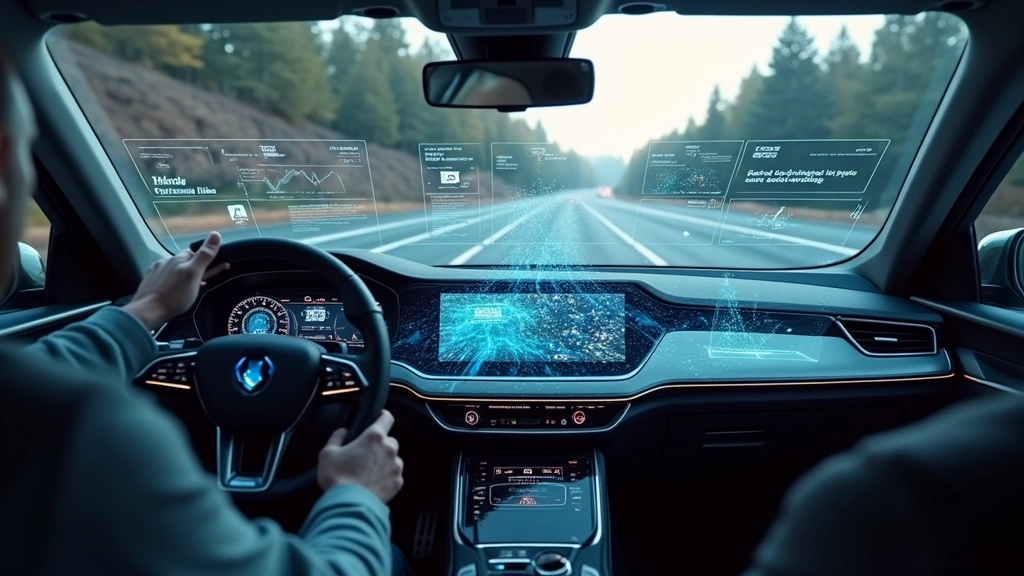
The automotive industry stands at an unprecedented inflection point, where technological innovation is fundamentally reshaping how vehicles operate, communicate, and integrate with our daily lives. From autonomous driving systems to advanced battery management, the convergence of automotive tech with artificial intelligence, connectivity, and sustainability represents one of the most transformative periods in transportation history. Industry experts predict that the next decade will witness more technological change than the previous fifty years combined, driven by regulatory pressures, consumer demand, and competitive market dynamics.
This comprehensive exploration delves into the cutting-edge developments, expert perspectives, and practical implications of emerging automotive technologies. Whether you’re an enthusiast, professional in the auto tech jobs sector, or simply curious about the future of transportation, understanding these innovations provides valuable context for the vehicles and services you’ll encounter in the coming years.
Autonomous Vehicle Technology
Autonomous driving represents perhaps the most ambitious frontier in automotive tech innovation. Current systems operate across multiple levels of automation, from Level 2 (partial automation with driver assistance) to Level 5 (full automation in all conditions). Leading manufacturers like Tesla, Waymo, and traditional automakers have invested billions in developing perception systems, decision-making algorithms, and fail-safe mechanisms that enable vehicles to navigate complex driving scenarios without human intervention.
The technological foundation relies on sophisticated sensor fusion—combining data from LiDAR, radar, ultrasonic sensors, and high-resolution cameras to create comprehensive environmental awareness. The Verge’s transportation coverage documents how these systems have progressed from laboratory settings to real-world deployments in urban environments. Expert analysis indicates that machine learning models trained on millions of miles of driving data continue improving decision-making accuracy, though edge cases and adverse weather conditions remain ongoing challenges.
Regulatory frameworks present another critical dimension. The National Highway Traffic Safety Administration (NHTSA) and international standards bodies are establishing guidelines for autonomous vehicle testing, validation, and deployment. Companies working on automotive service tech solutions must increasingly account for autonomous systems integration, creating new career opportunities and service requirements.
Electric Powertrains and Battery Innovation
The electrification of automotive powertrains constitutes a fundamental shift in vehicle propulsion technology. Battery electric vehicles (BEVs) and plug-in hybrid electric vehicles (PHEVs) have transitioned from niche products to mainstream offerings, with major manufacturers committing to all-electric futures. The performance metrics have become increasingly compelling—leading models now offer 300+ mile ranges, sub-six-second acceleration times, and charging capabilities that address historical range anxiety concerns.
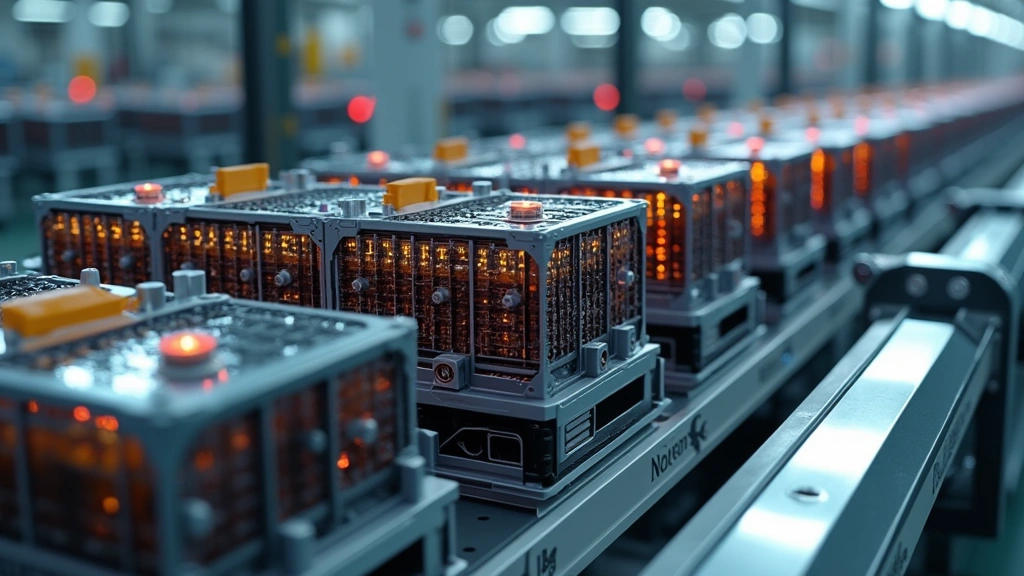
Battery technology advancement drives this revolution forward. Lithium-ion chemistry continues improving in energy density, charging speed, and thermal management. Emerging technologies like solid-state batteries promise even greater energy density and faster charging times, potentially arriving in production vehicles by 2027-2028. CNET’s technology analysis highlights how manufacturers are optimizing battery pack architecture, thermal systems, and charging infrastructure compatibility to enhance real-world usability.
The sustainability angle connects electric vehicle adoption to broader renewable energy innovations. As electrical grids incorporate more renewable sources, the environmental benefits of electric vehicles multiply. Battery recycling programs and second-life applications for degraded battery packs represent emerging business opportunities and technological challenges that the industry actively addresses.
Connected and Smart Vehicles
Modern vehicles increasingly function as mobile computing platforms, equipped with cellular connectivity, cloud integration, and sophisticated software ecosystems. Connected automotive tech enables over-the-air (OTA) updates, remote diagnostics, predictive maintenance notifications, and seamless integration with smartphones and smart home systems. This connectivity layer transforms vehicles from isolated mechanical systems into nodes within broader digital networks.
Vehicle-to-everything (V2X) communication represents the next evolution, enabling cars to communicate with infrastructure, other vehicles, and cloud services. This technology facilitates traffic optimization, accident prevention, and enhanced navigation capabilities. CNET Roadshow has extensively documented how manufacturers implement these connected features, from luxury brands to mainstream vehicles.
Data security and privacy emerge as critical considerations in connected vehicle ecosystems. Manufacturers must implement robust encryption, secure authentication protocols, and privacy protections to prevent unauthorized access to vehicle systems or personal data. The complexity of modern vehicle software—often comprising 100+ million lines of code—requires continuous security updates and threat monitoring.
Advanced Safety Systems
Contemporary automotive technology emphasizes accident prevention through advanced driver assistance systems (ADAS). Features like adaptive cruise control, automatic emergency braking, lane-keeping assistance, and blind-spot monitoring have become increasingly sophisticated and reliable. These systems utilize machine vision, sensor fusion, and predictive algorithms to identify potential collision scenarios and intervene before accidents occur.
Crash detection and emergency response integration represent additional safety innovations. Vehicles equipped with these systems can automatically contact emergency services, disable fuel pumps, and unlock doors following accidents. The integration of artificial intelligence applications enables systems to distinguish between false alarms and genuine emergencies with increasing accuracy.
Insurance industry data increasingly validates the effectiveness of these safety technologies. Vehicles equipped with modern ADAS demonstrate measurably lower accident rates and reduced severity of collisions. This trend is driving insurance companies to incentivize safety technology adoption and influencing consumer purchasing decisions.
Next-Generation Infotainment
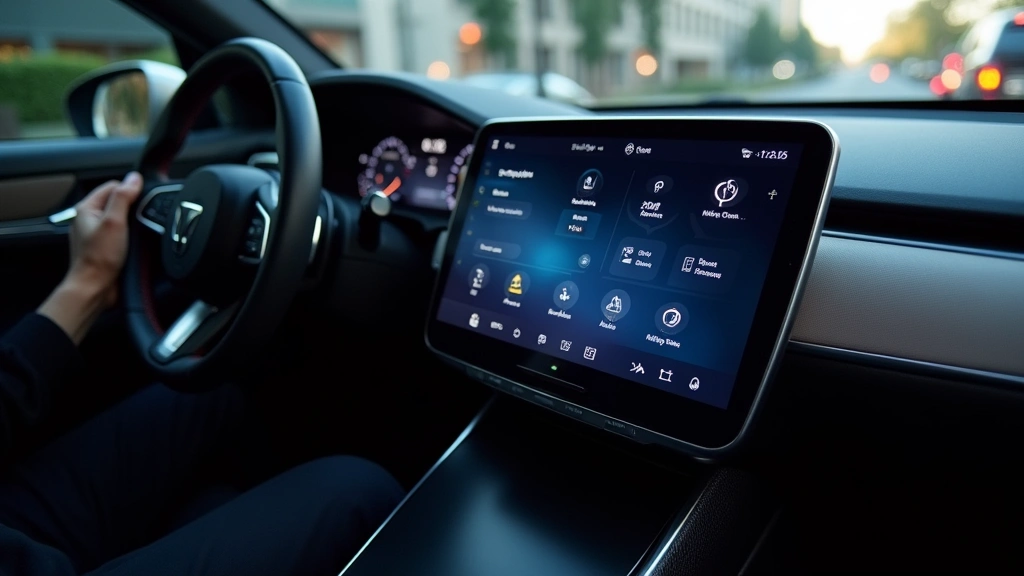
Vehicle infotainment systems have evolved from simple audio and climate controls into sophisticated multimedia hubs. Large touchscreens, voice recognition systems, and gesture controls provide intuitive interfaces for navigation, entertainment, communication, and vehicle management. Integration with popular platforms like Apple CarPlay and Android Auto bridges smartphone ecosystems with vehicle systems.
Voice-activated interfaces powered by natural language processing enable drivers to control functions without taking hands off the wheel. These systems continue improving in accuracy and contextual understanding, learning driver preferences and adapting to individual communication styles. Haptic feedback systems provide tactile confirmation of user inputs, reducing the need for visual verification.
Augmented reality (AR) head-up displays represent an emerging frontier, projecting navigation information, hazard warnings, and vehicle status onto the windshield in driver’s field of view. This technology reduces cognitive load and improves situational awareness during driving.
Sustainability and Green Tech
Environmental considerations increasingly drive automotive tech development priorities. Beyond electrification, manufacturers explore alternative fuels like hydrogen fuel cells, sustainable biofuels, and synthetic fuels. Hydrogen-powered vehicles offer potential advantages in range and refueling time, though infrastructure development remains limited. The technology demonstrates promise for commercial vehicles and long-haul applications.
Manufacturing processes themselves are becoming more sustainable. Companies implement circular economy principles, designing vehicles for material recovery and recycling. Lightweight materials like carbon fiber composites, aluminum, and advanced plastics reduce vehicle weight, improving efficiency regardless of powertrain type.
Lifecycle assessment methodologies now guide product development decisions, considering environmental impact from material extraction through end-of-life recycling. Manufacturers increasingly publish sustainability reports documenting progress toward carbon neutrality goals.
Service and Maintenance Innovation
The transition toward automotive service tech innovations is reshaping the aftermarket and dealer service sectors. Predictive maintenance systems analyze vehicle data to identify components approaching failure, enabling proactive service scheduling. This approach reduces unexpected breakdowns and optimizes service scheduling efficiency.
Augmented reality tools assist technicians in diagnostic and repair procedures. AR overlays provide step-by-step guidance, parts identification, and system schematics directly in technician field of view. These tools accelerate training and reduce diagnostic errors.
Remote diagnostics enable service centers to assess vehicle issues without physical inspection, improving initial service estimates and enabling more efficient parts ordering. Mobile service units equipped with diagnostic equipment bring service to customer locations, enhancing convenience.
Industry Challenges and Adoption
Despite rapid technological advancement, significant barriers to mainstream adoption persist. Infrastructure development—particularly charging networks for electric vehicles—requires massive capital investment and coordination across public and private sectors. Regulatory fragmentation across jurisdictions creates complexity for manufacturers developing global platforms.
Consumer adoption rates vary significantly by geography and demographic. Concerns about electric vehicle charging availability, purchase price premiums, and technology reliability influence purchasing decisions. Manufacturers address these concerns through improved warranties, expanded charging networks, and transparent communication about system capabilities and limitations.
The skilled workforce required to service and maintain modern vehicles presents another challenge. Technicians need training in electrical systems, software diagnostics, and specialized equipment operation. The auto tech jobs sector faces talent shortages, driving wage growth and creating educational opportunities.
Cybersecurity threats represent an increasingly serious concern as vehicles become more connected. Malicious actors could potentially exploit software vulnerabilities to compromise vehicle safety systems. Manufacturers implement multi-layered security architectures, regular security audits, and threat intelligence programs to mitigate these risks.
FAQ
What is the current state of autonomous vehicle technology?
Autonomous vehicles currently operate at various automation levels, with Level 2-3 systems deployed in production vehicles from multiple manufacturers. Companies like Waymo and Tesla operate Level 4-5 systems in limited geographic areas and controlled conditions. Full Level 5 autonomy in all conditions remains under development, with most experts predicting widespread availability in the 2030s.
How long does it take to charge modern electric vehicles?
Charging times vary based on battery capacity, charger type, and vehicle architecture. Home Level 2 chargers require 8-12 hours for full charge on most vehicles. DC fast chargers can add 200+ miles in 20-30 minutes. The latest technology enables charging from 10-80% battery capacity in under 20 minutes on optimized systems.
Are connected vehicles secure from hacking?
Modern vehicles implement multiple security layers including encryption, secure authentication, and isolated network segments. While no system is completely immune to determined attackers, current implementations make unauthorized access difficult. Manufacturers continuously monitor for vulnerabilities and release security updates through OTA mechanisms.
What maintenance do electric vehicles require?
Electric vehicles require less maintenance than conventional vehicles due to fewer moving parts and no oil changes. Brake maintenance is reduced through regenerative braking. Battery health monitoring, thermal system checks, and software updates constitute primary service needs. Tire rotation and replacement follow standard schedules.
When will hydrogen fuel cell vehicles become mainstream?
Hydrogen fuel cell vehicles face infrastructure challenges that limit near-term mainstream adoption. Current estimates suggest meaningful market penetration for commercial vehicles by 2030, with consumer vehicles following later. Technology improvements continue, but refueling infrastructure development progresses slowly compared to electric charging networks.
How do I stay updated on automotive tech developments?
The Tech Pulse Hunter Blog provides regular coverage of automotive technology innovations. Industry publications like The Verge and CNET offer comprehensive analysis, while manufacturer websites publish detailed specifications and capability documentation. Industry conferences and automotive technology forums provide peer discussion and expert perspectives.


