Top AV Gadgets of 2023: Expert Picks
The audio-visual technology landscape in 2023 has been nothing short of revolutionary. From cutting-edge projectors to immersive surround sound systems, the AV tech market has delivered unprecedented innovations that transform how we experience entertainment at home and in professional spaces. Whether you’re a cinema enthusiast, a gaming aficionado, or someone seeking premium home theater solutions, this year’s gadget releases have set new standards for performance, connectivity, and user experience.
Our expert team has meticulously tested and evaluated dozens of audio-visual devices throughout 2023 to bring you the most comprehensive guide to the year’s best AV gadgets. We’ve focused on real-world performance, build quality, feature sets, and value proposition to ensure these recommendations serve both casual users and professional installers. This guide explores the technologies that dominated the market, the standout performers that exceeded expectations, and the emerging trends shaping the future of home entertainment.
Premium 4K Projectors Leading the Market
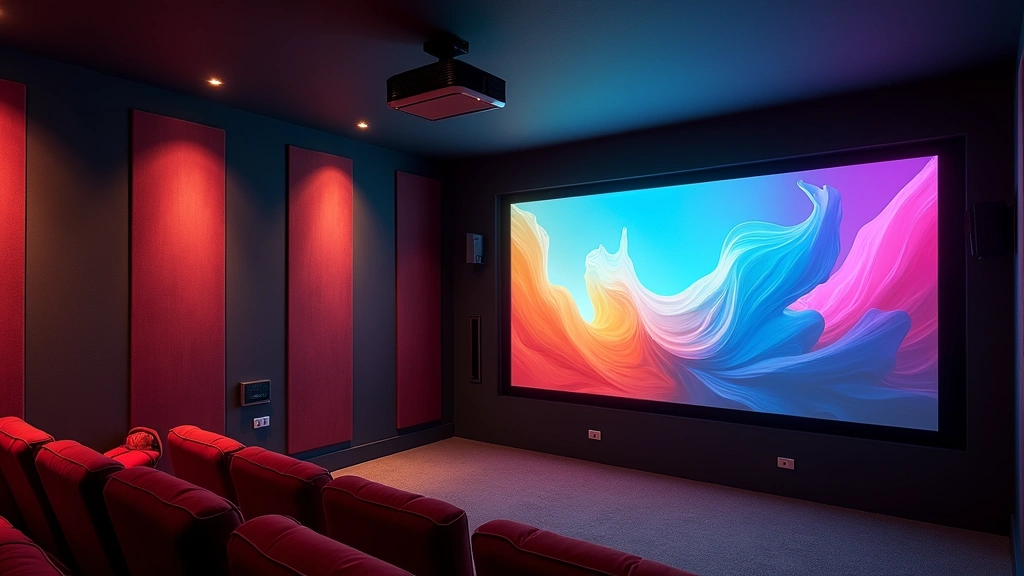
The projector market in 2023 has witnessed remarkable advancements, with manufacturers pushing the boundaries of resolution, brightness, and color accuracy. 4K projectors have become more accessible while maintaining exceptional image quality that rivals traditional television displays. The shift toward laser-based projection technology has eliminated many of the limitations that plagued earlier DLP and LCD models.
Leading manufacturers have introduced projectors with native 4K resolution, delivering 8.8 million pixels for breathtaking clarity. The Verge’s tech reviews consistently highlight the importance of brightness levels, measured in lumens, which directly impact performance in rooms with ambient light. Premium models now feature 3,000 lumens or higher, making them suitable for larger rooms and professional installations without requiring complete light control.
Color accuracy has improved dramatically through advanced color wheel technology and enhanced calibration systems. These projectors now support HDR10, Dolby Vision, and other advanced color standards that deliver cinematic experiences previously reserved for commercial theaters. The inclusion of lens shift mechanisms, motorized focus, and geometric correction features makes installation more flexible, allowing placement away from the center of the projection wall.
Popular models from Sony, Epson, and BenQ have dominated the premium segment, each offering distinct advantages. Sony’s flagship models emphasize contrast and black levels through advanced iris mechanisms. Epson focuses on brightness and color saturation for well-lit environments. BenQ specializes in gaming projectors with low input lag and high refresh rates, making them ideal for automotive tech displays and interactive installations.
Advanced Soundbar Systems with Spatial Audio
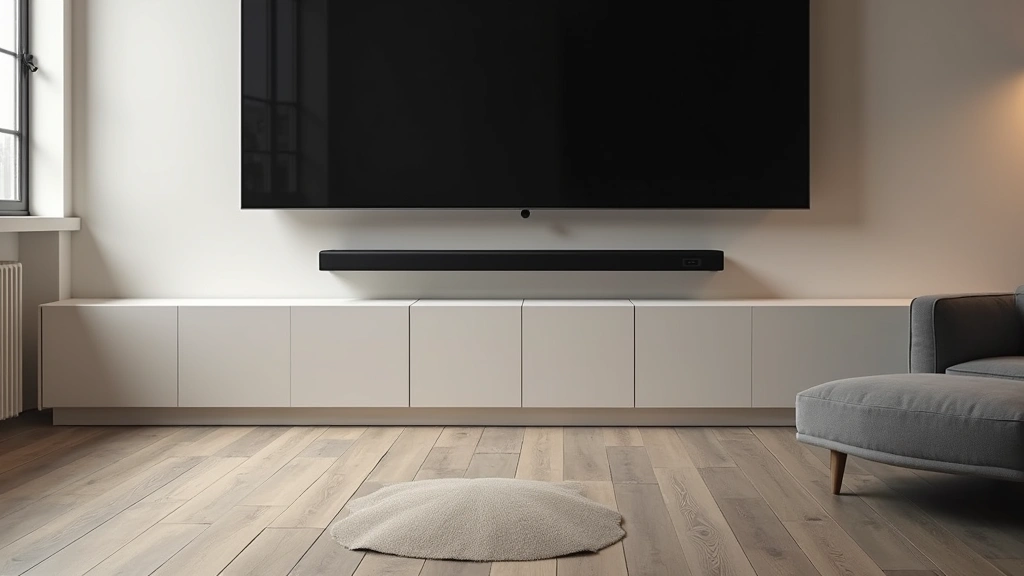
Audio quality has become increasingly critical in AV setups, with soundbars evolving from simple TV speakers to sophisticated multi-driver systems capable of delivering true surround sound experiences. The integration of spatial audio technologies like Dolby Atmos and DTS:X has revolutionized how sound is processed and delivered in compact form factors.
Modern soundbars now feature upward-firing drivers that bounce sound off ceiling surfaces, creating the illusion of overhead audio channels without requiring traditional ceiling-mounted speakers. This approach makes implementing immersive audio practical for apartment dwellers and those unable to modify their spaces. The processing power in contemporary soundbars analyzes incoming audio signals and intelligently distributes them across multiple drivers to maximize the spatial effect.
Wireless connectivity has become standard, with Bluetooth, Wi-Fi, and AirPlay support ensuring seamless integration with various devices. Many premium soundbars now include microphones for voice control integration with Alexa and Google Assistant, adding convenience to entertainment systems. Subwoofer pairing has become more intelligent, with automatic calibration systems that optimize bass response based on room acoustics.
The market leaders including Samsung, LG, and Sonos have introduced models ranging from compact 2.1 systems to elaborate 7.1.4 configurations. CNET’s detailed soundbar comparisons emphasize the importance of driver count, frequency response, and real-world listening tests. Gaming-specific soundbars have emerged with optimized response times for competitive play, addressing the needs of esports enthusiasts.
Next-Generation AV Receivers and Amplifiers
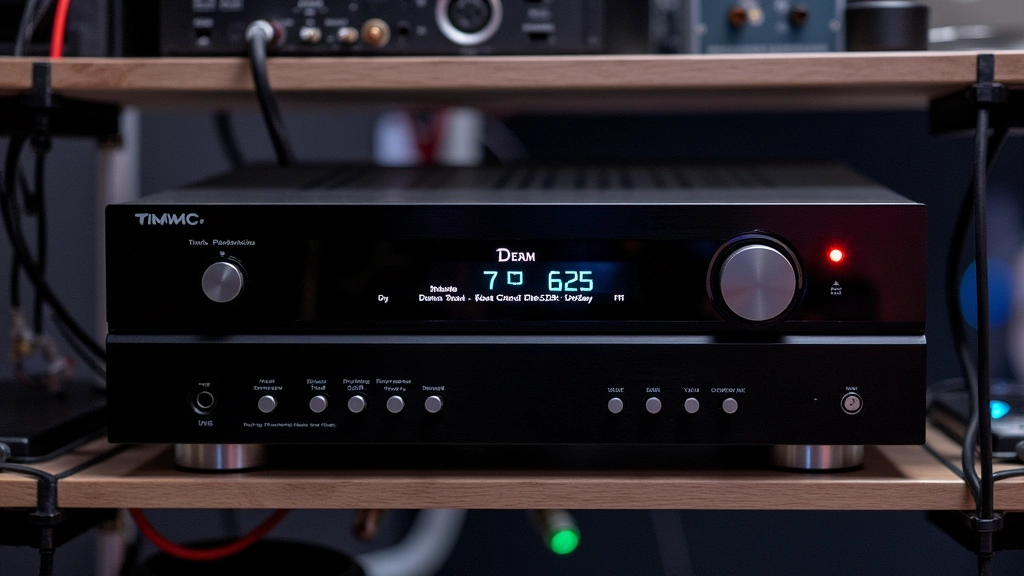
AV receivers serve as the central hub of home theater systems, and 2023 models have introduced unprecedented processing capabilities and connectivity options. Modern receivers now feature HDMI 2.1 support with full bandwidth capabilities, enabling 8K resolution at 60Hz and 4K at 120Hz refresh rates—essential for next-generation gaming consoles and high-end video sources.
The processor architecture has evolved significantly, with dedicated chips handling audio processing separate from video management. This separation prevents audio quality degradation during complex video processing tasks. Support for advanced audio codecs including Dolby Atmos, DTS:X, and AURO-3D ensures compatibility with the latest streaming services and physical media formats.
Room calibration technologies have become more sophisticated, with microphone-based systems that measure the acoustic environment and automatically adjust speaker levels, delays, and equalization. These systems now use machine learning algorithms to optimize performance across different frequency ranges and listening positions. The integration of multiple measurement points ensures accurate calibration even in complex room geometries.
Amplification power has increased substantially, with mid-range receivers now delivering 100-120 watts per channel, sufficient for most home theater applications. Premium models exceed 200 watts per channel, accommodating demanding speakers and large room installations. Class D amplification technology has matured, offering efficiency and thermal management advantages over traditional Class AB designs.
Network connectivity has expanded to include Ethernet, Wi-Fi, and Bluetooth, enabling multi-room audio distribution and integration with smart home systems. Many receivers now function as network audio servers, streaming content from local storage or internet sources. The inclusion of DLNA, AirPlay, and proprietary wireless protocols ensures broad compatibility with existing equipment and services.
Wireless Connectivity and Streaming Solutions
The shift toward wireless connectivity has fundamentally changed how we access and distribute audio-visual content. Streaming devices have become essential components of modern AV setups, with options ranging from dedicated streaming boxes to integrated smart TV platforms. The maturation of wireless standards has addressed previous concerns about latency and reliability, making wireless solutions practical for demanding applications.
Ultra High Definition Streaming has become mainstream, with services like Netflix, Disney+, and Amazon Prime Video offering extensive 4K HDR content libraries. Dedicated streaming devices from Roku, Apple, Amazon, and Google have optimized their platforms for high-bandwidth content delivery and low-latency performance. The integration of advanced video processing including upscaling algorithms and frame interpolation enhances the viewing experience even with lower-resolution sources.
Multi-room audio systems have matured significantly, with wireless protocols like Wi-Fi Direct and proprietary mesh networking ensuring reliable distribution of audio across residential spaces. These systems now support synchronized playback across multiple rooms, creating cohesive audio environments throughout homes. Voice control integration allows users to manage playback, adjust volume, and select content through simple commands.
Mesh networking technology has become critical infrastructure for robust AV system performance. Modern Wi-Fi 6 (802.11ax) routers provide the bandwidth and reliability necessary for simultaneous 4K video streaming and high-quality audio distribution. The inclusion of QoS (Quality of Service) features ensures AV traffic receives priority over other network activity, preventing buffering and dropouts.
Gaming-Focused AV Equipment
The gaming community has driven significant innovations in AV technology, with manufacturers developing specialized equipment that addresses the unique demands of competitive and recreational gaming. Low input lag has become a critical specification, measured in milliseconds, directly impacting competitive performance and gaming enjoyment.
Modern gaming displays and projectors now feature 120Hz or higher refresh rates, synchronized with gaming consoles through variable refresh rate technologies including G-Sync and FreeSync. These technologies eliminate screen tearing and stuttering, creating smooth visual experiences even during fast-paced gameplay. The PlayStation 5 and Xbox Series X have leveraged these advancements, supporting 4K at 120Hz on compatible displays.
Audio innovations specifically designed for gaming include gaming headsets with spatial audio processing, enabling players to accurately locate sounds in three-dimensional space. This capability provides competitive advantages in first-person shooters and tactical games. Haptic feedback integration in some premium audio systems creates immersive experiences through subtle vibrations synchronized with game audio.
AV receiver optimization for gaming has become increasingly common, with features like auto-detect game mode that adjusts processing parameters for minimal latency. The integration of voice chat optimization ensures clear communication during multiplayer sessions. Support for advanced gaming audio codecs and proprietary surround sound formats maximizes immersion while maintaining responsive audio performance.
Professional Installation Trends
The professional AV installation industry has embraced new technologies and methodologies that improve system performance and user experience. Integration with Tech Pulse Hunter Blog resources helps installers stay current with latest developments. Automation systems now control lighting, climate, and motorized elements alongside AV equipment, creating unified control experiences through single interfaces.
The adoption of IP-based AV distribution has transformed how signals are routed and managed in complex installations. Instead of traditional analog or digital connections, IP networks carry video, audio, and control signals, enabling flexible routing and remote management. This approach simplifies installation in existing structures and supports scalable system expansion.
Calibration services have become more sophisticated, with professional technicians using specialized measurement equipment and software to optimize systems for specific environments. Color calibration now extends beyond simple adjustments, with technicians measuring and correcting for ambient light, wall colors, and seating positions. Acoustic calibration similarly accounts for room characteristics and furniture placement.
The integration of AV systems with auto tech jobs sector has created new career opportunities, as automotive applications increasingly incorporate advanced AV technologies. Professional development and certification programs have expanded to address these emerging specializations.
Energy efficiency has become a priority in professional installations, with manufacturers developing components that reduce power consumption without compromising performance. LED and laser-based projection technologies consume significantly less power than traditional lamp-based systems. Advanced power management in receivers and amplifiers reduces standby consumption and optimizes efficiency across operating ranges.
Sustainability considerations now influence purchasing decisions in professional contexts, with installers and clients evaluating lifecycle environmental impact. Manufacturers have responded by improving component durability, offering repair services, and designing systems with end-of-life recycling in mind. The shift toward modular designs enables upgrades without complete system replacement, extending equipment lifespan.
FAQ
What distinguishes premium AV gadgets from standard consumer equipment?
Premium AV equipment typically features superior build quality, advanced processing capabilities, comprehensive connectivity options, and refined audio-visual performance. Premium projectors offer higher brightness, better color accuracy, and more flexible installation options. Soundbars and receivers in the premium segment include sophisticated spatial audio processing, more powerful amplification, and extensive customization options. The distinction often justifies higher prices through measurable performance improvements and longer operational lifespans.
How important is HDMI 2.1 support in modern AV receivers?
HDMI 2.1 support has become essential for future-proofing AV investments. It enables 8K resolution, higher refresh rates for gaming, and enhanced color depth. While current content libraries don’t extensively utilize these capabilities, HDMI 2.1 ensures compatibility with next-generation gaming consoles, streaming services, and video sources that will emerge in coming years. For gaming enthusiasts particularly, HDMI 2.1 support is critical for optimal performance.
Can wireless audio systems match wired connections in sound quality?
Modern wireless audio technologies have largely eliminated perceptible quality differences for most listeners. Lossless wireless codecs like aptX HD and LDAC deliver high-fidelity audio wirelessly, while traditional lossy codecs like AAC and SBC provide excellent quality for casual listening. Professional applications and critical listening scenarios may still prefer wired connections for absolute quality assurance, but consumer-grade wireless systems now deliver outstanding sound quality with the convenience of wireless operation.
What room characteristics most impact projector performance?
Room size, ambient light control, screen material, and wall color significantly affect projector performance. Larger rooms benefit from higher-brightness projectors to maintain adequate screen brightness. Ambient light control through blackout curtains or light-blocking materials improves contrast and color accuracy. Projection surface quality matters considerably, with dedicated projection screens outperforming painted walls through superior gain and color reproduction. Wall colors influence perceived color accuracy, making neutral tones preferable to highly saturated or reflective surfaces.
How do I choose between soundbar and traditional speaker systems?
Soundbars offer convenience, space efficiency, and simplified installation, making them ideal for apartments and small spaces. Traditional speaker systems provide superior sound quality, customizable configurations, and better long-term upgrade paths. Consider your available space, aesthetic preferences, budget, and audio quality expectations. For casual viewing and space constraints, soundbars excel. For dedicated home theater rooms and critical listening, traditional speaker systems typically deliver superior performance. Many enthusiasts combine both, using soundbars in secondary spaces while maintaining traditional systems in primary entertainment areas.
What should I prioritize when building an AV system?
Start with display technology, as the projector or television forms the visual foundation. Next, invest in audio equipment appropriate to your space and preferences. Select an AV receiver with sufficient processing power and connectivity for your needs. Finally, add streaming devices and connectivity solutions that integrate with your lifestyle. This approach ensures balanced system performance and prevents bottlenecks where weak components limit overall quality. Consider your budget allocation, with typical recommendations suggesting 40% for display, 30% for audio, 20% for receiver/processing, and 10% for accessories and cables.