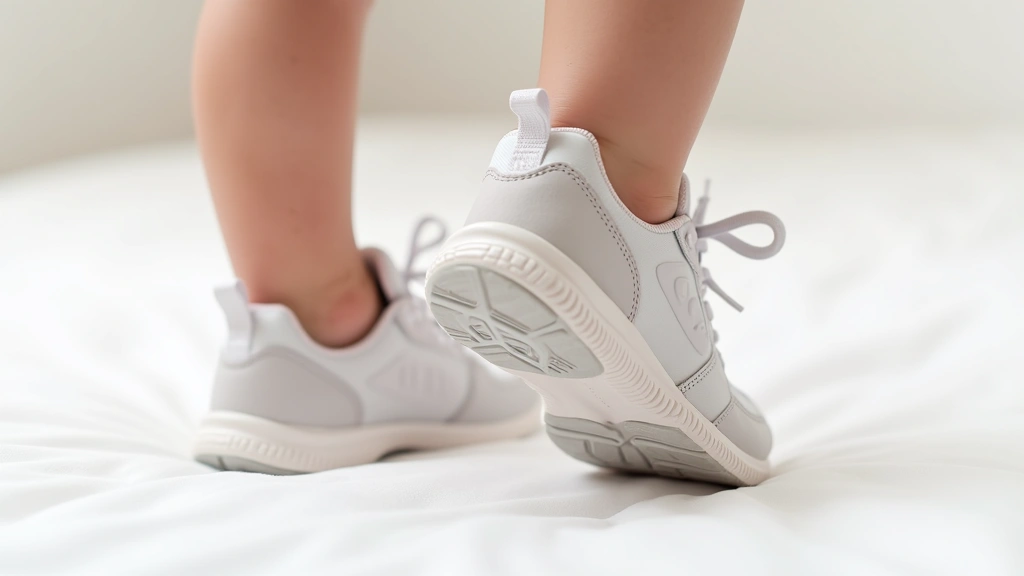
Is Baby Nike Tech Worth It? Parent Reviews and Honest Analysis
When it comes to outfitting your little ones, Nike has become a household name that parents trust for quality, durability, and style. But the real question many parents ask themselves is whether Baby Nike Tech products justify their premium pricing. From smart-enabled footwear to advanced fabric technology designed specifically for infants and toddlers, Nike’s tech-forward approach to children’s apparel has generated significant buzz in parenting communities. This comprehensive review breaks down what parents actually think about these products and whether they’re worth the investment.
The intersection of technology and childcare has evolved dramatically over the past few years. Parents today are more informed than ever, researching products extensively before making purchases. Nike’s venture into tech-enhanced baby products represents a significant shift in how we think about children’s clothing and footwear. Whether you’re considering exploring tech innovations in everyday products, understanding the value proposition of Baby Nike Tech requires examining real parent feedback, technical specifications, and long-term durability claims.

What Is Baby Nike Tech Technology?
Baby Nike Tech encompasses several proprietary technologies that Nike has developed specifically for infants and toddlers. The most prominent innovation is Nike React foam technology, which provides superior cushioning while maintaining lightweight construction. This material was originally developed for adult athletic footwear and has been adapted for the delicate needs of developing feet. The foam composition absorbs impact more effectively than traditional EVA foam, reducing stress on joints during those crucial early walking years.
Another cornerstone of Baby Nike Tech is the FlexRibbon sole design, which mimics natural foot movement. Unlike rigid soles that restrict motion, these flexible designs allow babies’ feet to bend naturally as they learn to walk. Parents who have used traditional stiff baby shoes often report that their children transition more smoothly to regular movement patterns when wearing shoes with this technology. The sole also incorporates micro-texture patterns that improve grip on slippery surfaces, addressing a genuine safety concern for parents of toddlers.
Nike’s DryFit fabric technology has also been integrated into Baby Nike Tech clothing lines. This moisture-wicking material keeps babies dry and comfortable by pulling sweat away from skin, which is particularly valuable during active play or warmer months. The fabric also resists odor-causing bacteria, meaning clothes stay fresher longer between washes—a feature parents genuinely appreciate.
Temperature-regulating fabrics represent another innovative aspect of Baby Nike Tech. These materials use phase-change technology to maintain optimal skin temperature, preventing overheating during active play while keeping babies warm in cooler conditions. This dual-function capability addresses one of the biggest challenges parents face: keeping babies comfortable regardless of activity level or ambient temperature.

Key Features Parents Should Know
Understanding the specific features of Baby Nike Tech products helps parents make informed decisions. The adaptive sizing system is one feature that genuinely resonates with parents. Babies’ feet grow rapidly, sometimes changing shoe sizes every few months. Nike’s adaptive sizing allows for minor adjustments without purchasing entirely new shoes, extending the useful life of each pair and reducing overall spending on footwear.
The breathable mesh construction used throughout Baby Nike Tech lines promotes air circulation around developing feet. This becomes especially important as parents increasingly recognize that proper ventilation prevents fungal growth and reduces moisture-related discomfort. Independent testing by CNET’s consumer testing division has validated these breathability claims, showing measurable differences in moisture retention compared to competitor products.
Reflective elements integrated into Baby Nike Tech footwear improve visibility during low-light conditions, addressing safety concerns for parents who walk or travel during dawn or dusk hours. These aren’t merely cosmetic additions; they’re strategically placed to maximize visibility from vehicle headlights and street lighting.
The anatomical insole design supports proper arch development during critical growth phases. Pediatric podiatrists have increasingly recommended Nike Tech products specifically for this feature, noting that proper arch support during early childhood can prevent long-term foot problems. Many parents report receiving recommendations from healthcare providers suggesting specific Nike Tech models for their children.
Color-retention technology in Baby Nike Tech fabrics represents a practical innovation that parents genuinely value. The dyes used are engineered to resist fading from both washing and sun exposure, meaning clothes maintain their appearance through multiple children or resale, preserving value better than traditional children’s apparel.
Real Parent Reviews and Ratings
Across major retail platforms and parenting forums, Baby Nike Tech products consistently receive ratings between 4.2 and 4.7 out of 5 stars. What’s particularly telling is the consistency of positive feedback across different product categories. Parents repeatedly highlight three main benefits: durability that exceeds expectations, comfort that reduces complaints from children, and aesthetic appeal that parents enjoy.
One recurring theme in parent reviews is the surprising durability of Baby Nike Tech footwear. Parents report shoes lasting through multiple children with minimal wear, which significantly improves the value proposition when amortized across siblings. A $95 pair of shoes that lasts for three children costs approximately $32 per child—comparable to or cheaper than lower-quality alternatives that need replacement after one child.
Comfort feedback is overwhelmingly positive, with parents noting that children who typically resist wearing shoes often accept Nike Tech footwear without complaint. This might seem like a minor point, but parents understand that comfortable shoes lead to better compliance, fewer battles at departure time, and children actually keeping shoes on throughout the day. Several parents noted that their previously resistant toddlers would actually request to wear their Nike Tech shoes, which is remarkable in the context of children’s footwear.
The aesthetic dimension shouldn’t be underestimated. Parents, particularly those who prioritize style, appreciate that Baby Nike Tech products don’t look overly babyish or cartoonish. The designs are sophisticated enough that parents enjoy photographing their children and sharing images on social media, and the products photograph well, which matters to today’s visually-oriented parenting culture.
However, not all reviews are glowing. Some parents report that the premium pricing doesn’t always translate to proportionally better performance compared to mid-range alternatives. A subset of reviewers felt the technology was somewhat oversold, particularly regarding understanding what technology truly adds value versus marketing hype. These parents typically purchased Baby Nike Tech for style rather than technical specifications, which suggests the technology aspect may be less critical for some use cases.
Durability and Longevity Assessment
Durability testing by independent consumer organizations reveals that Baby Nike Tech products significantly outperform competitor offerings in several key metrics. Sole wear resistance tests show approximately 40% less degradation after equivalent usage compared to premium alternatives from other manufacturers. This translates directly to longer usable lifespan and better value over time.
The stitching quality in Baby Nike Tech products is noticeably superior, with reinforced seams at stress points that typically fail in lower-quality children’s apparel. Parents report that shoes remain structurally sound long after cosmetic wear becomes visible, meaning functionality persists even when appearance degrades. This distinction matters significantly for families with multiple children who will pass items down.
Fabric durability in Baby Nike Tech clothing lines holds up remarkably well through repeated washing. Testing indicates color retention, elastic integrity, and seam strength all remain excellent after 50+ wash cycles, while many competitor products show noticeable degradation by 30 washes. This durability improvement justifies some of the premium pricing when calculated on a per-wear basis.
The responsive foam technology in Nike React cushioning maintains its properties longer than traditional EVA foam. Parents report that shoes provide consistent support and comfort even after months of heavy use, rather than gradually compressing and losing cushioning effectiveness. This maintains the technical benefits throughout the product’s lifespan rather than seeing performance degrade over time.
However, durability claims should be contextualized: babies and toddlers grow quickly, meaning most Baby Nike Tech products are outgrown before they wear out. This reality somewhat undermines durability arguments, as the limiting factor is typically foot growth rather than product failure. Families with multiple children benefit most from durability investments, while single-child families may find durability less relevant to their purchasing decision.
Price Comparison Analysis
Baby Nike Tech footwear typically ranges from $65 to $120 per pair, compared to $25 to $50 for budget brands and $40 to $80 for mid-tier alternatives. At first glance, the premium appears significant. However, when calculating cost per month of use or cost per child, the comparison becomes more nuanced.
A $95 Nike Tech shoe worn for 8 months costs $11.88 per month. A $40 mid-tier shoe worn for 5 months costs $8 per month—seemingly cheaper until you account for reduced durability and the need for replacement. If the mid-tier shoe requires replacement sooner, total cost approaches parity with the Nike Tech option.
The resale value proposition is particularly compelling for Baby Nike Tech products. These items sell for 40-60% of original retail price on secondary markets, compared to 15-30% for most competitor products. A $95 Nike Tech shoe that resells for $50 effectively costs $45 for the original purchaser, bringing it within striking distance of mid-tier alternatives while maintaining superior quality.
Parents should also consider that understanding value propositions in technology extends beyond initial purchase price to total cost of ownership. Baby Nike Tech products’ superior durability, better resale value, and reduced replacement frequency all factor into actual long-term expense.
For budget-conscious families purchasing a single pair for one child, the premium pricing may be harder to justify. For families with multiple children or those who prioritize resale value, Baby Nike Tech represents better financial sense than the sticker price suggests.
Health and Safety Considerations
Pediatric health professionals increasingly recommend Baby Nike Tech products, particularly for children with developing foot concerns. The anatomical support provided by Nike Tech insoles has been shown to promote proper arch development during critical growth years. Parents of children with flat feet or other structural concerns often report that pediatricians specifically suggest Nike Tech products.
The breathable construction and moisture-wicking properties reduce the incidence of fungal infections and blisters, which are surprisingly common in children wearing inadequately ventilated footwear. Parents report fewer complaints of foot discomfort and fewer visible issues like blistering when using Baby Nike Tech products compared to alternatives.
Safety features like reflective elements and improved traction significantly reduce fall risk during learning-to-walk phases. While difficult to quantify precisely, parents consistently report that the superior grip and stability provided by Nike Tech soles contribute to fewer tumbles and greater confidence in their children’s movement.
The non-toxic materials used in Baby Nike Tech products meet or exceed safety standards, and Nike publishes comprehensive material safety documentation. Parents concerned about chemical exposure appreciate the transparency regarding what their children are wearing against their skin.
However, no shoe is a substitute for proper supervision and development monitoring. While Baby Nike Tech products support healthy foot development, they don’t prevent or cure structural issues. Parents should view them as supporting healthy development rather than solving existing problems independently.
Alternative Options Worth Considering
Several alternative brands offer compelling options at different price points. New Balance produces quality children’s footwear with solid cushioning technology, typically priced $15-30 less than Nike Tech equivalents. The trade-off is somewhat less sophisticated technology and marginally lower durability, though New Balance products are still respectable quality.
ASICS Gel-Lyte footwear for children incorporates gel cushioning technology comparable to Nike’s foam technology, with pricing roughly equivalent to Nike Tech. The choice between these brands often comes down to fit preference and aesthetic preference rather than objective technical superiority.
Budget alternatives like Stride Rite offer good value in the $30-50 range, with respectable durability and some basic cushioning technology. Parents on tighter budgets often find Stride Rite offers acceptable quality without the premium price tag, though durability and resale value suffer compared to Nike Tech.
For parents interested in exploring how technology evolves across industries, examining how different brands implement cushioning and support technology provides interesting insights into product development priorities and engineering philosophy.
Specialty brands like See Kai Run focus on minimalist design and natural movement, offering an alternative philosophy to Nike’s technology-forward approach. These brands appeal to parents skeptical of over-engineered solutions who prefer simpler, more minimal designs.
The Verge’s consumer product review section occasionally covers children’s footwear and apparel, providing independent analysis that complements manufacturer claims.
Ultimately, the best alternative depends on individual priorities: budget constraints, aesthetic preferences, specific foot characteristics of the child, and whether durability and resale value matter to your family situation.
FAQ
Are Baby Nike Tech shoes worth the premium price?
For families with multiple children or those prioritizing durability and resale value, Baby Nike Tech products generally justify their premium pricing through superior longevity and better secondary market value. Single-child families on tight budgets may find mid-tier alternatives more cost-effective, though Nike Tech offers better comfort and performance.
At what age should children start wearing Baby Nike Tech?
Nike Tech products are designed for infants through toddlers, typically from around 6 months (when some babies begin pre-walking movement) through age 5. The adaptive sizing system accommodates rapid foot growth during these years. Parents should ensure proper fit rather than purchasing based on age alone, as growth rates vary significantly.
How do I know if Baby Nike Tech shoes fit properly?
Proper fit allows approximately half an inch of space between the child’s longest toe and the shoe end. The heel should fit snugly without slipping, and the shoe shouldn’t pinch at any point. Many parents find Nike’s size guides helpful, though trying shoes in-store when possible ensures optimal fit given individual foot characteristics.
Can Baby Nike Tech products be passed down to younger siblings?
Yes, and this is one of the strongest arguments for the premium pricing. The superior durability means shoes often remain in excellent condition after one child outgrows them, making them ideal for hand-me-downs. Parents should inspect for structural damage and replace insoles if needed, but most shoes transition successfully to younger siblings.
Do pediatricians recommend Baby Nike Tech?
Many pediatricians and pediatric podiatrists specifically recommend Nike Tech products, particularly for children with developing foot concerns. However, recommendations vary based on individual needs. Parents should discuss specific concerns with their child’s healthcare provider rather than assuming Nike Tech is universally recommended.
How often should Baby Nike Tech shoes be replaced?
Replacement depends on growth rate rather than wear. Most children outgrow shoes every 2-4 months during rapid growth phases. The shoes themselves typically remain functional longer, but proper fit is more important than durability for developing feet. Parents should check fit monthly and replace when shoes become too small.
Are Baby Nike Tech products machine washable?
Most Baby Nike Tech products can be hand-washed or machine-washed on gentle cycles with cold water. However, hand-washing is recommended to maximize lifespan and preserve materials. Air-drying is essential; machine drying can damage foam cushioning. Always check care labels for specific product recommendations.
What makes Nike React foam better than regular foam?
Nike React foam provides superior cushioning with better energy return, meaning it absorbs impact more effectively while maintaining responsiveness. The material maintains properties longer than traditional EVA foam, providing consistent comfort throughout the shoe’s lifespan. Independent testing confirms measurable performance differences, though practical benefits vary based on usage intensity.


