
Is Radiology Tech Right for You? Expert Insights on Bachelor’s in Radiology Tech
The healthcare technology field is experiencing unprecedented growth, and radiology technology stands at the forefront of this revolution. A bachelor’s in radiology tech represents one of the most compelling career pathways for individuals interested in combining medical expertise with cutting-edge imaging technology. Whether you’re contemplating this educational investment or exploring healthcare career options, understanding what this degree entails, the skills you’ll develop, and the career prospects ahead is essential for making an informed decision.
Radiology technologists are the clinical professionals who operate sophisticated imaging equipment, from traditional X-rays to advanced CT scanners and MRI machines. These specialists play a critical role in patient diagnosis and treatment planning. The field demands not only technical proficiency but also strong interpersonal skills, attention to detail, and a commitment to patient safety. Before pursuing a comprehensive education in healthcare technology, prospective students should evaluate whether this career aligns with their professional goals, personality, and lifestyle expectations.
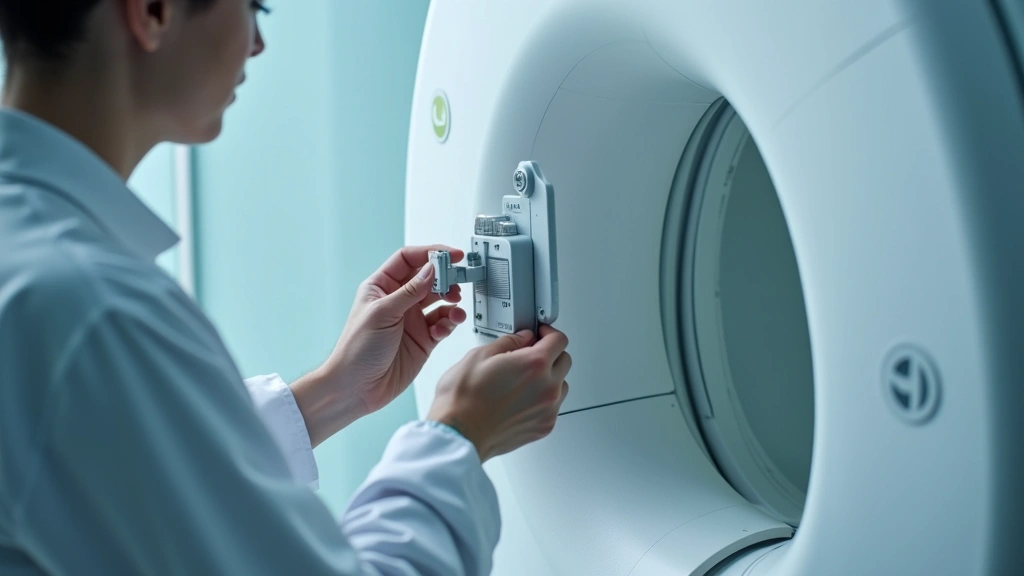
What Does a Bachelor’s in Radiology Tech Involve?
A bachelor’s degree in radiology technology typically spans four years and combines theoretical classroom instruction with extensive clinical practice. Unlike shorter radiologic technologist programs, bachelor’s programs provide deeper education in physics, patient care, advanced imaging modalities, and professional development. Students gain comprehensive knowledge of how imaging equipment functions at a fundamental level, enabling them to troubleshoot issues, optimize image quality, and understand the physics principles underlying different imaging techniques.
The program structure generally includes prerequisite courses in anatomy, physiology, chemistry, and mathematics during the first year. These foundational sciences prepare students for advanced coursework in radiographic positioning, image production, and radiation protection. Many programs also incorporate business and management coursework, preparing graduates for potential leadership roles in healthcare facilities. The technology tools and systems used in modern education have revolutionized how radiology programs deliver content, with virtual simulations and digital learning platforms complementing hands-on laboratory work.
Bachelor’s programs distinguish themselves through their emphasis on critical thinking and professional competency. Students learn not just how to operate equipment, but why certain protocols exist, how to adapt to different patient populations, and how to maintain ethical standards in medical imaging. This comprehensive approach prepares graduates for advanced certifications, specialized roles, and potential career progression into supervisory or educational positions.

Core Curriculum and Technical Skills
The technical foundation of a radiology tech bachelor’s program is rigorous and multifaceted. Students master radiographic physics, understanding how X-rays are produced, how they interact with matter, and how to manipulate exposure factors to produce diagnostic-quality images. This knowledge extends to advanced modalities including computed tomography (CT), magnetic resonance imaging (MRI), and fluoroscopy. Each imaging type requires distinct technical expertise and safety protocols.
Radiation protection and safety constitute a mandatory component of every radiology program. Students learn about radiation biology, dose management, and regulatory compliance with organizations like the Nuclear Regulatory Commission and state health departments. Understanding ALARA (As Low As Reasonably Achievable) principles becomes second nature to graduates. This knowledge protects not only patients but also technologists themselves, who face occupational radiation exposure throughout their careers.
Patient care and communication skills are woven throughout the curriculum. Radiology technologists interact with patients from diverse backgrounds, ages, and medical conditions. Bachelor’s programs emphasize compassion, cultural sensitivity, and the ability to explain procedures clearly to anxious or confused patients. Students practice positioning techniques on mannequins and classmates, developing the physical dexterity and spatial reasoning necessary for precise image acquisition.
Digital technology integration represents another critical skill area. Modern radiology departments operate entirely within digital ecosystems, utilizing Picture Archiving and Communication Systems (PACS), Electronic Health Records (EHR), and Radiology Information Systems (RIS). Students become proficient with these systems, understanding data management, image storage, and the cybersecurity considerations inherent in handling sensitive medical information. The intersection of cloud computing benefits for healthcare organizations increasingly influences how radiology departments manage imaging data and ensure accessibility across healthcare networks.
Clinical Training and Hands-On Experience
The practical component of a bachelor’s in radiology tech cannot be overstated. Most programs require 1,000 to 2,000 hours of clinical internship, typically distributed across the final two years of study. Students work in hospital radiology departments, outpatient imaging centers, or specialty clinics under the supervision of experienced radiologic technologists and radiologists. This real-world experience transforms theoretical knowledge into clinical competence.
During clinical rotations, students encounter the full spectrum of radiographic procedures. They perform chest X-rays, extremity radiographs, abdominal imaging, and specialized procedures like barium studies and angiography. As they progress, students handle more complex cases, developing confidence and efficiency. The clinical preceptor evaluates student performance on technical accuracy, patient care, safety compliance, and professional demeanor. This hands-on training ensures that graduates enter the workforce with practical skills and confidence.
Clinical education also exposes students to the healthcare environment’s reality. They experience shift work, high-pressure situations, difficult patients, and the collaborative nature of medical imaging. This exposure helps students determine whether they thrive in such environments or whether alternative career paths might suit them better. Many programs intentionally rotate students through different facility types and imaging departments to provide diverse experience and help students identify their preferred specialization areas.
Certification and Licensing Requirements
Upon completing a bachelor’s in radiology tech, graduates must obtain professional credentials to practice independently. The primary certification is the Registered Radiologic Technologist (RT(R)) credential, administered by the American Registry of Radiologic Technologists (ARRT). This certification requires passing a comprehensive examination covering radiographic positioning, physics, patient care, and radiation protection.
Most states require state licensure in addition to ARRT certification. Licensure requirements vary by state, with some requiring only ARRT certification while others impose additional state-specific exams or continuing education requirements. Graduates should research their intended practice state’s requirements before enrollment, as these regulations influence career mobility and job prospects.
Advanced certifications build upon the foundational RT(R) credential. Technologists can pursue specialized certifications in CT (RT(CT)), MRI (RT(MR)), mammography (RT(M)), or vascular interventional radiography (RT(VI)). Many employers encourage or require these additional credentials for specialized positions. The combination of a bachelor’s degree and multiple certifications significantly enhances career advancement opportunities and earning potential.
Continuing education requirements maintain licensure and certification throughout a technologist’s career. Most states mandate 24 to 36 continuing education hours every two years. This ongoing learning ensures that technologists remain current with technological advances, regulatory changes, and best practices in medical imaging. The commitment to lifelong learning appeals to individuals passionate about professional development and staying at the forefront of healthcare technology.
Career Opportunities and Specializations
A bachelor’s in radiology tech opens doors to diverse career pathways beyond traditional hospital-based radiography. While hospital radiology departments remain the largest employer of radiologic technologists, opportunities exist across numerous healthcare settings and specializations. Understanding these options helps prospective students evaluate whether the degree aligns with their career aspirations.
Hospital Radiology Departments employ the majority of radiologic technologists. These facilities offer diverse imaging modalities, steady employment, and opportunities for specialization. Hospitals typically provide comprehensive benefits, continuing education support, and clear advancement pathways. However, hospital work often involves shift work, including nights, weekends, and on-call responsibilities.
Outpatient Imaging Centers focus on specific imaging types like MRI, CT, or ultrasound. These facilities typically operate standard business hours with less emergency coverage, appealing to technologists seeking work-life balance. However, they may offer less variety in case types and fewer advancement opportunities.
Specialized Roles include interventional radiology, where technologists assist radiologists during image-guided procedures; mammography, focusing on breast imaging and cancer detection; nuclear medicine, utilizing radioactive tracers; and cardiovascular imaging, supporting cardiac and vascular imaging procedures. Each specialization requires additional training and certification but offers enhanced expertise and often higher compensation.
Education and Administration represent career progression opportunities for experienced technologists. Some graduates pursue teaching positions in radiology programs, sharing expertise with future technologists. Others transition into administrative roles, managing radiology departments, overseeing quality assurance, or developing imaging protocols. These positions typically require several years of clinical experience but offer daytime schedules and reduced physical demands.
Research and Development positions exist with imaging equipment manufacturers, where technologists contribute to equipment design, testing, and clinical training. These roles combine technical expertise with innovation, appealing to technologists interested in advancing imaging technology. Similarly, artificial intelligence applications in medical imaging are creating new opportunities for technologists skilled in both radiology and emerging AI technologies.
Salary Expectations and Job Growth
According to the U.S. Bureau of Labor Statistics, the median annual salary for radiologic technologists is approximately $65,000 to $70,000, with experienced technologists and those in specialized roles earning significantly more. Bachelor’s degree holders typically earn more than associate degree graduates, with salary increases of 10-15% commonly attributed to the additional education. Geographic location, facility type, and specialization substantially influence earning potential, with metropolitan areas and specialized roles offering higher compensation.
Job growth projections for radiologic technologists remain positive. The aging population’s increased medical imaging needs, combined with technological advancements creating new imaging modalities, drive demand for qualified technologists. The Bureau of Labor Statistics projects 7-10% growth over the next decade, faster than average for most occupations. This growth trajectory suggests strong job security and employment opportunities for new graduates entering the field.
Specialization significantly impacts earning potential. Technologists certified in CT, MRI, or mammography command higher salaries than those with only general radiography credentials. Interventional radiography and cardiovascular imaging specializations offer premium compensation due to the advanced skills required and the critical nature of these procedures. Pursuing multiple certifications strategically throughout one’s career substantially increases lifetime earnings.
Benefits packages vary by employer but typically include health insurance, retirement plans, and continuing education support. Many healthcare employers offer tuition reimbursement for employees pursuing advanced certifications, effectively reducing the cost of professional development. Understanding total compensation packages, not just base salary, provides a more accurate picture of career financial benefits.
Is This Career Path Right for You?
Determining whether a bachelor’s in radiology tech suits your personality, values, and lifestyle requires honest self-assessment. Consider your comfort level with the following factors:
- Patient Interaction: Radiology technologists regularly work with patients experiencing anxiety, pain, or confusion. Compassion, patience, and clear communication are essential. If you find patient interaction draining or lack empathy, this career may not satisfy you.
- Technical Aptitude: Success in radiology requires understanding complex equipment, troubleshooting technical issues, and adapting to rapidly evolving technology. If you lack comfort with technology or find continuous learning frustrating, reconsider this path.
- Physical Demands: Radiologic technologists spend entire shifts standing, often positioning patients who cannot move independently. Back injuries and repetitive strain injuries are occupational hazards. If you have physical limitations or joint problems, discuss feasibility with healthcare professionals before committing to this career.
- Shift Work Tolerance: Hospital-based radiology operates 24/7. Entry-level positions frequently include nights, weekends, and on-call responsibilities. If you require consistent daytime schedules or have significant caregiving responsibilities, explore outpatient-focused opportunities or non-hospital settings.
- Stress Management: Medical imaging environments can be stressful, with emergencies, critically ill patients, and high-pressure situations occurring regularly. Developing effective stress management strategies and maintaining work-life balance is crucial for long-term career satisfaction.
- Continuous Learning Commitment: Healthcare technology evolves constantly. Successful technologists embrace lifelong learning, pursue advanced certifications, and stay current with industry developments. If you prefer static knowledge and stable routines, this dynamic field may frustrate you.
- Financial Considerations: While radiology tech offers solid earning potential, bachelor’s program tuition and living expenses during four years of education represent significant investment. Evaluate whether potential salary aligns with your financial goals and whether student loan debt seems manageable.
Prospective students benefit from shadowing experienced radiologic technologists, observing daily work, asking about challenges and rewards, and assessing whether the reality matches their expectations. Many hospitals and imaging centers welcome pre-enrollment observations. This firsthand experience provides invaluable insight into whether this career genuinely appeals to you or whether alternative healthcare careers might better suit your interests and circumstances.
The decision to pursue a career in technology-driven fields like radiology tech should align with your core values, whether that’s helping patients, working with advanced technology, or pursuing intellectual challenges. Take time for genuine reflection before committing to this educational and professional pathway.
FAQ
How long does a bachelor’s in radiology tech take to complete?
Most bachelor’s programs in radiologic technology require four years of full-time study. This includes two years of general education and core science courses followed by two years of specialized radiology coursework and clinical internships. Some accelerated programs may compress this timeline, but four years remains standard.
Can I work as a radiologic technologist with only an associate degree?
Yes, many radiologic technologists complete two-year associate degree programs and obtain ARRT certification. However, bachelor’s degree holders typically earn more, have better advancement opportunities, and qualify for supervisory or educational roles. The choice depends on your career goals and financial circumstances.
What is the job outlook for radiologic technologists?
The U.S. Bureau of Labor Statistics projects 7-10% job growth for radiologic technologists through 2033, faster than average for most occupations. Aging populations requiring more medical imaging and technological advancements creating new specializations drive this positive outlook.
Do I need to pass an exam to become a registered radiologic technologist?
Yes, you must pass the ARRT examination to obtain the RT(R) credential. Most bachelor’s programs prepare students thoroughly for this comprehensive exam, which covers radiographic positioning, physics, patient care, and radiation protection. Additionally, most states require state licensure, which may involve additional exams.
Can radiologic technologists specialize in specific imaging types?
Absolutely. After obtaining basic RT(R) certification, technologists pursue specialized credentials in CT, MRI, mammography, nuclear medicine, ultrasound, or vascular interventional radiography. These specializations require additional training and certification but significantly enhance career opportunities and earning potential.
What skills are most important for success in radiology technology?
Critical skills include technical aptitude with medical equipment, strong patient communication and empathy, attention to detail, physical stamina, stress management, and commitment to continuous learning. Problem-solving abilities and the capacity to work effectively in high-pressure environments also contribute to professional success.
Are there non-hospital career options for radiologic technologists?
Yes, radiologic technologists work in outpatient imaging centers, specialty clinics, dental offices, veterinary facilities, research institutions, and equipment manufacturing companies. Some transition into education, administration, or quality assurance roles. Bachelor’s degree holders have particularly diverse career options.
How much does a bachelor’s in radiology tech cost?
Tuition varies significantly based on institution type and location. Public universities typically charge $20,000-$40,000 total for four years, while private institutions may cost $60,000-$120,000 or more. Financial aid, scholarships, and employer sponsorship programs can reduce out-of-pocket expenses substantially.


