
Barry Tech Programs: Are They Right for You? Expert Insights
Barry Tech, operated through Nassau BOCES (Board of Cooperative Educational Services), represents one of Long Island’s premier technical education pathways for students seeking hands-on career training in technology fields. Whether you’re a high school student exploring vocational options or an adult considering a career pivot, understanding what Barry Tech offers is essential to making an informed decision about your educational future.
The program emphasizes real-world technical skills development combined with industry-standard certifications and competitive job placement rates. With comprehensive curricula spanning IT infrastructure, cybersecurity, networking, and emerging technologies, Barry Tech programs bridge the gap between classroom learning and workplace readiness. This comprehensive guide examines whether Barry Tech’s offerings align with your career aspirations and technical aptitude.

What is Barry Tech and Nassau BOCES?
Nassau BOCES operates Barry Tech as a specialized technical center serving Nassau County students and young adults. The institution provides career and technical education (CTE) programs designed to develop job-ready professionals in high-demand technology sectors. Unlike traditional high schools focusing on broad academics, Barry Tech concentrates resources on specialized technical training with direct industry relevance.
The program operates under New York State’s BOCES system, which ensures curriculum alignment with state standards while maintaining flexibility to respond to industry demands. This structure allows Barry Tech to update coursework rapidly as technology evolves, ensuring graduates possess current, marketable skills. The center serves approximately 1,500+ students annually across multiple program tiers and schedules.
Barry Tech’s mission centers on preparing students for immediate employment or advanced technical education. The facility maintains partnerships with regional employers, technology vendors, and higher education institutions to create seamless educational pathways. This collaborative approach distinguishes Barry Tech from traditional vocational schools, positioning graduates for competitive advantage in the tech job market.
Core Program Offerings and Specializations
Barry Tech offers approximately 15-20 different technology-focused programs, each designed around specific career clusters. Primary program categories include Information Technology, Cybersecurity, Network Administration, Computer Support Technician, and emerging areas like cloud computing and IT project management.
Information Technology Fundamentals serves as an entry-level pathway for students new to tech careers. This program covers hardware basics, operating systems, troubleshooting methodologies, and foundational networking concepts. Students learn on industry-standard equipment identical to what they’ll encounter in professional environments.
Cybersecurity Specialization addresses the growing demand for security professionals. The curriculum covers threat identification, security protocols, ethical hacking principles, and compliance frameworks. Students work with current security tools and defensive technologies, preparing them for roles in information security across various industries.
Network Administration trains students to design, implement, and maintain network infrastructure. Coursework includes router configuration, switch management, network troubleshooting, and security implementation. Graduates qualify for entry-level network technician positions or pursue advanced certifications.
Computer Support Technician programs prepare students for Help Desk and technical support roles. Training emphasizes customer service skills alongside technical troubleshooting, remote support tools, ticketing systems, and user management. This pathway offers immediate employment opportunities with reasonable entry-level compensation.
Barry Tech also offers cloud computing and infrastructure programs addressing the industry’s shift toward cloud-based solutions. Students gain hands-on experience with AWS, Azure, and Google Cloud platforms, positioning them for cloud architect and administrator roles.
Hands-On Learning Environment and Equipment
A defining feature of Barry Tech is its commitment to hands-on, experiential learning. Rather than theoretical classroom instruction, students spend significant time in dedicated labs with professional-grade equipment. This approach mirrors workplace conditions and accelerates skill development compared to lecture-based education.
The facility maintains multiple specialized laboratories:
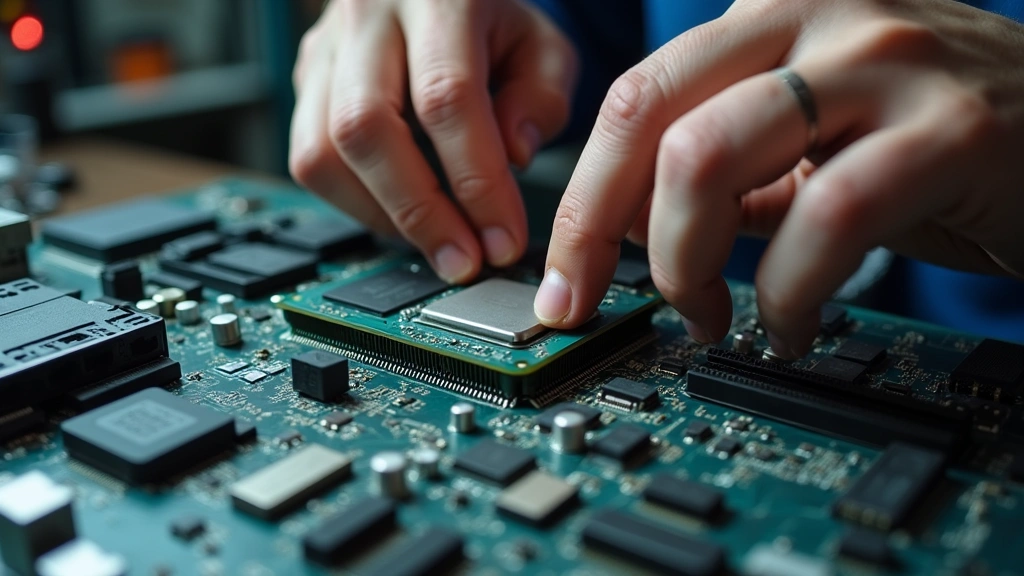
- Hardware Labs: Workstations for building computers, upgrading components (similar to upgrading laptop memory), and diagnosing hardware failures
- Networking Labs: Cisco equipment, switches, routers, and simulation software for configuring real network scenarios
- Cybersecurity Labs: Virtual environments for ethical hacking, penetration testing, and security analysis without affecting live systems
- Server Rooms: Windows and Linux servers for hands-on administration and maintenance
- Cloud Computing Labs: Virtual environments for AWS, Azure, and Google Cloud platform training
Equipment regularly updates to reflect current industry standards. Barry Tech invests in partnerships with major tech vendors like Cisco, CompTIA, and Microsoft, ensuring students access cutting-edge technology. This commitment to modern equipment provides significant competitive advantage over programs using outdated hardware.
The lab-centric approach means students graduate with genuine hands-on experience, not just theoretical knowledge. Employers recognize this practical foundation, often preferring Barry Tech graduates over candidates with purely academic backgrounds.
Industry Certifications and Career Pathways
Barry Tech programs integrate industry-recognized certifications throughout curriculum, providing credentials that directly enhance employment prospects. Students earn certifications while completing their programs, entering the job market with both diploma and professional credentials.
CompTIA Certifications form the foundation of many programs. CompTIA A+, the industry-standard entry-level certification, is integrated into hardware and support technician tracks. Network+ and Security+ certifications address advanced networking and cybersecurity specializations. These vendor-neutral credentials are widely recognized across industries.
Cisco Certifications dominate networking programs. Students pursue CCNA (Cisco Certified Network Associate) and CCENT certifications through Barry Tech’s Cisco Academy partnership. These certifications significantly increase earning potential and job opportunities in networking careers.
Microsoft Certifications cover Windows administration, Azure cloud platforms, and enterprise IT infrastructure. Students earn Microsoft Certified: Associate credentials in relevant specializations, essential for organizations running Microsoft-centric environments.
Ethical Hacking Certifications like CEH (Certified Ethical Hacker) prepare cybersecurity students for advanced security roles. These certifications require demonstrated technical knowledge and practical experience, both provided through Barry Tech’s cybersecurity curriculum.
The certification-integrated approach means graduates don’t need additional study for entry-level credentials. They enter the job market immediately qualified for positions requiring these certifications, significantly accelerating career progression and earning potential compared to non-certified peers.
Faculty Expertise and Real-World Experience
Barry Tech’s instructors distinguish themselves through genuine industry experience. Rather than academics with limited practical background, most faculty members transitioned from successful technology careers, bringing authentic workplace perspective to instruction.
Instructors maintain current certifications and continuously update technical knowledge through professional development. Many hold advanced credentials like CISSP, CCIE, or PMP, demonstrating commitment to expertise. This dedication ensures curriculum reflects actual industry practices and emerging technologies.
The faculty’s real-world background enables teaching beyond textbooks. Instructors share war stories from actual network failures, security breaches, and technical challenges they’ve personally resolved. This context transforms abstract concepts into practical understanding, accelerating student learning and retention.
Barry Tech encourages faculty participation in industry events, vendor training programs, and technical conferences. This engagement ensures instructors remain at the forefront of technological advancement, preventing curriculum stagnation common in traditional educational institutions.
Students benefit from mentorship relationships with experienced professionals. Faculty often facilitate job placements by connecting graduates with former colleagues and industry contacts. These relationships prove invaluable for career launch, providing references and insider knowledge about organizational culture and expectations.
Student Support Services and Resources
Beyond technical instruction, Barry Tech provides comprehensive support services addressing student success holistically. Academic advisors help students select appropriate program pathways based on career goals and current skills. This guidance prevents misalignment between student expectations and program demands.
Tutoring services assist students struggling with specific concepts. Peer tutoring and instructor office hours provide additional learning opportunities beyond scheduled classes. These resources prove particularly valuable for students transitioning from non-technical backgrounds into technology careers.
Career services specialists prepare students for employment. Resume writing workshops, interview preparation, and job search strategies equip graduates with soft skills complementing technical expertise. Career counselors maintain relationships with regional employers, facilitating direct job placement opportunities.
Financial aid counselors help eligible students navigate funding options, including grants, loans, and employer sponsorship programs. Understanding financial resources is crucial for students evaluating educational investments, and Barry Tech staff provides detailed guidance through available options.
Student organizations and networking events create community among learners. These connections often persist after graduation, forming professional networks that support long-term career development. Social engagement also improves retention rates and student satisfaction.
For students pursuing coding and programming skills, Barry Tech offers supplementary resources including online coding platforms, development environments, and programming language tutorials integrated with curriculum.
Job Placement and Graduate Outcomes
Barry Tech reports strong employment outcomes, with over 85% of graduates employed in technology fields within six months of completion. This placement rate significantly exceeds national averages for technical education programs, demonstrating curriculum relevance and employer recognition.
Graduate earnings vary by specialization, with networking and cybersecurity specialists commanding higher starting salaries than help desk technicians. Entry-level network technicians typically earn $35,000-$45,000 annually, while cybersecurity specialists start at $45,000-$55,000. These figures represent solid career foundations with significant advancement potential.
Employers actively recruit from Barry Tech, recognizing graduates’ practical skills and industry certifications. Major regional technology employers maintain relationships with the institution, often hiring cohorts directly from graduation. This employer engagement ensures curriculum alignment with actual job requirements.
Many graduates pursue advanced education after completing Barry Tech programs. Some enroll in four-year technology degree programs at universities, leveraging Barry Tech credentials for advanced placement. Others pursue specialized certifications like CISSP or CCIE, building on foundational knowledge.
Alumni networks provide ongoing support for career advancement. Graduates often return to campus for advanced training, creating pathways for continuous professional development. This lifelong learning approach positions Barry Tech graduates for sustained career success across evolving technology landscapes.
Admission Requirements and Application Process
Admission requirements vary by program and student type. High school students typically apply through their district’s guidance counselor during sophomore or junior year. Applicants must demonstrate academic competency, though specific GPA requirements vary by program selectivity.
Adult learners and career changers follow different admission pathways. Many programs accept adult applicants with high school diplomas or GED certification. Some programs offer evening and weekend schedules accommodating working professionals seeking career transitions.
The application process includes submission of transcripts, completion of application forms, and sometimes interviews or skills assessments. Competitive programs like cybersecurity may require higher academic standards or prior technical experience. Non-competitive programs like computer support typically have more open admission policies.
Prospective students should attend information sessions and campus tours to evaluate program fit. These visits provide opportunity to observe labs, meet instructors, and ask detailed questions about curriculum and career outcomes. First-hand experience often clarifies whether specific programs align with individual learning styles and career aspirations.
Application deadlines typically occur in winter for fall program starts. Students should confirm specific deadlines with Barry Tech admissions, as timing varies by program and student type. Early applications improve enrollment chances for popular specializations.
Cost and Financial Considerations
Barry Tech programs offer significant cost advantages compared to four-year universities. Public school students often attend tuition-free, with costs covered through BOCES funding. This accessibility democratizes technical education, removing financial barriers for students from lower-income backgrounds.
Adult learners and out-of-district students typically pay tuition, though costs remain substantially lower than private technical schools or university programs. Annual tuition ranges from $3,000-$8,000 depending on program length and specialization. Many programs complete within 12-18 months, providing rapid return on educational investment.
Students should factor in additional costs including textbooks, certification exam fees, and potential lab materials. However, many programs incorporate certification exam costs into tuition, eliminating surprise expenses. Detailed cost breakdowns are available through Barry Tech’s admissions office.
Financial aid options include federal student loans, state grants, and employer sponsorship programs. Some employers reimburse employees for technical training, recognizing the competitive advantage skilled workers provide. Students should explore all available funding sources before committing to programs.
The rapid employment timeline and immediate earning potential provide strong financial incentive for Barry Tech investment. Graduates earning $40,000+ annually quickly recoup educational costs, achieving positive return on investment within 2-3 years. This financial efficiency distinguishes technical education from traditional four-year programs requiring longer financial recovery periods.
For students considering laptop purchases for technical studies, Barry Tech provides lab access eliminating personal computer requirements for most programs. This further reduces total educational costs compared to universities requiring personal equipment investment.
FAQ
Is Barry Tech right for students not interested in four-year universities?
Barry Tech offers excellent alternative pathways for students seeking rapid employment and immediate earning potential. The program is ideal for individuals prioritizing practical skills and industry certifications over theoretical academic study. However, students planning eventual university transfer should confirm articulation agreements between Barry Tech and prospective four-year institutions.
What is the typical program duration?
Most Barry Tech programs range from 12-18 months for full-time students. Part-time and evening programs extend 24-36 months. Accelerated programs may compress timelines to 9-12 months, though this requires significant weekly time commitment. Specific duration depends on selected specialization and enrollment intensity.
Do Barry Tech graduates need additional certifications for employment?
Many graduates enter employment with only their program certifications, though additional credentials accelerate career advancement. Some entry-level positions require only CompTIA A+ or equivalent, readily obtained through Barry Tech programs. Progression to senior roles typically requires additional certifications like CISSP, CCIE, or advanced cloud certifications pursued post-employment.
How does Barry Tech compare to online technical schools?
Barry Tech’s hands-on lab environment provides advantages over purely online programs. Physical access to networking equipment, servers, and security tools creates practical experience difficult to replicate online. However, online programs offer scheduling flexibility for working professionals. The optimal choice depends on individual circumstances and learning preferences.
Are Barry Tech credentials recognized nationally?
Yes, industry certifications earned through Barry Tech programs carry national recognition. CompTIA, Cisco, Microsoft, and other certifications are globally recognized by employers. While Barry Tech diploma itself is regional, embedded certifications provide national credibility and employment portability.
What career advancement potential exists after Barry Tech?
Barry Tech graduates can pursue multiple advancement pathways. Many progress from entry-level support roles to senior technician, team lead, or specialist positions within 3-5 years. Others pursue advanced certifications, transitioning to architecture, security, or management roles. The foundation Barry Tech provides enables sustained career growth across diverse technology specializations.
Can adults transition into technology careers through Barry Tech?
Absolutely. Barry Tech specifically accommodates adult learners through flexible scheduling and accelerated programs. Career changers benefit from experienced instructors who understand adult learning needs and workplace realities. Many adult graduates successfully transition to technology careers, leveraging life experience and work ethic for rapid advancement.
Barry Tech represents a pragmatic educational investment for individuals seeking technology careers. The combination of hands-on training, industry certifications, experienced faculty, and strong job placement creates compelling value proposition. Whether you’re a high school student exploring career options or an adult considering career transition, evaluating Barry Tech against your specific goals and circumstances will clarify whether the program aligns with your aspirations. The Tech Pulse Hunter blog provides additional resources for technology career exploration and skill development pathways.
Understanding emerging technologies like artificial intelligence helps prospective students evaluate which specializations offer strongest long-term career potential. Barry Tech’s responsive curriculum ensures graduates remain competitive as technology landscapes evolve.


