Smartphone Revolution? Expert Insights Inside
The smartphone landscape is experiencing a seismic shift that challenges everything we thought we knew about mobile technology. From foldable displays to AI-powered processors, the industry is witnessing innovations that extend far beyond incremental upgrades. Industry experts are calling this period transformative, with manufacturers racing to redefine what a smartphone can accomplish. Whether you’re a tech enthusiast or casual consumer, understanding these revolutionary changes is essential to making informed purchasing decisions in 2024 and beyond.
This comprehensive analysis delves into the cutting-edge developments reshaping mobile technology, examining the breakthroughs that matter most to users. We’ll explore how artificial intelligence integration, advanced camera systems, and revolutionary display technologies are converging to create devices that were science fiction just years ago. The convergence of these technologies represents not just evolution, but genuine revolution in how we interact with our digital lives.
AI Revolution in Smartphone Processing
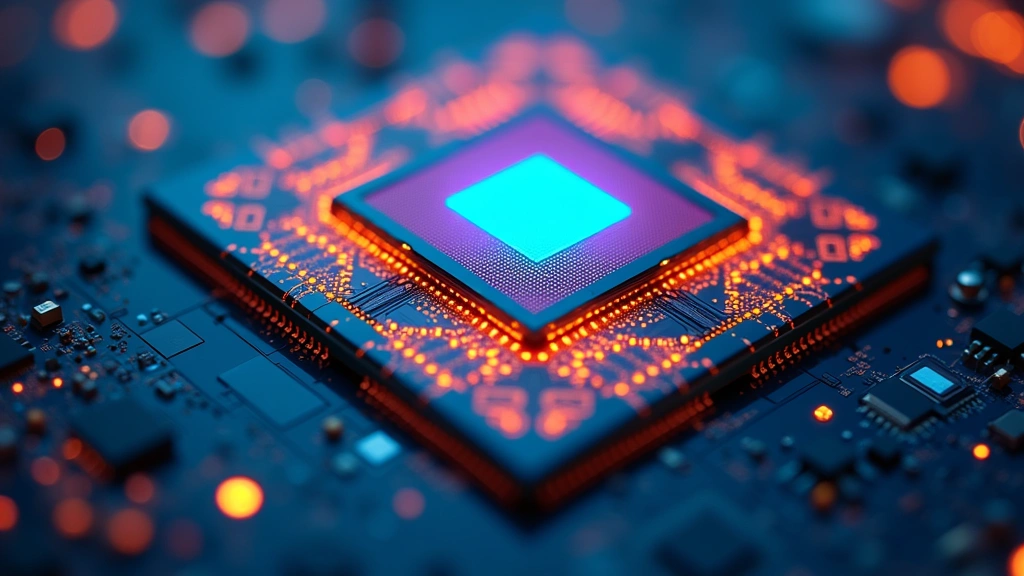
Artificial intelligence has transcended theoretical applications and embedded itself into the core processing architecture of modern smartphones. The latest flagship devices now feature dedicated AI accelerators that handle machine learning tasks independently from the main CPU, fundamentally changing computational efficiency. These specialized processors enable on-device AI without draining battery life or requiring constant cloud connectivity, a breakthrough that previous generations couldn’t achieve.
Leading manufacturers have integrated neural processing units (NPUs) directly into their system-on-chip designs, allowing smartphones to perform complex computational tasks instantaneously. Real-time language translation, advanced image recognition, and predictive text algorithms now operate at speeds that rival desktop computers. According to The Verge’s analysis, these AI processors represent a 40-50% performance improvement in machine learning tasks compared to previous generation devices.
The implications extend beyond user experience enhancements. With artificial intelligence applications transforming the future, smartphone manufacturers are positioning their devices as gateway devices to AI-powered ecosystems. Photography becomes computational, with AI optimizing exposure, color correction, and subject detection in real-time. Voice assistants understand context with unprecedented accuracy, learning user preferences and adapting responses accordingly.
Security has also benefited enormously from AI integration. Facial recognition systems now employ machine learning algorithms that adapt to aging, facial hair changes, and different lighting conditions. Behavioral biometrics—analyzing how you hold your phone, your typing patterns, and usage habits—create invisible security layers that traditional authentication methods cannot replicate. This represents a fundamental shift in how smartphones protect sensitive data.
Display Technology Breakthroughs
The evolution from LCD to OLED to AMOLED represents merely the foundation upon which current display innovations are built. Today’s flagship smartphones feature micro-LED and advanced OLED variants that deliver color accuracy approaching professional-grade monitors. Refresh rates have escalated from 60Hz to 240Hz, creating scrolling experiences so smooth they approach physical reality.
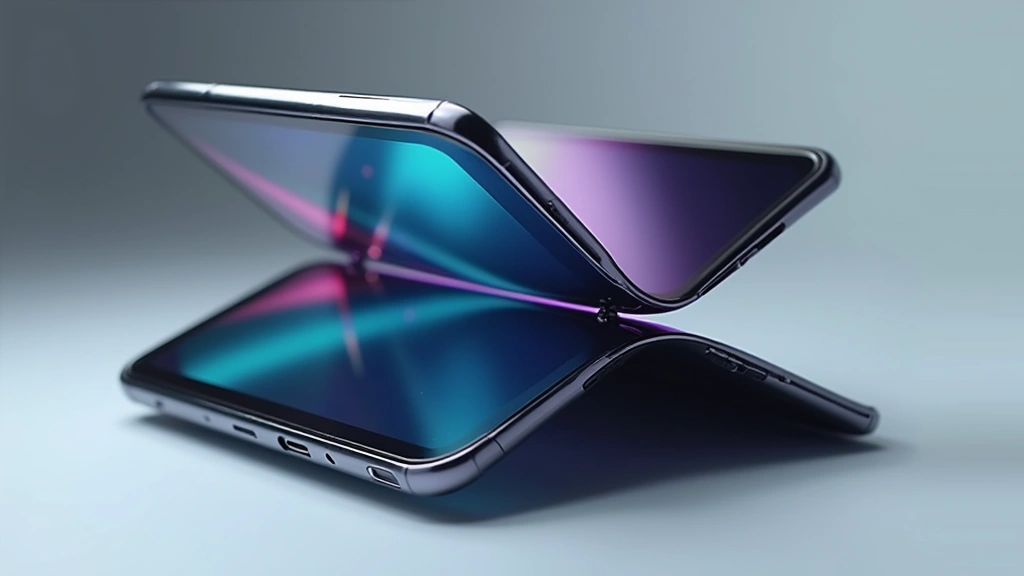
Foldable display technology, once considered gimmicky, has matured into practical innovation. Samsung’s latest foldable phones feature displays that fold and unfold thousands of times with minimal creasing, thanks to advanced polymer coatings and improved hinge mechanisms. The crease—previously a significant limitation—has been reduced to near imperceptibility through engineering advances in layer composition and stress distribution.
Under-display camera technology has eliminated the notch that dominated smartphone design for years. Optical engineering breakthroughs allow light to pass through pixel arrays without compromising display quality or camera performance. This innovation represents a victory of physics over compromise, finally delivering the full-screen experience consumers demanded since the iPhone X introduced the notch in 2017.
HDR (High Dynamic Range) implementation has evolved dramatically, with displays now capable of rendering content with peak brightness exceeding 2000 nits in localized areas. This enables smartphone screens to remain visible in direct sunlight while displaying content with contrast ratios previously exclusive to professional cinema displays. According to CNET’s hardware benchmarks, modern flagship displays achieve color gamuts exceeding 150% of the DCI-P3 standard, rivaling professional reference monitors.
Advanced Camera Systems
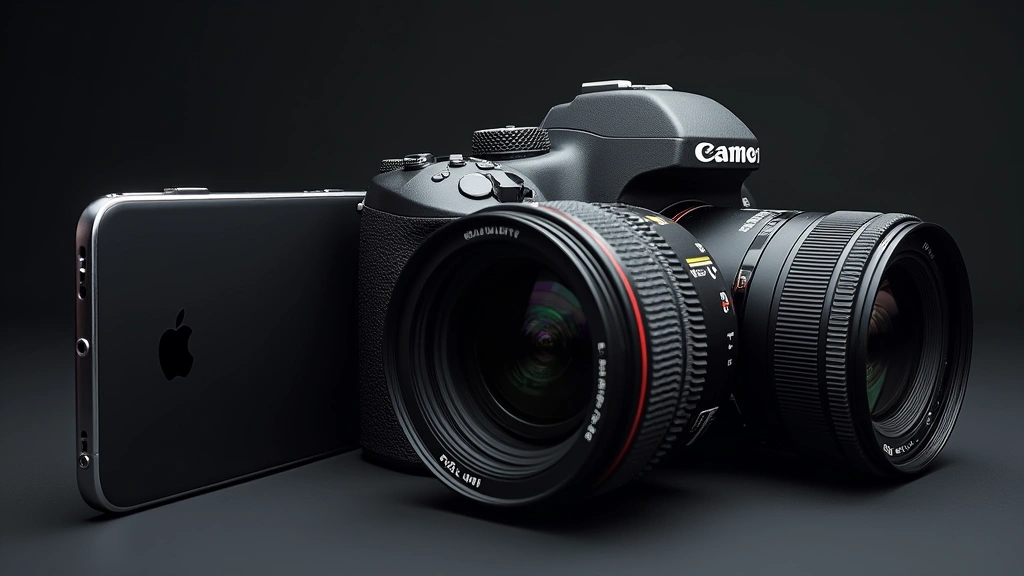
Smartphone photography has undergone a transformation that would astound photographers from just five years ago. Multi-lens camera arrays now feature sensors with 200+ megapixels, optical image stabilization on all lenses, and computational photography algorithms that rival professional software. The smartphone camera has become the primary imaging device for billions of people worldwide, driving innovation at an unprecedented pace.
Periscope zoom technology allows phones to achieve 10x optical zoom without the bulky telescopic lenses required by traditional cameras. Advanced algorithms enable “super zoom” capabilities reaching 100x magnification through computational processing, maintaining remarkable clarity despite the digital enhancement. Night mode has evolved from experimental feature to reliable tool, allowing users to capture compelling photographs in light levels that would require expensive ISO-invariant sensors in traditional cameras.
Video capabilities have leaped forward with 8K recording becoming standard on premium devices, though most users find 4K at 60fps more practical for real-world applications. However, the real revolution lies in computational video processing. Real-time object tracking, automatic focus transitions, and cinematic stabilization create professional-quality video without requiring external equipment or extensive post-production work.
The integration of AI in photography processing deserves special attention. Machine learning algorithms identify subjects, optimize settings for specific scenarios (portrait, landscape, macro, night), and apply computational enhancements that would previously require manual adjustment in Photoshop. Portrait mode now uses multiple depth cues—focus detection, parallax, and computational analysis—to create bokeh effects that rival expensive camera lenses.
Battery and Charging Evolution
Battery technology represents one of the most critical—and historically limiting—aspects of smartphone development. Recent breakthroughs in solid-state battery research promise to revolutionize energy density and charging speeds. While widespread commercial implementation remains forthcoming, laboratory prototypes demonstrate 100% charge capacity in under 15 minutes without thermal degradation.
Current generation smartphones feature battery management systems of staggering sophistication. Adaptive charging learns your usage patterns, slowing charge speed during overnight charging to maximize battery lifespan. Fast charging technology now delivers 120W+ power to compatible devices, enabling 50% charge in approximately 10 minutes. Wireless charging has progressed beyond convenience feature to genuine alternative for users willing to sacrifice charging speed for cable-free operation.
Battery chemistry innovations have improved energy density while reducing dependency on rare earth elements. Silicon-carbon composite anodes replace traditional graphite, increasing theoretical energy storage capacity by 30-40%. Thermal management systems distribute heat across internal components, preventing the battery degradation that plagued earlier high-capacity devices. These advances mean modern flagship phones maintain 80%+ battery health after 500+ complete charge cycles.
Understanding cloud computing benefits for businesses becomes relevant here, as smartphone battery optimization increasingly relies on intelligent cloud synchronization. Devices offload computation-heavy tasks to cloud servers, reducing local processing power requirements and extending battery life during intensive operations. This represents a paradigm shift from isolated device operation to integrated cloud-device ecosystems.
Design and Materials Innovation
Material science has evolved dramatically, introducing ceramics, titanium alloys, and advanced composite materials that improve durability while reducing weight. Titanium frames now appear on flagship devices, offering superior strength-to-weight ratios compared to traditional aluminum. Ceramic coatings resist scratching and fingerprints more effectively than previous glass formulations, while maintaining optical clarity for camera systems and display modules.
Thermal management has become a critical design consideration. Vapor chambers and graphite heat spreaders distribute processor heat across larger surface areas, preventing thermal throttling during sustained gaming or video recording. Some premium devices feature liquid cooling systems with advanced phase-change materials that maintain optimal operating temperatures even during demanding tasks. This engineering sophistication was previously exclusive to gaming laptops and high-performance computers.
For those interested in expanding technical knowledge, learning how to upgrade laptop memory provides foundational understanding of component integration principles that apply to smartphone engineering. Smartphones employ similar modular design philosophies, though manufacturing constraints limit field upgrades compared to desktop systems.
Sustainability has emerged as a genuine design consideration rather than marketing afterthought. Recycled materials now comprise 30-40% of device components, reducing environmental impact while maintaining performance standards. Modular designs simplify repair and component replacement, extending device lifespan and reducing e-waste. Some manufacturers now offer extended software support—5+ years of security updates—ensuring devices remain usable and secure long after initial purchase.
Market Impact and Consumer Adoption
The smartphone revolution isn’t merely technical—it’s fundamentally reshaping market dynamics and consumer behavior. Premium flagship devices now command prices exceeding $1,500, yet sales remain robust as consumers recognize genuine value in revolutionary features. The best tech gifts increasingly reflect cutting-edge smartphone technology, indicating consumer enthusiasm for these innovations.
Manufacturers are strategically differentiating through exclusive features rather than competing solely on specifications. Apple’s computational photography, Samsung’s foldable innovation, and Google’s AI-powered features each attract distinct consumer segments. This specialization drives innovation more effectively than pure specification races, encouraging manufacturers to invest in genuinely novel technologies rather than incremental improvements.
The broader best tech stocks landscape reflects smartphone innovation’s economic significance. Companies developing specialized components—AI accelerator manufacturers, advanced display producers, innovative materials suppliers—have experienced significant valuation increases. The smartphone market’s estimated $600+ billion annual value ensures continued innovation investment from major technology companies.
Checking the latest updates on TechPulseHunter Blog reveals how rapidly this landscape evolves. New announcements emerge constantly, with manufacturers introducing features that seemed impossible mere months prior. Consumer adoption rates for revolutionary features (foldables, advanced AI processing, 240Hz displays) have exceeded analyst expectations, validating manufacturer investment in these technologies.
Professional and enterprise applications are expanding dramatically. Smartphones now serve as primary computing devices for knowledge workers, with external displays and keyboards transforming them into complete desktop replacements. This versatility drives adoption among business users, creating additional revenue streams for manufacturers and software developers.
FAQ
What makes current smartphone processors revolutionary?
Modern smartphone processors integrate dedicated AI accelerators (NPUs) that handle machine learning tasks independently from the main CPU. This enables on-device AI processing without excessive battery drain, allowing real-time computational photography, advanced voice recognition, and predictive algorithms that operate at speeds rivaling desktop computers. The efficiency gains represent a fundamental architectural shift from previous generation designs.
Are foldable phones now practical for everyday use?
Yes, foldable technology has matured significantly. Samsung’s latest foldables feature improved hinge mechanisms and advanced polymer coatings that reduce creasing to near imperceptibility. These devices now withstand thousands of fold-unfold cycles with minimal degradation. While premium pricing remains a barrier, the technology delivers genuine utility through expanded screen real estate and unique functionality unavailable on traditional smartphones.
How much battery improvement can consumers expect?
Modern smartphones offer 30-40% better energy density than devices from five years ago, combined with more efficient processors and adaptive charging systems. Real-world usage typically extends beyond two days on moderate usage patterns. Solid-state battery technology in development promises even greater improvements, though widespread commercial availability remains several years away.
Do I need 240Hz refresh rate?
While 240Hz provides smooth scrolling and gaming experiences, most users find 120Hz adequate for practical applications. The difference becomes apparent during gaming and rapid scrolling but may not justify the premium pricing for typical email, social media, and communication tasks. Personal preference and use case should guide this decision rather than pure specification chasing.
What about camera megapixel counts?
Megapixel count matters less than sensor size, optical quality, and computational processing. A 48-megapixel sensor with advanced computational photography often outperforms a 108-megapixel sensor with inferior optics. Smartphone photography quality depends primarily on lens design, sensor technology, and AI processing algorithms rather than raw pixel count.
Are these revolutionary features worth the cost?
This depends entirely on individual use cases and budgets. Flagship devices with revolutionary features command premium prices, but mid-range devices increasingly incorporate secondary versions of cutting-edge technology at reasonable price points. Consumers should evaluate which features align with their specific needs rather than assuming all innovations justify premium pricing.


