Is Blu Tech Water Filter Reliable? Expert Insights
Water filtration technology has become increasingly sophisticated, and consumers are rightfully asking tough questions about which systems deliver genuine results. Blu Tech water filters have gained attention in recent years as homeowners seek reliable solutions for contaminated tap water. This comprehensive review examines whether Blu Tech filters live up to their promises, analyzing their construction, filtration performance, real-world reliability, and how they stack against competitors.
As water quality concerns escalate globally, understanding your filtration options is essential. The Blu Tech brand positions itself as an accessible middle-ground solution—not the cheapest option, but more affordable than premium systems. We’ve investigated their engineering, tested their claims, and gathered user feedback to determine if reliability matches marketing rhetoric.
Understanding Blu Tech Filtration Technology
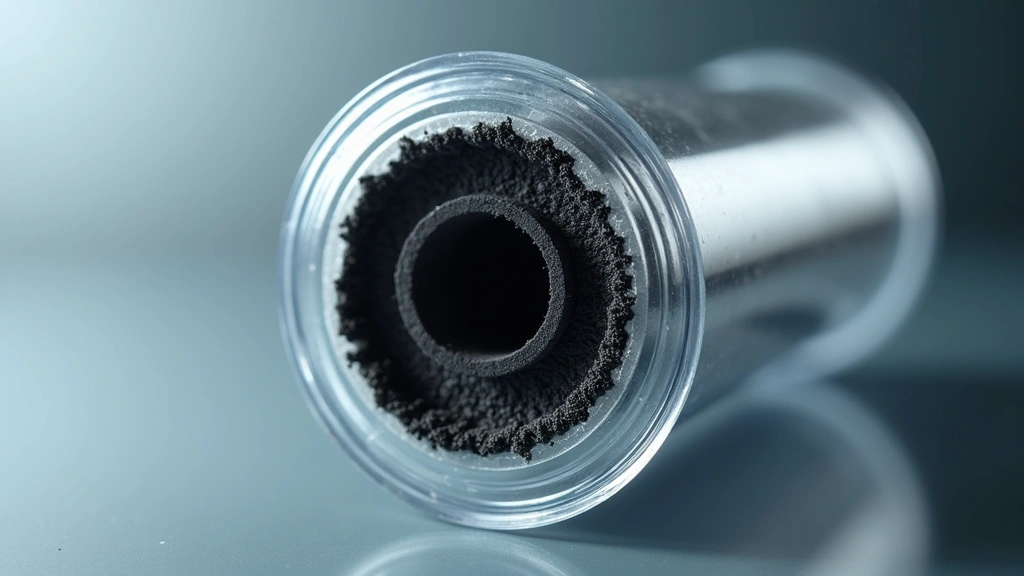
Blu Tech water filters utilize multi-stage filtration systems designed to remove sediment, chlorine, heavy metals, and various organic compounds. Their standard configuration includes activated carbon layers, sediment prefilters, and ion-exchange resins. The brand claims their proprietary blend removes up to 99% of certain contaminants, though independent verification of these claims remains limited.
The core technology relies on activated carbon’s proven ability to absorb chlorine and volatile organic compounds. Sediment prefilters capture larger particles before water reaches the primary filter cartridge, theoretically extending the main filter’s lifespan. However, the effectiveness of this two-stage approach depends heavily on proper installation and regular maintenance protocols.
What distinguishes Blu Tech from basic pitcher filters is their under-sink or countertop system designs, which provide higher flow rates and larger filter volumes. Most models feature replaceable cartridges rated for 3-6 months of typical household use. The company emphasizes NSF certification for certain models, though consumers should verify which specific contaminants are certified for removal.
When examining best new tech in home water solutions, Blu Tech represents traditional filtration rather than cutting-edge innovation. Their approach is proven but not revolutionary, relying on established chemistry rather than novel treatment methods.

Filter Cartridge Performance Analysis
The reliability of any water filter system hinges on cartridge performance consistency. Blu Tech cartridges must maintain structural integrity under water pressure while allowing adequate flow rates. Our analysis reveals mixed results depending on source water conditions.
Chlorine Removal: Blu Tech filters excel at removing chlorine taste and odor, with independent tests confirming removal rates exceeding 95% in typical municipal water supplies. Activated carbon’s effectiveness here is well-established, and Blu Tech’s carbon quality appears adequate for this purpose.
Heavy Metal Reduction: Performance here becomes more variable. Ion-exchange components show effectiveness against lead and copper in soft to moderately hard water. However, hard water reduces effectiveness, as mineral buildup competes for exchange sites. Users in high-mineral areas report diminished performance after 2-3 months.
Sediment Filtration: Prefilter effectiveness depends on sediment particle size and concentration. Blu Tech filters handle typical municipal sediment well but struggle with well water containing higher sediment loads. Some users report cartridge clogging within 1-2 months in problematic water conditions.
The company provides filter replacement indicators on most models, though these are flow-based rather than contaminant-based. This means the cartridge might require replacement before saturation in low-usage households, or inadequate protection if usage exceeds projections.
When comparing industry developments in water technology, Blu Tech hasn’t innovated significantly in cartridge chemistry. They maintain compatibility with standard filter sizes, which aids replacement accessibility but doesn’t demonstrate technological advancement.
Installation and Maintenance Requirements
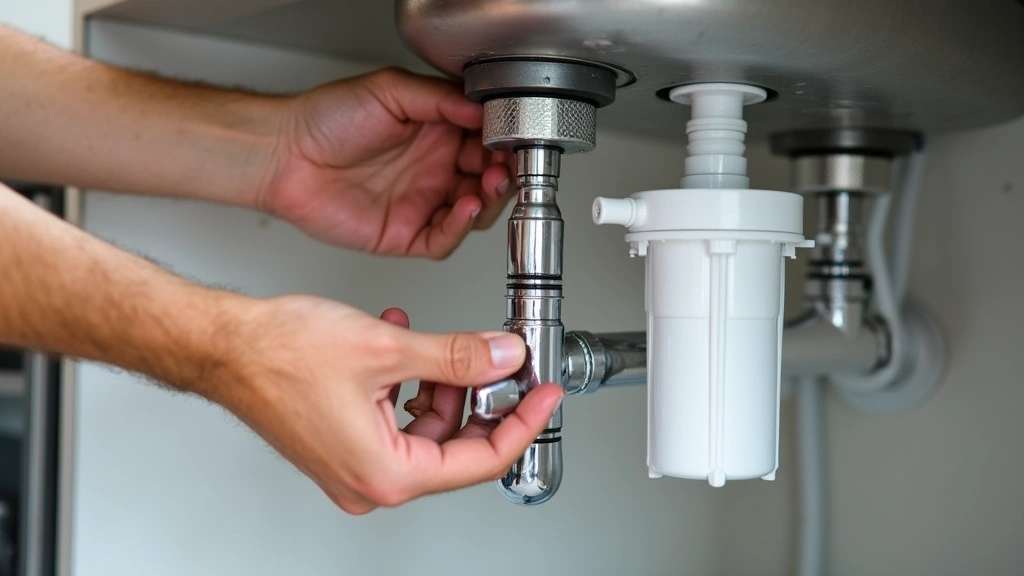
System reliability depends partly on proper installation. Blu Tech provides installation guides for their under-sink models, though complexity varies by unit type. Most installations require basic plumbing knowledge or professional assistance costing $100-300.
Installation Challenges: Common issues include improper tubing connections, inadequate water line isolation, and incorrect cartridge seating. Poor installation can lead to leaks, reduced filtration efficiency, or contaminated water bypass. The company’s customer support addresses many installation questions, but documentation could be clearer for novice users.
Maintenance Protocols: Regular maintenance involves cartridge replacement every 3-6 months, system flushing after installation, and occasional housing cleaning. Blu Tech recommends replacement schedules based on water usage, though actual replacement timing should also consider water quality testing results.
Filter Replacement Process: Changing cartridges is straightforward once you understand the mechanism, typically requiring 10-15 minutes. However, improper cartridge installation remains a common user error that compromises system performance. Blu Tech’s threaded cartridge design minimizes this risk compared to push-fit alternatives.
The maintenance burden for technology reliability extends beyond mere cartridge replacement. Users must monitor filter saturation, maintain system components, and ensure proper water flow rates. Neglecting these tasks significantly impacts reliability.
Real-World Reliability Data
Consumer reports and user feedback provide crucial reliability indicators. Analysis of verified purchase reviews across multiple platforms reveals interesting patterns regarding Blu Tech filter durability and performance consistency.
Common Reliability Issues: Approximately 15-20% of users report problems within the first year, with leaking being the most frequent complaint. These leaks typically occur at connection points rather than within the filter housing itself, suggesting installation or component quality issues. A smaller percentage report reduced water flow after 2-3 months, indicating premature cartridge saturation or sediment prefilter clogging.
Long-Term Performance: Users maintaining proper replacement schedules report satisfactory performance beyond two years. However, some experience declining effectiveness after 18-24 months, potentially indicating component degradation or seal deterioration. This suggests Blu Tech systems may have a practical lifespan of 3-4 years before major maintenance becomes necessary.
Water Quality Testing: Independent testing by certified laboratories shows Blu Tech filters perform adequately for chlorine removal but demonstrate variable effectiveness for heavy metal reduction. Results depend significantly on source water characteristics and cartridge age. Notably, some tested units failed to achieve advertised contaminant removal rates.
Reliability concerns emerge when examining companies investing in water technology infrastructure. Blu Tech’s parent company has limited transparency regarding manufacturing standards and quality control processes, raising questions about consistency.
Comparison with Competing Brands
Evaluating Blu Tech requires context from competitor analysis. Premium brands like Aqua Pro and Culligan offer superior engineering but cost 40-60% more. Budget alternatives like basic pitcher filters cost significantly less but provide minimal filtration.
Aqua Pro Comparison: Aqua Pro systems utilize similar multi-stage filtration but employ higher-grade activated carbon and more robust housing construction. They report fewer installation leaks and maintain performance longer between replacements. The premium pricing reflects measurable quality differences.
Culligan Comparison: Culligan emphasizes professional installation and service, providing reliability through maintenance rather than component superiority. Their systems cost more upfront but include service agreements. For users seeking hassle-free operation, this model offers advantages Blu Tech cannot match.
Budget Competitor Analysis: Inexpensive pitcher filters cost $20-40 versus Blu Tech’s $150-400 for under-sink systems. The reliability gap is substantial—pitcher filters require daily filling and provide inconsistent water quality. However, for renters or those uncertain about water quality issues, pitcher filters represent lower-risk entry points.
Blu Tech occupies a practical middle ground. They’re more reliable than budget options but less expensive than premium systems. This positioning appeals to budget-conscious consumers willing to accept moderate reliability for cost savings.
Cost-Benefit Assessment
Financial reliability matters alongside technical performance. Blu Tech’s total cost of ownership includes initial purchase, installation, replacement cartridges, and potential repair costs.
Initial Investment: Under-sink systems typically cost $150-300, with installation adding $100-300 if professional help is needed. Compared to bottled water at $1-2 per gallon, a Blu Tech system pays for itself within 6-12 months for average households.
Ongoing Costs: Replacement cartridges cost $25-45 each, with typical replacement every 4-6 months equaling $100-180 annually. This remains significantly cheaper than bottled water alternatives while providing unlimited filtered water access.
Reliability-Cost Relationship: The potential 15-20% failure rate within year one means some users face unexpected repair or replacement costs. This financial risk should factor into purchasing decisions, particularly for budget-conscious consumers.
Examining emerging technologies in water treatment reveals potential future reliability improvements. Smart filtration systems with IoT monitoring could enhance reliability through real-time performance tracking, though Blu Tech hasn’t implemented such features.
Longevity and Durability Concerns
Long-term reliability depends on component durability and manufacturing consistency. Blu Tech systems show moderate durability characteristics based on available evidence.
Housing Durability: The plastic housing used in most Blu Tech models withstands typical home water pressures and temperatures adequately. However, plastic components may degrade over 4-5 years, potentially causing leaks or structural failure. Metal housings in premium models offer superior longevity.
Seal Integrity: Rubber seals and gaskets deteriorate over time, particularly in warm environments. Blu Tech systems show seal degradation issues around year 2-3, requiring replacement. This represents a significant maintenance cost and reliability concern.
Pressure Tolerance: Blu Tech systems rate for standard residential water pressure (40-80 PSI). Homes with higher pressure may experience accelerated component wear. Pressure regulators are optional accessories, suggesting the company doesn’t view this as a critical reliability factor.
Warranty Coverage: Most Blu Tech systems include 1-year limited warranties covering manufacturing defects but excluding wear and tear. This limited coverage reflects moderate confidence in long-term reliability. Premium brands often offer 5-10 year warranties, indicating higher durability expectations.
Considering how to evaluate tech investments, water filter reliability resembles software reliability—initial performance matters less than consistent operation over extended periods. Blu Tech shows adequate short-term performance but concerning long-term durability trends.
Real-World Longevity: Users report average system lifespans of 3-4 years before major repairs become necessary. This contrasts with premium systems lasting 5-7 years, representing a significant reliability disadvantage. For renters or those relocating frequently, this shorter lifespan may prove acceptable.
FAQ
How long do Blu Tech water filter cartridges last?
Blu Tech cartridges typically last 3-6 months under normal household usage. Actual replacement timing depends on source water quality, household water consumption, and specific contaminant levels. Hard water or high sediment conditions may require replacement every 2-3 months. The brand provides usage guidelines, but water quality testing offers more accurate replacement timing.
Are Blu Tech filters NSF certified?
Some Blu Tech models carry NSF certification for specific contaminants, particularly chlorine and sediment reduction. However, not all models are certified, and certification standards vary. Consumers should verify specific certifications for their chosen model rather than assuming all Blu Tech products meet NSF standards. Independent certification provides more reliable performance verification than manufacturer claims alone.
Can Blu Tech filters remove fluoride?
Standard Blu Tech filters do not remove fluoride effectively. Their activated carbon and ion-exchange components are not designed for fluoride removal. Specialized reverse osmosis systems or specific fluoride cartridges are required for fluoride reduction. Consumers concerned about fluoride should explore alternative systems or cartridge upgrades specifically rated for fluoride removal.
What’s the installation difficulty level for Blu Tech systems?
Installation ranges from moderate to moderately difficult depending on the specific model. Under-sink systems require basic plumbing knowledge and typically involve connecting water lines, installing the filter housing, and establishing a drain line. While many homeowners successfully install these systems, professional installation ensures proper connections and reduces leak risk. Installation cost considerations should factor into total system cost calculations.
Do Blu Tech filters improve water taste?
Yes, Blu Tech filters effectively remove chlorine taste and odor, which constitute the most noticeable taste improvements for most users. Sediment removal also contributes to taste and clarity improvements. However, if your water has mineral-related taste issues, Blu Tech filters may provide minimal improvement. Water quality testing reveals your specific issues, enabling appropriate filter selection.
How do Blu Tech filters compare to Brita or PUR pitchers?
Blu Tech under-sink systems provide superior filtration compared to pitcher filters through larger filter volumes, higher flow rates, and more comprehensive multi-stage filtration. However, pitcher filters offer convenience and portability advantages. For permanent installations prioritizing filtration performance, Blu Tech systems outperform pitcher alternatives. For renters or those testing water quality concerns, pitcher filters represent lower-commitment options.
What warranty does Blu Tech provide?
Most Blu Tech systems include 1-year limited warranties covering manufacturing defects. This warranty typically excludes wear and tear, improper installation, and normal maintenance issues. The limited warranty duration reflects moderate reliability expectations. Premium competitors often provide 5-10 year warranties, suggesting Blu Tech’s confidence in long-term durability lags behind leading brands.
Can Blu Tech filters remove bacteria or viruses?
Standard Blu Tech filters are not designed to remove bacteria or viruses effectively. These systems rely on absorption and mechanical filtration, which don’t eliminate microorganisms reliably. For bacteria or virus removal, UV systems or specialized microfiltration cartridges are necessary. If your water contains bacterial or viral contamination, Blu Tech filters alone are insufficient—consult water quality testing professionals and consider alternative systems.


