Ultimate Guide: Blow Mold Maintenance Tech Tips
Blow molding technology represents one of the most critical manufacturing processes in modern industrial production, creating everything from automotive components to consumer packaging. Maintaining these sophisticated machines requires a deep understanding of mechanical systems, thermal dynamics, and predictive maintenance technologies. This comprehensive guide explores the essential maintenance strategies, diagnostic tools, and best practices that keep blow molding equipment operating at peak efficiency while minimizing downtime and extending equipment lifespan.
Whether you’re managing a small injection-blow molding operation or overseeing a large-scale industrial facility, understanding the technical nuances of blow mold maintenance can dramatically impact your production quality, operational costs, and bottom line. Modern blow molding systems integrate advanced sensors, automated monitoring systems, and data analytics platforms that enable proactive maintenance schedules. By implementing the strategies outlined in this guide, you’ll gain the expertise needed to optimize your equipment performance and stay competitive in today’s demanding manufacturing landscape.
Understanding Blow Mold Technology Fundamentals
Blow molding represents a sophisticated manufacturing process that combines heating, pressure control, and precision engineering. The technology operates through several distinct phases: the extrusion phase where plastic material is heated and formed into a parison, the blow phase where compressed air expands the material into the mold cavity, and the cooling phase where the finished product solidifies. Each phase demands specific technical conditions and requires careful monitoring to maintain quality standards.
The fundamental mechanics of blow molding involve understanding how polymer materials respond to heat and pressure. Different thermoplastic resins—including polyethylene terephthalate (PET), high-density polyethylene (HDPE), and polypropylene (PP)—require distinct processing parameters. Modern blow molding systems feature sophisticated control systems that manage barrel temperatures, screw speeds, mold cooling circuits, and blow air pressure with remarkable precision. These parameters must be maintained within tight tolerances to ensure consistent product quality and prevent equipment damage.
Contemporary blow molding equipment incorporates advanced blogging tech integration for documentation and monitoring purposes. Understanding the basic architecture of your specific blow molding system—whether it’s extrusion blow molding (EBM), injection blow molding (IBM), or stretch blow molding (SBM)—provides the foundation for implementing effective maintenance protocols. Each type presents unique maintenance challenges and requires specialized diagnostic approaches.

Essential Maintenance Components and Systems
Successful blow mold maintenance begins with identifying the critical components that require regular attention and servicing. The heating system, comprising barrel heaters, nozzle heaters, and mold temperature control units, represents one of the most vital maintenance areas. These components operate continuously at elevated temperatures and experience thermal cycling stress that can degrade heating elements and insulation materials over time. Regular inspection of heating elements, replacement of worn insulation, and calibration of temperature sensors ensures consistent thermal performance.
The cooling system demands equally rigorous maintenance protocols. Mold cooling circuits circulate temperature-controlled water or oil through intricate passages within the mold structure. Mineral deposits, algae growth, and corrosion can accumulate within these circuits, reducing cooling efficiency and causing hot spots that compromise product quality. Implementing a comprehensive cooling system maintenance schedule—including regular flushing, chemical treatment, and flow rate verification—prevents these degradation patterns and maintains optimal thermal management.
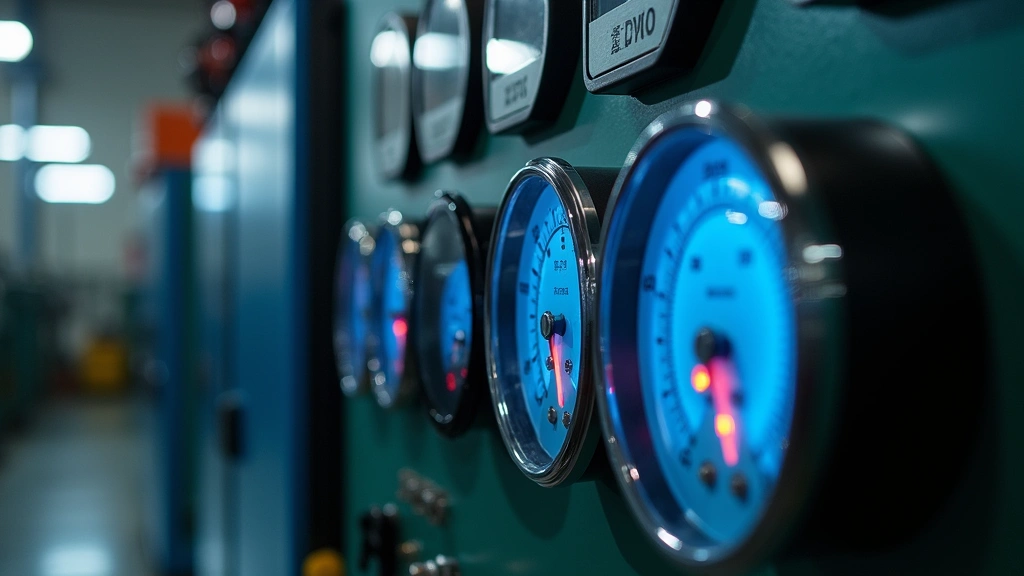
Pneumatic systems, including air compressors, regulators, dryers, and distribution lines, form the backbone of blow air delivery. Contaminated compressed air containing moisture, oil, or particulates can damage sensitive valves, reduce blow pressure consistency, and create quality defects. Installing high-efficiency filters, maintaining proper air drying systems, and regularly draining moisture traps prevents pneumatic system failures. Pressure gauges and flow meters should be calibrated periodically to ensure accurate blow pressure monitoring.
The mold itself represents the most critical wear component in blow molding operations. Mold surfaces experience continuous contact with hot polymer material, thermal cycling, and mechanical stress from clamping forces. Regular mold inspection reveals surface degradation, erosion patterns, and potential failure points. Preventive mold maintenance includes cleaning, minor surface repairs, and protective coatings that extend operational life and maintain dimensional accuracy. Many facilities implement a rotating mold maintenance schedule, systematically servicing each mold during production downtime.
Predictive Maintenance Technologies and Monitoring
Modern technology and artificial intelligence transforming our future have revolutionized blow mold maintenance approaches. Predictive maintenance systems utilize real-time sensor data, machine learning algorithms, and historical performance analytics to forecast equipment failures before they occur. These systems monitor temperature fluctuations, pressure variations, vibration patterns, and cycle time deviations that indicate developing problems.
Industrial Internet of Things (IIoT) platforms enable continuous equipment monitoring across your entire production facility. Sensors installed on critical components transmit data to centralized monitoring systems that analyze performance trends and alert maintenance teams to anomalies. This proactive approach contrasts sharply with reactive maintenance models that address problems only after equipment failure occurs. Organizations implementing predictive maintenance systems report significant reductions in unplanned downtime, improved product quality consistency, and extended equipment lifespan.
Data analytics platforms aggregate maintenance information, production metrics, and environmental conditions to identify patterns and correlations. Advanced algorithms detect subtle changes in equipment behavior that precede failures, enabling maintenance scheduling during planned production gaps. These systems also facilitate root cause analysis, helping engineers understand the underlying factors contributing to equipment degradation and implement corrective measures.
Integration with your existing Manufacturing Execution System (MES) allows maintenance scheduling that minimizes production disruption. Maintenance teams receive automated alerts when equipment approaches critical thresholds, enabling proactive intervention before quality issues emerge. Documentation systems capture maintenance activities, spare parts usage, and repair outcomes, creating comprehensive historical records that inform future maintenance strategies.
Thermal Management and Temperature Control
Thermal management represents one of the most critical aspects of blow mold maintenance. Excessive heat accelerates polymer degradation, causes material sticking in molds, and compromises product dimensional accuracy. Insufficient heat prevents complete melting and proper material flow, resulting in weak products with surface defects. Maintaining optimal barrel temperatures—typically ranging from 200°C to 300°C depending on resin type—requires precise control system calibration and regular sensor verification.
Mold temperature control directly impacts product quality, cycle time, and mold longevity. Most applications require mold temperatures between 40°C and 80°C, with specific requirements varying by material and product geometry. Temperature control units circulate heated or cooled fluid through mold circuits, maintaining consistent thermal conditions throughout the mold cavity. Regular maintenance of these systems includes fluid analysis to detect contamination, inspection of circulation pumps and heat exchangers, and verification of temperature sensor accuracy.
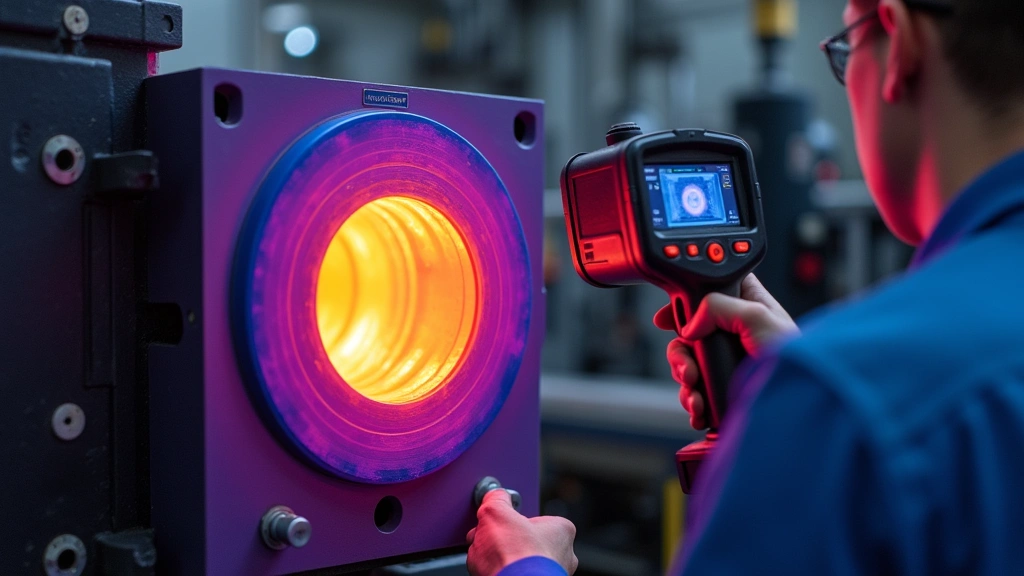
Hot spots within molds—areas where temperature exceeds optimal ranges—cause localized material degradation, surface defects, and accelerated mold wear. Thermal imaging cameras enable non-destructive detection of hot spots during production runs. Identifying hot spot locations facilitates targeted cooling circuit modifications or mold design improvements that address thermal distribution issues. Some facilities implement water-cooling circuit enhancements or install additional temperature sensors in problem areas to improve thermal uniformity.
Thermal cycling stress—the repeated expansion and contraction of mold materials as temperatures fluctuate—causes mechanical fatigue and dimensional drift over extended operation periods. Minimizing thermal cycling by maintaining stable mold temperatures reduces stress-induced wear. Some advanced facilities implement gradual temperature ramps during startup and shutdown procedures, reducing thermal shock that can cause mold cracking or core pin misalignment.
Troubleshooting Common Blow Mold Issues
Identifying and resolving common blow molding problems requires systematic diagnostic approaches and technical expertise. Material sticking in the mold—a frequent issue—typically results from excessive mold temperature, insufficient cooling, or mold surface degradation. Diagnostic steps include verifying actual mold temperatures against setpoint values, inspecting cooling circuit flow rates, and examining mold cavity surfaces for degradation patterns. Solutions may involve adjusting temperature setpoints, cleaning cooling circuits, or implementing temporary mold surface treatments pending professional refurbishment.
Dimensional inconsistency across production runs indicates either process parameter drift or equipment calibration issues. Systematic measurement of representative samples identifies whether dimensional variations correlate with specific process parameters or time-based degradation patterns. Common causes include pressure regulator drift, temperature sensor calibration loss, or mold wear affecting cavity dimensions. Implementing Tech Pulse Hunter Blog monitoring recommendations enables rapid identification of these issues before significant scrap accumulates.
Blow pressure inconsistency creates wall thickness variations and weak spots in finished products. Pressure gauge verification against calibrated reference standards identifies whether displayed readings accurately reflect actual system pressure. Air line leaks, valve degradation, and compressor output fluctuations all contribute to pressure instability. Systematic inspection of distribution lines using soapy water solutions reveals small leaks that reduce effective blow pressure. Valve maintenance and compressor servicing restore pressure consistency.
Cycle time extension—gradual increases in production cycle duration—suggests developing equipment problems requiring investigation. Common causes include cooling system performance degradation, heating system inefficiency, or mechanical binding in moving components. Systematic measurement of individual cycle phases (heating, blow, cooling, ejection) isolates which phase is extending. This diagnostic information guides maintenance efforts toward specific problem areas.
Advanced Diagnostic Tools and Equipment
Professional blow mold maintenance requires access to specialized diagnostic equipment that enables accurate problem identification and performance verification. Thermal imaging cameras provide non-contact temperature measurement across mold surfaces, identifying hot spots, cooling circuit problems, and thermal distribution issues. Modern thermal cameras offer resolution sufficient to detect temperature variations of just 1-2°C, enabling precise diagnosis of thermal problems.
Pressure measurement devices—including digital pressure gauges and data-logging transducers—verify blow pressure accuracy and stability. Many facilities maintain calibrated reference gauges for periodic verification of production system gauges. Pressure data loggers record pressure profiles throughout production cycles, revealing pressure fluctuations or drift patterns that indicate equipment problems. This data facilitates correlation with quality issues, helping engineers understand relationships between pressure variations and product defects.
Ultrasonic leak detection equipment identifies compressed air leaks in distribution systems with remarkable accuracy. These portable devices detect high-frequency sounds produced by escaping compressed air, enabling technicians to locate even small leaks that would be difficult to identify visually. Systematic leak detection surveys quantify total system leakage and prioritize repair efforts toward the largest losses.
Vibration analysis equipment monitors mechanical condition of pumps, motors, and compressors. Bearing wear, misalignment, and other mechanical problems produce characteristic vibration signatures that change as degradation progresses. Trending vibration data enables prediction of bearing failures before catastrophic breakdown occurs, allowing planned maintenance scheduling. For detailed technical specifications and advanced monitoring approaches, consult CNET for emerging diagnostic technologies.
Fluid analysis services—including oil and coolant testing—reveal contamination levels, viscosity changes, and wear particle concentrations. These analyses detect developing problems in hydraulic systems, gearboxes, and cooling circuits before equipment failure occurs. Regular fluid sampling and analysis programs provide early warning of maintenance issues, enabling planned interventions during scheduled downtime.
Maintenance Scheduling and Documentation
Systematic maintenance scheduling ensures critical equipment receives appropriate attention before problems develop. Time-based maintenance schedules establish fixed intervals for routine tasks like filter replacement, fluid changes, and component inspection. Condition-based maintenance supplements time-based schedules by adjusting maintenance frequency based on actual equipment condition monitoring. Predictive maintenance adds another layer, scheduling interventions based on data analytics predictions of imminent failures.
Comprehensive maintenance documentation systems capture all service activities, repairs, spare parts usage, and equipment modifications. These records create historical baselines that inform maintenance decisions and facilitate root cause analysis. Digital maintenance management systems streamline scheduling, work order generation, and completion documentation. Integration with enterprise resource planning (ERP) systems enables tracking of maintenance costs and spare parts inventory.
Preventive maintenance checklists ensure consistent execution of routine tasks across all equipment. Checklists should specify exact procedures, required tools, success criteria, and documentation requirements. Regular review and updating of checklists keeps procedures current with equipment changes and incorporates lessons learned from previous maintenance activities. Many facilities implement mobile applications that guide technicians through checklist procedures while capturing photographic documentation and real-time notes.
Training programs ensure maintenance personnel possess the technical knowledge required for effective equipment care. Comprehensive training covers equipment operation, maintenance procedures, safety protocols, and troubleshooting approaches. Certification programs validate technician competency and ensure consistent maintenance quality. Ongoing training keeps personnel current with new technologies, updated procedures, and emerging best practices. Consult best tech podcasts for industry insights and expert perspectives on maintenance evolution.
Spare parts inventory management ensures critical components remain available for rapid repairs without excessive inventory carrying costs. Establishing relationships with reliable suppliers, maintaining strategic spare parts reserves, and implementing just-in-time ordering strategies balance availability with inventory efficiency. Tracking spare parts usage patterns identifies components experiencing accelerated wear, indicating underlying problems requiring investigation.
FAQ
What is the typical maintenance interval for blow molding equipment?
Maintenance intervals vary based on equipment type, production volume, and material processed. Routine maintenance tasks like filter changes typically occur every 250-500 operating hours. Comprehensive inspections and major servicing happen semi-annually or annually. Predictive maintenance systems may adjust intervals based on real-time condition monitoring rather than fixed schedules.
How can I reduce blow molding equipment downtime?
Implementing predictive maintenance systems, maintaining comprehensive spare parts inventory, and scheduling preventive maintenance during planned production gaps significantly reduces unplanned downtime. Cross-training maintenance personnel ensures adequate coverage for emergency repairs. Establishing relationships with equipment manufacturers and service providers enables rapid response to critical issues.
What are the most common causes of blow mold failures?
Thermal cycling stress, inadequate cooling, material sticking, and mechanical wear represent leading failure causes. Hot spots, mold surface degradation, and core pin misalignment also contribute significantly. Regular inspection and condition monitoring enable early detection of developing problems before catastrophic failure occurs.
How do I verify heating system accuracy?
Temperature sensors should be calibrated periodically against reference standards. Infrared thermometers provide independent verification of barrel and nozzle temperatures. Thermal imaging cameras identify temperature variations across mold surfaces. Comparing actual temperatures against setpoint values reveals calibration drift or sensor problems.
What maintenance prevents cooling circuit problems?
Regular flushing removes mineral deposits and contaminants. Chemical treatments prevent algae growth and corrosion. Flow rate verification ensures adequate cooling fluid circulation. Periodic fluid analysis detects contamination requiring intervention. Installing high-quality filters and maintaining proper fluid chemistry prevents most cooling system problems.
How does predictive maintenance improve operations?
Real-time monitoring enables intervention before failures occur, reducing unplanned downtime. Data analytics identify performance trends and developing problems. Maintenance scheduling optimizes resource utilization and minimizes production disruption. Historical analysis supports continuous improvement and equipment optimization initiatives. For comprehensive technical information, explore The Verge coverage of industrial technology advances.
What documentation should I maintain?
Comprehensive records should include maintenance activities, repair details, spare parts usage, equipment modifications, and performance measurements. Digital systems enable easy access and trend analysis. Historical documentation supports troubleshooting, root cause analysis, and continuous improvement initiatives. Proper documentation also facilitates regulatory compliance and warranty claim management.


