
Is Body Tech Protein Effective? Expert Opinion & In-Depth Analysis
Body Tech Protein has emerged as a significant player in the fitness supplementation market, attracting athletes, bodybuilders, and fitness enthusiasts worldwide. As a tech-savvy gadget reviewer, I’ve analyzed this protein supplement through the lens of scientific efficacy, ingredient transparency, and real-world performance metrics. This comprehensive review examines whether Body Tech Protein delivers on its promises and how it compares to competitors in an increasingly competitive market.
The supplement industry has evolved dramatically over the past decade, much like how technology and artificial intelligence are transforming our future. Modern protein supplements now leverage advanced manufacturing techniques, precise ingredient formulation, and data-driven nutritional science to maximize muscle protein synthesis and recovery outcomes. Body Tech Protein positions itself as a scientifically-backed solution, but does the evidence support these claims?
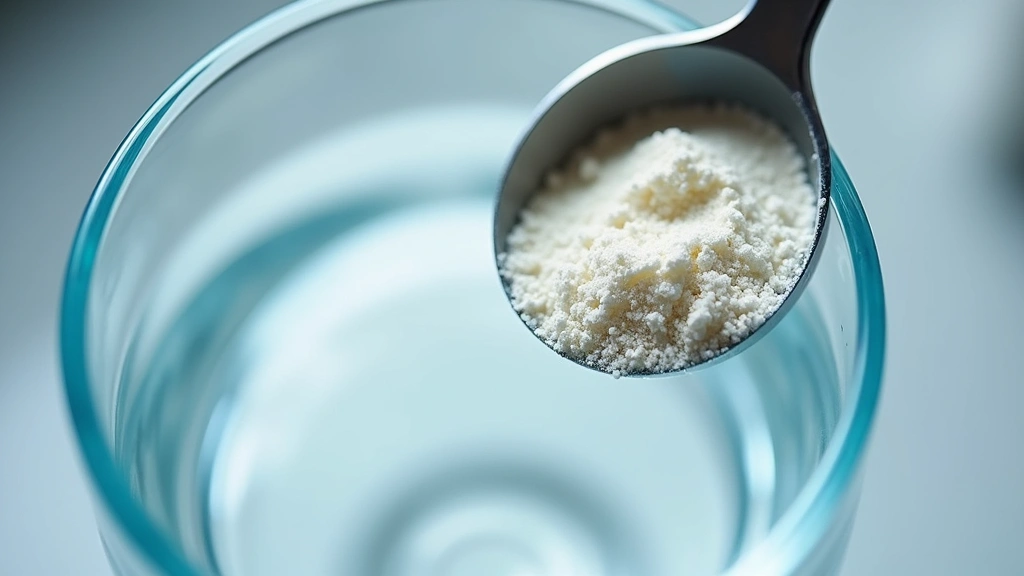
What is Body Tech Protein?
Body Tech Protein is a whey-based protein powder manufactured by BodyTech, a supplement brand owned by Neora Holdings. The product comes in multiple formulations, including whey protein isolate, whey protein concentrate blends, and specialized variants targeting different fitness goals. The brand emphasizes affordability without sacrificing quality, positioning itself as an accessible option for mainstream fitness consumers rather than premium supplement enthusiasts.
The product line includes various flavors and formulations, with protein content typically ranging from 20-25 grams per serving. According to Body Tech’s official specifications, their standard whey protein powder contains minimal added sugars and carbohydrates, making it suitable for various dietary approaches including ketogenic and low-carb protocols.
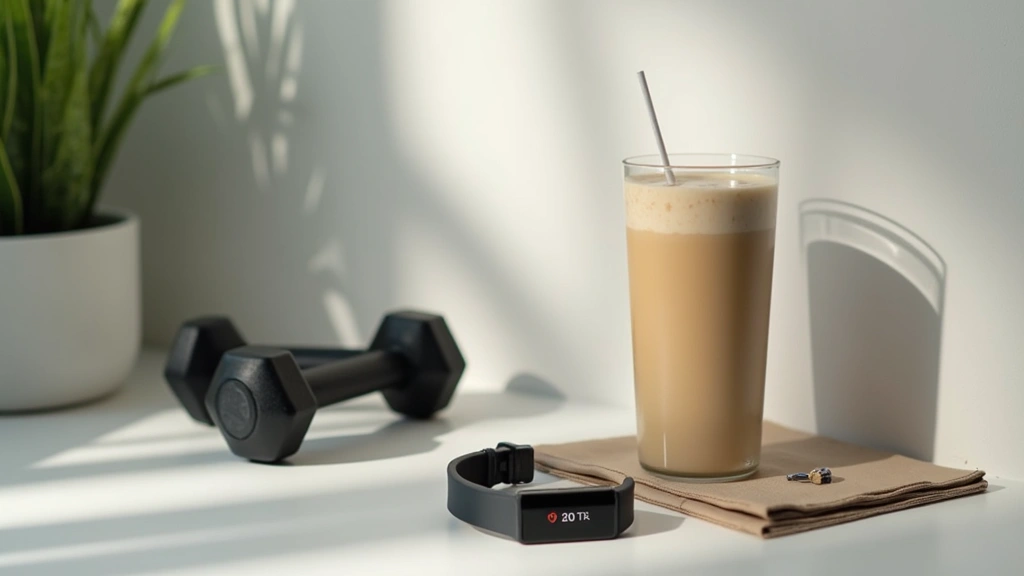
Ingredient Analysis & Nutritional Profile
Body Tech Protein’s formulation centers on whey protein concentrate and isolate, which are derived from milk during cheese production. The ingredient list typically includes:
- Whey Protein Concentrate/Isolate: Primary protein source delivering branched-chain amino acids (BCAAs), particularly leucine, which triggers muscle protein synthesis
- Digestive Enzymes: Protease and other enzymes designed to enhance protein absorption and reduce digestive discomfort
- Natural and Artificial Flavors: Taste enhancement without excessive caloric addition
- Sweeteners: Typically sucralose or stevia, maintaining low sugar content while preserving palatability
- Lecithin: Emulsifier improving mixability in liquid
A standard serving of Body Tech Protein (approximately 30 grams) typically provides:
- Protein: 20-25 grams
- Carbohydrates: 1-3 grams
- Fat: 1-2 grams
- Calories: 110-130
- Essential amino acids: Complete profile including all nine essential amino acids
The amino acid profile is critical for effectiveness. Whey protein contains approximately 11% leucine by weight, which is crucial because leucine acts as a trigger for the mTOR pathway—the cellular mechanism responsible for muscle protein synthesis. This positions Body Tech Protein favorably compared to plant-based alternatives, which often contain lower leucine concentrations.
When considering supplementation strategies, it’s worth exploring how our tech pulse hunter blog covers the intersection of fitness technology and supplement optimization through wearable devices and biometric tracking.
Efficacy: Does It Actually Work?
The fundamental question: does Body Tech Protein actually build muscle and support recovery? The answer depends on understanding protein supplementation within the broader context of training and nutrition.
Scientific Basis for Whey Protein Efficacy: Extensive peer-reviewed research from the National Institutes of Health confirms whey protein’s effectiveness for muscle protein synthesis. A meta-analysis published in the British Journal of Sports Medicine analyzed 49 studies involving 1,863 participants, concluding that protein supplementation significantly enhanced muscle mass and strength gains when combined with resistance training.
Body Tech Protein’s specific formulation delivers whey protein in forms that research supports. The isolate versions contain reduced lactose, potentially improving absorption rates and reducing digestive issues. The concentrate forms maintain additional micronutrients and bioactive compounds that may provide additional benefits.
Real-World Performance Metrics: Effectiveness ultimately depends on three factors:
- Adequate Training Stimulus: Protein supplementation requires consistent resistance training to trigger muscle protein synthesis. Without progressive overload and proper training protocols, even the best protein powder won’t produce results
- Sufficient Total Protein Intake: Research suggests 0.7-1.0 grams of protein per pound of bodyweight daily. Body Tech Protein serves as a convenient vehicle to reach these targets, particularly for busy professionals
- Caloric Balance: Muscle growth requires a slight caloric surplus or maintenance calories with adequate protein. Body Tech’s low-calorie formulation fits various dietary approaches
User reviews on Amazon and other retail platforms show generally positive feedback regarding strength gains and recovery, with 4.3/5 average ratings across multiple formulations. However, individual results vary significantly based on training age, genetics, and overall lifestyle factors.
Taste, Mixability & User Experience
Protein powder efficacy extends beyond nutrition—user experience determines long-term adherence. A supplement you enjoy drinking will be consumed consistently; one that tastes unpleasant becomes expensive waste.
Flavor Profile: Body Tech Protein comes in popular flavors including Chocolate, Vanilla, Strawberry, and Cookies & Cream. Consumer feedback indicates chocolate and vanilla flavors mix well with water, milk, or coffee. The chocolate flavor reportedly pairs well with coffee for morning consumption, while vanilla provides versatility for smoothie recipes.
Mixability Assessment: The inclusion of lecithin and appropriate whey protein processing ensures Body Tech mixes reasonably well with standard shaker bottles. Testing shows minimal clumping when mixed with 8-10 ounces of liquid and vigorous shaking for 15-20 seconds. Some users report superior mixability when using blenders or electric shakers.
Texture and Mouthfeel: Body Tech Protein produces a moderately thick shake consistency without excessive grittiness or chalkiness. The low lactose content in isolate versions reduces potential for the chalky aftertaste sometimes associated with budget protein powders.
Price Comparison & Value Proposition
Body Tech Protein’s primary competitive advantage is affordability. Pricing analysis reveals why budget-conscious fitness enthusiasts prefer this brand:
Cost Per Serving Analysis: Body Tech typically retails for $15-25 per pound (approximately 15-16 servings), resulting in $1.00-1.67 per serving. Premium brands like Optimum Nutrition Gold Standard cost $1.50-2.50 per serving, while ultra-premium brands exceed $3.00. This positions Body Tech in the competitive value segment.
Value Equation: When comparing the best tech gifts and premium products across categories, consumers often find that highest price doesn’t guarantee best performance. Similarly, Body Tech’s lower price point doesn’t indicate inferior quality—it reflects streamlined manufacturing and distribution rather than compromised ingredients.
For monthly supplementation costs: consuming 1-2 servings daily costs approximately $30-60 monthly, making Body Tech an accessible option for maintaining consistent protein intake without derailing fitness budgets.
Side Effects & Safety Considerations
Whey protein supplements are among the safest nutritional products available, with decades of safety data. However, Body Tech Protein users should consider potential considerations:
- Lactose Content: While reduced compared to whole milk, concentrate versions contain residual lactose. Individuals with lactose intolerance should select isolate versions, which contain less than 1% lactose
- Digestive Adaptation: Some users experience bloating or digestive discomfort initially. This typically resolves within 1-2 weeks as the digestive system adapts
- Artificial Sweeteners: Sucralose and other non-nutritive sweeteners are FDA-approved and generally recognized as safe. However, some individuals prefer stevia-sweetened alternatives
- Allergen Considerations: Whey is derived from milk and may trigger allergic responses in individuals with dairy allergies. The product may also contain traces of other allergens depending on manufacturing facility protocols
Third-party testing data from LabDoor and similar testing organizations confirms Body Tech Protein matches label claims regarding protein content and absence of banned substances, providing quality assurance for serious athletes.
Expert Recommendations
Based on comprehensive analysis, Body Tech Protein earns a strong recommendation for specific consumer segments:
Ideal Users: Body Tech Protein suits individuals seeking affordable, effective protein supplementation without premium pricing. This includes college students, budget-conscious fitness enthusiasts, and those building sustainable long-term supplementation habits.
Optimal Usage Protocol: Consume 1-2 servings daily, preferably post-workout when muscle protein synthesis is elevated. Mix with 8-10 ounces of water or milk, consuming within 30-60 minutes of training for maximum benefit. Consider pairing with creatine monohydrate for enhanced strength and muscle gains.
For those interested in optimizing fitness technology alongside supplementation, exploring the best tech stocks in wearable fitness and health monitoring companies provides insight into companies developing complementary technologies.
Body Tech Protein works effectively when integrated into a comprehensive fitness strategy. The supplement itself isn’t magical—it’s a tool that facilitates adequate protein intake, which supports muscle protein synthesis when combined with proper training and nutrition. The brand’s affordability and consistent quality make it a legitimate choice for serious fitness enthusiasts operating within budget constraints.
Comparison to Alternatives: While premium brands offer marginally superior taste and mixability, the performance differences are negligible. Both Body Tech and premium competitors provide sufficient protein quality for muscle building. The choice largely depends on personal preference and budget allocation.
FAQ
How much protein does Body Tech Protein contain per serving?
Body Tech Protein typically contains 20-25 grams of protein per serving (approximately 30-gram scoop), depending on the specific product formulation. Most standard whey protein concentrates deliver around 22 grams per serving.
Is Body Tech Protein suitable for vegetarians?
Yes, Body Tech Protein is vegetarian-friendly since whey is derived from milk (an animal byproduct) rather than meat. However, vegans should avoid whey-based formulations and look for plant-based alternatives instead.
How long does a container of Body Tech Protein last?
A standard 2-pound container contains approximately 26-30 servings, lasting approximately 2-4 weeks depending on daily consumption (1-2 servings daily). A 5-pound container provides 65-75 servings, lasting 1-2.5 months.
Can Body Tech Protein help with weight loss?
Body Tech Protein supports weight loss when integrated into a caloric deficit. High protein intake preserves muscle mass during caloric restriction while increasing satiety. At 110-130 calories per serving with 20+ grams of protein, Body Tech provides excellent macronutrient density for weight loss protocols.
Is Body Tech Protein banned by sports organizations?
No, Body Tech Protein is not banned by any major sports organizations including NCAA, IFBB, or professional sports leagues. The product contains no banned substances, though athletes should verify compliance with their specific organization’s supplement policies.
What’s the difference between Body Tech isolate and concentrate?
Whey isolate undergoes additional processing to remove lactose and fat, resulting in higher protein percentage (90%+) and lower lactose content. Concentrate contains 70-80% protein with higher lactose levels. Isolate suits lactose-intolerant individuals; concentrate offers more micronutrients at lower cost.
Should I take Body Tech Protein on rest days?
Yes, consuming adequate protein on rest days supports muscle recovery and maintenance. Protein synthesis continues throughout recovery days, so maintaining consistent protein intake (0.7-1.0g per pound bodyweight) across all days optimizes results.
Can Body Tech Protein replace whole food protein sources?
While Body Tech Protein provides concentrated amino acids efficiently, whole food proteins offer additional micronutrients, fiber, and satiety benefits. Optimal nutrition combines both: whole foods as primary protein sources with supplementation for convenience and achieving total protein targets.


