
Total Fitness Watches: Expert Analysis Inside
The fitness wearable market has exploded over the past five years, transforming how millions of people track their health and wellness goals. Total fitness watches represent the pinnacle of body tech integration, combining sophisticated sensors, artificial intelligence, and comprehensive health monitoring into sleek wrist-worn devices. Whether you’re a casual jogger, competitive athlete, or health-conscious individual, understanding the landscape of modern fitness watches is essential for making an informed purchase decision.
Today’s total fitness watches go far beyond simple step counting. These devices monitor heart rate variability, blood oxygen levels, sleep quality, stress patterns, menstrual cycles, and even ECG readings. With artificial intelligence applications transforming the wearables space, modern fitness watches now provide personalized coaching, predictive health insights, and adaptive training recommendations. This comprehensive guide examines the best total fitness watches available today, analyzing their specifications, real-world performance, and value proposition for different user types.
What Defines a Total Fitness Watch
A total fitness watch transcends basic activity tracking by integrating multiple physiological sensors, advanced algorithms, and comprehensive health analytics into a single wearable device. Unlike traditional smartwatches that prioritize notifications and apps, fitness-focused models emphasize biometric data collection and wellness insights. The distinction matters significantly when evaluating your purchase, as staying updated on latest tech news reveals rapid innovation in sensor technology and health monitoring capabilities.
Total fitness watches typically feature GPS navigation for accurate distance and route tracking, multi-sport modes for different activities, and real-time performance metrics during workouts. They monitor resting heart rate, maximum oxygen uptake (VO2 max), training load, recovery time, and injury prevention metrics. The best models incorporate machine learning to understand your fitness patterns and provide actionable recommendations. Premium devices now include blood pressure monitoring, blood glucose tracking for certain models, and even stress measurement through heart rate variability analysis.
The core philosophy behind total fitness watches is holistic health tracking. Rather than viewing exercise as isolated events, these devices consider sleep quality, daily stress levels, nutrition timing, and recovery metrics as interconnected factors affecting overall fitness performance. This systems-based approach helps users optimize their training, prevent overtraining, and achieve sustainable fitness goals.
Key Differentiators in the Market
Several factors distinguish premium total fitness watches from basic activity trackers. Battery longevity remains critical—flagship models now offer 10-14 days of battery life with continuous health monitoring, compared to 1-3 days for traditional smartwatches. Water resistance ratings vary from 5ATM (splash-proof) to 10ATM (suitable for lap swimming and snorkeling), affecting suitability for water sports enthusiasts. Build materials range from aluminum and stainless steel to titanium, with premium options featuring sapphire crystal displays for enhanced scratch resistance.
Display technology significantly impacts user experience. AMOLED screens provide vibrant colors and deep blacks but consume more battery, while transflective LCD displays prioritize longevity and outdoor visibility. Always-on display functionality, once exclusive to premium models, now appears across mid-range options. The size and weight of fitness watches matter considerably for comfort during extended wear, particularly for running and competitive activities.
Top Fitness Watch Models Compared
The current market leader, Garmin’s Epix and Fénix series, dominates the total fitness watch category with unmatched sensor arrays and training features. The Fénix 7X combines a 1.4-inch AMOLED display, 11-day battery life, multi-GNSS positioning, and comprehensive health metrics into a rugged titanium package. Its training status metrics, recovery time estimates, and training load analysis make it ideal for serious athletes planning periodized training programs.
Apple Watch Series 9 appeals to iPhone users seeking seamless ecosystem integration and advanced health features. With ECG capability, blood oxygen monitoring, temperature sensing for ovulation tracking, and crash detection, Apple’s offering emphasizes consumer health innovation. The S9 chip enables on-device machine learning, supporting personalized activity coaching and health insights. However, battery life maxes out around 18 hours, requiring nightly charging—a significant limitation for multi-day training camps or adventure athletes.
Polar Grit X2 Pro targets endurance athletes with sport-specific metrics including running power, cycling power, and swimming metrics. Its training load and recovery recommendations derive from proprietary polar algorithms refined through decades of sports watch development. The 11-day battery life and robust construction appeal to ultra-distance runners and triathletes. Polar’s focus on training science over general smartwatch features makes it less suitable for users prioritizing notifications and mobile payments.
Coros Apex 2 Pro offers exceptional value for endurance athletes, combining advanced training metrics with 24-day battery life and multi-GNSS positioning. The lightweight design (only 34 grams) appeals to trail runners and ultramarathoners. Its training load and recovery metrics rival premium competitors while maintaining significantly lower price points—typically $400-500 compared to $700+ for equivalent Garmin models.
Essential Health Sensors Explained
Modern total fitness watches employ optical heart rate sensors using red and infrared LEDs to measure blood flow through the wrist. These sensors provide continuous heart rate data, enabling calculation of critical metrics like resting heart rate, heart rate variability, and recovery heart rate. Accuracy varies based on skin tone, wrist tattoos, and sensor placement—some users report 5-15% variance from chest strap monitors during intense exercise.
Blood oxygen (SpO2) monitoring uses the same optical sensors, measuring oxygen saturation percentages. While useful for identifying sleep apnea patterns and high-altitude acclimatization, single-wrist measurements lack clinical accuracy for medical diagnosis. Reputable fitness watches clearly distinguish between health monitoring and medical diagnostics.
GPS and multi-GNSS receivers enable precise distance, pace, and route tracking. Devices supporting GPS, GLONASS, and Galileo positioning provide faster acquisition and better accuracy in urban canyons and dense forests compared to GPS-only watches. Battery consumption increases significantly with multi-GNSS activation, requiring users to balance accuracy against longevity.
Barometric altimeters measure elevation changes with surprising accuracy, valuable for trail runners, climbers, and hikers. Accelerometers detect movement patterns, enabling step counting, activity recognition, and fall detection on premium models. Some watches incorporate temperature sensors for menstrual cycle tracking and ambient temperature monitoring during outdoor activities.
Advanced models now feature ECG sensors enabling single-lead electrocardiogram recording, useful for detecting irregular heart rhythms. However, ECG readings require proper technique and shouldn’t replace medical evaluation of cardiac concerns. Blood pressure monitoring appears on select models but varies significantly in accuracy compared to traditional cuff measurements.
Battery Life and Durability Standards
Battery longevity represents perhaps the most practical consideration for total fitness watches. Smartwatch-style devices typically offer 18-48 hours, requiring frequent charging that disrupts continuous health monitoring. Dedicated fitness watches prioritize longevity through efficient processors and power-management strategies, achieving 7-21 days depending on usage patterns.
Battery life degrades with feature usage—enabling continuous GPS, always-on display, and multi-GNSS positioning significantly reduces longevity. Manufacturers often specify battery life under ideal conditions; real-world performance typically falls 20-30% short. Users should expect stated battery life minus approximately one-quarter for realistic planning.
Water resistance ratings follow ISO 22810 standards, with 3ATM suitable for splashes, 5ATM appropriate for snorkeling, and 10ATM supporting diving. However, saltwater exposure, high-pressure showers, and temperature extremes degrade seals over time. Most manufacturers recommend avoiding extreme conditions despite higher ratings.
Build quality directly impacts durability and longevity. Gorilla Glass 3 and 4 resist scratching reasonably well, while sapphire crystal provides superior scratch resistance at premium price points. Titanium cases offer superior strength-to-weight ratios compared to aluminum, though aluminum models provide excellent durability at lower costs. Stainless steel occupies the middle ground, balancing durability and affordability.
Corning’s Gorilla Glass technology has become standard across fitness watches, with newer generations offering improved impact resistance. Premium devices increasingly adopt sapphire crystal, which resists scratching better but costs significantly more and may appear less vibrant than AMOLED displays.
Software Integration and Ecosystem
The fitness watch ecosystem extends far beyond the device itself, encompassing companion mobile apps, web platforms, and third-party integrations. The Verge’s watch coverage consistently emphasizes ecosystem maturity as a critical purchasing factor. Garmin Connect offers comprehensive training analytics, social features, and third-party app integration through its Connect IQ platform. Strava integration enables activity sharing and segment competition, appealing to performance-focused athletes.
Apple’s ecosystem provides seamless iPhone integration, with Siri voice control, Apple Pay payments, and native app development through WatchKit. However, Apple Watch functions poorly with Android devices, limiting flexibility for users with multiple devices. This ecosystem lock-in appeals to committed Apple users but frustrates those preferring open platforms.
Polar’s Flow platform emphasizes training science and personalized coaching through AI-driven recommendations. Coros’s ecosystem, while smaller than Garmin’s, offers intuitive interfaces and strong training analytics at competitive price points. Third-party app availability varies significantly—Garmin’s Connect IQ platform hosts hundreds of apps, while Apple Watch supports thousands but with varying quality and fitness focus.
Data privacy and security considerations matter increasingly as these devices collect sensitive health information. Users should verify encryption standards, data retention policies, and whether manufacturers sell anonymized data to third parties. CNET’s wearables reviews often evaluate privacy policies alongside performance metrics.
Price Tiers and Value Analysis
Fitness watch pricing ranges dramatically from $150 entry-level models to $900+ premium options. Budget options ($150-300) provide basic GPS tracking, heart rate monitoring, and activity recognition. These appeal to casual fitness enthusiasts without demanding advanced metrics or long battery life.
Mid-range fitness watches ($300-600) represent the sweet spot for most serious athletes, offering comprehensive training metrics, 7-10 day battery life, and solid build quality. This category includes Coros Apex 2 Pro, Garmin Epix Gen 2, and Polar Grit X2, providing exceptional value with minimal compromise on core features.
Premium models ($600-900) add refinements like titanium construction, always-on AMOLED displays, advanced health sensors, and exclusive training features. These appeal to competitive athletes, adventure professionals, and users prioritizing luxury aesthetics alongside functionality. Marginal performance improvements often don’t justify premium pricing for typical users.
For those evaluating tech stocks, fitness wearables represent rapidly growing segments within larger companies like Apple, Garmin, and Polar. Market growth projections suggest 8-12% annual expansion through 2028, driven by increasing health consciousness and advancing sensor technology.
Value proposition varies dramatically based on individual priorities. Athletes requiring advanced training metrics justify premium pricing, while casual users achieve excellent results with mid-range options. The optimal choice depends on specific use cases, budget constraints, and ecosystem preferences rather than absolute specifications.
Advanced Features and Training Science
Modern total fitness watches incorporate training science principles refined through decades of sports research. Training load metrics quantify accumulated training stress, helping athletes understand whether they’re progressing optimally or accumulating excessive fatigue. Recovery time estimates suggest minimum duration between intense sessions, preventing overtraining and reducing injury risk.
VO2 max estimation uses running pace, heart rate, and other biometric data to estimate maximum oxygen uptake—a primary predictor of aerobic fitness. While less accurate than laboratory testing, wrist-based estimates provide valuable tracking over time. Improvements in VO2 max indicate improving cardiovascular fitness and aerobic capacity.
Lactate threshold detection identifies the pace where lactate begins accumulating in muscles, marking the transition between sustainable and unsustainable effort levels. Some watches estimate this through running power metrics and heart rate analysis, enabling athletes to structure training zones appropriately.
Sleep tracking analyzes sleep duration, quality, and stages through movement and heart rate patterns. Recent advancements detect REM sleep, light sleep, and deep sleep phases, providing insights into sleep quality. Stress monitoring during waking hours uses heart rate variability to estimate mental and physical stress levels, helping users balance training intensity with recovery.
Menstrual cycle tracking, available on premium watches, uses temperature sensors and historical data to predict cycle phases. This supports female athletes in optimizing training intensity relative to hormonal changes, as research indicates performance and recovery vary across menstrual phases.
Choosing Your Ideal Fitness Watch
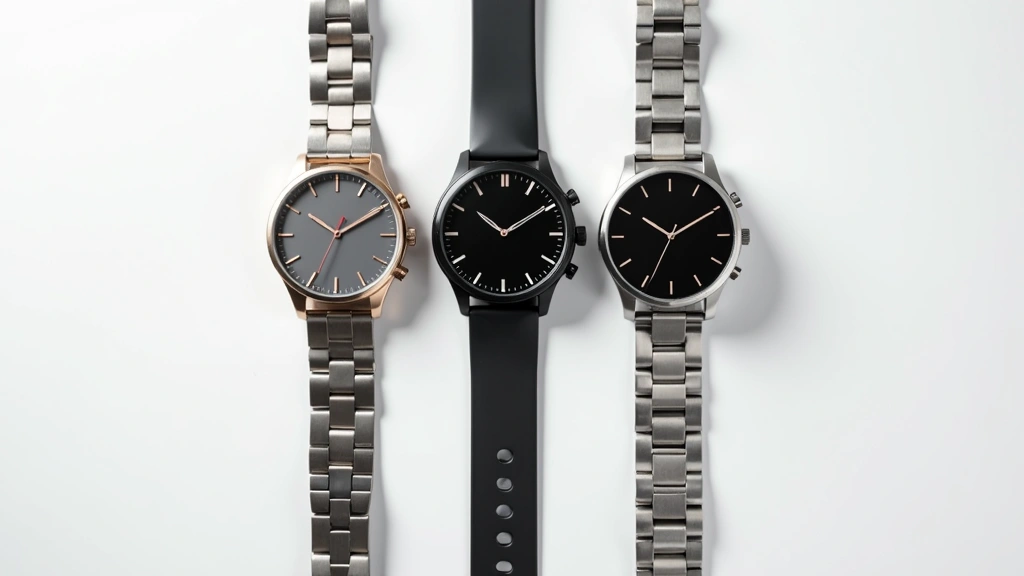
Selecting the optimal total fitness watch requires honest assessment of your fitness priorities, technical preferences, and budget constraints. Ask yourself: What activities do you primarily engage in? Do you need sport-specific metrics like running power or swimming efficiency? How important is ecosystem integration with existing devices? Can you tolerate daily charging, or do you require multi-week battery life?
For triathletes and endurance athletes, dedicated sports watches like Garmin Fénix 7X or Polar Grit X2 Pro provide superior training metrics compared to general-purpose smartwatches. For casual fitness enthusiasts prioritizing convenience and notifications, Apple Watch Series 9 offers excellent health monitoring alongside smartphone integration. Budget-conscious athletes should seriously consider Coros Apex 2 Pro, which delivers 90% of premium functionality at 60% of premium pricing.
Test devices before purchasing if possible—wrist comfort varies significantly between models, and some users find optical heart rate sensors unreliable on their skin types. Consider whether you prefer always-on displays (convenient but battery-draining) or traditional displays requiring button presses. Evaluate whether the specific health metrics matter for your goals, or whether simpler tracking suffices.
Future-proofing matters for devices costing $400+. Manufacturers with strong track records of software updates and ecosystem development provide better long-term value. Garmin’s multi-year commitment to supporting older devices through firmware updates contrasts favorably with some competitors discontinuing support within 3-4 years.
Integration with Health and Wellness Platforms
Modern fitness watches increasingly integrate with broader health ecosystems. Smartwatches now sync with nutrition tracking apps, allowing comprehensive lifestyle monitoring beyond exercise metrics. Technology innovations across industries have accelerated development of interconnected health platforms where wearables communicate with home health devices, medical records, and coaching services.
Some premium watches integrate with personal coaching platforms providing real-time guidance during workouts. Garmin’s Coach feature offers adaptive training plans based on fitness level and goals. Polar’s training recommendations evolve based on accumulated training load and recovery status. These AI-powered coaching features represent significant value-adds for serious athletes.
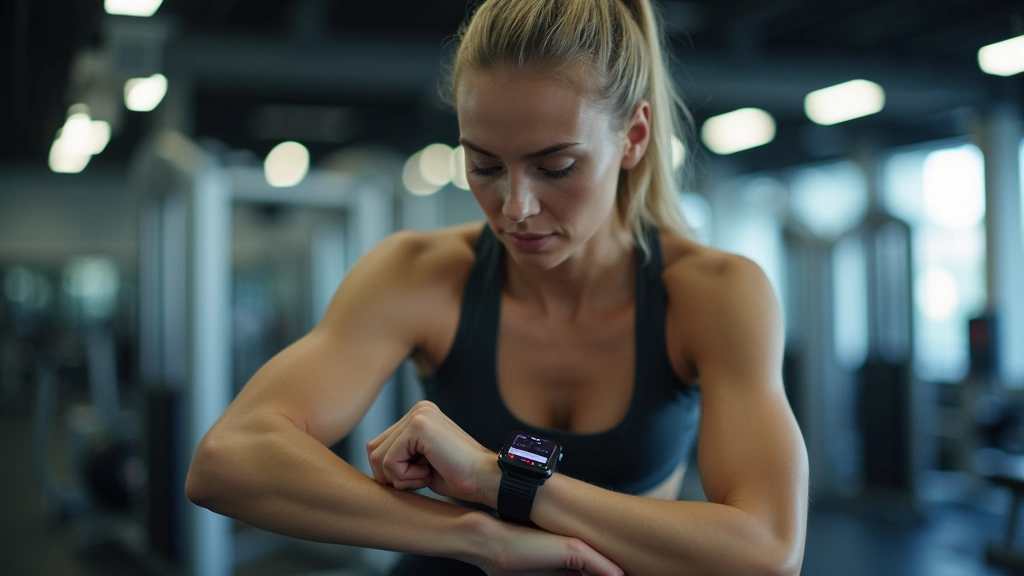
Workplace wellness programs increasingly incorporate fitness watch data, providing incentives for meeting activity goals. Healthcare providers begin accessing wearable data to identify health risks earlier, though privacy considerations remain substantial. Users should verify how their data flows through these ecosystems and maintain comfort with data-sharing practices.
FAQ
What’s the actual difference between fitness watches and smartwatches?
Fitness watches prioritize biometric data collection, training metrics, and health monitoring with extended battery life. Smartwatches emphasize notifications, apps, mobile payments, and ecosystem integration with shorter battery life. Some premium devices blur these distinctions, offering both capabilities. For pure fitness tracking, dedicated sports watches outperform general-purpose smartwatches; for convenience and notifications, smartwatches excel.
How accurate are optical heart rate sensors on fitness watches?
Optical heart rate sensors provide approximately 95% accuracy for steady-state efforts but may vary 5-15% during high-intensity intervals. Accuracy depends on skin tone, wrist tattoos, tightness of fit, and movement artifacts. Chest strap monitors remain more accurate during intense exercise, though wrist sensors improve continuously. For training zones and general monitoring, wrist-based measurements prove sufficiently accurate for most users.
Do I really need multi-GNSS positioning, or is GPS sufficient?
GPS-only positioning works well in open environments but struggles in urban canyons, forests, and other obstructed areas. Multi-GNSS (GPS, GLONASS, Galileo) provides faster acquisition and better accuracy in challenging conditions. For trail running, hiking, and adventure sports, multi-GNSS justifies slightly reduced battery life. Casual runners on roads may not notice meaningful differences.
Which fitness watch brand offers the best training metrics?
Garmin leads in comprehensive training analytics with advanced metrics like training load, recovery time, and training status. Polar excels in sports science with refined algorithms for training recommendations. Coros provides excellent metrics at competitive pricing. The “best” choice depends on your sport—running-focused athletes may prefer Garmin, while swimmers might favor Polar’s water sports analytics.
Is it worth upgrading from a basic fitness tracker to a total fitness watch?
Absolutely, if you’re serious about structured training or competitive athletics. Total fitness watches provide sport-specific metrics, advanced training analysis, and personalized recommendations that basic trackers cannot match. For casual users simply tracking daily steps and sleep, basic trackers suffice. Mid-range fitness watches ($300-400) offer excellent value for athletes seeking serious training support.
How often do fitness watch manufacturers release new models?
Major brands typically release flagship models every 1-2 years with incremental improvements. Garmin updates the Fénix and Epix lines annually with minor enhancements. Apple releases new Watch models yearly alongside iPhone launches. Older models often receive discounts when new versions launch, potentially offering excellent value. Software updates provide significant functionality improvements independent of hardware releases.


