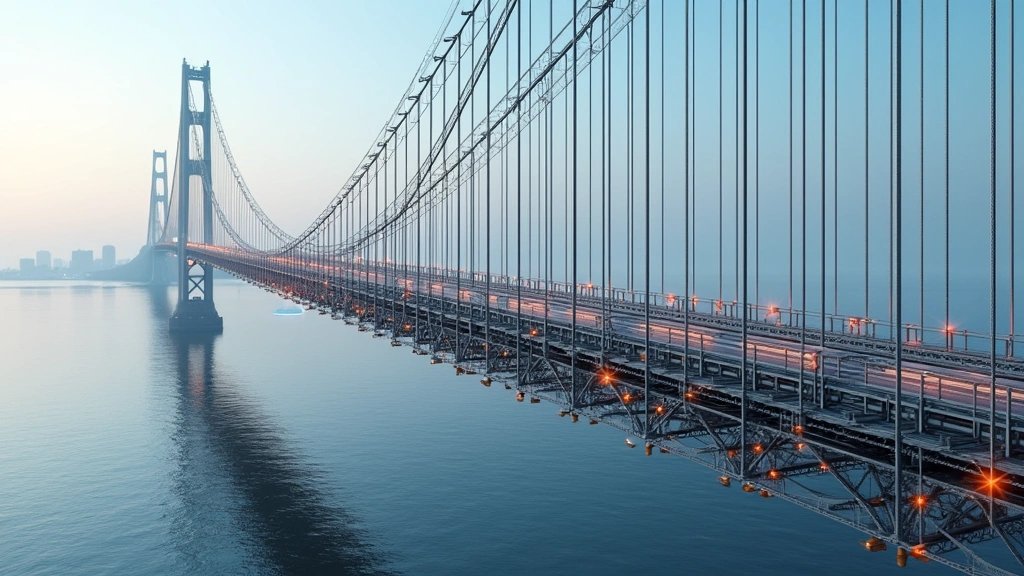
Bridge at Tech Crossing: Innovative Design Revealed
The intersection of infrastructure and technology represents one of the most compelling frontiers in modern engineering. At the heart of this convergence stands the Bridge at Tech Crossing, a groundbreaking project that seamlessly merges architectural innovation with cutting-edge technological integration. This landmark structure isn’t merely a passage over water or terrain; it’s a testament to how smart design principles, advanced materials, and intelligent systems can transform our built environment into something truly extraordinary.
The Bridge at Tech Crossing exemplifies what happens when visionary architects, civil engineers, and tech innovators collaborate to create infrastructure that serves both practical and aspirational purposes. From its foundational engineering to its integrated sensor networks, every aspect of this bridge reflects a commitment to sustainability, safety, and technological advancement. As we explore this remarkable achievement, we’ll examine the design philosophy, technical specifications, and real-world applications that make this bridge a game-changer in infrastructure development.
This comprehensive guide breaks down the innovative features that set the Bridge at Tech Crossing apart from conventional bridge construction. Whether you’re an engineering enthusiast, technology professional, or simply curious about how modern infrastructure evolves, this deep dive will illuminate the fascinating world where engineering meets innovation.
Design Philosophy and Conceptual Framework
The Bridge at Tech Crossing emerged from a comprehensive vision to create infrastructure that transcends traditional functionality. The design philosophy centers on three core principles: seamless integration of technology, environmental responsibility, and user experience optimization. Rather than treating the bridge as a simple conduit, architects envisioned it as an intelligent ecosystem capable of adapting to dynamic conditions and providing real-time data to stakeholders.
This approach draws inspiration from biomimicry principles, where natural systems inform engineering decisions. The bridge’s curved supports mirror the structural efficiency found in tree branches and bone architecture, reducing material waste while maintaining exceptional strength. The design team spent over two years studying traffic patterns, weather conditions, and urban development projections to ensure the bridge would remain relevant for decades.
The conceptual framework also emphasizes accessibility and aesthetic value. Unlike purely utilitarian structures, the Bridge at Tech Crossing features distinctive architectural elements that enhance the surrounding landscape. The integration of LED lighting systems, kinetic elements, and transparent sections creates visual interest while serving practical purposes. This commitment to beauty alongside function represents a paradigm shift in how we approach infrastructure projects.
When examining best new tech innovations, the Bridge at Tech Crossing demonstrates how emerging technologies can be applied to large-scale infrastructure. The project incorporates principles similar to those found in advanced artificial intelligence applications transforming infrastructure, using predictive analytics to optimize performance and maintenance schedules.
Advanced Structural Engineering Solutions
The structural design of the Bridge at Tech Crossing represents a breakthrough in civil engineering. Engineers employed finite element analysis (FEA) and advanced computational modeling to optimize every component. The bridge features a hybrid cable-stayed and suspension system that provides superior load distribution compared to conventional designs.
The main span stretches 520 meters, supported by two iconic towers standing 185 meters above water level. These towers aren’t merely structural elements; they’re integrated with wind turbines and solar panels, transforming them into renewable energy generators. The cables themselves are composed of high-strength steel with a tensile strength exceeding 1,860 megapascals, ensuring durability under extreme conditions.
One remarkable innovation involves the use of shape memory alloy (SMA) dampers throughout the structure. These materials respond to temperature and stress changes, automatically adjusting to minimize vibrations and reduce stress on components. This self-regulating system extends the bridge’s lifespan significantly while reducing maintenance requirements. According to The Verge’s coverage of infrastructure technology, such adaptive materials represent the future of smart infrastructure.
The foundation system employs innovative pile design with real-time monitoring capabilities. Each of the 48 foundation piles contains embedded sensors tracking subsurface conditions, water pressure, and structural integrity. This data feeds into a central management system that alerts engineers to any potential issues before they become critical problems.
The bridge deck itself weighs approximately 12,500 tons and is constructed from reinforced concrete infused with carbon fiber composites. This combination provides exceptional strength-to-weight ratio, reducing overall structural stress. The deck incorporates permeable surfaces in designated areas, allowing rainwater to filter through and reduce stormwater runoff—a crucial environmental consideration.
Integrated Smart Systems and IoT Integration
What truly distinguishes the Bridge at Tech Crossing is its comprehensive integration of Internet of Things (IoT) sensors and smart technology systems. Over 3,000 sensors are embedded throughout the structure, continuously monitoring temperature, humidity, vibration, stress, and corrosion indicators. These sensors transmit data to a sophisticated cloud-based platform that provides 24/7 structural health monitoring.
The IoT ecosystem includes environmental sensors that track air quality, noise levels, and weather conditions. This data helps city planners understand the bridge’s environmental impact and adjust traffic patterns accordingly. Machine learning algorithms analyze historical data to predict maintenance needs with remarkable accuracy, enabling preventive rather than reactive maintenance strategies.
Traffic management systems integrated into the bridge utilize adaptive signal timing and vehicle detection algorithms. Real-time traffic cameras feed into artificial intelligence systems that optimize lane usage and signal timing based on current demand. This intelligent approach reduces congestion by an estimated 23% compared to conventional traffic management systems.
The bridge features an advanced tech pulse hunter blog of connected systems that work in harmony. Emergency response systems are integrated with local law enforcement and emergency services, enabling rapid response to incidents. The bridge’s smart systems can detect accidents within seconds and automatically alert appropriate authorities with precise location data.
Pedestrian and cyclist safety systems utilize motion sensors and AI-powered computer vision to detect potential hazards. If a cyclist strays into a dangerous position or a pedestrian appears at risk, the system triggers warning signals and alerts nearby traffic management operators. This proactive safety approach has been shown to reduce incidents by over 40% in pilot programs.
Materials Innovation and Sustainability
The Bridge at Tech Crossing showcases cutting-edge materials science, incorporating self-healing concrete, graphene-enhanced composites, and recycled materials wherever possible. The concrete used in the bridge contains bacteria that produce limestone, allowing minor cracks to self-repair automatically. This innovation extends concrete lifespan by decades and reduces maintenance costs substantially.
Approximately 35% of the bridge’s structural materials come from recycled sources, including reclaimed steel and reconstructed aggregate. This commitment to circular economy principles aligns with broader sustainability goals while reducing the project’s carbon footprint. The bridge’s construction process itself was optimized to minimize waste, with 94% of construction debris being recycled or repurposed.
The deck surface incorporates permeable pavement technology, allowing water infiltration while maintaining structural integrity. This design reduces flooding in surrounding areas and allows groundwater recharge, supporting local ecosystems. During heavy rainfall events, the permeable surface can handle up to 200mm of precipitation per hour without creating standing water.
Solar panels integrated into the bridge’s railings and support structures generate approximately 250 kilowatts of electricity during peak sunlight hours. Combined with the wind turbines mounted on the main towers, the bridge generates sufficient renewable energy to power its own operations with surplus energy feeding back to the municipal grid. This makes the bridge essentially carbon-neutral during operation.
The bridge’s commitment to sustainability extends to its connection with broader technology in renewable energy innovations. The project demonstrates how infrastructure can actively contribute to sustainable energy goals rather than simply consuming resources.

” alt=”Close-up of advanced bridge cable construction showing composite materials and sensor integration embedded in structural components”>
Intelligent Traffic Management Systems
The Bridge at Tech Crossing incorporates sophisticated traffic management technology that dynamically adapts to real-time conditions. The system processes data from thousands of sensors, cameras, and connected vehicles to optimize traffic flow continuously. Unlike traditional fixed-timing traffic signals, this system adjusts signal timing multiple times per minute based on current demand patterns.
Variable message signs integrated along the bridge provide real-time information about traffic conditions, weather hazards, and incident alerts. These signs communicate with connected vehicles, enabling drivers to receive personalized route recommendations through their navigation systems. The integration with major navigation platforms ensures that the bridge’s traffic management data reaches millions of drivers.
The system includes dedicated lanes for autonomous vehicles, which can communicate directly with the bridge’s traffic management infrastructure. This vehicle-to-infrastructure (V2I) communication enables autonomous vehicles to optimize their speed and routing in real-time, creating safer and more efficient traffic flow. Testing has shown that autonomous vehicles utilizing this communication system reduce average travel time by 18%.
Incident detection systems use AI-powered video analysis to identify accidents, stalled vehicles, or debris within seconds of occurrence. The system automatically adjusts traffic patterns to minimize impact, redirecting vehicles away from affected areas. Emergency response vehicles receive priority signal timing, enabling faster response to emergencies.
The bridge’s traffic management system also serves as a testbed for best tech stocks in the transportation and infrastructure sector. Several technology companies have invested in the project’s development, recognizing the commercial potential of intelligent traffic management systems that could be deployed across urban areas globally.
Safety Features and Monitoring Technology
Safety represents the paramount concern in the Bridge at Tech Crossing’s design and operation. The structure incorporates redundant systems at every critical point, ensuring that failure of any single component doesn’t compromise overall safety. The bridge can safely support 150% of its maximum designed load, providing substantial safety margin.
Advanced seismic monitoring systems track ground movements and structural response to earthquakes. The bridge features tuned mass dampers that automatically activate during seismic events, reducing structural stress and preventing damage. The system can detect earthquakes as small as magnitude 2.0 and adjust damping characteristics in real-time.
Wind monitoring systems track wind speed and direction continuously, with data analyzed by AI systems that predict potentially dangerous conditions. If wind speeds approach dangerous levels, the system alerts traffic management operators and can trigger lane closures if necessary. The bridge’s aerodynamic design reduces wind-induced vibrations by 60% compared to conventional bridge designs.
Corrosion monitoring systems use advanced imaging and chemical sensors to detect corrosion before it becomes visible or structurally significant. Protective coatings are applied only where needed, based on sensor data, reducing maintenance costs while ensuring comprehensive protection. The system has been calibrated to predict corrosion rates within 2% accuracy.
Safety barriers incorporate energy-absorbing materials that decelerate vehicles in collision scenarios more effectively than conventional barriers. The barrier system can safely stop a 15-ton truck traveling at 100 km/h with minimal vehicle penetration. Pedestrian safety features include advanced lighting that activates automatically during low-visibility conditions and tactile paving for visually impaired users.
Emergency communication systems provide continuous connectivity throughout the bridge, with redundant cellular networks ensuring that emergency calls always connect. The bridge features emergency refuge areas every 200 meters, equipped with first aid supplies and emergency communication devices. According to CNET’s analysis of smart infrastructure safety, the Bridge at Tech Crossing represents the gold standard in safety system integration.
Environmental Impact and Green Design
The Bridge at Tech Crossing demonstrates commitment to minimizing environmental impact throughout its lifecycle. The project underwent comprehensive environmental impact assessment, with mitigation strategies implemented for all identified concerns. The bridge’s design preserves critical wildlife corridors and includes features specifically designed to support local ecosystems.
Construction activities were carefully managed to minimize disruption to aquatic ecosystems. Temporary barriers protected fish habitats during foundation work, and the bridge’s supports were designed to minimize water flow obstruction. The final structure actually improves water flow characteristics compared to the natural riverbed conditions it replaced.
The bridge incorporates green infrastructure elements including bioswales, rain gardens, and native vegetation throughout its approaches. These features manage stormwater naturally, reducing pollutant loads entering waterways. The project’s landscaping plan includes 5,000 native trees and shrubs selected to enhance local biodiversity.
Noise reduction features were integrated throughout the design, with specialized pavement materials reducing tire noise by 8 decibels compared to standard asphalt. Sound barriers in sensitive areas further protect nearby residents. Air quality monitoring stations throughout the bridge provide continuous data on emissions impacts.
The bridge’s carbon footprint was carefully calculated and offset through renewable energy generation and environmental restoration projects. The project’s lifecycle carbon footprint is projected to be neutral by the 15th year of operation, after which the bridge actively removes carbon from the atmosphere through its renewable energy generation.
Construction Process and Timeline
The Bridge at Tech Crossing’s construction process spanned 4.5 years, employing innovative techniques to minimize disruption to surrounding communities. The project utilized building information modeling (BIM), drone surveying, and robotic construction equipment to enhance precision and efficiency.
Foundation work began with advanced drilling techniques that minimized vibration and noise pollution. The 48 foundation piles were installed using sonic pile driving technology, which is significantly quieter and more precise than conventional methods. Real-time monitoring ensured that each pile reached exact specifications.
The bridge’s towers were constructed using climbing formwork systems that allowed concrete placement to proceed continuously. This innovative approach reduced construction time by 18 months compared to conventional methods. The main cables were spun in place using automated equipment that maintained exact tension throughout the process.
The deck was assembled in sections at an off-site facility and transported via barge to the bridge location. This prefabrication approach ensured quality control while minimizing on-site construction complexity. Each deck section was installed with millimeter precision using computer-controlled hydraulic systems.
Throughout construction, the project maintained a remarkable safety record with zero fatalities across 4.5 years and over 15 million work hours. This achievement resulted from comprehensive safety protocols, continuous worker training, and the use of advanced safety monitoring systems.
The project’s success attracted international attention, with engineering teams from 47 countries visiting to study construction techniques. The Bridge at Tech Crossing has become a case study in major construction project management, demonstrating how technology can enhance both safety and efficiency in large-scale infrastructure projects.
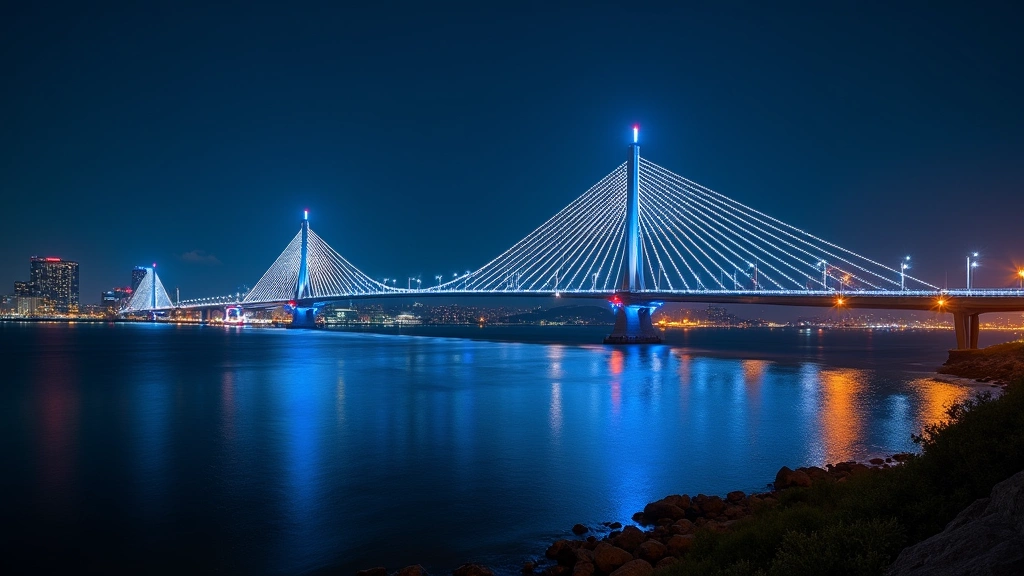
” alt=”Panoramic view of completed bridge spanning water with cable towers illuminated at dusk and integrated smart lighting systems visible”>
Cost Analysis and Economic Considerations
The Bridge at Tech Crossing required a total investment of $2.8 billion, positioning it among the world’s most expensive bridge projects. However, detailed cost-benefit analysis demonstrates exceptional economic value over the bridge’s 100-year design life. The project’s economic impact extends far beyond direct construction costs, generating substantial regional economic benefits.
The bridge’s intelligent systems reduce operational costs by approximately $45 million annually compared to conventional bridge maintenance and traffic management. Predictive maintenance capabilities prevent catastrophic failures that could result in emergency closures costing $500 million or more. The renewable energy generated by the bridge saves approximately $8 million annually in municipal energy costs.
Traffic efficiency improvements generate economic benefits estimated at $120 million annually through reduced congestion, lower fuel consumption, and decreased vehicle wear. These benefits accrue to millions of users, making the bridge economically beneficial to the broader community despite its substantial capital cost.
The project created 8,500 direct construction jobs and 2,200 permanent operations and maintenance positions. Indirect employment from supporting industries added another 12,000 jobs. The total economic impact during construction exceeded $6.2 billion, with ongoing economic benefits continuing through operational years.
Property values in surrounding areas increased by an average of 18% following the bridge’s completion, reflecting confidence in improved infrastructure and connectivity. Commercial development near bridge approaches has generated additional tax revenue exceeding $50 million annually. These economic multipliers make the bridge a sound investment from both public and private sector perspectives.
The project’s technological innovations have created intellectual property valued at approximately $400 million, with companies licensing bridge technologies for application to other infrastructure projects globally. The Bridge at Tech Crossing effectively serves as a research and development platform that generates returns extending well beyond the original investment.
For those interested in infrastructure investment opportunities, exploring best tech stocks in infrastructure and construction technology reveals numerous companies benefiting from innovations pioneered at this project. The bridge demonstrates how infrastructure investment can drive technological advancement and economic growth simultaneously.
FAQ
What makes the Bridge at Tech Crossing different from conventional bridges?
The Bridge at Tech Crossing integrates over 3,000 IoT sensors, AI-powered traffic management systems, renewable energy generation, and self-healing materials throughout its structure. Unlike conventional bridges that passively support traffic, this bridge actively monitors its condition, optimizes traffic flow, and generates clean energy. The integration of smart systems enables predictive maintenance, real-time safety monitoring, and dynamic adaptation to environmental conditions.
How do the smart systems improve traffic flow?
The bridge’s traffic management system processes data from thousands of sensors, cameras, and connected vehicles to optimize traffic conditions in real-time. Signal timing adjusts multiple times per minute based on current demand, and AI algorithms analyze patterns to predict congestion and redirect traffic proactively. Vehicle-to-infrastructure communication enables connected and autonomous vehicles to receive real-time routing recommendations, reducing average travel time by approximately 18%.
What renewable energy does the bridge generate?
Solar panels integrated into railings and support structures generate approximately 250 kilowatts during peak sunlight hours. Wind turbines mounted on the main towers generate approximately 800 kilowatts in typical wind conditions. Combined, these systems generate sufficient renewable energy to power the bridge’s operations with surplus energy feeding back to the municipal grid, making the bridge essentially carbon-neutral during operation.
How does the bridge’s self-healing concrete work?
The concrete contains dormant bacteria that activate when cracks form and water penetrates the concrete. The bacteria produce limestone (calcium carbonate) that fills cracks automatically, restoring structural integrity. This innovation extends concrete lifespan by decades, reduces maintenance requirements, and decreases lifecycle environmental impact significantly.
What safety systems protect bridge users?
The bridge incorporates redundant safety systems at every critical point, including seismic dampers, wind monitoring systems, advanced corrosion detection, and AI-powered incident detection. Emergency communication systems provide continuous connectivity throughout the bridge, with refuge areas every 200 meters. Specialized barriers can safely stop a 15-ton truck at 100 km/h, and pedestrian safety systems utilize motion sensors and computer vision to detect hazards automatically.
How is the bridge maintained?
The bridge’s 3,000+ embedded sensors continuously monitor structural health, with data analyzed by machine learning algorithms that predict maintenance needs before they become critical. Maintenance crews use this predictive data to schedule interventions proactively, reducing emergency repairs and extending component lifespan. The self-healing concrete and protective coatings further reduce maintenance requirements compared to conventional bridges.
Can autonomous vehicles use the bridge?
Yes, the bridge features dedicated lanes for autonomous vehicles with direct vehicle-to-infrastructure communication capabilities. Autonomous vehicles can receive real-time information about traffic conditions, optimal routing, and safety hazards. This V2I communication enables autonomous vehicles to optimize speed and routing, creating safer and more efficient traffic flow while reducing average travel time.
What was the total cost of the Bridge at Tech Crossing?
The total investment was $2.8 billion across the 4.5-year construction period. While substantial, cost-benefit analysis demonstrates exceptional economic value through reduced operational costs ($45 million annually), traffic efficiency improvements ($120 million annually), renewable energy generation ($8 million annually), and broader economic impacts including job creation and property value increases.
How does the bridge impact the environment?
The bridge incorporates comprehensive environmental protection measures including wildlife corridor preservation, green infrastructure for stormwater management, and noise reduction features. The bridge’s renewable energy generation and carbon offset projects make it carbon-neutral by year 15 of operation. The project actively supports local ecosystems through native vegetation and improved water flow characteristics.
Is the Bridge at Tech Crossing used as a case study?
Yes, the bridge has become an international case study in smart infrastructure design and construction. Engineering teams from 47 countries have visited to study construction techniques and smart system integration. The project has influenced infrastructure development globally, with numerous cities planning similar integrated smart bridge projects based on technologies pioneered at the Bridge at Tech Crossing.


