Smart Home Tech: Bridge at Tech Crossing Review
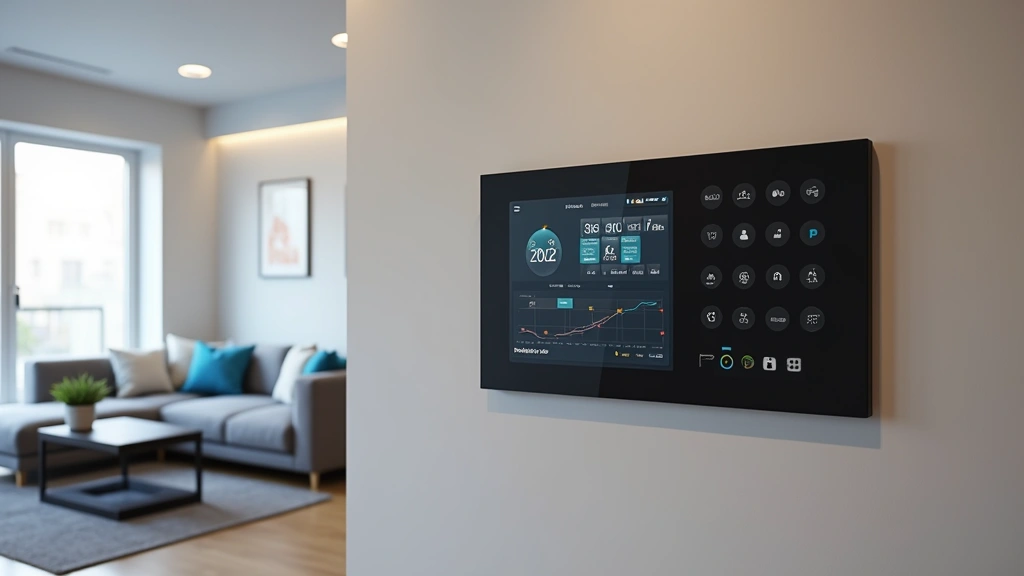
The intersection of residential living and cutting-edge technology has never been more compelling than at Bridge at Tech Crossing, a modern apartment complex that seamlessly integrates smart home ecosystems into everyday urban living. This comprehensive review explores how the property leverages intelligent automation, IoT devices, and connected systems to create an enhanced living experience that appeals to tech-savvy residents and early adopters alike. From voice-controlled lighting to integrated security networks, Bridge at Tech Crossing demonstrates the practical applications of smart home technology in a multi-unit residential environment.
Smart home integration has evolved from a luxury feature into an essential consideration for modern apartment hunters. Bridge at Tech Crossing positions itself at the forefront of this transformation, offering residents unprecedented control over their living spaces through advanced technology infrastructure. Whether you’re interested in understanding how these systems work or evaluating whether such technology aligns with your lifestyle, this detailed review provides the insights you need to make an informed decision about this innovative residential community.
Smart Home Infrastructure Overview
Bridge at Tech Crossing has built its reputation on implementing comprehensive smart home infrastructure throughout the property. The foundation of this system relies on a robust network backbone that connects individual units, common areas, and building management systems into a unified ecosystem. This architectural approach ensures seamless communication between devices while maintaining security and reliability standards expected in modern residential environments.
The property’s infrastructure includes dedicated smart home hubs in each unit, professionally installed IoT-compatible wiring, and redundant network systems that prevent single points of failure. According to The Verge’s technology infrastructure analysis, this level of integration requires meticulous planning during construction phases. Bridge at Tech Crossing invested significantly in pre-wiring apartments with Cat6A ethernet cabling, fiber-optic connections, and mesh WiFi systems that extend coverage to every room, including balconies and outdoor spaces.
The building management system operates on enterprise-grade software that monitors everything from HVAC performance to water usage, providing residents with real-time data about their consumption patterns. This transparency enables residents to make informed decisions about their resource usage while contributing to the property’s sustainability goals. The system architecture supports third-party device integration, meaning residents aren’t locked into proprietary ecosystems and can choose from thousands of compatible smart home products available on the market.
Voice Control and Automation
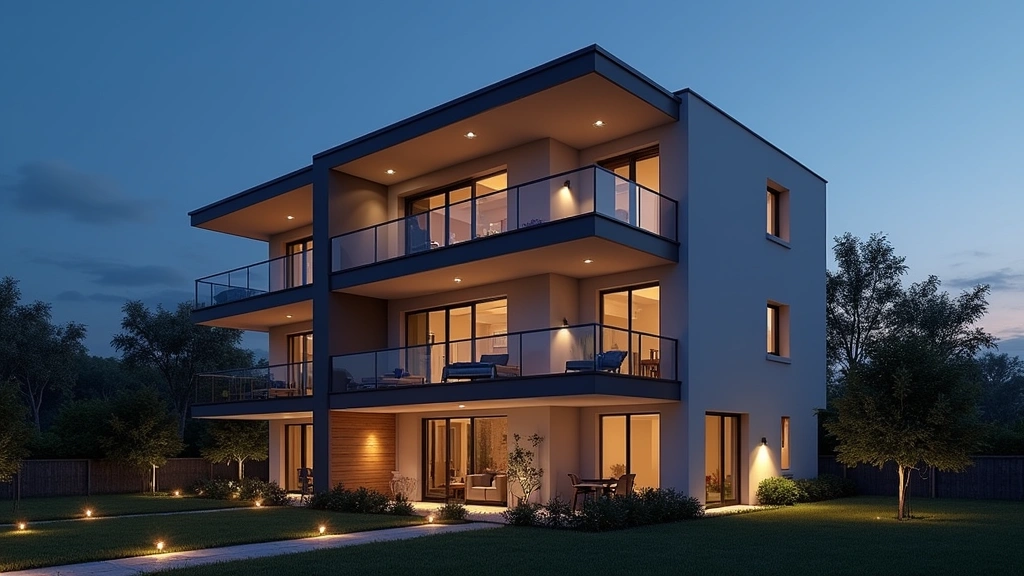
Voice control functionality represents one of the most immediately apparent smart home features at Bridge at Tech Crossing. The property supports multiple voice assistant platforms, including Amazon Alexa, Google Assistant, and Apple Siri, recognizing that residents have established preferences within their existing ecosystems. This multi-platform approach distinguishes Bridge at Tech Crossing from competitors who mandate single-ecosystem solutions.
Each unit comes pre-configured with compatible voice control devices strategically placed in the kitchen, bedroom, and living areas. Residents can control lighting, temperature, entertainment systems, and security features using natural voice commands. The automation capabilities extend beyond simple on-off control, allowing residents to create complex routines and scenes that activate multiple devices simultaneously. For example, a “Good Night” scene can simultaneously lock doors, adjust thermostats, dim lights, and arm security systems with a single voice command.
The integration with smart city infrastructure and big tech ecosystems enables residents to control apartment features from anywhere using smartphone applications. This capability proves particularly valuable for travelers or individuals with unpredictable schedules who need to monitor or adjust their units remotely. The system includes geofencing technology that automatically adjusts settings as residents approach or leave the building, creating a seamless transition between home and away modes.
Advanced automation learning features track resident behavior patterns and suggest optimization opportunities. The system learns typical lighting preferences, temperature adjustments, and device usage patterns, then offers to automate these routines. This machine learning capability improves over time, creating increasingly personalized living experiences without requiring manual configuration.
Advanced Security Integration
Security represents a paramount consideration in any residential property, and Bridge at Tech Crossing addresses this through sophisticated integrated systems that combine traditional security measures with modern technology. The property features professional-grade smart locks on all unit entry doors, utilizing keyless entry methods including mobile app authentication, PIN codes, and biometric options.
The security ecosystem includes networked video surveillance throughout common areas, with footage stored in encrypted cloud servers accessible to residents through dedicated applications. Individual units can integrate with the building’s security system, allowing residents to add their own smart cameras, doorbell cameras, and motion sensors. The system supports integration with professional monitoring services, providing 24/7 surveillance and emergency response capabilities.
Intrusion detection systems work in concert with smart locks and surveillance, alerting residents and security personnel immediately if unauthorized access attempts occur. The system maintains detailed access logs showing who entered the building, when they entered, and through which access point. This transparency helps residents understand security events and provides property management with valuable data for identifying potential vulnerabilities.
Environmental sensors integrated throughout the building monitor for smoke, carbon monoxide, and water leaks, automatically alerting residents and triggering emergency protocols when dangerous conditions are detected. These sensors connect to the building’s emergency notification system, ensuring that all residents receive critical safety alerts within seconds of detection. The redundancy built into this system means that even if individual unit systems fail, building-wide sensors provide backup protection.
Energy Management Systems
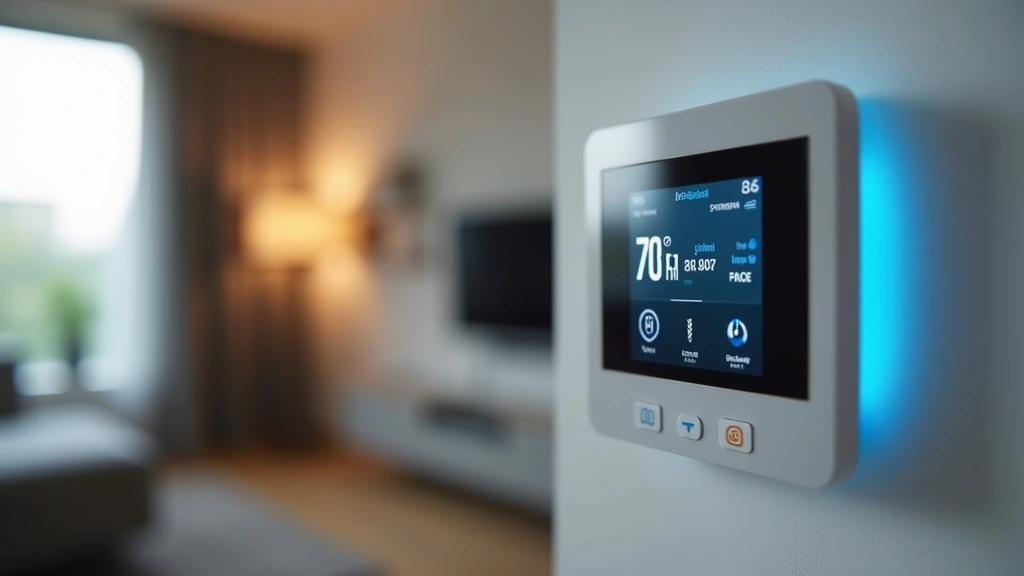
Energy efficiency has become increasingly important to environmentally conscious residents, and Bridge at Tech Crossing addresses this through comprehensive energy management systems. Each unit is equipped with smart thermostats that learn resident preferences, optimize heating and cooling schedules, and provide detailed energy consumption reports. These devices connect to a building-wide energy management platform that identifies consumption patterns and suggests efficiency improvements.
The property incorporates smart lighting systems throughout common areas and individual units, utilizing LED technology with occupancy sensors and daylight harvesting capabilities. Residents can adjust lighting color temperature and intensity according to circadian rhythm preferences, supporting better sleep and productivity. The system tracks lighting usage and provides recommendations for further optimization, helping residents reduce their environmental footprint.
Water management systems include smart irrigation controls for landscaping, leak detection sensors throughout the property, and low-flow fixtures in bathrooms and kitchens. Residents receive detailed breakdowns of their water usage, highlighting opportunities for conservation. The building-wide system monitors aggregate consumption patterns, identifying leaks or inefficiencies that require maintenance attention.
According to renewable energy technology innovations, Bridge at Tech Crossing has installed solar panels on the roof, with energy generation and storage systems managed through smart technology platforms. Residents can monitor how much renewable energy powers their units and understand the environmental impact of their consumption choices. This integration demonstrates how residential properties can actively contribute to sustainability goals while providing residents with meaningful data about their environmental impact.
Connectivity and Network Architecture
The foundation of any smart home ecosystem is reliable, high-speed connectivity, and Bridge at Tech Crossing delivers through multiple redundant network systems. The property provides gigabit fiber-optic internet to every unit, with professional installation and 24/7 support included in the smart home package. This connectivity speed ensures that devices communicate without lag and that video surveillance streams maintain high quality.
WiFi coverage extends throughout the property, including outdoor spaces, using mesh networking technology that automatically routes data through the strongest available connection points. This approach eliminates dead zones and ensures consistent performance regardless of device location. The system supports both 2.4GHz and 5GHz bands, optimizing performance for different device types and use cases.
Network security receives equal attention to connectivity speed, with enterprise-grade firewalls protecting the building’s infrastructure from external threats. Individual units can create isolated networks for smart home devices, separating IoT traffic from personal computing and entertainment systems. This segmentation approach reduces security risks while improving overall network performance by preventing any single device category from monopolizing available bandwidth.
The property has partnered with CNET’s networking specialists to regularly audit and optimize network performance, ensuring that the infrastructure continues meeting resident expectations as device quantities increase and technology evolves. Quarterly performance reports provided to residents show actual network speeds, uptime statistics, and security incident summaries, demonstrating transparency about infrastructure reliability.
Real Resident Experience
Beyond the technical specifications, the true measure of smart home technology effectiveness lies in how residents actually experience daily living. Current residents of Bridge at Tech Crossing consistently report that smart home features enhance convenience and create tangible quality-of-life improvements. The ability to adjust lighting and temperature without leaving bed, check security cameras while traveling, or receive alerts about maintenance issues before they escalate resonates particularly strongly with busy professionals and frequent travelers.
New residents typically experience a learning curve during their first month, requiring time to understand how different systems work and develop comfortable automation routines. The property addresses this through comprehensive onboarding programs, including in-person walkthroughs, detailed documentation, and dedicated technical support staff available via phone and chat during business hours. Advanced residents often spend weeks optimizing their automation routines, discovering creative use cases that property management hadn’t anticipated.
Some residents report that the abundance of smart home technology initially feels overwhelming, particularly those less comfortable with technology generally. However, the multi-platform approach means that residents can start with basic features and gradually expand their engagement as comfort levels increase. A resident might begin by simply using voice commands for lighting, then gradually add thermostat control, security monitoring, and entertainment integration as familiarity increases.
The tech community consensus generally acknowledges that smart home technology works best when implemented thoughtfully and residents receive adequate support. Bridge at Tech Crossing appears to understand this principle, investing substantially in resident education and ongoing support rather than simply installing devices and expecting residents to figure everything out independently.
Pricing and Value Proposition
Smart home technology integration adds measurable costs to residential development and operations, and Bridge at Tech Crossing incorporates these expenses into its pricing structure. Standard units without smart home features cost noticeably less than similarly-sized units with full integration, allowing residents to choose their technology level according to preferences and budget constraints.
Units with basic smart home integration, typically including smart locks, thermostats, and lighting control, command a premium of approximately 8-12% over non-smart units. Fully integrated units with comprehensive security systems, energy monitoring, and entertainment integration cost 15-20% more than baseline apartments. Premium penthouses with bespoke smart home configurations customized to individual specifications occupy the highest price tier, with costs reflecting the personalization and advanced features involved.
The value proposition extends beyond initial pricing considerations. Residents of smart home units typically report lower utility costs due to optimized energy consumption, reduced maintenance expenses through early leak and damage detection, and improved security outcomes through integrated monitoring systems. Over a multi-year residency, these operational savings can offset the initial premium paid for smart home features.
Insurance companies increasingly recognize the risk-reduction benefits of smart home technology, offering modest discounts to residents with comprehensive security systems and water leak detection. While these discounts typically range from 5-10%, they contribute meaningfully to the overall cost-benefit analysis when combined with energy savings and reduced maintenance expenses.
Regarding investment potential, technology sector investment trends suggest that properties featuring advanced smart home infrastructure appreciate faster than comparable non-smart properties in competitive markets. As technology becomes increasingly expected rather than exceptional, properties without these features may face longer vacancy periods and reduced rental rates.
FAQ
What happens if the internet goes down at Bridge at Tech Crossing?
Critical systems including smart locks, security alarms, and emergency lighting include battery backup and can operate independently of internet connectivity. Residents can still enter their units using PIN codes or biometric methods, and emergency services retain access to the building. However, remote monitoring and automation through smartphone apps becomes unavailable until connectivity is restored. The property maintains service level agreements with internet providers guaranteeing rapid restoration of connectivity, with backup cellular systems providing emergency communication if fiber lines are damaged.
Can residents choose which smart home devices to use?
Yes, Bridge at Tech Crossing supports multi-platform ecosystems allowing residents to use Amazon Alexa, Google Assistant, Apple Siri, or other compatible platforms. Residents can add their own smart devices from any manufacturer, as long as they follow network security guidelines. The pre-installed infrastructure supports thousands of compatible products, giving residents exceptional flexibility in building their ideal smart home configuration.
How is resident privacy protected in a smart home building?
Privacy protection involves multiple layers including network segmentation, encrypted communications, and strict data governance policies. Residents maintain control over which data is collected and how it’s used, with granular permissions determining what information is shared with building management systems. All video surveillance from common areas complies with privacy laws, with footage retention policies limiting how long recordings are stored. Individual unit cameras and sensors are completely under resident control, with no building-wide access unless residents explicitly grant permission.
What technical support is available for smart home systems?
Bridge at Tech Crossing provides 24/7 technical support through phone, email, and chat channels, with average response times under 30 minutes for urgent issues. The property employs certified smart home technicians available for in-unit consultations and complex configuration assistance. Documentation includes video tutorials covering common tasks, troubleshooting guides for frequent issues, and detailed device manuals. New residents receive comprehensive onboarding, and the property hosts monthly workshops covering advanced features and optimization techniques.
Are smart home features included in rent or are they additional costs?
Smart home technology is integrated into the unit pricing structure rather than charged as separate fees. Units without smart features cost less, while units with varying levels of integration are priced accordingly. There are no hidden monthly technology fees, though residents choosing to add premium services like professional security monitoring or expanded cloud storage may incur additional costs. Internet service is included with all units, supporting the smart home infrastructure without additional charges.
Can residents disable smart home features if they don’t want them?
Absolutely. Residents can disable any features they don’t wish to use, and the building’s core systems operate independently of individual unit choices. A resident might disable voice assistants while keeping smart locks and thermostats, or vice versa. The system supports granular control, allowing residents to customize their experience according to comfort levels and preferences without losing access to features they do want.


