
Utah Tech Canvas: A Comprehensive Guide to Digital Learning and Creative Tools
Utah Tech University has emerged as a significant hub for digital innovation and creative education, with Canvas serving as the central platform for academic engagement and collaborative learning. This comprehensive guide explores everything you need to know about Canvas at Utah Tech, from basic navigation to advanced features that enhance your educational experience.
Canvas represents a transformative shift in how Utah Tech students, faculty, and staff interact with course materials, assignments, and collaborative projects. Whether you’re a first-year student navigating your initial semester or an experienced learner seeking to maximize your Canvas proficiency, understanding this learning management system is essential for academic success in today’s technology-driven educational environment.

What is Canvas at Utah Tech?
Canvas is a cloud-based learning management system (LMS) that serves as the digital backbone of Utah Tech’s educational infrastructure. This powerful platform integrates course content, communication tools, assessment features, and collaborative spaces into a single, accessible environment. Canvas enables instructors to deliver engaging course experiences while providing students with intuitive tools for learning, collaboration, and academic growth.
The platform has been adopted by thousands of educational institutions worldwide, and Utah Tech leverages its capabilities to create a modern, student-centered learning ecosystem. Canvas supports various pedagogical approaches, from traditional lecture-based courses to fully online and hybrid learning models. Its flexibility allows faculty to design courses that accommodate diverse learning styles and educational objectives.
Understanding Canvas functionality is crucial because it directly impacts your ability to access course materials, submit assignments on time, communicate with instructors and peers, and track your academic progress. The platform’s intuitive design makes it accessible to users of all technical skill levels, though mastering its advanced features can significantly enhance your educational experience.
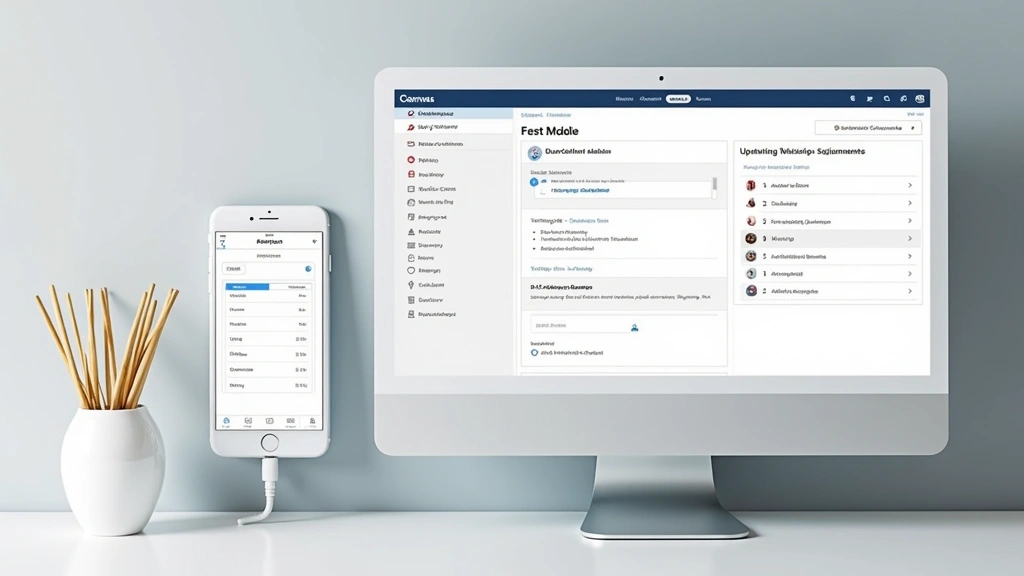
Getting Started with Your Canvas Account
Your Canvas account at Utah Tech is automatically created when you enroll in courses. Access Canvas through the official Utah Tech Canvas portal, where you’ll log in using your institutional credentials. Your username typically matches your university email address (without the @utech.edu domain), and your password is the same one you use for other university systems.
First-time users should take advantage of Canvas’s built-in orientation resources. The platform provides interactive tutorials and documentation that walk you through essential features. Spend time exploring the interface before your courses begin, as familiarity with basic navigation will reduce stress and improve your efficiency throughout the semester.
Your profile setup is an important first step. Customize your profile picture, notification preferences, and communication settings. This personalization helps instructors and classmates recognize you while ensuring you receive important updates through your preferred channels. You can adjust notification settings to control how frequently you receive emails about course activity, assignment deadlines, and grade updates.
Navigating the Canvas Dashboard
The Canvas dashboard serves as your personalized hub, displaying all enrolled courses, upcoming assignments, announcements, and important notifications. Upon logging in, you’ll see your course cards arranged for easy access. Each card displays the course name, instructor, and recent activity, allowing you to quickly identify which courses need your attention.
The left sidebar contains essential navigation options including your courses, calendar, inbox, and account settings. Your Courses section lists all current and past enrollments, while the Calendar provides a comprehensive view of all deadlines, events, and important dates across all your courses. This unified calendar view is invaluable for managing multiple courses and planning your study schedule effectively.
Your Inbox consolidates messages from instructors, classmates, and Canvas notifications. Unlike email, Canvas messages stay within the platform, making it easy to reference course-related communications. The notification system can be customized to your preferences, ensuring you stay informed without becoming overwhelmed by excessive alerts.
Course Navigation and Tools
Once you enter a specific course, you’ll encounter the course navigation menu, typically located on the left side of the screen. This menu provides access to all course components including the syllabus, modules, assignments, discussions, grades, and files. Course organization varies by instructor, but most follow a similar structure that becomes intuitive with familiarity.
Modules are the primary organizational structure in Canvas courses. Instructors use modules to organize course content chronologically or by topic, creating a logical learning path. Each module may contain multiple items such as readings, videos, quizzes, and assignments, often with sequential unlocking to guide your progress through the course material.
The Files section stores all course documents, lecture slides, and supplementary materials. Many instructors also embed files directly within module pages for convenient access. Learning to navigate this section efficiently helps you quickly locate specific resources without scrolling through extensive course content.
Your Canvas experience is significantly enhanced by understanding how to leverage technology tools for academic success, and Canvas is fundamental to that toolkit. The platform’s design encourages active engagement with course materials and peer collaboration.
Assignments and Submissions
Canvas streamlines the assignment submission process, allowing you to upload work directly through the platform. The Assignments section displays all active and upcoming assignments with clear descriptions, due dates, and point values. Each assignment page includes submission instructions, rubrics (if applicable), and examples of acceptable work.
When submitting assignments, you can upload files, type directly into the text editor, or submit URLs to external work. Canvas supports various file formats including documents, spreadsheets, presentations, images, and videos. The platform automatically timestamps submissions, ensuring your instructor knows exactly when you completed and submitted your work.
Late submission policies vary by instructor and course. Some allow late submissions with point deductions, while others enforce strict deadlines. Canvas displays this information clearly on each assignment page, so you understand the consequences before submitting late work. Planning your time to meet deadlines is crucial for maintaining your grades.
Rubrics provide detailed grading criteria that help you understand exactly what your instructor expects. When available, rubrics display point values for different performance levels, allowing you to self-assess your work before submission. This transparency helps you produce higher-quality submissions that meet your instructor’s expectations.
Communication Features
Canvas offers multiple communication channels that facilitate meaningful interaction between students and instructors. The Inbox feature allows direct messaging with classmates and instructors, creating a professional communication space within the learning platform. Unlike email, Canvas messages are course-specific and easily searchable, helping you maintain organized academic communication.
Discussions are a cornerstone of Canvas-based learning, enabling asynchronous dialogue about course topics. Discussion forums allow students to post thoughts, respond to peers, and engage in substantive academic conversation. These discussions often count toward your grade, so active and thoughtful participation is important for your overall performance.
Many Canvas courses include Announcements that instructors use to share important information, clarifications, and updates. These announcements often appear on your dashboard, but checking the course announcements section regularly ensures you don’t miss critical information. Instructors may also use announcements to provide feedback on assignments or clarify grading policies.
For synchronous learning, Canvas integrates with Zoom, allowing instructors to host live classes, office hours, and study sessions directly through the platform. Video conference links appear in the course navigation or within specific modules, making it easy to join live sessions without searching for separate meeting information.
Grades and Academic Progress
The Grades section provides real-time access to your academic performance. You can view individual assignment scores, cumulative course grades, and detailed feedback from your instructors. This transparency allows you to monitor your progress throughout the semester and identify areas where you need additional support or effort.
Canvas calculates your grade based on your instructor’s grading scheme, which may weight different assignment types differently. Understanding your course’s grading breakdown helps you prioritize your efforts effectively. If you notice grades are missing or appear incorrect, contact your instructor promptly through Canvas messaging.
The SpeedGrader feature, used by instructors, allows detailed feedback on your submissions. When your instructor returns graded work, you’ll see comments, annotations, and scores directly on your submitted documents. This detailed feedback is invaluable for understanding where you succeeded and where you can improve.
Your Canvas grade history is maintained indefinitely, so you can reference past performance when planning future learning strategies. This data helps you identify patterns in your academic performance and adjust your study habits accordingly. If you’re struggling with a course, your grades provide concrete evidence to discuss with your instructor or academic advisor.
Mobile Learning with Canvas
Canvas offers a mobile app available on iOS and Android platforms, enabling you to access your courses from smartphones and tablets. The mobile app replicates most desktop functionality while optimizing the interface for smaller screens, allowing you to check announcements, view assignments, and submit work while on the go.
Mobile Canvas access is particularly valuable for managing deadlines, checking grades, and participating in discussions when you’re away from a computer. The app provides notifications for important course events, helping you stay informed even when you’re not actively logged into the platform. Push notifications can be customized to avoid distraction while ensuring you don’t miss critical deadlines.
However, some advanced features and complex submissions may be better handled on a desktop computer. While the mobile app is convenient for quick checks and simple tasks, plan to use a full computer for comprehensive assignments, detailed reading, and complex file uploads.
Advanced Features and Integrations
Canvas integrates with numerous third-party applications and services, extending its functionality beyond the core platform. Many Utah Tech courses leverage integrations with tools that enhance collaboration, assessment, and content delivery. Understanding these integrations helps you maximize your learning experience and stay informed about all available resources.
The Plagiarism Detection tool (typically Turnitin) is integrated into many Canvas assignments, automatically scanning submissions for originality. This tool helps you understand proper citation practices and ensures academic integrity. Before submitting major papers, you can use this feature to verify your citations are correct and your original work is properly credited.
Canvas supports learning outcomes tracking, allowing your institution to assess whether students are developing required competencies. While this happens largely behind the scenes, understanding that your work contributes to institutional assessment helps you appreciate the broader educational mission beyond individual grades.
Integration with external content repositories and AI-powered educational tools continues to expand Canvas capabilities. Some courses may incorporate artificial intelligence for personalized learning recommendations or automated feedback on certain assignment types, representing the cutting edge of educational technology.
For students interested in exploring technology career pathways, Canvas experience develops valuable digital literacy skills. The platform’s interface mirrors many professional collaboration tools, so proficiency in Canvas translates to workplace competency with similar systems.
Canvas’s API allows for custom integrations with institutional systems, enabling seamless data flow between Canvas and other university platforms. This integration ensures that your enrollment information, grade data, and academic records remain synchronized across all university systems, reducing administrative burden and improving data accuracy.
To stay current with Canvas developments and broader technology trends, check the official Canvas blog and Utah Tech’s technology services announcements. Regular updates introduce new features and improvements that can enhance your learning experience.
Understanding technology sector trends provides context for why institutions like Utah Tech invest in platforms like Canvas. The educational technology market continues evolving, and Canvas remains at the forefront of innovation in learning management systems.
Many students leverage Canvas data and emerging technology developments in their academic projects. Research assignments often involve analyzing how educational institutions adopt technology, making Canvas an excellent case study for examining technology implementation in practice.
FAQ
How do I reset my Canvas password?
Visit the Canvas login page and click “Forgot Password.” Enter your Utah Tech email address, and Canvas will send password reset instructions to your inbox. Follow the link to create a new password. If you don’t receive the email, check your spam folder or contact Utah Tech’s IT support.
Can I access Canvas offline?
Canvas requires an internet connection for full functionality. However, the mobile app allows you to download course content for offline viewing. Once you reconnect to the internet, any offline changes sync automatically with the platform.
What should I do if an assignment won’t upload?
First, try a different browser or clear your browser cache. Ensure your file size doesn’t exceed Canvas limits (typically 500MB per file). Try uploading from a different device or network connection. If problems persist, contact your instructor or Utah Tech’s technical support team.
How can I improve my Canvas organization?
Create a consistent study routine using Canvas’s calendar and notification features. Color-code courses for quick visual reference. Regularly archive past courses to reduce dashboard clutter. Use the search function to quickly locate specific assignments or materials.
What if I miss a deadline?
Contact your instructor immediately through Canvas messaging to explain your situation. Many instructors offer grace periods or alternative submission arrangements for legitimate circumstances. Never assume you’ve failed just because you missed a deadline—communication is key to finding solutions.
How do I know if my assignment was submitted successfully?
After uploading, Canvas displays a confirmation message and shows your submission in the assignment page. You’ll also see your submission in the submission history, timestamped with the exact upload time. If you don’t see confirmation, contact your instructor to verify receipt.
Can I delete or resubmit assignments?
This depends on your instructor’s settings. Some allow multiple submissions and automatic grading of the highest score, while others lock submissions after the deadline. Check your assignment instructions or ask your instructor about resubmission policies.
How do I enable Canvas notifications?
Go to Account Settings (click your profile icon in the top right) and select Notifications. Customize which events trigger notifications and choose your preferred delivery method (email, push notifications, or in-app only).


