
Cath Lab Tech Jobs: Career Insights & Opportunities in Medical Device Technology
The catheterization laboratory has become one of the most dynamic and technology-driven environments in modern healthcare. Cath lab technologists operate at the intersection of advanced medical devices, patient care, and cutting-edge diagnostic equipment—making cath lab tech jobs among the most rewarding careers for tech-savvy healthcare professionals. Whether you’re entering the field or advancing your career, understanding the landscape of cath lab technology positions is essential for long-term success.
Cath lab technicians work with sophisticated fluoroscopy systems, angiography equipment, and hemodynamic monitoring devices that require both technical expertise and clinical knowledge. The role demands precision, quick thinking, and a commitment to staying current with rapid technological advancement. This comprehensive guide explores what makes cath lab tech jobs attractive, the skills required, career progression paths, and the future outlook for professionals in this specialized field.
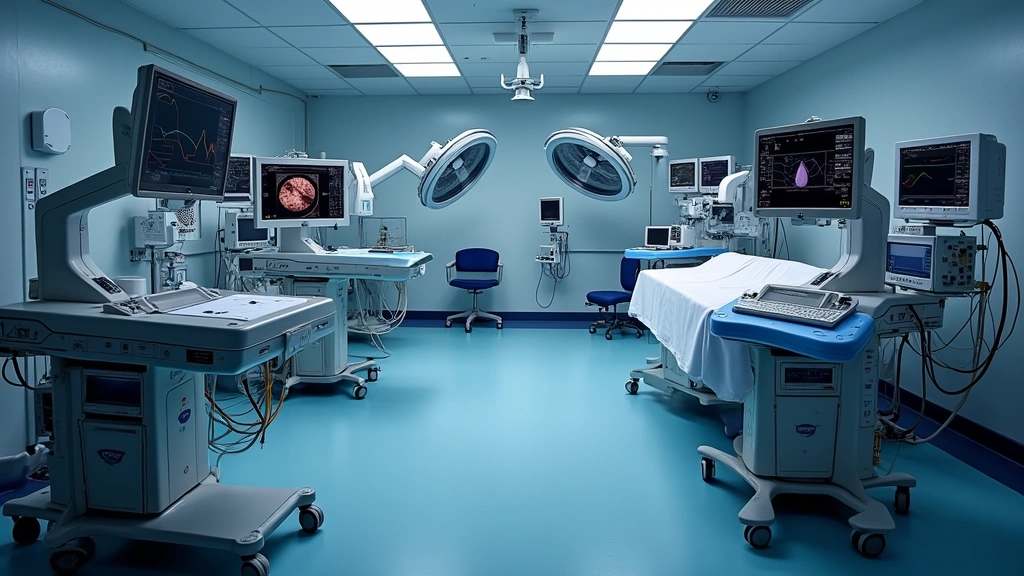
What Is a Cath Lab Technologist?
A catheterization laboratory technologist is a specialized healthcare professional who assists physicians during cardiac and vascular procedures. These professionals operate complex imaging equipment, manage patient monitoring systems, and ensure the sterile environment necessary for invasive diagnostic and interventional procedures. The role bridges the gap between cardiovascular technology and hands-on patient care.
Cath lab technologists work primarily in hospital cardiac catheterization laboratories, interventional radiology departments, and specialized cardiac centers. They support cardiologists and interventional radiologists during procedures ranging from diagnostic coronary angiography to complex percutaneous coronary interventions (PCI). The position requires understanding both the technical specifications of medical devices and the clinical context of cardiac procedures.
What distinguishes cath lab tech jobs from other medical technology roles is the real-time decision-making environment. Unlike technicians in static settings, cath lab professionals must adapt quickly to changing patient conditions, equipment variations, and procedural complications. This dynamic nature attracts professionals who thrive in high-stakes, fast-paced healthcare environments.
The field has evolved significantly with technological advancement. Modern cath labs feature three-dimensional imaging, robotic-assisted procedures, and integrated hemodynamic monitoring systems. Professionals in cath lab tech careers must continuously update their knowledge to work effectively with these innovations.

Essential Skills and Certifications
Success in cath lab tech jobs requires a combination of technical proficiency, clinical knowledge, and interpersonal abilities. The technical skills encompass operating fluoroscopy equipment, managing image archiving systems, understanding hemodynamic waveforms, and troubleshooting device malfunctions. Professionals must read and interpret complex equipment manuals and maintain detailed procedural records.
Clinical knowledge is equally critical. Cath lab technologists need to understand cardiac anatomy, recognize normal and abnormal hemodynamic tracings, identify potential complications, and communicate effectively with the surgical team. This clinical foundation enables technologists to anticipate needs and respond appropriately during procedures.
The primary certification for this field is the Registered Cardiovascular Technologist (RVT) credential, awarded by the Cardiovascular Credentialing International (CCI). Many positions also require the Certified Cardiographic Technician (CCT) certification. Some institutions prefer or require the Certified Invasive Cardiovascular Specialist (ICVS) certification, which specifically validates expertise in catheterization laboratory procedures.
Additional valuable certifications include:
- Advanced Cardiac Life Support (ACLS) – Essential for responding to cardiac emergencies
- Basic Life Support (BLS) – Required by virtually all employers
- Radiation Safety Certification – Necessary for operating fluoroscopy equipment
- Hemodynamic Monitoring Certification – Specialization in pressure waveform analysis
- Echocardiography Sonographer Certification (RCS) – For labs performing intracardiac echocardiography
Beyond formal certifications, cath lab tech jobs demand strong communication skills, attention to detail, physical stamina, and emotional resilience. The ability to work under pressure while maintaining focus on patient safety distinguishes exceptional technologists from adequate ones.
Job Responsibilities and Daily Tasks
Cath lab technologists perform diverse responsibilities throughout each shift. Before procedures begin, technologists prepare the laboratory environment by ensuring all equipment functions properly, organizing necessary supplies, and verifying that imaging systems are calibrated correctly. This pre-procedure checklist is critical for preventing delays and ensuring patient safety.
During procedures, cath lab tech jobs involve multiple simultaneous responsibilities. Technologists operate fluoroscopy equipment under physician direction, positioning the C-arm to obtain optimal imaging angles. They manage the hemodynamic monitoring system, observing pressure waveforms and alerting physicians to abnormal findings. They document all procedural details, including medication administration, device deployment, and hemodynamic measurements.
Equipment management is a core responsibility. Technologists prepare catheters, guidewires, and interventional devices for use, ensuring sterility and proper function. They monitor contrast media usage, manage waste disposal following strict protocols, and troubleshoot equipment malfunctions during procedures. Many technology-focused healthcare roles involve similar device management, but cath lab positions require real-time proficiency under pressure.
Post-procedure tasks include cleaning and sterilizing equipment, organizing the lab for the next case, and completing comprehensive documentation. Cath lab technologists also participate in continuing education to maintain certifications and learn about new equipment and techniques. Some positions include responsibilities for inventory management, equipment maintenance coordination, and staff training.
Salary and Compensation Overview
Compensation for cath lab tech jobs varies based on geographic location, experience level, facility type, and certifications held. According to the U.S. Bureau of Labor Statistics, cardiovascular technologists and technicians earned a median annual salary of approximately $60,000-$65,000, with experienced professionals in high-cost metropolitan areas earning significantly more.
Entry-level cath lab technologists typically start at $45,000-$55,000 annually. With experience and additional certifications, salaries increase to $65,000-$75,000. Senior technologists, lead technicians, or those in supervisory roles earn $75,000-$90,000+. Specialized expertise in advanced procedures like structural heart interventions or chronic total occlusion (CTO) angioplasty commands premium compensation.
Beyond base salary, cath lab tech jobs often include comprehensive benefits packages: health insurance, retirement plans, continuing education allowances, and shift differentials for evening or weekend work. Many facilities offer sign-on bonuses, especially in competitive markets. Some positions provide tuition reimbursement for pursuing advanced certifications or degrees.
Geographic variation is substantial. Technologists in major metropolitan areas like New York, Los Angeles, and Chicago typically earn 15-25% more than those in rural regions. However, cost-of-living adjustments mean that real purchasing power may be more equitable than nominal salary differences suggest. Specialized cardiac centers and academic medical institutions sometimes offer higher compensation to attract experienced professionals.
Career Advancement Opportunities
Cath lab tech jobs provide multiple pathways for career advancement and specialization. Many technologists transition into supervisory roles, becoming lead technicians or laboratory managers. These positions involve staff scheduling, equipment oversight, quality assurance, and budgeting responsibilities. Management roles typically pay 20-30% more than staff technician positions.
Specialization is another advancement avenue. Some technologists focus exclusively on structural heart procedures, transcatheter aortic valve replacement (TAVR), or left ventricular assist device (LVAD) implantation. These specialized areas command higher compensation and professional recognition. Others pursue expertise in advanced imaging modalities like intracardiac echocardiography or rotational angiography.
Clinical educator positions represent another career path. Experienced cath lab technologists can transition into training roles, developing curriculum for new technicians and conducting continuing education programs. These positions often provide more predictable schedules and intellectual variety compared to direct patient care roles.
Some professionals pursue advanced degrees while working. Associate degrees in cardiovascular technology can be supplemented with bachelor’s degrees in healthcare management, biomedical technology, or clinical leadership. These educational credentials open doors to administrative positions, quality improvement roles, or healthcare technology consulting.
Device company positions represent an alternative career trajectory. Manufacturers of cardiac catheters, imaging systems, and interventional devices hire experienced cath lab technologists as clinical specialists, product trainers, or field engineers. These roles combine technical expertise with business development and can offer different work environments and compensation structures.
Advancement within cath lab tech career paths requires ongoing professional development, demonstrated clinical expertise, and often additional certifications. Professionals who invest in continuous learning and maintain high performance standards access the most rewarding advancement opportunities.
Education and Training Pathways
Entering cath lab tech jobs typically requires completing a cardiovascular technology program. Most entry-level positions require either an associate degree or completion of a specialized certification program. These programs combine classroom instruction in anatomy, physiology, and equipment operation with clinical internships in actual catheterization laboratories.
Associate degree programs in cardiovascular technology typically span two years and are offered by community colleges and technical schools. The curriculum covers cardiac anatomy and physiology, hemodynamics, electrocardiography, echocardiography basics, and catheterization laboratory procedures. Clinical rotations provide hands-on experience under supervision of experienced technologists and physicians.
Some candidates pursue bachelor’s degrees in cardiovascular technology or related fields. These four-year programs provide deeper education in clinical sciences, research methodology, and advanced technology topics. Graduates with bachelor’s degrees often have advantages in competitive job markets and may qualify for advancement positions more quickly.
Post-secondary certificate programs offer accelerated pathways for candidates with some healthcare background. These intensive programs, lasting 12-18 months, focus specifically on catheterization laboratory procedures and equipment. They’re ideal for nurses, paramedics, or other healthcare professionals transitioning into specialized cardiac technology roles.
On-the-job training is essential regardless of formal education. New cath lab technologists typically undergo 6-12 months of supervised practice in their specific facility’s laboratory. This training covers facility-specific equipment, protocols, physician preferences, and institutional procedures. Mentorship from experienced technologists during this period significantly impacts competency development and professional confidence.
Continuing education is mandatory for maintaining certifications and staying current with technological advances. The American Society of Vascular Surgeons and similar professional organizations offer conferences, webinars, and educational resources. Many employers allocate professional development budgets for staff participation in continuing education activities.
Industry Trends Shaping the Field
The catheterization laboratory field is experiencing rapid technological transformation that directly impacts cath lab tech jobs. Three-dimensional imaging systems are replacing traditional two-dimensional fluoroscopy in many advanced centers. These systems provide superior visualization of complex anatomy but require technologists to develop new skills in three-dimensional image interpretation and manipulation.
Robotic-assisted catheterization is emerging as a significant trend. Systems like the Stereotaxis robotic platform enable remote catheter navigation, potentially improving procedural precision and reducing radiation exposure. Cath lab technologists working with these systems must understand both traditional techniques and robotic system operation, representing a significant knowledge expansion.
Artificial intelligence integration is beginning to influence cath lab operations. Machine learning algorithms assist with image analysis, lesion detection, and procedural guidance. Technologists must understand how AI tools function, their limitations, and how to interpret AI-generated recommendations within the clinical context. This represents a new competency domain for the field.
Structural heart intervention growth is reshaping cath lab demand. Procedures like TAVR, left atrial appendage closure, and mitral valve repair are increasingly performed in catheterization laboratories rather than operating rooms. These complex interventions require highly specialized technologists, creating premium job opportunities and career paths.
Radiation dose reduction has become a critical focus. Advanced imaging techniques, pulsed fluoroscopy, and dose-tracking systems are standard in modern laboratories. Technologists who demonstrate expertise in minimizing radiation exposure while maintaining diagnostic image quality are highly valued. This technical sophistication distinguishes advanced cath lab tech jobs from routine positions.
Hybrid operating room development is blurring traditional boundaries. Some facilities combine catheterization laboratory equipment with surgical capabilities, creating hybrid operating environments. Cath lab technologists in these settings must coordinate with surgical teams and manage more complex equipment configurations, expanding their professional scope.
Job Market and Employment Outlook
Employment prospects for cath lab tech jobs remain strong through the coming decade. The U.S. Bureau of Labor Statistics projects cardiovascular technologist employment will grow approximately 7-9%, faster than average for all occupations. This growth stems from aging populations requiring more cardiac procedures and expanding interventional capabilities.
Geographic variation in job availability is significant. Major metropolitan areas with large medical centers and academic institutions typically have more cath lab positions available. However, rural areas often experience shortages, sometimes offering sign-on bonuses and relocation assistance to attract qualified technologists. Specialized cardiac centers and high-volume interventional programs compete actively for experienced professionals.
Specialization creates competitive advantage in the job market. Technologists with expertise in complex procedures, advanced imaging, or emerging technologies like structural heart interventions find more opportunities and better compensation. Dual certifications combining cardiovascular technology with echocardiography or other specialties enhance marketability.
Facility type influences job security and career opportunities. Large academic medical centers provide exposure to diverse procedures, teaching opportunities, and research involvement. Community hospitals offer more stable schedules and closer-knit team environments. Specialized cardiac centers focus intensively on interventional procedures, providing deep expertise development but potentially more demanding schedules.
The competitive landscape for cath lab tech jobs emphasizes continuous learning and professional development. Technologists who maintain current certifications, pursue additional credentials, and demonstrate commitment to excellence maintain strong employment security and advancement potential. Those who resist technological change or neglect professional development face increasing competition from more engaged peers.
Challenges and Rewards
Cath lab tech jobs present unique challenges alongside significant rewards. The physical demands are substantial. Technologists stand for extended periods, often in uncomfortable positions while maintaining sterility. Radiation exposure, despite modern safety measures, requires vigilance and protective practices. The emotional toll of working with critically ill patients and occasionally witnessing adverse outcomes demands psychological resilience.
Schedule demands can be challenging. Cath labs typically operate extended hours, requiring technologists to work evenings, weekends, and on-call shifts. Emergency procedures may interrupt planned schedules. This irregular scheduling, while offering schedule flexibility for some, creates difficulty for professionals with family obligations or those preferring predictable routines.
The rapid pace of technological change requires continuous learning. Equipment upgrades, new interventional devices, and emerging procedures demand ongoing professional development. Technologists who struggle with technology adoption or prefer stable, unchanging work environments may find this aspect stressful. However, for those who embrace innovation, this constant evolution makes the work intellectually stimulating.
Despite challenges, cath lab tech jobs offer profound rewards. Direct involvement in life-saving procedures provides meaningful work satisfaction. Technologists witness immediate patient benefits from their expertise. The collaborative team environment with physicians, nurses, and colleagues creates strong professional relationships. The respect and recognition from peers and patients for specialized expertise are deeply gratifying.
Professional growth opportunities are exceptional. The field provides continuous learning, career advancement potential, and specialization options. Cath lab technologists develop highly specialized knowledge and skills that command professional respect and market value. The sense of contributing to advancing cardiac care through technological expertise is deeply rewarding for many professionals.
The field attracts individuals passionate about both technology and healthcare. Cath lab tech jobs represent an ideal intersection for those wanting to combine technical proficiency with direct patient impact. The combination of cutting-edge technology, high-acuity patient care, and professional advancement creates a uniquely satisfying career path for the right individuals.
FAQ
What certifications are absolutely required for cath lab tech jobs?
Most employers require BLS and ACLS certifications at minimum. The RVT (Registered Cardiovascular Technologist) certification is highly preferred and often required for advancement. Specific facility requirements vary, so reviewing job postings for your target employers clarifies their certification expectations. State regulations may also mandate specific certifications.
How long does it take to become qualified for cath lab tech jobs?
An associate degree program typically requires two years of full-time study. Add 6-12 months of on-the-job training after hire, and you’re looking at roughly three years to full competency. Some accelerated certificate programs condense classroom time to 12-18 months, but on-the-job training duration remains similar. Prior healthcare experience can sometimes reduce overall timeline.
What salary growth can I expect in cath lab tech jobs?
Entry-level technologists start around $45,000-$55,000. With experience and additional certifications, expect progression to $65,000-$75,000 within 5-7 years. Senior positions and specializations can exceed $85,000. Geographic location, facility type, and specialization significantly impact salary growth potential. Pursuing advanced certifications and demonstrating clinical excellence accelerates compensation increases.
Are cath lab tech jobs stressful?
Yes, the work can be stressful due to high-acuity patient care, rapid decision-making requirements, and occasional emergency situations. However, stress levels vary by facility, team dynamics, and individual coping mechanisms. Many professionals find the challenge energizing rather than distressing. Facilities with strong team support, reasonable staffing levels, and good communication typically have lower stress environments.
What’s the difference between cath lab tech jobs and other cardiovascular technology roles?
Cath lab technologists specifically work in catheterization laboratories performing invasive procedures. Echocardiography technicians operate ultrasound equipment. Cardiac monitor technicians monitor hospitalized patients remotely. EKG technicians perform 12-lead electrocardiograms. Each role requires different skills, certifications, and training. Cath lab positions typically demand the highest level of specialization and often command premium compensation.
Can I transition from other healthcare roles into cath lab tech jobs?
Yes, nurses, paramedics, and other healthcare professionals can transition into cath lab technology. However, you’ll still need to complete a cardiovascular technology program or obtain relevant certifications. Your healthcare background accelerates the learning process and may reduce required on-the-job training time. Some facilities offer bridge programs for healthcare professionals transitioning into specialized technology roles.
What’s the future outlook for cath lab tech jobs?
Employment growth is projected at 7-9% through 2032, faster than average occupations. Aging populations and expanding interventional capabilities drive demand. Technological advancement creates new specialization opportunities. Professionals with current certifications and expertise in emerging technologies (structural heart, advanced imaging, robotics) will have the strongest job security and advancement opportunities. The field is expanding, not contracting.


