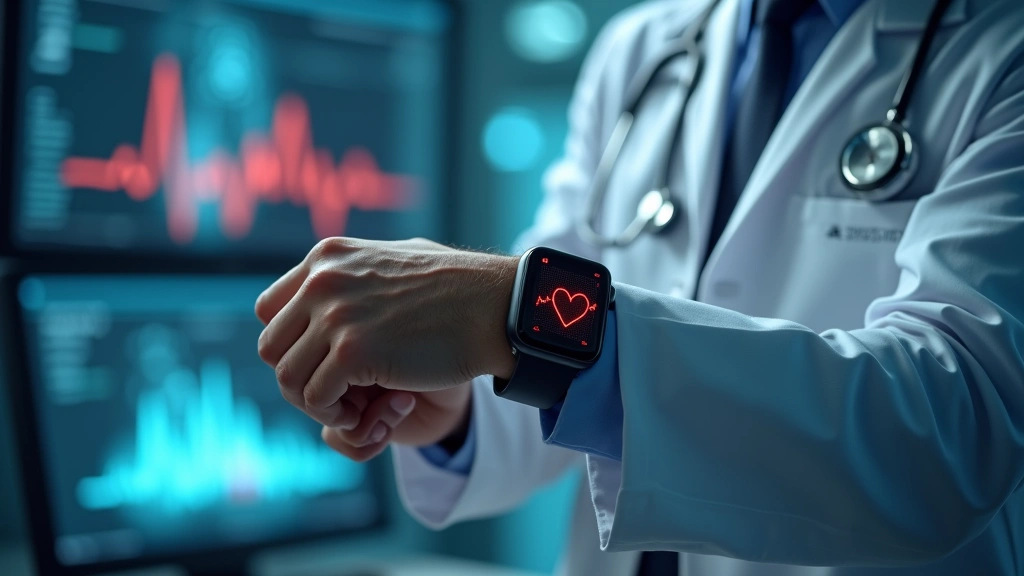
Top Cardiovascular Gadgets: Expert Insights on Heart Health Technology
The intersection of healthcare and technology has revolutionized how we monitor and manage cardiovascular health. From smartwatches that detect irregular heartbeats to portable ECG devices that rival hospital-grade equipment, cardiovascular gadgets have become essential tools for both patients and healthcare professionals. Whether you’re managing a chronic heart condition or simply tracking your fitness metrics, understanding the latest innovations in cardiovascular tech can help you make informed decisions about your health.
Today’s market offers an impressive array of devices designed to keep your heart in check. These aren’t just fitness trackers—many are clinically validated tools that healthcare providers trust for real patient care. We’ve researched and reviewed the most promising cardiovascular gadgets available, examining their accuracy, ease of use, integration capabilities, and overall value. This comprehensive guide will help you navigate the crowded landscape of heart health technology.
Smartwatches with Advanced Cardiac Monitoring
Smartwatches have evolved far beyond basic step counting. The latest generation of wearables now includes sophisticated cardiac monitoring capabilities that can detect conditions like atrial fibrillation (AFib) and irregular heart rhythms. Leading manufacturers have invested heavily in optical heart rate sensors, electrical sensors, and machine learning algorithms to provide clinically accurate readings.
Apple Watch Series 9 stands out with its ECG app and irregular rhythm notification feature. The device uses electrical sensors to take readings similar to a single-lead ECG, capturing the heart’s electrical activity in just 30 seconds. The accuracy rate exceeds 99% for detecting normal sinus rhythm versus AFib, making it a reliable first-line screening tool. The watch also monitors resting heart rate, heart rate variability, and recovery time after exercise—metrics that provide insights into cardiovascular fitness and stress levels.
Samsung Galaxy Watch 6 Classic offers comparable functionality with its BioActive sensor, which combines optical heart rate monitoring with electrical and bioelectrical impedance sensors. The device provides real-time heart rate monitoring, stress measurement, and blood oxygen tracking. Samsung’s integration with health platforms allows seamless data sharing with healthcare providers, making it particularly useful for patients undergoing cardiac monitoring protocols.
Garmin Epix Gen 2 caters to fitness enthusiasts and athletes who demand precise cardiovascular metrics. Beyond standard heart rate monitoring, it tracks training load, estimated aerobic and anaerobic thresholds, and provides detailed recovery time recommendations. The device’s battery life significantly outlasts competitors, crucial for users who cannot afford to miss data collection periods.
When choosing a smartwatch for cardiovascular monitoring, consider your specific needs. Do you require AFib detection for clinical purposes, or are you primarily interested in fitness metrics? Integration with your existing smartphone ecosystem matters, as does the availability of relevant health apps. Check whether your healthcare provider supports data import from your chosen device—this compatibility can streamline medical consultations.
Portable ECG Devices and Wireless Monitors
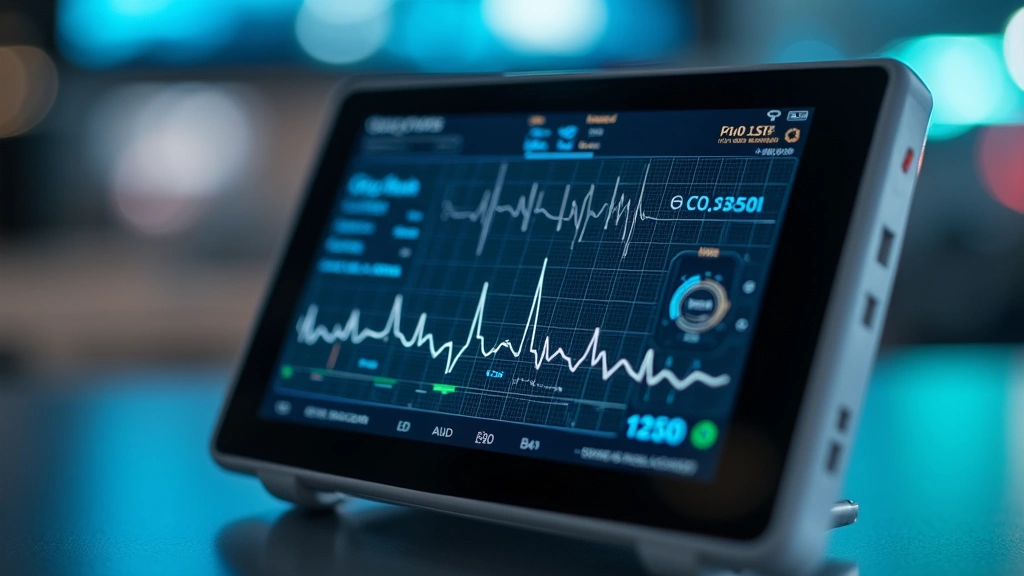
For users requiring more comprehensive cardiac assessment than smartwatches provide, portable ECG devices offer hospital-grade functionality in pocket-sized packages. These gadgets capture multi-lead ECG readings that healthcare providers can use for diagnosis and treatment planning.
AliveCor KardiaMobile 6L represents the gold standard in portable ECG technology. This credit-card-sized device records a 6-lead ECG in 30 seconds by placing your fingers on the device’s sensors. The accompanying app uses FDA-cleared AI algorithms to detect AFib, bradycardia, tachycardia, and normal sinus rhythm. Users receive instant results and can share recordings directly with their cardiologist. The device’s accuracy in detecting AFib exceeds clinical standards, with sensitivity and specificity both above 95%.
Withings EKG integrates ECG functionality into a compact handheld monitor. Unlike smartwatch-based systems, the Withings device captures a full 30-second ECG reading and provides immediate analysis. The device connects via Bluetooth to the Withings Health Mate app, creating a comprehensive health record. Its sleek design and intuitive interface make it accessible to older adults and those less comfortable with technology.
Viatom CheckMe Pro offers a comprehensive health monitoring solution combining ECG, blood oxygen, blood pressure, and body temperature measurement in a single device. This multi-function approach appeals to users managing multiple health conditions simultaneously. The device’s large display makes it easy to read results, and it stores extensive data for trend analysis.
Portable ECG devices require proper technique for accurate readings. Most manufacturers provide comprehensive tutorials, but users should understand that these devices supplement rather than replace professional medical evaluations. If you experience concerning symptoms or receive abnormal readings, contact your healthcare provider immediately rather than relying solely on device results.

Blood Pressure Monitoring Gadgets
Hypertension management depends on accurate, consistent blood pressure monitoring. Modern cardiac tech devices have transformed home monitoring from manual cuff inflation to automated, app-integrated systems that provide actionable insights.
Omron Evolv wireless upper arm blood pressure monitor combines clinical accuracy with modern convenience. The device uses oscillometric technology to measure systolic and diastolic pressure along with pulse rate in under 30 seconds. Bluetooth connectivity allows automatic data syncing to the Omron app, which detects irregular heartbeat patterns and provides trend analysis. Clinical validation studies confirm accuracy comparable to office measurements.
Withings BPM Connect offers similar functionality with the added advantage of multi-user support and integration with Apple Health, Google Fit, and other major health platforms. The device’s ability to share readings directly with healthcare providers streamlines remote patient monitoring programs, making it valuable for individuals with diagnosed hypertension or cardiovascular disease.
iHealth Track provides an affordable option without sacrificing accuracy. The wrist-based design appeals to users who find traditional arm cuffs inconvenient, though arm-based measurements generally provide superior accuracy. The device’s wireless connectivity and comprehensive app make it suitable for casual monitoring and fitness tracking.
Blood pressure monitors should be validated using established protocols. Look for devices that carry certifications from organizations like the American Heart Association or European Society of Hypertension. Consistency matters more than absolute accuracy—using the same device at the same time daily helps identify meaningful trends. For clinical decision-making, always verify readings taken at home with office measurements under professional supervision.
Pulse Oximetry and Oxygen Saturation Trackers
Oxygen saturation levels directly impact cardiovascular function. Pulse oximetry gadgets measure the percentage of hemoglobin saturated with oxygen, providing critical information about respiratory and cardiovascular efficiency.
Wellue O2Ring wearable pulse oximeter monitors oxygen saturation continuously throughout the day and night. The ring-sized design allows comfortable 24/7 wear, capturing data during sleep when desaturation events commonly occur. The accompanying app alerts users to significant drops in oxygen saturation, crucial for individuals with sleep apnea or chronic lung conditions that affect cardiovascular health.
Masimo SafetyNet represents clinical-grade pulse oximetry integrated with wireless connectivity. Healthcare facilities and home care programs use this technology for remote patient monitoring, especially for post-operative cardiac patients. The system’s accuracy and reliability meet hospital standards, making it appropriate for serious medical applications.
Contec CMS50D+ fingertip pulse oximeter offers portable, affordable oxygen saturation monitoring. While less sophisticated than wearable alternatives, this device provides accurate spot-checks and suits users who don’t require continuous monitoring. The display shows oxygen saturation, pulse rate, and pulse strength, with data storage for trend analysis.
Understanding your oxygen saturation levels helps identify potential cardiovascular issues. Normal resting oxygen saturation should exceed 95% for most individuals. Chronic desaturation may indicate underlying heart or lung conditions requiring medical attention. If you notice consistent drops below 90%, consult your healthcare provider immediately.
AI-Powered Health Analytics Platforms
Raw data becomes meaningful only through intelligent analysis. AI-powered platforms transform cardiovascular gadget readings into actionable health insights, helping users understand trends and make informed lifestyle decisions.
Apple Health ecosystem aggregates data from multiple sources—heart rate, ECG, blood oxygen, and exercise metrics—to provide comprehensive cardiovascular profiles. The platform’s integration with Siri enables voice-based health queries, and its privacy-first approach keeps sensitive data encrypted on your device. Healthcare providers can access relevant data through the Health app’s sharing features, facilitating informed clinical conversations.
Google Fit platform emphasizes data interoperability, accepting information from hundreds of third-party health devices and apps. The platform’s machine learning algorithms identify activity patterns and health trends, providing personalized recommendations. Integration with Google Assistant makes health data accessible through voice commands, appealing to users who prefer hands-free interaction.
MyChart and similar electronic health record (EHR) patient portals increasingly incorporate wearable data integration. Patients can authorize automatic data sharing from their cardiovascular gadgets directly into their medical records, enabling providers to make data-informed clinical decisions without requiring manual data entry.
When selecting AI-powered analytics platforms, prioritize data privacy and security. Ensure the platform complies with HIPAA regulations if you’re sharing health information with healthcare providers. Verify that algorithms have undergone clinical validation—not all health-related AI has been rigorously tested for accuracy and reliability.
Wearable Patches and Adhesive Sensors
Adhesive wearable patches represent the frontier of cardiovascular monitoring technology. These thin, flexible sensors adhere directly to skin and provide continuous monitoring without requiring user interaction or charging.
iRhythm Zio XT patch offers extended cardiac monitoring for arrhythmia detection. Patients wear the disposable patch for 14 days, capturing continuous ECG data. The device detects over 100 cardiac arrhythmias and provides clinicians with comprehensive reports. This approach suits individuals requiring extended monitoring periods to capture episodic arrhythmias that shorter monitoring windows might miss.
MC10 BioStamp represents ultra-thin wearable technology that measures temperature, strain, and motion alongside cardiac metrics. The stamp-sized device adheres to skin like a temporary tattoo and can remain in place for extended periods. Current applications focus on research and clinical monitoring, though consumer versions are in development.
Epicore Biosystems patches measure electrolytes, glucose, and other biomarkers alongside cardiac parameters. This multi-functional approach could eventually provide comprehensive health assessment from a single wearable device, though current versions remain primarily in research phases.
Adhesive patches offer significant advantages for cardiac monitoring: they require no daily charging, provide hands-free operation, and enable longer monitoring periods than traditional devices. However, they currently remain more expensive than alternative options and typically require clinical prescriptions rather than direct consumer purchase.
Integration with Healthcare Systems
The most valuable cardiovascular gadgets integrate seamlessly with your healthcare provider’s systems. This integration transforms personal health data into clinically actionable information that providers can use for informed decision-making.
Remote patient monitoring (RPM) programs represent the future of cardiovascular care. Patients with chronic conditions like heart failure, arrhythmias, or hypertension use approved devices to transmit data to their healthcare provider’s system. Providers review data regularly and adjust treatment plans based on objective measurements rather than occasional office visits. Studies demonstrate that RPM programs reduce hospitalizations and improve outcomes for cardiac patients.
To participate in RPM programs, you typically need:
- Prescription from your healthcare provider for an approved monitoring device
- Compatible device from your provider’s approved vendor list
- Enrollment in your healthcare system’s remote monitoring program
- Reliable internet connection for data transmission
- Commitment to regular device use and data review
Speak with your cardiac tech program provider about available RPM options. Insurance often covers approved devices and monitoring services for patients with diagnosed cardiovascular conditions, though coverage policies vary significantly. Many health technology resources provide detailed information about coverage eligibility.
Data security represents a critical consideration when integrating personal health devices with healthcare systems. Ensure your provider uses HIPAA-compliant platforms with encryption and authentication protocols. Review privacy policies carefully—some devices collect data for research or commercial purposes beyond direct clinical care.
The technology health coverage at The Verge regularly reviews integration capabilities and privacy practices of popular health devices. CNET’s health tech reviews provide detailed assessments of device accuracy and real-world usability. Consulting these expert sources helps identify devices that genuinely integrate with healthcare systems versus those making unsubstantiated claims.
When evaluating cardiovascular gadgets, ask your healthcare provider which devices they actively support. A device that integrates perfectly with your provider’s system offers far greater value than a more advanced device that requires manual data entry or incompatible data formats.
FAQ
What is the most accurate cardiovascular monitoring device?
Device accuracy depends on specific metrics and use cases. For AFib detection, smartwatches like Apple Watch and AliveCor KardiaMobile 6L exceed 95% accuracy in clinical studies. For blood pressure, upper arm cuff monitors generally provide superior accuracy compared to wrist-based devices. Portable ECG devices offer the most comprehensive cardiac assessment, capturing multi-lead recordings comparable to hospital equipment. Consult your healthcare provider about which device best suits your specific monitoring needs.
Can smartwatch heart monitoring replace professional ECG testing?
Smartwatch cardiac features provide valuable screening and monitoring tools but cannot completely replace professional ECG testing for diagnostic purposes. Smartwatches excel at detecting irregular rhythms and monitoring trends over time, but healthcare providers still require traditional ECG recordings for definitive diagnosis of many cardiac conditions. Use smartwatch data to inform discussions with your provider, but never rely solely on wearable readings for medical decision-making.
How often should I use cardiovascular monitoring gadgets?
Frequency depends on your health status and monitoring purpose. For fitness tracking, daily measurements provide useful trend data. For clinical monitoring of diagnosed conditions, your healthcare provider will specify required monitoring frequency—often daily for blood pressure or multiple readings daily for arrhythmia detection. Consistency matters more than frequency; using the same device at the same time daily yields more meaningful trend data than sporadic measurements.
Are cardiovascular gadgets covered by insurance?
Coverage varies significantly based on device type, your diagnosis, and your insurance plan. FDA-cleared clinical devices prescribed by healthcare providers often receive coverage for patients with diagnosed cardiovascular conditions. Consumer-focused smartwatches and fitness trackers rarely qualify for insurance reimbursement. Contact your insurance provider with your device model and prescription information to determine coverage eligibility.
What privacy risks exist with cardiovascular monitoring devices?
Cardiovascular data represents sensitive health information that could affect employment, insurance, or personal relationships if disclosed inappropriately. Ensure devices use encryption for data transmission, verify HIPAA compliance for healthcare integration, and review privacy policies carefully. Be cautious about granting device manufacturers broader data rights—some collect information for research or commercial purposes beyond direct clinical care. Consider using separate accounts for clinical monitoring versus fitness tracking to limit data exposure.
How do I choose between different cardiovascular gadgets?
Consider your specific needs: Are you monitoring a diagnosed condition or tracking general fitness? Will your healthcare provider use device data clinically? How important is battery life and comfort for continuous wear? What’s your budget? Research independent reviews from sources like The Verge and CNET, check manufacturer specifications for clinical validation, and ask your healthcare provider which devices they recommend and actively support in their practice.


