Best Central Service Tech? Expert Insights on Equipment, Performance & Solutions
Central service technology has become indispensable in modern healthcare, manufacturing, and enterprise environments. Whether you’re managing a hospital’s surgical suite, a laboratory facility, or a large-scale production operation, choosing the right central service equipment directly impacts efficiency, sterility, and operational costs. This comprehensive guide explores the leading central service tech solutions, evaluates their performance metrics, and provides expert recommendations based on real-world deployment scenarios.
The central service department—often called sterile processing or central sterile supply—demands precision instruments, automated tracking systems, and validated cleaning protocols. Modern central service tech integrates RFID technology, robotic automation, and AI-powered inventory management to streamline workflows. We’ve analyzed dozens of platforms and hardware solutions to identify which technologies truly deliver measurable improvements in turnaround time, cost efficiency, and compliance reliability.
What Defines Central Service Technology
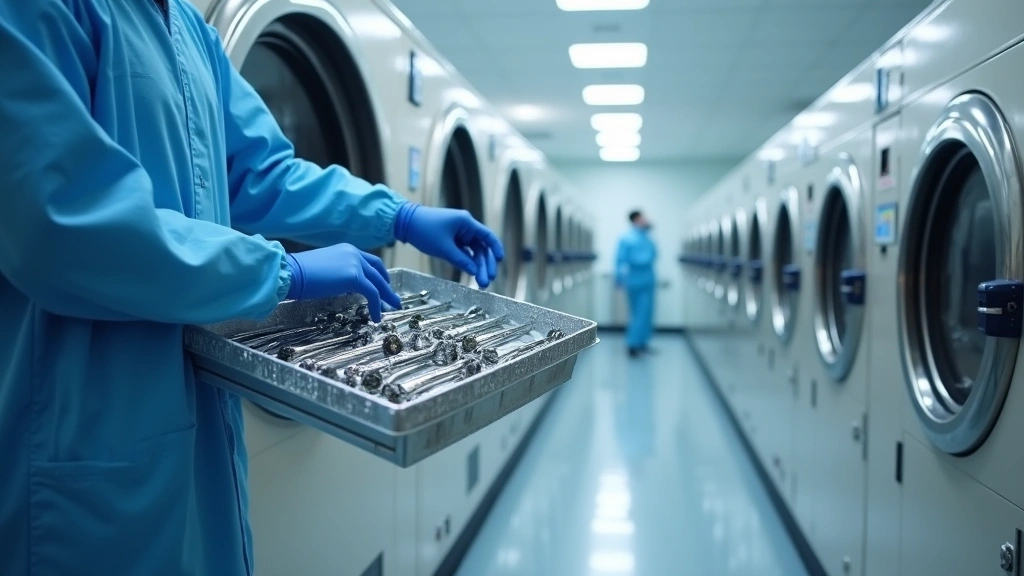
Central service technology encompasses a broad ecosystem of hardware, software, and procedural systems designed to manage instrument reprocessing. At its core, this includes washer-disinfectors, sterilizers, tracking systems, and inventory management platforms. The “best” central service tech solution depends on facility size, specialization, budget constraints, and regulatory requirements.
Modern central service departments operate under stringent standards including ISO 14937, ISO 11135, and FDA guidelines. Technology solutions must validate every step of the reprocessing cycle—from initial cleaning through packaging and sterilization. This is why leading systems incorporate automated monitoring, barcode/RFID tracking, and detailed audit trails that satisfy both regulatory bodies and insurance requirements.
When evaluating central service tech, consider three primary dimensions: throughput capacity (instruments processed per hour), compliance automation (regulatory documentation), and integration capability (connection with hospital information systems). The best solutions excel across all three categories while maintaining cost-effectiveness.
Top Central Service Equipment Platforms
Getinge Systems represents the gold standard in high-volume central service environments. Their washer-disinfectors feature programmable cycles for complex instruments, with real-time temperature and chemical monitoring. The Getinge AMSCO line delivers 20-30% faster cycle times compared to legacy equipment, directly reducing bottlenecks during peak surgical schedules.
For mid-sized facilities, Steris Corporation offers exceptional value through their Amsco family of sterilizers. Their bench-top and floor-mounted models provide flexibility without sacrificing performance. Steris equipment integrates seamlessly with their TraceLink software, enabling complete instrument genealogy tracking—a critical feature for recalls and quality audits.
Tuttnauer dominates the tabletop sterilizer market, particularly for smaller surgical centers and specialty practices. Their Class B steam sterilizers achieve 3.5-minute flash cycles, enabling rapid turnaround for emergency procedures. Despite compact footprints, Tuttnauer units maintain full validation documentation and automated test cycle recording.
For facilities requiring low-temperature sterilization, Ethicon’s hydrogen peroxide gas plasma systems represent cutting-edge central service tech. These units sterilize heat-sensitive instruments—endoscopes, fiber optics, specialized electronics—without thermal damage. Cycle times range from 45 minutes to 2 hours depending on load configuration.
Consider exploring our guide on best laptops for students if your central service team requires mobile workstations for point-of-care documentation or remote monitoring capabilities.
Automation & Tracking Systems
RFID-enabled instrument tracking represents the most transformative central service tech innovation of the past decade. Rather than relying on barcode scanning (which requires line-of-sight), RFID tags embedded in instrument trays enable passive identification across entire processing workflows. This eliminates manual data entry errors and provides real-time visibility into instrument location.
Hemostat’s Surgical Instrument Tracking System integrates RFID with cloud-based analytics, providing facility managers with predictive maintenance alerts and usage pattern analysis. Their dashboard visualizes bottleneck zones in real-time, enabling supervisors to dynamically allocate staff during peak demand periods.
Cerner’s Surgical Care module connects central service operations directly with operating room scheduling systems. When a surgical case cancels, the system automatically adjusts sterilization priorities, preventing unnecessary processing of unused instruments. This integration alone reduces energy consumption by 15-20% in high-volume facilities.
Robotic automation is emerging as the next frontier in central service tech. Stryker’s Mako robotic system, while primarily focused on surgical guidance, has inspired central service automation companies to develop robotic arms for instrument sorting and tray assembly. These systems can sort and organize 200+ instruments per hour with zero contamination risk.
The integration of artificial intelligence applications into central service tech enables predictive analytics for equipment maintenance and demand forecasting, significantly improving operational planning.
Cleaning & Sterilization Innovations
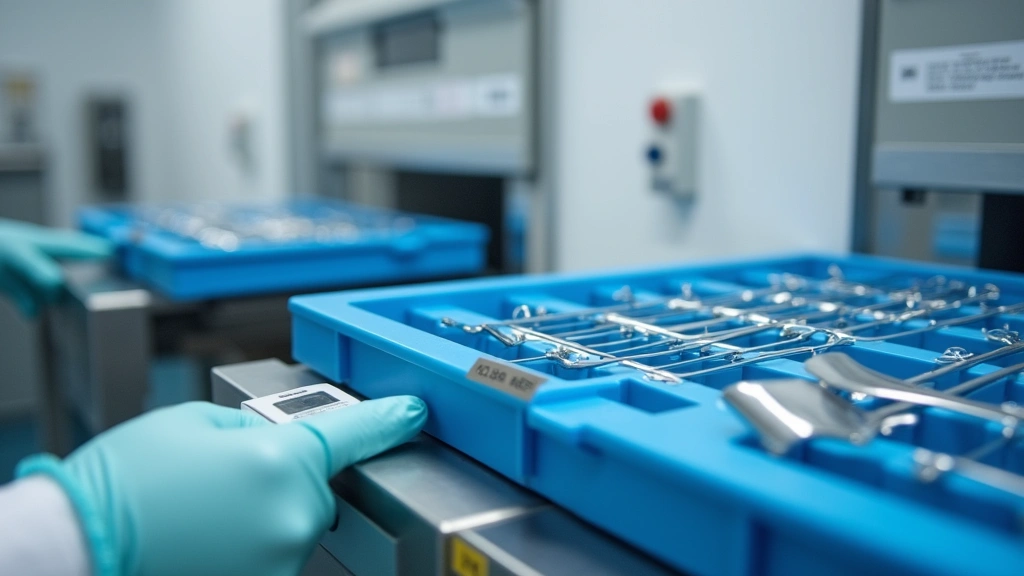
Ultrasonic cleaning technology has revolutionized the initial decontamination phase of instrument reprocessing. Modern ultrasonic units operate at 40-80 kHz frequencies, creating microscopic cavitation bubbles that penetrate instrument lumens and blind spots where manual scrubbing cannot reach. Branson Ultrasonic Systems offers temperature-controlled tanks with enzymatic detergent compatibility, reducing manual cleaning time by 40%.
Ozone-based sterilization represents an emerging central service tech alternative to traditional steam and chemical methods. Ozone molecules rapidly oxidize microorganism cell membranes at room temperature, eliminating the need for high pressure or toxic chemicals. This technology is particularly valuable for facilities in water-restricted regions or those seeking to reduce chemical waste streams.
Ethylene oxide (ETO) sterilization, while established since the 1950s, has seen significant technological refinement. Modern ETO systems feature:
- Closed-loop gas recovery systems that capture 99.9% of exhaust gas
- Automated humidity and temperature control preventing instrument corrosion
- Integrated aeration cycles reducing staff exposure time
- Real-time gas concentration monitoring with automatic shutdown protocols
For facilities managing complex surgical instruments, plasma sterilization offers superior material compatibility. Unlike steam, which can corrode delicate optics and electronics, hydrogen peroxide plasma operates at temperatures below 60°C. Abbott’s Sterrad NX system delivers 45-minute cycles with less than 3 ppm hydrogen peroxide residue—well below FDA safety thresholds.
Learn more about how to upgrade laptop memory if your central service tech requires enhanced computational capacity for real-time monitoring systems and data processing.
Software Solutions & Management
Enterprise-grade central service management software has become as critical as the physical equipment itself. TraceLink’s Sterile Processing Module provides complete workflow visibility from receiving through final storage. The platform automatically generates compliance documentation, tracks chemical inventory, and alerts supervisors when instruments approach expiration dates.
Medidata’s Solutions for Surgical Services integrates central service operations with hospital supply chain management. When a surgical case is scheduled, the system automatically reserves necessary instruments, schedules sterilization runs, and routes processed trays directly to the operating room. This eliminates the “emergency sterilization” scenario that consumes 15-20% of central service capacity in poorly coordinated facilities.
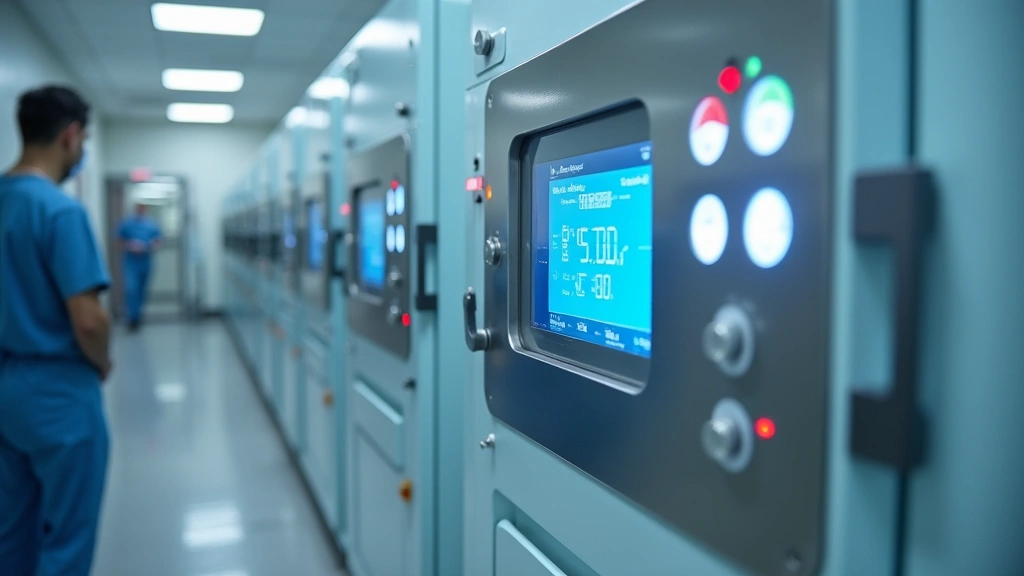
Mobile applications have transformed how central service supervisors manage operations. Steris’s Amsco Connect app provides real-time equipment status notifications, allowing supervisors to monitor sterilizer performance from anywhere in the facility. Critical alerts—such as steam pressure drops or sterilization failures—trigger immediate notifications with recommended remediation steps.
Cloud-based analytics platforms enable benchmarking against industry standards. Getinge’s Analytics Suite compares your facility’s metrics against peer institutions, identifying optimization opportunities. For example, if your average sterilization cycle time is 15% longer than peer facilities with identical equipment, the software recommends specific parameter adjustments or staff training interventions.
Explore how cloud computing benefits for businesses extends to central service operations through secure data storage, real-time collaboration, and disaster recovery capabilities.
Cost Analysis & ROI Metrics
Implementing best-in-class central service tech requires significant capital investment—typically $500,000 to $2 million for a mid-sized hospital facility. However, ROI analysis reveals compelling financial justification:
Labor Efficiency Gains: Automated tracking and robotic sorting reduce manual labor requirements by 20-30%. For a 50-person central service department, this translates to 10-15 FTE (full-time equivalent) positions that can be redeployed to higher-value activities or eliminated through natural attrition.
Reduced Instrument Damage: Proper sterilization validation and temperature monitoring prevent instrument corrosion and material degradation. This extends instrument lifespan from 5-7 years to 10-12 years, reducing replacement costs by $100,000-$300,000 annually for large surgical programs.
Decreased Emergency Sterilization: Integrated scheduling systems eliminate most emergency sterilization requests, which consume 3-5 times more resources than planned processing. This reduces overtime costs and prevents surgical delays.
Energy Optimization: Modern sterilizers with automated cycle selection reduce energy consumption by 25-35% compared to legacy equipment. For a facility processing 10,000+ instrument sets monthly, this represents $50,000-$100,000 in annual utility savings.
Industry benchmarks suggest payback periods of 3-5 years for comprehensive central service tech modernization, with ongoing operational savings of $200,000-$400,000 annually thereafter.
Implementation Best Practices
Successfully deploying central service tech requires strategic planning beyond equipment selection. Stakeholder alignment is critical—surgical services, nursing, infection prevention, and facilities management must collaborate on implementation timelines and workflow modifications.
Phased implementation minimizes operational disruption. Rather than replacing all sterilizers simultaneously, leading facilities implement new equipment in phases, maintaining redundancy during transition periods. This approach prevents the “all systems down” scenario that can halt surgical schedules.
Comprehensive staff training determines whether new central service tech delivers promised benefits. Inadequately trained operators may use suboptimal cycle parameters or fail to recognize equipment alerts. Leading implementations include 40-60 hours of hands-on training for all staff, with ongoing quarterly refresher sessions.
Validation documentation must precede clinical use. Installation qualification (IQ), operational qualification (OQ), and performance qualification (PQ) testing ensures equipment meets design specifications before processing patient instruments. This requires 2-4 weeks of dedicated testing with third-party validation firms.
Preventive maintenance contracts are non-negotiable for mission-critical central service tech. Equipment downtime directly impacts surgical schedules, making preventive maintenance far more cost-effective than emergency repairs. Leading vendors offer predictive maintenance packages that monitor equipment health and schedule service before failures occur.
Visit the TechPulse Hunter Blog for ongoing insights into technology trends affecting healthcare operations and facility management.
Consider how technology in renewable energy innovations apply to central service operations through sustainable sterilization methods and energy-efficient equipment design.
FAQ
What is the difference between Class B and Class N steam sterilizers?
Class N sterilizers (non-vacuum) suit wrapped instruments but cannot penetrate dense loads or instrument lumens effectively. Class B sterilizers feature pre-vacuum and post-vacuum phases, enabling sterilization of complex instruments, hollow items, and textile wraps. For comprehensive surgical instrument reprocessing, Class B sterilization is the standard of care in modern facilities.
How often should sterilizer biological indicators be performed?
FDA regulations and ISO 11135 standards mandate biological indicator testing with every load containing implantable devices, or at minimum weekly for routine surgical instruments. Many leading facilities perform daily biological indicators as best practice, ensuring consistent sterilizer performance and regulatory compliance documentation.
What is the typical lifespan of central service equipment?
Washer-disinfectors and sterilizers typically operate reliably for 10-15 years with proper preventive maintenance. However, technological advances—particularly in automation and monitoring capabilities—often justify replacement after 7-10 years to access newer efficiency and compliance features.
Can older instruments be processed in modern sterilizers?
Yes, provided instruments meet current reprocessing standards. However, vintage instruments may lack compatibility with modern tracking systems (RFID tags, barcodes) and may require specialized cleaning protocols. Most facilities establish instrument retirement policies, replacing items beyond 15-20 years old to ensure safety and traceability.
What certifications should central service staff possess?
The Certified Surgical Technologist (CST) credential, offered by the National Board of Surgical Technology and Surgical Assisting, is increasingly required for supervisory roles. Additionally, many states require specific certifications for operators of low-temperature sterilization systems. Continuing education requirements vary by state and employer.
How does RFID tracking improve central service operations?
RFID eliminates manual barcode scanning, reducing data entry errors by 95%+. The technology provides real-time location tracking, enabling supervisors to identify bottlenecks, optimize staff allocation, and prevent instrument loss. Integration with surgical scheduling systems enables predictive sterilization, reducing emergency processing requests by 60-80%.


