
What Makes Okta Essential? Expert Analysis of Identity Management Leadership
Okta has become synonymous with modern identity and access management, transforming how organizations authenticate users and secure their digital infrastructure. In an era where technology and artificial intelligence are transforming business, identity verification stands as the critical foundation protecting sensitive data and maintaining compliance. This comprehensive analysis explores why Okta’s platform has become indispensable for enterprises worldwide.
The cybersecurity landscape has evolved dramatically over the past decade. Traditional username and password systems no longer suffice for protecting critical business assets. Organizations operating across multiple cloud services, remote workforces, and complex API ecosystems require sophisticated identity solutions. Okta addresses these challenges through comprehensive authentication mechanisms, adaptive security policies, and seamless integration capabilities that connect disparate systems into a unified identity fabric.
For professionals in the Chattanooga tech job market and beyond, understanding identity management platforms like Okta represents essential career knowledge. Whether you’re exploring how to become a software developer or advancing existing IT expertise, grasping Okta’s architecture and capabilities demonstrates valuable technical acumen.

Okta’s Core Identity Platform Architecture
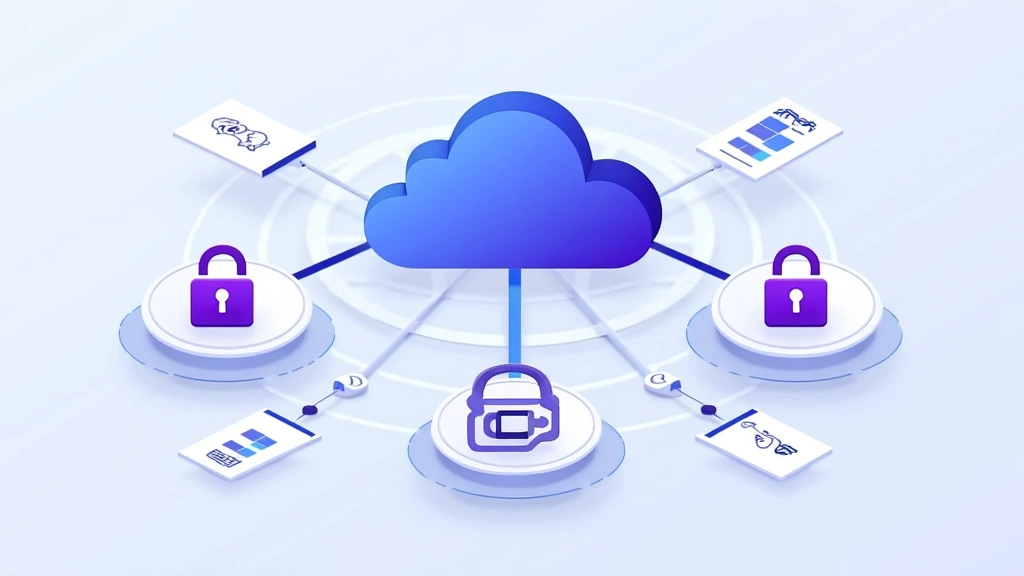
Okta operates as a cloud-based identity platform delivering Single Sign-On (SSO), Multi-Factor Authentication (MFA), and comprehensive lifecycle management. The architecture separates authentication from application access, creating a flexible layer that organizations can deploy across their entire technology stack. Unlike legacy on-premises solutions, Okta’s cloud-native design eliminates infrastructure maintenance burdens while providing automatic updates and continuous security enhancements.
The platform functions as an identity broker, sitting between users and applications to manage authentication requests and authorization decisions. This intermediary position enables organizations to enforce consistent security policies across thousands of applications without modifying individual systems. The distributed architecture supports global deployments, ensuring low-latency authentication for users worldwide while maintaining redundancy and high availability.
Okta’s Universal Directory serves as the foundation for identity data management. Rather than requiring separate user databases across different systems, the Universal Directory consolidates identity information, reducing administrative overhead and eliminating synchronization inconsistencies. Organizations can define custom attributes, create sophisticated grouping rules, and establish fine-grained access controls based on user characteristics, roles, and contextual factors.
The platform’s API-first design enables developers to build custom integrations and extend functionality beyond standard offerings. Our technology blog regularly covers how modern enterprises leverage these APIs to create seamless authentication experiences. This developer-centric approach has made Okta particularly attractive to organizations building microservices architectures and containerized applications.
Advanced Authentication Methods and Capabilities
Okta supports an expansive array of authentication methods addressing diverse organizational requirements and security postures. Traditional username and password combinations serve as baseline authentication, but the platform encourages progressive enforcement of stronger mechanisms. Multi-factor authentication options include authenticator applications, hardware security keys, SMS verification, email confirmation, and biometric recognition.
Passwordless authentication represents one of Okta’s most significant advances, eliminating the weakest link in security chains. Users authenticate through biometric verification, hardware keys, or push notifications to trusted devices. This approach dramatically reduces phishing vulnerability, as attackers cannot intercept or compromise credentials that don’t exist. Organizations implementing Okta’s passwordless capabilities report significant decreases in security incidents related to credential compromise.
Adaptive authentication intelligently adjusts security requirements based on contextual risk signals. The system analyzes login patterns, geographic locations, device characteristics, network conditions, and user behavior to determine appropriate authentication strength. A user accessing from a trusted device in a familiar location might proceed with minimal friction, while anomalous access attempts trigger additional verification steps. This risk-based approach balances security with user experience, preventing authentication fatigue while maintaining protection.
The platform integrates with external identity providers, enabling organizations to leverage existing credentials from social media accounts, enterprise directories, or third-party identity systems. Developers appreciate the comprehensive Okta developer documentation supporting custom authentication flows and specialized use cases. This flexibility accommodates organizations with unique requirements without requiring platform modifications.
Enterprise Integration and Scalability
Okta maintains pre-built connectors for thousands of enterprise applications, spanning SaaS platforms, legacy systems, and custom software. The integration catalog continues expanding, covering communication tools, project management systems, financial applications, human resources platforms, and specialized industry software. Organizations deploying Okta typically discover integrations available for 80-90% of their application portfolio, dramatically reducing implementation complexity.
The provisioning engine automates user lifecycle management across connected systems. When employees join organizations, Okta can automatically create accounts in dozens of applications simultaneously. Role changes trigger permission updates across all systems, while departures initiate immediate access revocation. This automation reduces manual administrative work, minimizes configuration errors, and ensures consistent enforcement of access policies.
Scalability represents a fundamental architectural principle. Okta’s infrastructure handles millions of authentication requests daily without performance degradation. Organizations ranging from small businesses to Fortune 500 enterprises operate on identical platform infrastructure, with automatic scaling accommodating traffic fluctuations. The multi-tenant architecture maintains isolation between customer environments while enabling shared infrastructure efficiency.
Integration with directory services like Active Directory and LDAP enables organizations to leverage existing identity investments. Okta can synchronize information bidirectionally, allowing on-premises systems to remain authoritative while cloud applications access synchronized data. This hybrid approach accommodates organizations transitioning gradually from traditional infrastructure to cloud-native architectures.
Security and Compliance Features
Okta implements comprehensive security controls addressing regulatory requirements across industries. SOC 2 Type II certification demonstrates rigorous controls over security, availability, and confidentiality. Additional certifications including ISO 27001, FedRAMP authorization, and HIPAA compliance enable deployment in regulated environments. Organizations in healthcare, finance, and government sectors can confidently adopt Okta knowing the platform meets stringent compliance obligations.
The threat detection and response capabilities monitor authentication patterns for suspicious activities. Machine learning algorithms identify anomalous behavior, potential account compromises, and coordinated attacks. Organizations receive alerts when threats are detected, enabling rapid response before damage occurs. CNET’s technology coverage frequently highlights how identity platforms like Okta serve as critical security layers protecting enterprise networks.
Okta maintains detailed audit logs documenting all authentication events, access decisions, and administrative actions. These comprehensive records satisfy compliance audits and support forensic investigations. The logging infrastructure captures sufficient detail for troubleshooting while maintaining performance. Organizations can configure log retention policies, export audit trails to SIEM systems, and generate compliance reports automatically.
Data encryption protects sensitive information both in transit and at rest. Communication channels utilize TLS encryption, while stored credentials employ industry-standard hashing algorithms. The platform never stores plaintext passwords, instead maintaining cryptographic representations that prevent exposure even if databases are compromised. Regular security audits and penetration testing validate the robustness of security implementations.
Workforce and Customer Identity Solutions
Okta’s workforce identity solutions focus on employee authentication and access management. These solutions address internal user scenarios, managing contractors, partners, and temporary workers. The platform accommodates complex organizational structures with multiple departments, geographic locations, and business units. Administrators can define role-based access controls, attribute-based policies, and resource-based restrictions reflecting organizational hierarchies.
Customer Identity Cloud addresses different requirements, managing external user authentication for customer-facing applications. B2C organizations use this solution to enable secure registration, login, and account management for millions of customers. Features include customizable login experiences, social authentication integration, and progressive profiling that gradually collects customer data across interactions. Organizations can monetize customer data through consent management, enabling personalized experiences while respecting privacy preferences.
The distinction between workforce and customer identity solutions reflects different threat models, scale requirements, and user experience expectations. Workforce solutions prioritize security and administrative control, while customer solutions emphasize frictionless onboarding and engagement. Okta’s platform accommodates both use cases, enabling organizations to protect internal operations while delivering excellent customer experiences.
API-driven customer identity enables developers to build custom authentication flows embedded directly in applications. Mobile applications, progressive web applications, and single-page applications can implement sophisticated authentication without redirecting users to separate login portals. This seamless integration improves user experience while maintaining security standards.
Implementation Benefits and ROI
Organizations implementing Okta consistently report significant operational benefits. Administrative overhead decreases dramatically as automated provisioning eliminates manual account creation and maintenance. Support ticket volumes decline as single sign-on eliminates password reset requests. IT personnel shift focus from routine maintenance to strategic initiatives, improving overall technology effectiveness.
Security posture improvements manifest through reduced breach risk and faster incident response. Passwordless authentication eliminates entire attack categories, while adaptive authentication prevents compromised credentials from enabling unauthorized access. Organizations achieve compliance more easily through automated policy enforcement and comprehensive audit capabilities. These security improvements directly impact financial performance through reduced breach costs and avoided regulatory penalties.
User productivity increases when employees spend less time managing credentials and authenticating across systems. Single sign-on eliminates repeated login prompts, reducing context switching and authentication fatigue. Users appreciate seamless access to required tools, improving satisfaction and engagement. For customer-facing applications, improved authentication experiences reduce friction and increase conversion rates.
Cost savings accumulate across multiple dimensions. Reduced administrative labor decreases operational expenses. Eliminated security breaches prevent costly incident response and recovery efforts. Improved employee productivity generates revenue benefits. Organizations typically achieve return on investment within 12-18 months, with benefits accelerating as implementation matures and additional use cases are enabled.
Market Position and Competitive Advantages
Okta has established market leadership through consistent innovation and customer-centric product development. The Register’s tech analysis frequently positions Okta among identity management leaders. The platform’s comprehensive feature set, extensive integration ecosystem, and strong security posture create significant competitive moats. Organizations selecting identity platforms evaluate Okta against alternatives including Azure Active Directory, Ping Identity, and Fortive.
Azure Active Directory appeals to Microsoft-centric organizations leveraging Office 365 and Windows infrastructure. However, Okta’s platform-agnostic architecture accommodates heterogeneous environments mixing cloud and on-premises systems from multiple vendors. This flexibility particularly benefits organizations with complex technology landscapes, making Okta the preferred choice for diverse infrastructure deployments.
Ping Identity competes primarily in enterprise segments, offering similar core capabilities. Okta differentiates through superior ease of use, more extensive SaaS integrations, and stronger developer tooling. The platform’s customer-first approach and responsive support have built strong customer loyalty and positive sentiment.
The identity and access management market continues expanding as organizations accelerate digital transformation and cloud adoption. Okta’s market position strengthens as enterprises recognize identity as critical infrastructure. The Gartner Magic Quadrant consistently positions Okta as a Leader, validating its market strength and execution capabilities. For professionals exploring Chattanooga Tech education opportunities, understanding industry-leading platforms like Okta provides competitive advantages in technology careers.
Okta’s acquisition strategy strengthens its platform through complementary capabilities. The acquisition of Auth0 expanded customer identity solutions, while other acquisitions enhanced API security, lifecycle management, and threat detection. These strategic moves ensure Okta remains at the forefront of identity innovation.
FAQ
What makes Okta different from other identity platforms?
Okta differentiates through cloud-native architecture, extensive pre-built integrations, superior ease of use, and comprehensive feature set addressing both workforce and customer identity scenarios. The platform’s platform-agnostic design accommodates diverse technology environments, while strong developer tools enable customization. Consistent innovation and customer-centric development maintain market leadership.
How does Okta handle security and compliance requirements?
Okta implements multiple security certifications including SOC 2 Type II, ISO 27001, FedRAMP, and HIPAA compliance. The platform features comprehensive audit logging, encryption for data in transit and at rest, threat detection using machine learning, and regular security assessments. Detailed compliance reporting automates regulatory requirements.
Can Okta integrate with existing systems and directories?
Yes, Okta maintains pre-built connectors for thousands of applications and supports integration with directory services like Active Directory and LDAP. The API-first architecture enables custom integrations, while the provisioning engine automates lifecycle management across connected systems. Organizations typically integrate 80-90% of their application portfolio without custom development.
What authentication methods does Okta support?
Okta supports traditional username/password authentication, multi-factor authentication through authenticator apps, hardware keys, SMS, and biometrics. Passwordless authentication eliminates credentials entirely, while adaptive authentication adjusts security requirements based on contextual risk signals. Integration with external identity providers enables leveraging existing credentials.
How long does Okta implementation typically require?
Implementation timelines vary based on organizational complexity and scope. Basic deployments supporting single sign-on typically complete within 4-8 weeks. More comprehensive implementations including extensive integrations and custom workflows may require 3-6 months. Pre-built integrations and professional services accelerate deployment compared to building custom solutions.
What ROI can organizations expect from Okta deployment?
Organizations typically achieve return on investment within 12-18 months through reduced administrative overhead, eliminated password reset support costs, improved security reducing breach expenses, and increased employee productivity. Cost savings accumulate through labor reduction, avoided security incidents, and improved operational efficiency, with benefits accelerating over time.


