Columbia Vo Tech: Innovative Gadgets Review
Columbia Vocational Tech has emerged as a remarkable hub for cutting-edge gadget innovation and technical excellence. This comprehensive review explores the most impressive devices and technological breakthroughs that define the modern landscape of vocational education and professional-grade equipment. Whether you’re a tech enthusiast, a professional seeking reliable tools, or a student exploring career opportunities in technology, understanding the innovations coming from Columbia Vo Tech provides invaluable insights into the future of hands-on technical training and practical device applications.
The institution’s commitment to merging traditional vocational training with contemporary gadgetry creates a unique ecosystem where students and professionals interact with state-of-the-art equipment daily. From diagnostic tools to advanced computing devices, the gadgets reviewed here represent the intersection of affordability, durability, and performance that vocational programs demand. This review examines the most significant technological innovations available through and inspired by Columbia Vo Tech’s curriculum and partnerships.

Best Diagnostic and Testing Gadgets
Diagnostic equipment forms the backbone of vocational technical training, and Columbia Vo Tech emphasizes precision instruments that deliver accurate results. The most popular diagnostic gadgets in professional vocational settings include digital multimeters, oscilloscopes, and specialized testing devices that students learn to operate with expertise.
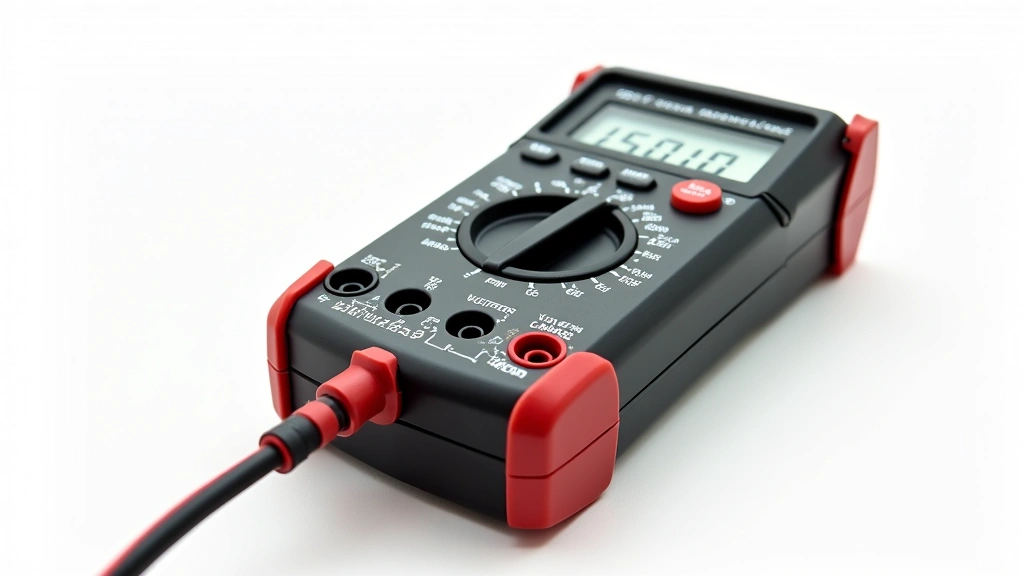
Digital Multimeters and Advanced Variants represent the foundation of electrical diagnostics. Modern multimeters available for vocational use feature auto-ranging capabilities, true RMS measurements, and wireless connectivity. These devices typically measure voltage, current, resistance, and continuity with impressive accuracy ratings between 0.5% and 1.5%. Professional models cost between $150 and $500, offering features like data logging, temperature measurement, and Bluetooth connectivity for remote monitoring. Students at vocational institutions learn that investing in quality diagnostic tools directly impacts their career prospects and job site credibility.
Thermal Imaging Cameras have revolutionized how technicians identify problems in electrical systems, HVAC equipment, and building infrastructure. Entry-level thermal cameras start around $300, while professional-grade units exceed $2,000. These gadgets display temperature variations through color-coded thermal maps, allowing technicians to spot overheating components, air leaks, and electrical faults invisible to the naked eye. The resolution typically ranges from 160×120 to 320×240 pixels, with temperature measurement accuracy of ±2°C. Columbia Vo Tech programs increasingly incorporate thermal imaging into their curriculum because employers actively seek technicians with this expertise.
When considering how to upgrade laptop memory, understanding diagnostic principles becomes essential for troubleshooting system performance issues. Similarly, laptop fan maintenance requires diagnostic skills to identify cooling system problems before they cause hardware damage.
Oscilloscopes and Signal Analyzers provide visual representations of electrical signals, essential for electronics technicians and electrical engineers. Digital oscilloscopes with bandwidth ratings of 100MHz to 1GHz cost between $500 and $5,000 depending on capabilities. These instruments display waveforms, measure frequency, analyze signal integrity, and troubleshoot complex electronic circuits. Modern portable oscilloscopes weigh under 2 pounds, making them practical for field work while maintaining laboratory-grade accuracy. Vocational students spend considerable time learning oscilloscope operation because this skill directly translates to employment opportunities in electronics repair, automotive diagnostics, and industrial equipment maintenance.
Professional-Grade Hand Tools with Smart Features
The integration of smart technology into traditional hand tools represents a significant evolution in vocational equipment. Columbia Vo Tech emphasizes that modern technicians must understand both mechanical and digital aspects of their tools.
Smart Screwdrivers and Precision Tools now feature torque measurement, angle detection, and data logging capabilities. These gadgets cost $80 to $300 per unit and connect via Bluetooth to smartphones for real-time monitoring. Professional-grade precision screwdriver sets with interchangeable bits maintain tolerances within 0.1mm, essential for delicate electronics work. Vocational programs teach that proper tool selection and usage directly impact work quality and customer satisfaction. Brands like Wiha and Wera manufacture precision tools specifically designed for vocational training environments.
Digital Torque Wrenches represent another innovation transforming technical work. These tools display exact torque values on LED screens, eliminating guesswork in fastening critical components. Digital variants cost $200 to $600 and offer accuracy within ±3% of the target value. Automotive technicians, HVAC specialists, and industrial maintenance workers rely heavily on these devices. The ability to document torque specifications through connected apps makes these tools invaluable for quality assurance and compliance documentation.
Laser Measurement Tools and Distance Meters have replaced traditional tape measures in many professional settings. These gadgets measure distances up to 300 feet with accuracy within 1/8 inch, displaying results instantly on illuminated screens. Prices range from $50 for basic models to $400 for advanced variants with angle measurement and area calculation. Vocational programs emphasize that precision measurement directly impacts project success and material cost efficiency. Students learn that understanding measurement technology improves their ability to estimate projects accurately and maintain professional standards.
Computing Devices for Technical Training
Modern vocational education requires reliable computing devices that support diagnostic software, design applications, and remote learning capabilities.
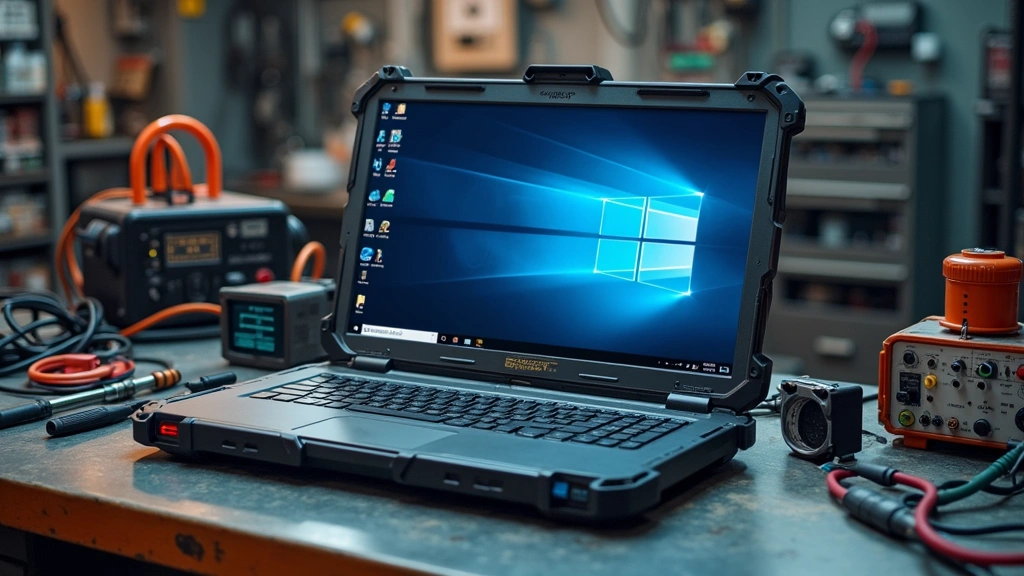
Ruggedized Laptops and Tablets designed for field work represent essential investments for vocational professionals. These devices feature reinforced cases, extended battery life (8-12 hours), and sealed keyboards resistant to dust and moisture. Military-grade ruggedized laptops cost $1,500 to $3,500 but withstand drops from 4-6 feet and operate in extreme temperatures. Vocational students increasingly work with software that requires portable computing, from vehicle diagnostic programs to building energy management systems. Understanding how to upgrade laptop memory enables technicians to maximize device performance and extend equipment lifespan, directly improving their professional capabilities.
Diagnostic Scan Tools and OBD Readers represent specialized computing devices essential for automotive technicians. These gadgets connect to vehicle computer systems, reading diagnostic trouble codes and displaying real-time engine parameters. Professional-grade scan tools cost $2,000 to $8,000, while basic OBD-II readers start at $30. The most sophisticated tools provide bidirectional control, allowing technicians to command vehicle systems for testing. Columbia Vo Tech’s automotive programs emphasize that mastering diagnostic scan tools directly translates to employment opportunities and earning potential in the rapidly evolving automotive industry.
Software Platforms for Equipment Simulation enable students to practice diagnostics and repairs in controlled environments. Virtual training platforms cost institutions $5,000 to $20,000 annually but provide unlimited hands-on experience without equipment damage risk. These systems simulate failures, require students to diagnose problems, and track progress through detailed analytics. The integration of simulation-based learning with physical equipment practice creates comprehensive vocational education experiences that prepare students for real-world challenges.
Safety and Monitoring Equipment
Personal Protective Equipment with Smart Features combines traditional safety protection with modern monitoring technology. Smart hard hats equipped with sensors cost $300 to $600 and track impacts, detect environmental hazards, and provide communication capabilities. Safety glasses with augmented reality overlays display technical information, wiring diagrams, and equipment specifications directly in the technician’s field of view. These innovations, while still emerging, represent the future direction of vocational safety equipment. Understanding technology in renewable energy includes appreciating how safety monitoring systems protect technicians working with high-voltage equipment and hazardous materials.
Air Quality Monitors and Environmental Sensors protect technicians working in industrial and construction environments. Portable air quality devices measure particulate matter, volatile organic compounds, and hazardous gases, displaying readings on smartphone apps. These gadgets cost $200 to $800 and help technicians comply with occupational safety regulations while protecting their long-term health. Vocational programs increasingly emphasize that understanding environmental monitoring technology represents a competitive advantage in professional job markets.
Gas Detection and Leak Locators provide critical safety capabilities for HVAC, plumbing, and industrial technicians. Refrigerant leak detectors, natural gas detectors, and combustible gas sensors range from $100 to $500 depending on sensitivity and detection capabilities. Modern leak detectors feature LED indicators, audible alarms, and Bluetooth connectivity for data logging. Students learn that mastering these tools prevents dangerous situations and demonstrates professional competence to employers and clients.
Software and Digital Tools Integration
The convergence of hardware gadgets and software platforms creates comprehensive technical ecosystems that define modern vocational work.
Mobile Applications for Field Technicians enable real-time documentation, communication, and knowledge access. Apps costing $10 to $50 monthly provide access to equipment specifications, troubleshooting guides, parts catalogs, and customer communication tools. Vocational professionals increasingly rely on these applications to improve efficiency, reduce errors, and enhance customer service. Integration between mobile apps and diagnostic gadgets creates seamless workflows where technicians capture data automatically and generate professional reports directly from job sites.
Cloud-Based Training and Certification Platforms support continuous professional development. These systems cost institutions $2,000 to $10,000 annually and provide interactive coursework, progress tracking, and certification validation. Vocational students benefit from accessing industry-standard training materials, staying current with equipment updates, and documenting their skill development for employers. The flexibility of cloud-based training enables working professionals to advance their careers while maintaining employment.
Equipment Management and Inventory Systems help vocational programs and professional shops track tools, schedule maintenance, and optimize resource allocation. Software solutions range from $50 to $500 monthly depending on features and user count. These systems track device calibration schedules, maintenance history, and usage patterns, ensuring equipment reliability and compliance with industry standards. Columbia Vo Tech programs teach that effective equipment management directly impacts operational efficiency and profitability in professional technical services.
Understanding best tech stocks provides perspective on which companies lead equipment innovation and represent solid investment opportunities for those considering entrepreneurship in technical fields. Additionally, exploring the TechPulseHunter blog offers ongoing insights into emerging gadget trends and technological innovations relevant to vocational professionals.
FAQ
What gadgets does Columbia Vo Tech prioritize in their curriculum?
Columbia Vo Tech emphasizes practical, industry-standard gadgets that directly correlate with job market demands. Diagnostic tools, computing devices, and safety equipment form the foundation of their equipment investments. The institution prioritizes tools that students will encounter in professional settings, ensuring training translates directly to employment readiness.
How much should vocational professionals invest in personal gadgets and tools?
Initial investments typically range from $2,000 to $10,000 depending on specialization. Diagnostic tools, quality hand tools, and computing devices represent essential investments that improve earning potential and professional credibility. Many professionals gradually expand their tool collections as their careers advance and specialization areas become clear.
Are smart features in tools worth the additional cost?
Smart features add 20-40% to tool costs but provide significant benefits including data logging, remote monitoring, and improved accuracy documentation. For professionals who bill by the hour or need to demonstrate work quality, the productivity gains and liability protection justify the additional investment. Vocational programs increasingly teach that smart tool features represent competitive advantages in professional markets.
What emerging gadgets should vocational students learn about?
Augmented reality diagnostic tools, artificial intelligence-powered troubleshooting systems, and IoT-integrated equipment monitoring represent emerging technologies reshaping vocational work. Students who understand these emerging tools position themselves advantageously for career advancement and specialization opportunities. Continuous learning and technology awareness define successful long-term vocational careers.
How does equipment quality impact vocational career success?
Equipment quality directly influences work accuracy, customer satisfaction, and professional reputation. High-quality gadgets reduce errors, improve efficiency, and demonstrate professionalism. Vocational professionals who invest in reliable equipment and maintain it properly gain competitive advantages, command higher rates, and achieve greater career satisfaction.


