Columbus Tech Blackboard: User Guide and Tips
Columbus Tech Blackboard represents one of the most comprehensive learning management systems deployed across educational institutions today. Whether you’re a student navigating coursework, an instructor designing curriculum, or an administrator managing institutional resources, understanding this platform’s capabilities can significantly enhance your digital learning experience. This guide provides detailed insights into maximizing Blackboard’s features, troubleshooting common issues, and implementing best practices for seamless educational technology integration.
The platform serves millions of users globally, offering robust tools for course management, assessment, collaboration, and student engagement. However, many users operate at only a fraction of the system’s potential due to unfamiliarity with advanced features and optimization techniques. This comprehensive review explores every aspect of Columbus Tech Blackboard, from basic navigation to sophisticated administrative functions, ensuring you extract maximum value from your institutional investment.
Understanding Columbus Tech Blackboard Architecture
Columbus Tech Blackboard operates on a cloud-based infrastructure designed to handle massive concurrent user loads while maintaining consistent performance across institutional deployments. The system’s architecture comprises several interconnected modules that work seamlessly to deliver educational content, facilitate communication, and track student progress. Understanding this foundational structure helps users leverage the platform more effectively and troubleshoot issues with greater confidence.
The platform utilizes a modular design philosophy, meaning institutions can activate specific features based on their unique pedagogical needs and technical requirements. Core modules include content management, assessment engines, gradebook systems, communication tools, and analytics dashboards. Each module integrates through standardized APIs, allowing for customization and third-party integrations without compromising system stability. For deeper technical insights, explore our TechPulse Hunter Blog for technology infrastructure discussions.
The system employs redundant servers distributed across multiple geographic locations, ensuring high availability and disaster recovery capabilities. This distributed architecture means Columbus Tech Blackboard remains accessible even during maintenance windows or localized infrastructure issues. Database optimization techniques, including intelligent caching and query optimization, ensure rapid content delivery regardless of user volume or geographic location. The platform’s scalability accommodates institutions ranging from small colleges to large university systems with tens of thousands of simultaneous users.
Getting Started: Initial Setup and Navigation
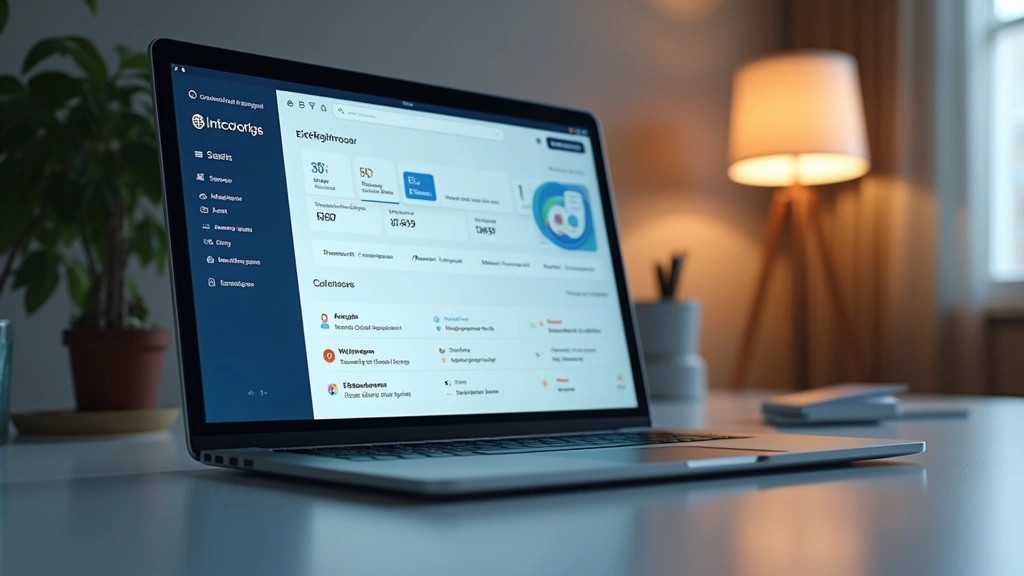
First-time users often experience initial confusion navigating Columbus Tech Blackboard’s interface, though the platform becomes intuitive after exploring key navigation elements. Upon logging in with institutional credentials, users encounter the dashboard—a customizable hub displaying enrolled courses, upcoming assignments, discussion posts, and system announcements. The left navigation panel provides access to primary functions: courses, tools, organizations, and personal settings.
Dashboard customization allows users to arrange widgets according to personal preferences, displaying relevant information prominently while minimizing less critical elements. Students typically prioritize course tiles, calendar views, and grade tracking, while instructors emphasize grading queues, course roster management, and content organization tools. Administrators focus on system settings, user management, and institutional analytics. Spending time customizing your dashboard significantly improves daily workflow efficiency.
The global search functionality—accessible via the magnifying glass icon in the header—enables rapid location of courses, users, documents, and discussion posts across your entire Blackboard instance. Advanced search filters allow specification by content type, date range, and relevance ranking, transforming broad searches into targeted queries. Most users underutilize this feature, instead relying on manual navigation through nested menus. Mastering search functionality reduces time spent locating resources by up to seventy percent.
Keyboard shortcuts represent another underutilized efficiency tool within Columbus Tech Blackboard. Pressing the question mark (?) anywhere in the interface displays available shortcuts for that specific page. Common shortcuts include Alt+D for dashboard, Alt+C for courses, and Alt+G for grades. Learning these shortcuts eliminates repetitive menu navigation, particularly beneficial for power users managing multiple courses or administrative responsibilities.
Course Creation and Management Fundamentals
Course creation in Columbus Tech Blackboard follows a structured wizard-based process, guiding instructors through essential configuration steps. The process begins with basic course information: course code, title, description, and availability settings. Instructors must decide whether courses appear in catalogs, require enrollment keys, and when courses become available to students. These decisions significantly impact enrollment workflows and course accessibility.
The content area—Blackboard’s primary organizational structure for course materials—operates hierarchically, allowing instructors to create folders, subfolders, and content items in logical sequences matching course progression. Each content item can include text, multimedia, documents, learning objects, and assessments. Strategic organization prevents student confusion and facilitates intuitive course navigation. Well-structured courses demonstrate significantly higher engagement metrics and student satisfaction ratings compared to poorly organized alternatives.
Learning outcomes integration has become increasingly important in modern educational assessment. Columbus Tech Blackboard allows instructors to map course content, assignments, and assessments to specific learning outcomes, enabling systematic measurement of student achievement against institutional goals. This alignment supports accreditation requirements and provides data-driven insights into instructional effectiveness. Institutions increasingly mandate learning outcomes assessment, making this feature essential for compliance.
Grade center configuration requires careful planning before the semester begins. Instructors must establish grading schemes, determine weighting percentages across assessment categories, and configure grade display settings. Columbus Tech Blackboard supports weighted grades, extra credit, grade curves, and custom grading scales. Once configured, the grade center automatically calculates student performance based on submitted work, though instructors retain override capabilities for manual adjustments when necessary.
Advanced Content Delivery Strategies
Columbus Tech Blackboard supports diverse content delivery modalities, accommodating various learning styles and pedagogical approaches. Multimedia integration—including embedded videos, interactive simulations, and immersive learning objects—significantly enhances engagement compared to text-based content delivery. The platform supports standard video formats (MP4, WebM, Ogg) and integrates with major video platforms including YouTube, Vimeo, and Kaltura, allowing instructors to leverage existing video libraries without bandwidth constraints.
Conditional content release represents a sophisticated feature allowing instructors to gate materials based on specific criteria: date ranges, completion of prerequisite activities, or achievement of minimum grade thresholds. This functionality supports adaptive learning pathways, where student progression depends on demonstrated mastery rather than arbitrary timelines. Conditional release encourages deeper engagement with foundational concepts before advancing to complex material.
The content library function enables instructors to organize reusable materials across multiple courses, reducing redundant content creation and ensuring consistency across course sections. Master instructors can develop comprehensive content libraries over years, creating increasingly efficient course development processes. Teams of instructors can share content libraries, facilitating collaborative curriculum development and standardizing course quality across departments.
Incorporating multimedia requires attention to accessibility standards, ensuring students with disabilities can access all content. Columbus Tech Blackboard supports closed captioning, transcripts, and alt text for images. The platform provides accessibility checkers identifying potential compliance issues before course launch. Accessible course design benefits all students while meeting legal requirements under the Americans with Disabilities Act and similar international legislation.
For technical considerations regarding your learning devices, consider reviewing our guide on how to upgrade laptop memory if you’re experiencing performance issues accessing Blackboard-hosted multimedia content.
Assessment Tools and Grading Systems
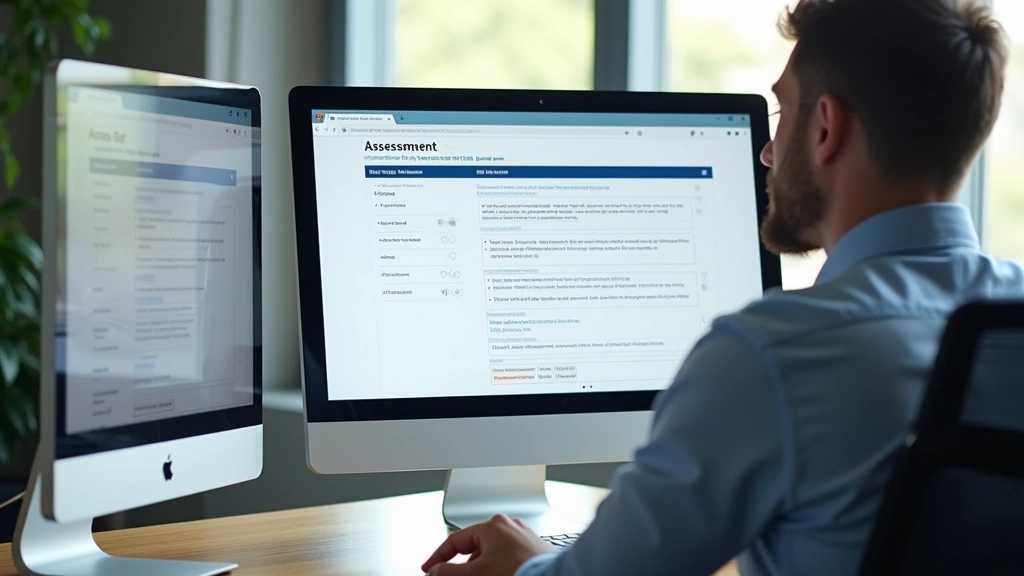
Assessment functionality within Columbus Tech Blackboard encompasses multiple modalities: tests, assignments, discussions, and self-assessments. The test tool provides sophisticated question types including multiple choice, true/false, short answer, essay, fill-in-the-blank, and matching. Advanced features include random question pools, question banks, and partial credit scoring, supporting sophisticated assessment designs. Test security features include IP restrictions, lockdown browser requirements, and question shuffling, protecting assessment integrity.
Assignment submission management streamlines collection and feedback processes. Students upload documents, provide text responses, or submit multimedia content directly within Blackboard. The system maintains complete submission histories, preventing accidental overwrites and enabling instructors to track revision progression. Plagiarism detection integration through SafeAssign automatically screens submissions against extensive databases of academic and internet content, supporting academic integrity initiatives.
The rubric tool enables detailed, criterion-based assessment aligned with learning outcomes. Instructors develop rubrics specifying performance levels across multiple dimensions, then apply rubrics to assignments and tests. Rubric-based grading provides students with detailed feedback explaining strengths and areas for improvement, supporting learning more effectively than simple numeric grades. Research demonstrates rubric-based assessment increases student motivation and learning outcomes compared to traditional grading approaches.
Grade center analytics provide instructors with sophisticated insights into class performance patterns. Distribution histograms reveal grade clustering, helping instructors identify potentially problematic assessments or curriculum gaps. Correlation analysis identifies relationships between different assessment types, revealing whether particular assignments predict overall course success. Item analysis tools examine individual test questions, identifying confusing or discriminatory items requiring revision.
Collaboration Features for Enhanced Learning
Discussion forums represent Columbus Tech Blackboard’s primary asynchronous communication tool, enabling threaded conversations that extend learning beyond classroom meetings. Instructors can structure forums by topic, assignment, or learning outcome, organizing discussions around pedagogical objectives. Threading preserves conversation context, allowing students to follow complex discussions and understand how ideas build upon previous contributions. Moderation tools enable instructors to review posts before publication, supporting academic integrity and appropriate discourse.
The collaboration tool provides wiki-style environments for group projects, enabling multiple students to contribute simultaneously to shared documents. Version control preserves editing history, allowing instructors to track individual contributions and resolve disputes over group member participation. Real-time editing notifications inform team members when colleagues are actively working, facilitating coordination on collaborative deliverables.
Blackboard Collaborate—the platform’s integrated virtual classroom—supports synchronous learning through video conferencing, screen sharing, whiteboarding, and breakout rooms. Recording functionality captures sessions for asynchronous review, benefiting students unable to attend live sessions and supporting accessibility requirements. Polls, quizzes, and interactive tools maintain engagement during virtual meetings, preventing passive video consumption and encouraging active participation.
The journal tool facilitates private communication between instructors and individual students, supporting confidential feedback and personal reflection. Unlike discussion forums visible to entire classes, journals maintain privacy while enabling ongoing dialogue. Some instructors use journals for reflective writing assignments, where students document learning progressions and metacognitive insights without peer judgment influencing their candor.
Mobile Access and Offline Functionality
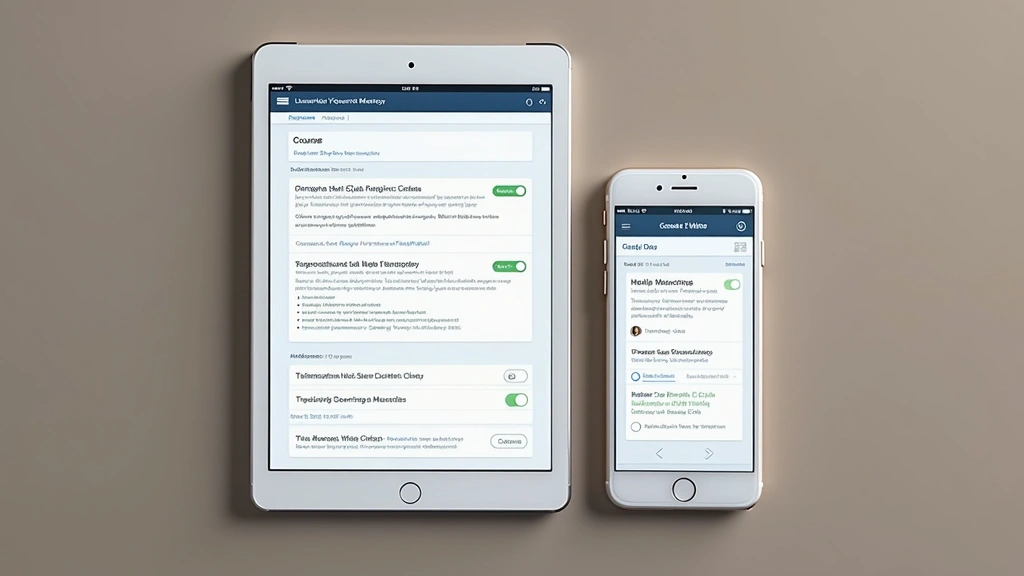
The Blackboard Mobile Learn application extends platform access to smartphones and tablets, enabling students to engage with course materials while mobile. The app provides access to courses, grades, assignments, and discussions, though some advanced features remain unavailable on mobile platforms. Native applications for iOS and Android optimize interface design for touch interaction and smaller screens, improving usability compared to responsive web access.
Offline functionality allows limited access to previously downloaded content when internet connectivity is unavailable. Students can download documents, view previously accessed pages, and compose discussion posts offline, syncing changes when connectivity returns. This functionality proves particularly valuable for students with unreliable internet access or those commuting between locations. However, real-time features like tests and live discussions require active connections.
Mobile optimization considerations affect course design decisions. Instructors should test all course materials on mobile devices, ensuring readability without excessive zooming and verifying multimedia plays correctly on various connection speeds. Large file sizes, complex interactive elements, and content requiring precise mouse positioning create poor mobile experiences, potentially disadvantaging students relying primarily on mobile access.
Push notifications keep students informed of assignment deadlines, new discussion posts, and instructor announcements. Students can customize notification preferences, choosing which events trigger alerts and how frequently they receive notifications. Appropriate notification frequency maintains engagement without overwhelming students with excessive alerts.
Security, Privacy, and Data Protection
Columbus Tech Blackboard implements enterprise-grade security protocols protecting sensitive educational data. Institutional login systems typically utilize single sign-on (SSO) integration with campus identity management systems, eliminating duplicate password management while maintaining centralized access control. Multi-factor authentication options add additional security layers, particularly important for administrative accounts with system-wide access.
Data encryption employs industry-standard protocols: HTTPS for data transmission and database encryption for stored information. Regular security audits, penetration testing, and vulnerability assessments identify and remediate potential weaknesses before malicious exploitation. The platform maintains compliance with educational privacy regulations including FERPA (Family Educational Rights and Privacy Act) in the United States and GDPR (General Data Protection Regulation) for European users.
Blackboard’s privacy policy clearly specifies what data is collected, how it’s used, and with whom it’s shared. Student data remains the property of educational institutions; Blackboard acts as a data processor rather than data owner. Institutions maintain control over student information, determining retention policies and deletion procedures. Students should review institutional privacy policies to understand data handling practices specific to their organization.
Role-based access control ensures users access only information necessary for their responsibilities. Students see only enrolled courses and cannot access classmates’ grades or private information. Instructors access course materials and student submissions but cannot modify system settings. Administrators receive appropriate access for managing users, courses, and institutional settings while maintaining audit trails documenting system modifications.
Troubleshooting Common Issues
Browser compatibility issues frequently cause access problems, particularly when users employ outdated browsers or unsupported configurations. Columbus Tech Blackboard officially supports current versions of Chrome, Firefox, Safari, and Edge. Users experiencing display issues or feature unavailability should verify browser version and clear browser cache and cookies before troubleshooting further. Disabling browser extensions—particularly ad blockers and password managers—sometimes resolves conflicts with platform functionality.
Slow loading times often result from network connectivity issues rather than platform problems. Students should verify internet connection speed using external tools like Speedtest, ensuring minimum recommended bandwidth for video streaming and multimedia access. Large file uploads timeout on slow connections; chunked upload functionality or splitting large files into smaller components often resolves these issues. For persistent performance concerns, consider our article on how to clean your laptop fan properly if hardware thermal issues are affecting overall system performance.
Login authentication failures typically result from incorrect credentials, expired passwords, or account lockouts after multiple failed attempts. Students should verify username format—often institution-specific rather than email addresses—and confirm caps lock isn’t accidentally enabled. Password reset functionality is usually accessible from the login page, though some institutions require IT helpdesk assistance for account recovery.
Missing course materials or disappearing submissions cause significant student anxiety. These issues usually result from accidental deletion, incomplete uploads, or browser cache displaying outdated information. Instructors should maintain course backups, while students should retain local copies of all submissions. Contacting institutional IT support with specific dates and times of incidents aids investigation into whether platform issues caused data loss.
Test accessibility issues during assessment administration require immediate troubleshooting to prevent academic integrity concerns. Common problems include browser compatibility, lockdown browser failures, and proctoring software conflicts. Students should test technology requirements well before assessment dates, completing practice tests to identify and resolve issues without time pressure.
Integration with Third-Party Tools
Columbus Tech Blackboard integrates with numerous educational technology platforms, extending functionality beyond native capabilities. Learning Tools Interoperability (LTI) standards enable integration with external applications including plagiarism detection, proctoring platforms, and specialized instructional tools. LTI integration maintains single sign-on functionality, eliminating additional login requirements while preserving grade synchronization between platforms.
Grade synchronization with external tools ensures student grades recorded in integrated platforms automatically populate Blackboard grade centers. This automation eliminates manual grade entry, reducing errors and ensuring consistent grading records. However, instructors should verify synchronization settings before relying on automatic updates, confirming grade mapping occurs correctly.
Video platform integration with Kaltura, YouTube, and Panopto enables embedded video playback within course content. These integrations support video analytics, tracking viewing duration and engagement patterns. Instructors can identify whether students actually watch assigned videos and which content sections receive repeated viewing, providing insights into content effectiveness.
Badging and credentialing integrations enable issuance of digital credentials recognizing course completion or achievement of specific competencies. Third-party platforms like Credly and Acclaim integrate with Blackboard, allowing automated credential issuance upon course completion. These credentials provide portable proof of achievement, valuable for student portfolios and employment applications.
For broader technology ecosystem understanding, explore our comprehensive guide on best tech stocks to understand companies shaping educational technology investments and innovations.
FAQ
What is Columbus Tech Blackboard primarily used for?
Columbus Tech Blackboard serves as a comprehensive learning management system enabling course delivery, student assessment, grade management, and communication between instructors and students. Educational institutions deploy it to support online, hybrid, and traditional classroom instruction across all academic disciplines and professional development contexts.
How do I reset my Columbus Tech Blackboard password?
Most institutions provide password reset functionality directly from the Blackboard login page. Click the “Forgot your password?” link and follow the verification process, typically involving email confirmation or security questions. If self-service reset is unavailable, contact your institution’s IT helpdesk for account recovery assistance.
Can I access Columbus Tech Blackboard offline?
Limited offline access is available through the mobile application for previously downloaded content. However, most Blackboard features require active internet connectivity. Students should plan accordingly, downloading important materials before periods of unavailable connectivity.
How are my grades calculated in Columbus Tech Blackboard?
Instructors configure grade calculation methods, typically using weighted categories where different assignment types contribute proportionally to final grades. Grade center displays running totals and final grades based on these configurations. Students should review their syllabus or ask instructors directly if grade calculation methods are unclear.
Is Columbus Tech Blackboard secure for submitting personal information?
Yes, Columbus Tech Blackboard implements enterprise-grade security including data encryption, secure authentication, and compliance with educational privacy regulations. However, students should never submit sensitive personal information (social security numbers, financial details) unless specifically required by institutional policies, and should verify institutional privacy policies.
How do I contact technical support for Columbus Tech Blackboard issues?
Most institutions maintain IT helpdesks providing Blackboard technical support. Contact information is typically available on your institution’s IT website. Some institutions provide 24/7 support, while others maintain business-hour availability. Emergency issues affecting coursework should be reported immediately rather than waiting for standard support hours.
Can instructors see if I’ve accessed course materials?
Blackboard tracks content access through its analytics tools. Instructors can see when students access course materials, though they cannot see exactly when or for how long in all cases. Privacy policies vary by institution; students should review institutional policies to understand what tracking occurs and how data is used.


