CT Scan Tech Salary: What You Need to Know
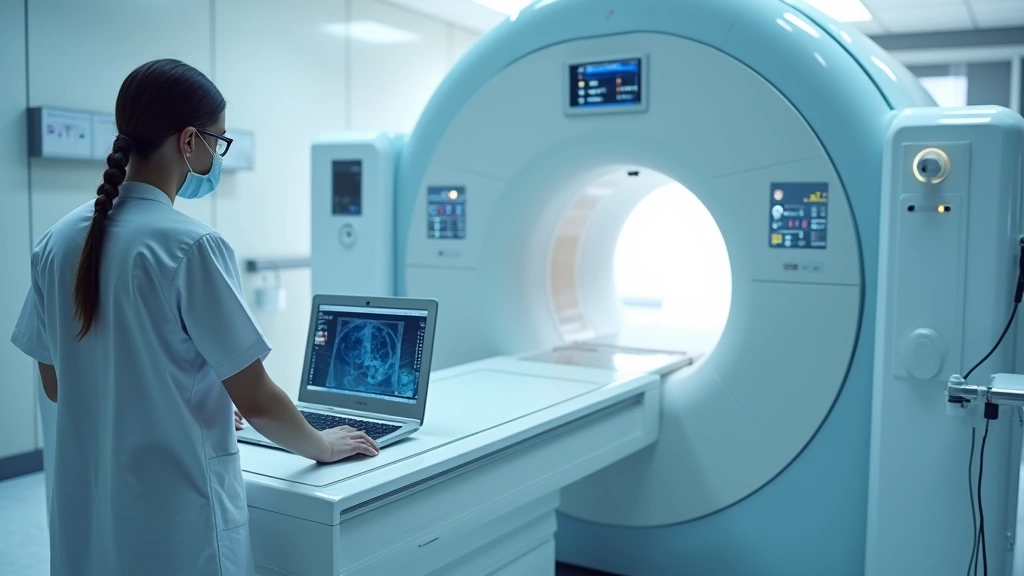
The medical imaging field represents one of the most stable and rewarding career paths in healthcare technology today. CT scan technologists—also known as computed tomography technologists—operate sophisticated diagnostic equipment that generates detailed cross-sectional images of the human body. These professionals play a critical role in patient diagnosis and treatment planning, making their expertise invaluable across hospitals, imaging centers, and specialty clinics nationwide. Understanding CT scan tech salary expectations, growth potential, and compensation factors is essential for anyone considering this career or evaluating their current earning trajectory in medical imaging.
CT scan technologists combine technical expertise with patient care responsibilities, requiring certification, specialized training, and continuous professional development. The compensation landscape for these professionals has evolved significantly over the past decade, driven by increasing demand for diagnostic imaging services, technological advancements, and healthcare industry expansion. Whether you’re exploring emerging opportunities in healthcare tech careers or researching specific medical technology roles, understanding salary benchmarks and advancement pathways helps inform strategic career decisions.

Average CT Scan Technologist Salary Overview
According to the U.S. Bureau of Labor Statistics, CT scan technologists earn a median annual salary that reflects both the technical nature of the work and the healthcare industry’s investment in diagnostic capabilities. As of 2024, the national average salary for CT technologists ranges from approximately $62,000 to $78,000 annually, with significant variation based on location, experience, and employment setting. Entry-level positions typically start around $50,000 to $58,000, while experienced technologists with specialized credentials can earn $85,000 to $95,000 or more annually.
The salary range for CT scan technologists positions them competitively within the broader healthcare technology sector. Compared to general radiologic technologists, CT specialists often command premium compensation due to their specialized training and the complexity of the equipment they operate. The median hourly wage typically ranges from $28 to $38 per hour, translating to solid middle-class earnings with room for advancement. These figures represent base salary without accounting for shift differentials, overtime opportunities, or performance bonuses that can substantially increase total annual earnings.

Factors Influencing CT Tech Compensation
Multiple variables directly impact CT scan technologist salary outcomes, creating significant variation within the profession. Understanding these factors helps professionals strategically position themselves for higher compensation. Employment setting represents one of the most substantial factors—technologists working in specialized imaging centers or university medical centers typically earn more than those in smaller community hospitals. Private practices and diagnostic imaging chains often offer competitive salaries to attract and retain skilled professionals.
The facility’s financial performance and imaging volume directly correlate with technologist compensation. High-volume imaging centers generating significant diagnostic revenue can invest more in staff salaries and benefits. Additionally, shift assignments significantly affect total earnings—technologists working night shifts, weekends, or on-call rotations receive shift differentials ranging from 10% to 25% above base salary. Facilities operating 24/7 imaging services often provide premium compensation for off-shift availability.
Institutional prestige and reputation also influence salary structures. Teaching hospitals affiliated with medical schools, research institutions, and nationally recognized healthcare systems typically offer higher compensation packages compared to rural or smaller facilities. The union representation status of your employer can substantially impact wage negotiations—unionized imaging departments often have established salary scales and automatic cost-of-living adjustments that benefit technologists.
Geographic Salary Variations and Regional Hotspots
Geographic location creates dramatic salary variations for CT scan technologists, with certain regions commanding significantly higher compensation. Major metropolitan areas consistently offer the highest salaries—cities like San Francisco, New York, Boston, and Los Angeles provide CT technologists with salaries exceeding the national average by 15% to 30%. The Chicago tech and healthcare sector represents another strong market with competitive imaging technology salaries.
Coastal states including California, Massachusetts, New York, and Connecticut consistently rank among the highest-paying regions for CT technologists. California particularly stands out, with San Francisco Bay Area and Los Angeles County positions offering $75,000 to $95,000 annually. However, higher salaries in these regions must be evaluated against significantly increased cost of living, housing expenses, and state income taxes that substantially reduce purchasing power.
The Midwest and South generally offer lower nominal salaries but often provide superior cost-of-living ratios. States like Texas, Florida, and North Carolina have experienced healthcare industry growth, creating increased demand for imaging professionals and pushing salaries upward. Rural areas and smaller markets typically offer 10% to 20% lower salaries but may provide other lifestyle benefits and reduced workplace competition.
Emerging healthcare technology hubs are reshaping regional salary patterns. Areas experiencing population growth and healthcare infrastructure expansion often provide attractive compensation packages to recruit skilled technologists. Remote work opportunities in medical imaging administration and quality assurance are beginning to emerge, potentially altering traditional geographic salary disparities.
Experience Level and Career Progression
Professional experience directly translates to compensation increases in the CT scanning field. Entry-level technologists with 0-2 years of experience typically earn salaries at the lower end of the spectrum, often $50,000 to $58,000 annually. This period focuses on skill development, equipment mastery, and building clinical expertise under supervision.
Mid-career technologists with 5-10 years of experience typically command salaries in the $65,000 to $78,000 range, representing substantial increases reflecting accumulated expertise. These professionals have developed specialized knowledge, patient handling proficiency, and problem-solving capabilities that make them valuable team members. Many facilities offer automatic salary increases tied to tenure, with annual raises of 2-4% being standard.
Senior technologists with 10+ years of experience earn $78,000 to $95,000+ annually, particularly when they’ve assumed leadership responsibilities. Advancement into supervisory, training, or quality assurance roles can push compensation even higher. Some experienced technologists transition into sales support for imaging equipment manufacturers, clinical education, or program management—roles that can exceed $100,000 annually.
The experience-to-salary relationship isn’t always linear. Technologists who pursue advanced certifications or specialized training often see accelerated salary growth regardless of tenure. A technologist with 3 years of experience but multiple specialty certifications may earn more than a 7-year technologist with only basic credentials, demonstrating that professional development directly impacts compensation trajectory.
Education and Certification Impact
Educational credentials represent significant salary differentiators in CT scanning careers. The minimum requirement—a high school diploma or GED plus completion of an accredited CT technologist program—establishes baseline earning potential. However, professional certification through the American Registry of Radiologic Technologists (ARRT) is increasingly expected by employers and directly impacts starting salaries.
ARRT-certified CT technologists typically earn 8-15% more than non-certified technologists, even at the entry level. Many employers require certification within a specific timeframe of employment, with salary increases automatically triggered upon successful examination passage. Advanced certifications in specialized areas—such as cardiac CT, advanced abdominal imaging, or CT angiography—command premium compensation ranging from $3,000 to $8,000 annually.
Bachelor’s degree holders in radiologic science or medical imaging technology often start at higher salary points compared to associate degree graduates, typically earning $5,000 to $12,000 more annually. This educational investment pays dividends throughout the career, as degree-holding technologists are preferentially selected for supervisory, teaching, and advanced clinical roles. Some facilities offer tuition reimbursement programs for technologists pursuing bachelor’s degrees, creating pathways for continued professional advancement.
Continuing education requirements, while mandatory for certification maintenance, also provide opportunities for salary increases. Technologists who complete advanced training in emerging imaging protocols, radiation safety, or quality improvement demonstrate commitment to professional excellence, making them competitive candidates for higher-paying positions. Many employers offer educational bonuses or salary increases for technologists who pursue specialized certifications beyond basic requirements.
Benefits Package and Total Compensation
Base salary represents only one component of total compensation for CT scan technologists. Comprehensive benefits packages significantly increase actual earning value and should be carefully evaluated when comparing employment opportunities. Health insurance benefits typically represent 8-12% of total compensation value, with employers covering 75-90% of premium costs for employee coverage and often extending to family plans at subsidized rates.
Retirement benefits vary substantially by employer type. Large hospital systems and unionized facilities typically offer defined benefit pension plans or robust 401(k) matching programs (matching 3-6% of salary contributions). Smaller facilities may offer minimal retirement benefits, making this a critical negotiation point. The difference between a facility offering 6% 401(k) matching versus no matching represents approximately $3,720 annually for a $62,000 salary.
Paid time off (PTO) structures vary widely across employers. Standard packages typically include 15-25 days of combined vacation, sick leave, and personal time annually. Shift-based technologists often receive additional PTO compensation or premium hourly rates to offset irregular schedules. Holiday pay, typically at time-and-a-half or double-time rates, can add $1,500 to $4,000 annually for technologists working holiday schedules.
Specialized benefits increasingly differentiate competitive employers in the imaging field. Educational assistance programs covering continuing education, certification exam fees, and degree pursuit represent significant value. Loan forgiveness programs, particularly for technologists serving in underserved areas, can provide thousands in annual benefits. Professional development allowances, conference attendance support, and equipment discounts add measurable value to total compensation packages.
Job Market Demand and Growth Outlook
The employment outlook for CT scan technologists remains exceptionally strong, with the Bureau of Labor Statistics projecting 7-9% growth through 2032—faster than average for all occupations. This robust demand directly supports salary growth and provides technologists with substantial job security and advancement opportunities. The aging Baby Boomer population, increasing prevalence of chronic diseases, and technological advances expanding CT applications drive sustained demand for skilled technologists.
Healthcare facilities nationwide report difficulty recruiting and retaining qualified CT technologists, particularly in rural and less desirable geographic markets. This talent shortage translates directly to salary increases, signing bonuses, and enhanced benefit packages as employers compete for limited qualified candidates. Facilities facing recruitment challenges often offer relocation assistance, housing allowances, and student loan repayment programs to attract experienced technologists.
The expansion of outpatient imaging centers and specialty diagnostic clinics creates new employment opportunities beyond traditional hospital settings. These facilities often offer competitive salaries to differentiate themselves in the employment market. Telehealth expansion and remote image interpretation create emerging opportunities for technologists to transition into consulting, quality assurance, and clinical education roles with different compensation structures.
Specializations That Increase Earning Potential
Technologists who develop expertise in specialized CT applications significantly increase their earning potential. Cardiac CT imaging represents one of the highest-paying specializations, with technologists commanding salaries 15-25% above baseline due to the technical complexity and critical clinical importance. Cardiac CT specialists often earn $75,000 to $95,000+ annually, particularly in cardiology-focused medical centers.
Advanced trauma imaging specialization is highly valued in Level 1 trauma centers and emergency departments, where rapid, accurate imaging directly impacts patient outcomes. Trauma-trained technologists receive premium compensation reflecting the high-stakes nature of the work. Similarly, technologists specializing in oncology imaging protocols for cancer diagnosis and monitoring command competitive salaries due to their expertise in complex imaging sequences.
Emerging specializations create particularly attractive compensation opportunities. Artificial intelligence and machine learning applications in CT imaging represent a frontier where technologists with dual expertise in both clinical imaging and technical informatics can earn $85,000 to $110,000+. Technologists who understand advanced post-processing techniques, 3D reconstruction, and image analysis software position themselves for premium compensation and advancement into technical specialist roles.
Interventional CT specialization, where technologists support image-guided procedures, offers higher compensation reflecting the procedural complexity and patient care intensity. Technologists trained in this specialty often earn $70,000 to $90,000 annually. Cross-training in complementary modalities—such as combining CT expertise with ultrasound or MRI certification—creates versatile professionals that employers value highly, often resulting in 10-20% salary premiums.
Negotiation Strategies and Salary Advancement
Proactive salary negotiation significantly impacts earning trajectory throughout a CT technologist’s career. When evaluating job offers, research comparable salaries using resources like Salary.com, Glassdoor, and professional organization surveys. Understanding regional salary benchmarks, facility-specific compensation patterns, and your qualifications’ market value provides essential negotiation leverage.
Entry-level technologists should prioritize negotiating starting salary, sign-on bonuses, and educational benefits rather than accepting initial offers without discussion. Even small salary increases at career inception compound significantly over decades—a $3,000 starting salary difference with standard 2-3% annual raises results in $60,000+ additional lifetime earnings. Document your unique qualifications, certifications, and specialized skills when presenting salary expectations.
Mid-career salary advancement often requires deliberate action. Requesting formal salary reviews tied to certification achievements, performance evaluations, or expanded responsibilities demonstrates professional development commitment. Many facilities have established salary scales with predictable increases, but technologists exceeding expectations often negotiate above-scale compensation. Presenting evidence of your value—improved patient satisfaction scores, reduced imaging retakes, mentoring contributions—strengthens salary negotiation positions.
Lateral moves to higher-paying facilities or geographic markets represent effective salary acceleration strategies. Technologists willing to relocate to competitive markets like California, Massachusetts, or major metropolitan areas can increase salaries by $10,000 to $25,000 or more. However, carefully evaluate cost-of-living impacts—a $20,000 salary increase may be offset by 30-40% higher housing and living expenses.
Advanced career transitions offer substantial compensation increases. Technologists transitioning into supervisory roles, quality assurance management, clinical education, or sales support for imaging equipment manufacturers often earn $80,000 to $120,000+ annually. These transitions require developing leadership, communication, and business skills alongside technical expertise, but the compensation differential justifies the professional development investment.
FAQ
What is the average starting salary for a CT scan technologist?
Entry-level CT scan technologists typically earn $50,000 to $58,000 annually, depending on geographic location, facility type, and specific certifications. Some high-cost metropolitan areas offer starting salaries reaching $62,000 to $68,000. Salary varies significantly based on whether the technologist holds ARRT certification and whether the employer offers shift differentials or sign-on bonuses.
Do CT technologists earn more than other radiologic technologists?
Yes, CT specialists typically earn 8-15% more than general radiologic technologists due to specialized training requirements and equipment complexity. The specialized nature of CT imaging, combined with the technical expertise required, justifies premium compensation in most healthcare settings. Technologists with multiple imaging modality certifications earn even higher salaries.
What certifications increase CT technologist salary the most?
ARRT CT certification provides the foundational salary premium (8-15% increase). Advanced certifications in cardiac CT, interventional CT, and CT angiography each add $3,000 to $8,000 annually. Technologists holding multiple specialty certifications often earn $10,000 to $20,000 more annually compared to single-certified peers with equivalent experience.
How much does location affect CT technologist salary?
Geographic location dramatically impacts compensation, with major metropolitan areas offering 15-30% higher salaries than rural markets. California, Massachusetts, and New York offer the highest nominal salaries ($75,000-$95,000+), but cost-of-living adjustments must be carefully considered. Midwest and Southern markets offer lower nominal salaries but often provide superior cost-of-living ratios and quality-of-life benefits.
What is the job outlook for CT technologists?
The employment outlook is exceptionally strong, with 7-9% projected growth through 2032—faster than average for all occupations. Aging population demographics, increased chronic disease prevalence, and expanding CT applications drive sustained demand. Many facilities report difficulty recruiting qualified technologists, creating favorable conditions for salary growth and advancement.
Can CT technologists earn more by working night shifts?
Yes, shift differentials typically add 10-25% to base hourly rates for night shift, weekend, and holiday work. Technologists working full-time evening or night shifts can increase annual earnings by $5,000 to $15,000. However, shift-based work impacts lifestyle, health, and work-life balance—factors that should be carefully weighed against salary increases.
How does a bachelor’s degree affect CT technologist salary?
Bachelor’s degree holders typically earn $5,000 to $12,000 more annually compared to associate degree graduates, even at entry level. Degree-holding technologists are preferentially selected for supervisory, teaching, and advancement roles, creating longer-term career earnings advantages. The degree investment typically pays for itself within 3-5 years through salary differentials.
What advancement opportunities exist for experienced CT technologists?
Experienced technologists can advance into supervisory roles, quality assurance management, clinical education, imaging center management, or sales support for equipment manufacturers. These transitions often increase compensation to $80,000 to $120,000+ annually. Some technologists pursue advanced degrees in health administration or informatics, opening executive-level career paths.


