What’s New in Tech? Insider’s Guide to the Latest Transmission
The technology landscape shifts faster than ever, and staying current with emerging innovations requires a strategic approach. This comprehensive guide breaks down the most significant developments reshaping how we work, communicate, and innovate. From AI breakthroughs to hardware evolution, we’re examining the tech transmission that’s defining 2025 and beyond.
Whether you’re a casual observer or a tech enthusiast, understanding these trends helps you make informed decisions about which tools and platforms deserve your attention. This insider’s perspective cuts through the noise to focus on genuinely transformative technologies that will impact your digital life.
Artificial Intelligence Revolution
Artificial intelligence continues its explosive growth trajectory, fundamentally altering how businesses and individuals approach problem-solving. The latest models demonstrate unprecedented capabilities in natural language processing, code generation, and creative tasks. AI transforming our future isn’t mere speculation—it’s happening now across enterprise environments and consumer applications.
Recent developments show AI models becoming more efficient, requiring less computational power while delivering superior results. The Verge’s AI coverage highlights how companies are deploying these systems for practical applications beyond research labs. From customer service automation to predictive analytics, the commercial applications are expanding rapidly.
The efficiency gains are particularly noteworthy. New architectures reduce model size by 40-60% while maintaining or improving accuracy. This democratization means smaller organizations and individual developers can leverage advanced AI capabilities without massive infrastructure investments. The future of artificial intelligence increasingly depends on accessibility and practical implementation rather than pure computational power.
Fine-tuning techniques have become more sophisticated, allowing developers to customize AI models for specific domains with minimal training data. This shift represents a fundamental change in how organizations adopt AI technology, moving from one-size-fits-all solutions to tailored implementations.
Hardware Innovation Landscape
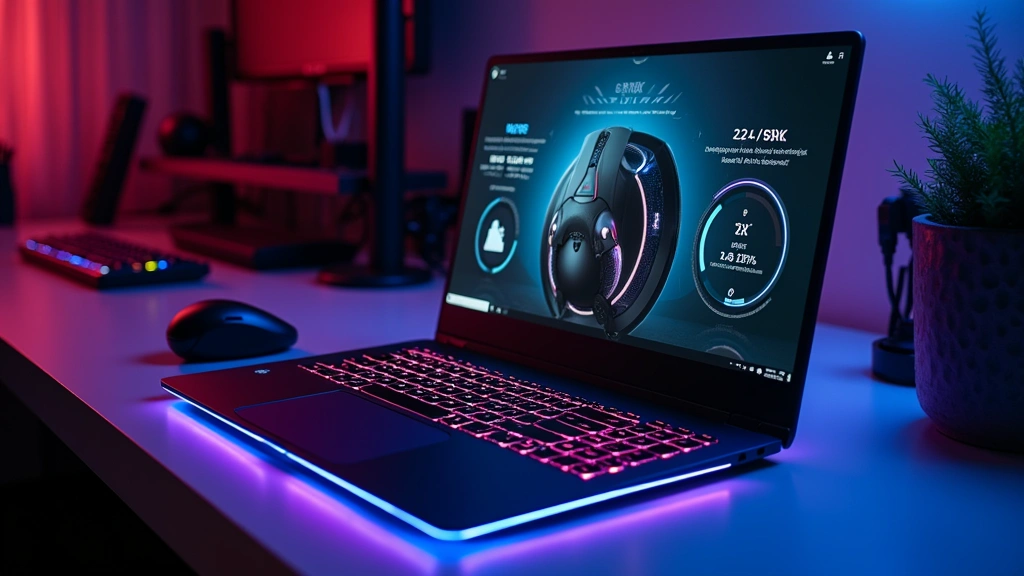
The hardware sector continues delivering impressive performance improvements, though the pace of innovation differs significantly across device categories. Processor manufacturers are pushing boundaries with new architectures that prioritize efficiency alongside raw speed. Best laptops for students now feature processors with better battery life and thermal performance than previous generations.
Recent benchmarks from CNET’s computing section show flagship processors delivering 25-35% performance improvements over last-generation chips. What’s equally important is the energy efficiency gains—many new systems consume 15-20% less power while performing significantly better.
Memory technology is advancing too, with DDR5 becoming standard in high-performance systems and laptops. The bandwidth improvements enable faster data processing, particularly beneficial for AI workloads and content creation. Storage solutions are evolving with NVMe Gen5 drives offering unprecedented transfer speeds approaching 14GB/s.
GPU technology deserves special attention. Graphics processors are no longer specialized components for gaming—they’re essential for AI processing, scientific computation, and data analysis. The latest generation delivers performance improvements that make tasks previously requiring enterprise-grade hardware accessible to individual creators.
” alt=”Modern laptop processor chip with advanced architecture design on circuit board background”>
Cloud Computing Evolution
Cloud computing benefits for businesses have expanded significantly with new service offerings and improved pricing models. Providers are responding to customer demands for greater flexibility, security, and cost predictability. Edge computing integration is becoming standard, enabling faster processing for latency-sensitive applications.
The competitive landscape intensifies as providers differentiate through specialized services. Machine learning pipelines, containerization platforms, and serverless computing have matured substantially. Organizations can now build sophisticated applications without managing underlying infrastructure, reducing operational overhead dramatically.
Security features in cloud platforms have become more robust, addressing enterprise concerns about data protection and compliance. Multi-layer encryption, advanced threat detection, and granular access controls are now standard offerings. DigitalOcean and similar providers are democratizing cloud services for startups and small businesses.
Cost optimization tools have become more intelligent, using AI to recommend resource allocation and identify wasteful spending patterns. Organizations are achieving 30-40% cost reductions by implementing intelligent resource management alongside cloud provider recommendations.
Cybersecurity Advancements
The threat landscape continues evolving, and cybersecurity approaches must adapt accordingly. Zero-trust architecture is transitioning from theoretical framework to practical implementation across organizations of all sizes. This approach assumes no trust by default, requiring verification for every access request.
AI-powered threat detection systems now identify sophisticated attacks faster than traditional rule-based approaches. Machine learning models analyze network patterns, identifying anomalies that humans might miss. The response time for threat mitigation has compressed from hours to minutes in many cases.
Encryption standards are advancing, with quantum-resistant algorithms receiving increased attention. While quantum computing threats remain somewhat distant, organizations are preparing now to ensure long-term data protection. Post-quantum cryptography research is accelerating, with standardization efforts progressing through NIST.
Incident response capabilities have matured significantly. Organizations can now deploy automated response systems that isolate compromised systems, preserve evidence, and initiate investigation protocols without human intervention. This reduces both damage and investigation time substantially.
Consumer Tech Trends
Consumer technology is experiencing fascinating shifts, with wearables becoming more sophisticated and practical. Health monitoring capabilities now rival medical-grade devices in some metrics, enabling continuous wellness tracking. Integration with smartphones creates seamless ecosystems where data flows naturally between devices.
Display technology continues advancing, with higher refresh rates, better color accuracy, and improved energy efficiency becoming standard. OLED technology is expanding beyond premium devices into mid-range products, delivering superior contrast and black levels. Foldable displays are maturing, though durability concerns persist for some users.
Battery technology remains an area of active development. Solid-state batteries promise significant improvements in energy density and charging speed, though widespread adoption remains a few years away. Current lithium-ion improvements continue delivering incremental gains, with some devices achieving 2-3 day battery life.
Audio technology has become remarkably sophisticated, with spatial audio and active noise cancellation now standard in many earbuds and headphones. Codec improvements enable higher quality wireless audio transmission, reducing the quality gap between wired and wireless solutions significantly.
Performance Optimization
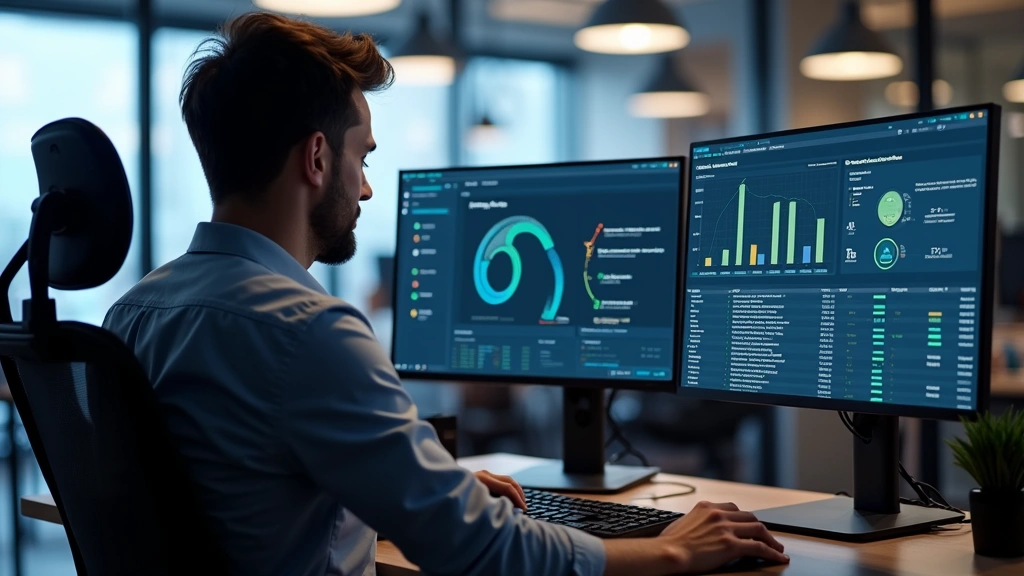
How to fix a slow computer has become easier with better diagnostic tools and optimization software. Operating systems are becoming more efficient, with background processes consuming fewer resources than previous versions. Smart resource management prioritizes active applications, ensuring responsive performance.
Software optimization techniques have advanced, with developers using profiling tools to identify performance bottlenecks efficiently. Compiler improvements enable better code generation, squeezing additional performance from existing hardware. These optimizations compound, delivering noticeable improvements across application portfolios.
Caching strategies have become more sophisticated, with systems predicting user behavior to preload data intelligently. Machine learning algorithms learn usage patterns, ensuring frequently accessed information remains readily available. This reduces perceived latency and improves overall responsiveness.
Storage optimization continues improving, with deduplication and compression algorithms becoming more intelligent. Systems can maintain extensive data libraries while consuming less physical storage space. Tiered storage approaches automatically move data between fast and slow storage based on access patterns.
” alt=”Person working on desktop computer with multiple displays showing system performance metrics and optimization software”>
Visit the Tech Pulse Hunter Blog for additional insights and detailed technology analysis. For comprehensive technology understanding, explore how TechRadar covers emerging tech trends and maintains current industry perspectives.
Frequently Asked Questions
What are the most impactful tech developments in 2025?
Artificial intelligence advancement, processor efficiency improvements, and cloud service expansion represent the most significant developments. These technologies are reshaping business operations and consumer experiences across industries. The convergence of these trends enables entirely new applications and capabilities.
How should businesses prioritize technology investments?
Organizations should evaluate investments based on alignment with strategic objectives, implementation feasibility, and ROI potential. Cloud migration, AI adoption, and cybersecurity enhancement typically deliver strong returns. Consulting with technology partners helps identify opportunities specific to your industry and company size.
Is now the right time to upgrade hardware?
Upgrade timing depends on your specific needs and current equipment condition. If your system struggles with current applications or lacks necessary features, upgrading makes sense. The current hardware generation offers substantial improvements, making this a favorable time for most users.
How can individuals stay current with technology changes?
Follow reputable technology publications, engage with industry communities, and participate in online learning platforms. Regular reading of technology blogs and attendance at industry events provides valuable perspective. Hands-on experimentation with new tools helps develop practical understanding beyond theoretical knowledge.
What security measures are essential in 2025?
Strong password management, multi-factor authentication, regular software updates, and awareness of phishing techniques form the foundation. Organizations should implement zero-trust architecture and maintain comprehensive backup systems. Employee training remains critical despite technological security advances.
How does AI impact everyday technology users?
AI improves user experiences through smarter recommendations, better search results, and more efficient device performance. Virtual assistants become more capable, content creation tools become more accessible, and productivity applications become more intelligent. These improvements often happen invisibly, enhancing usability without requiring user awareness.


