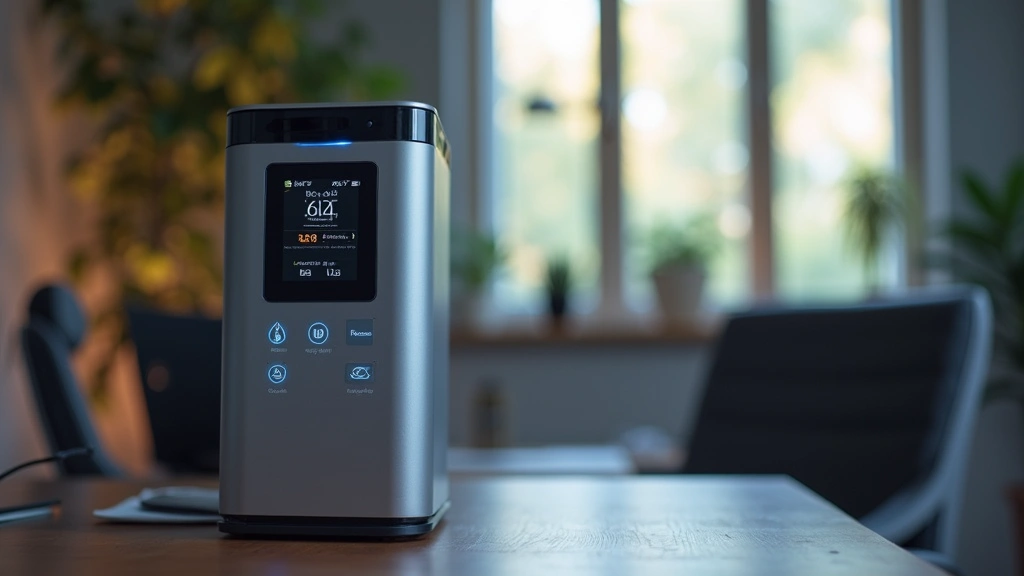
Abatement Tech Gadgets: Expert Insights into Emission Control Innovation
The technology sector continues to evolve rapidly, and one of the most critical frontiers involves abatement tech gadgets—sophisticated devices designed to reduce harmful emissions, pollutants, and environmental contaminants. These innovations represent a convergence of environmental necessity and technological advancement, offering practical solutions for industries ranging from manufacturing to personal computing. As climate consciousness grows globally, understanding these technologies becomes essential for businesses and consumers alike.
Abatement technology encompasses a broad spectrum of gadgets and systems that actively work to minimize negative environmental impact. From air purification systems integrated into smart devices to advanced monitoring equipment that tracks and reduces industrial emissions, these tools are reshaping how we approach sustainability. This comprehensive guide explores the landscape of abatement tech, examining cutting-edge innovations, practical applications, and expert perspectives on what the future holds for emission control technology.
Understanding Abatement Technology Fundamentals
Abatement technology represents a critical intersection between environmental science and consumer electronics. At its core, abatement tech refers to any device or system engineered to eliminate, reduce, or neutralize harmful substances from air, water, or industrial processes. Unlike passive filtration methods, modern abatement gadgets employ active monitoring, real-time data analysis, and adaptive response mechanisms to maximize effectiveness.
The fundamental principle driving abatement tech innovation involves creating closed-loop systems where emissions are not merely captured but transformed or neutralized. Advanced sensors detect pollutant concentrations, triggering automated responses that adjust filtration intensity, chemical neutralization processes, or emission redirects. This intelligent approach differentiates contemporary abatement solutions from traditional static filtering systems.
When considering computer performance optimization, many overlook how system efficiency directly correlates with thermal management and emission reduction. Modern processors generate considerable heat; advanced abatement tech helps manage these thermal emissions through intelligent cooling systems that reduce both energy consumption and environmental impact.
Key Categories of Abatement Tech Gadgets
The abatement technology market encompasses several distinct categories, each addressing specific emission challenges:
- Particulate Matter Filtration Systems: Advanced HEPA and electrostatic devices that capture microscopic particles, allergens, and industrial dust with efficiency ratings exceeding 99.97%
- Volatile Organic Compound (VOC) Neutralizers: Devices employing photocatalytic oxidation and activated carbon absorption to eliminate harmful chemical vapors
- Thermal Management Gadgets: Specialized equipment that reduces heat-related emissions from data centers and industrial facilities
- Water Quality Abatement: Filtration and purification systems addressing aqueous pollutants and contaminants
- Carbon Capture Technologies: Emerging gadgets designed to actively extract CO2 from surrounding air or exhaust streams
- Real-Time Monitoring Devices: IoT-enabled sensors providing continuous emission tracking and environmental data collection
Each category serves distinct industrial and consumer applications, yet all share the common objective of reducing environmental contamination. The sophistication of these devices ranges from relatively simple mechanical filters to AI-powered systems that predict and prevent emission events before they occur.
Smart Air Purification Systems and Indoor Air Quality
Smart air purification represents one of the most accessible abatement tech categories for consumers. Modern air purification gadgets integrate IoT connectivity, machine learning algorithms, and multi-stage filtration to create comprehensive indoor air quality management systems. These devices continuously monitor particulate concentrations, chemical pollutants, and biological contaminants, automatically adjusting operational parameters for optimal performance.
Leading manufacturers have developed systems capable of processing air at rates exceeding 500 cubic feet per minute while maintaining whisper-quiet operation. The integration of HEPA, activated carbon, and UV-C light stages creates multi-layered defense against airborne threats. Smart connectivity enables users to monitor air quality metrics remotely, receive alerts when filter replacement becomes necessary, and access historical data revealing long-term environmental trends.
Research from CNET’s technology analysis demonstrates that properly maintained air purification systems reduce particulate matter concentration by 85-95% within enclosed spaces. This improvement directly impacts respiratory health, cognitive function, and overall wellbeing, making these devices increasingly popular in home offices and professional environments.
For those exploring laptop selection for productivity, understanding the environmental factors affecting device performance proves valuable. Clean air environments reduce dust accumulation inside computing devices, extending component lifespan and maintaining thermal efficiency.
Industrial Emission Monitoring Devices
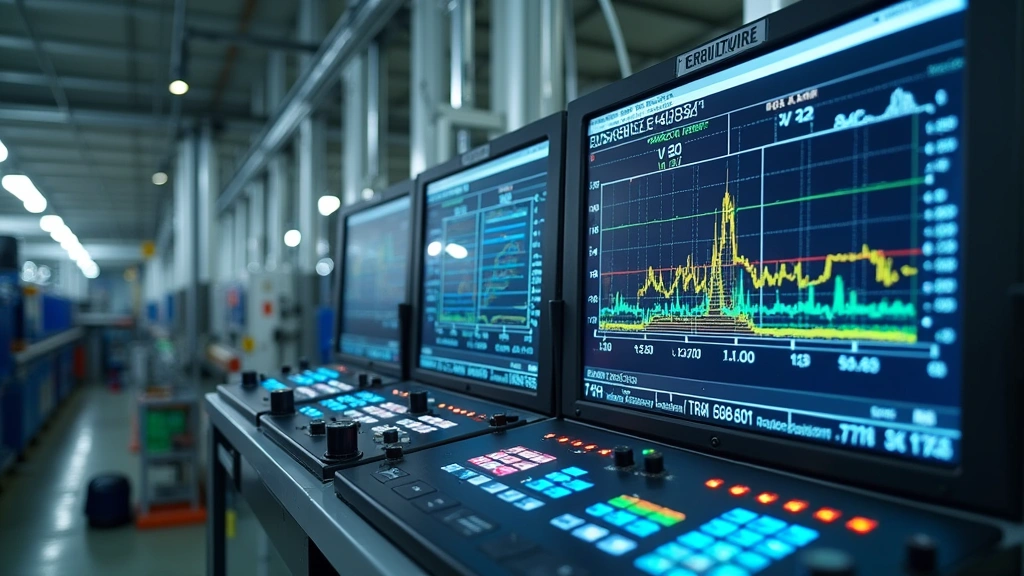
Industrial facilities represent the primary deployment environment for sophisticated abatement tech gadgets. Manufacturing plants, power generation facilities, and chemical processing operations require real-time emission monitoring to maintain regulatory compliance and minimize environmental impact. Modern industrial abatement systems employ sophisticated sensor arrays that continuously analyze exhaust streams for pollutant concentrations.
These devices provide instantaneous feedback regarding emission levels, enabling operators to make rapid adjustments to production parameters. Advanced systems integrate with facility management infrastructure, automatically triggering corrective actions when pollution thresholds are exceeded. Some cutting-edge installations employ predictive analytics, utilizing historical data and machine learning to forecast emission events and implement preventative measures.
According to The Verge’s environmental tech coverage, industrial abatement technology has reduced facility emissions by an average of 40-60% across major manufacturing sectors. This substantial improvement reflects both technological advancement and regulatory pressure driving innovation in emission control.
The financial implications of industrial abatement technology adoption prove significant. While initial capital investment can be substantial, operational cost reductions from improved efficiency typically yield return-on-investment within 3-5 years. Additionally, regulatory compliance becomes significantly more manageable, reducing the risk of costly fines and facility shutdowns.
Integration with Computing Infrastructure
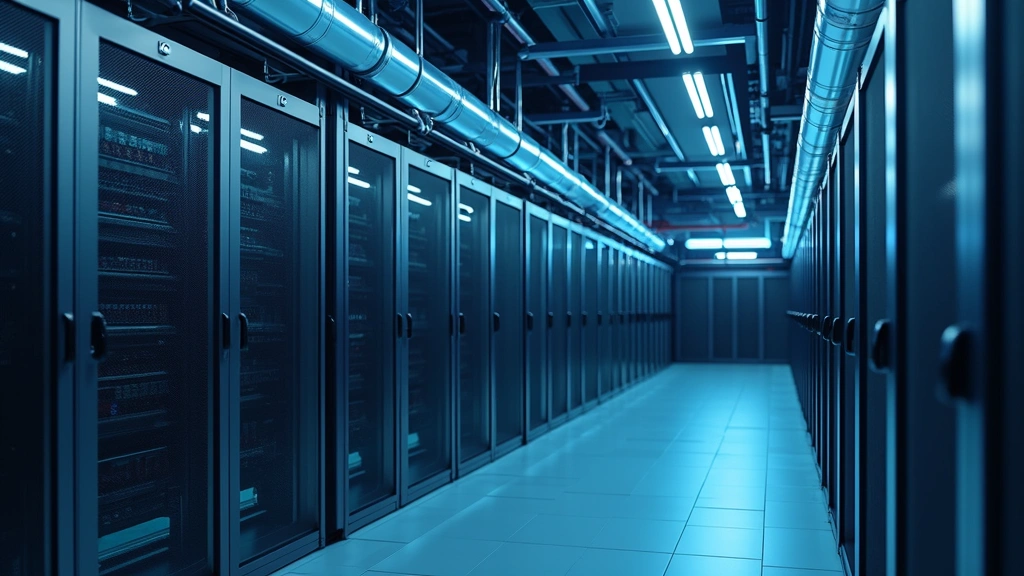
The relationship between abatement tech and computing infrastructure deserves particular attention. Data centers consume enormous quantities of electricity, generating substantial thermal emissions and contributing significantly to overall carbon footprints. Modern abatement tech solutions for computing facilities focus on thermal management, waste heat recovery, and energy efficiency optimization.
Sophisticated cooling systems employing liquid cooling, immersion cooling, and innovative airflow management reduce energy consumption while maintaining optimal operating temperatures. Some facilities have implemented cloud computing infrastructure specifically designed around abatement principles, utilizing renewable energy sources and advanced thermal management to minimize environmental impact.
For individual users, the principle extends to personal computing devices. When considering laptop memory upgrades, understanding thermal implications proves relevant. Properly maintained systems with efficient cooling generate fewer emissions and consume less energy, aligning with abatement tech principles at the individual device level.
The intersection of artificial intelligence applications and abatement technology creates particularly promising opportunities. AI algorithms can optimize facility operations in real-time, predicting equipment failures before they occur and adjusting processes to minimize emissions dynamically.
Performance Metrics and Effectiveness Standards
Evaluating abatement tech gadget effectiveness requires understanding standardized performance metrics. Industry standards, including ISO certifications and EPA guidelines, establish baseline requirements for emission reduction claims. Most reputable manufacturers subject their devices to rigorous third-party testing, providing transparent documentation of performance capabilities.
Key performance indicators for abatement technology include:
- Removal Efficiency: Percentage of target pollutants eliminated from air or water streams, typically expressed as 99.97% for particulate matter
- Air Change Rate (ACH): Number of times per hour that air is completely filtered, measured in exchanges per hour
- Noise Levels: Operational sound measured in decibels, typically ranging from 20-65dB depending on device type
- Energy Consumption: Wattage requirements and overall operational efficiency ratings
- Filter Lifespan: Duration before replacement becomes necessary, typically 6-12 months for standard filters
- Response Time: Interval required for systems to detect and respond to emission events
- Maintenance Requirements: Frequency and complexity of upkeep necessary for sustained performance
Manufacturers like Dyson and similar premium brands publish comprehensive technical specifications enabling informed comparison between competing products. Understanding these metrics empowers consumers and facility managers to select solutions optimally suited to their specific requirements and environmental conditions.
Cost-Benefit Analysis for Implementation
The financial decision to implement abatement technology requires careful analysis of capital costs, operational expenses, and long-term benefits. Initial investment varies dramatically based on application scope, with consumer-grade air purifiers ranging from $200-$1,000, while industrial systems can exceed $500,000.
Operational costs include electricity consumption, filter replacement, and maintenance labor. However, these expenses must be weighed against substantial benefits including regulatory compliance, reduced facility shutdowns, improved employee health and productivity, and enhanced brand reputation. Studies consistently demonstrate that investment in abatement technology generates positive returns through multiple channels.
Energy efficiency improvements represent a particularly significant benefit. Modern abatement systems consume substantially less electricity than earlier generations while delivering superior performance. This efficiency translates directly to reduced operational costs and lower carbon footprints—a dual benefit aligning environmental and financial objectives.
For businesses evaluating implementation, the TechPulse Hunter blog provides comprehensive analysis of technology investment strategies. Understanding total cost of ownership—encompassing all expenses across a technology’s operational lifespan—enables more accurate financial projections and informed decision-making.
Future Trends in Abatement Innovation
The abatement technology sector continues evolving rapidly, with several promising developments on the horizon. Nanotechnology applications enable creation of ultra-efficient filtration materials with enhanced pollutant capture capabilities. Graphene-based filters, for instance, demonstrate potential for removing contaminants at molecular levels while maintaining superior airflow characteristics.
Artificial intelligence integration represents another transformative trend. Machine learning algorithms enable predictive maintenance, optimized operational parameters, and autonomous response to environmental conditions. Systems that learn from historical data become increasingly effective over time, continuously improving performance through algorithmic refinement.
Blockchain technology offers intriguing possibilities for emissions tracking and verification. Distributed ledger systems could enable transparent documentation of emission reduction claims, creating immutable records of environmental performance across supply chains. This transparency would strengthen accountability and facilitate regulatory compliance verification.
Carbon capture technology continues advancing, with emerging gadgets capable of extracting CO2 directly from ambient air. While currently energy-intensive, ongoing innovation promises to improve efficiency substantially. These technologies could eventually enable individual buildings or facilities to achieve carbon neutrality by actively removing atmospheric carbon dioxide.
Integration of renewable energy sources with abatement systems creates particularly promising synergies. Solar-powered air purifiers, wind-driven industrial scrubbers, and geothermal cooling systems minimize operational energy requirements while supporting broader sustainability objectives.
FAQ
What exactly constitutes abatement technology?
Abatement technology encompasses any device or system designed to eliminate, reduce, or neutralize harmful substances from environmental streams. This includes air purifiers, industrial emission control systems, water filtration equipment, and thermal management devices that actively work to minimize pollution and environmental contamination.
How do smart air purifiers differ from traditional filters?
Smart air purifiers employ IoT connectivity, real-time monitoring, and adaptive response mechanisms. Traditional filters operate passively, while smart systems actively adjust operational parameters based on detected pollution levels, providing superior performance and remote monitoring capabilities through connected applications.
What regulatory standards govern abatement technology?
Multiple regulatory frameworks apply, including EPA guidelines in the United States, ISO certifications internationally, and industry-specific standards. Manufacturers typically comply with ASHRAE standards for HVAC systems and HEPA filter certifications for particulate removal effectiveness.
How frequently require abatement system maintenance?
Maintenance requirements vary significantly based on device type and operating environment. Consumer air purifiers typically need filter replacement every 6-12 months, while industrial systems may require monthly inspections and quarterly maintenance. Proper maintenance schedules maximize performance and extend equipment lifespan.
Can abatement technology reduce operating costs?
Absolutely. Modern abatement systems reduce energy consumption through improved efficiency, decrease facility downtime through predictive maintenance, and minimize regulatory compliance expenses. Most implementations achieve positive return-on-investment within 3-5 years through cumulative operational savings.
What role does artificial intelligence play in abatement technology?
AI enables predictive maintenance, real-time optimization of operational parameters, and autonomous response to environmental conditions. Machine learning algorithms analyze historical data to continuously improve performance, making systems progressively more effective and efficient over operational lifespans.
Are residential abatement systems worth the investment?
For individuals concerned with indoor air quality, respiratory health, or allergy management, residential abatement systems provide measurable benefits. Improved air quality enhances cognitive function, supports better sleep, and reduces illness frequency, justifying investment for health-conscious consumers.


