AC Tech Gadgets: Expert Recommendations for 2025
The landscape of air conditioning technology has evolved dramatically over the past decade, transforming from simple temperature control devices into sophisticated smart systems that integrate seamlessly with modern homes. Today’s AC tech gadgets represent a convergence of energy efficiency, intelligent automation, and user-friendly interfaces that would have seemed like science fiction just a few years ago. Whether you’re looking to upgrade your existing cooling system or install a completely new setup, understanding the latest innovations in AC technology is essential for making informed decisions.
Modern air conditioning gadgets go far beyond basic cooling functionality. They now incorporate artificial intelligence, IoT connectivity, and advanced sensors that learn your preferences and optimize energy consumption automatically. From portable AC units equipped with smartphone controls to whole-home systems that integrate with your existing smart home ecosystem, the options available today cater to virtually every need and budget. This comprehensive guide explores the best AC tech gadgets available, providing expert insights into features, performance metrics, and real-world applications.
Smart Thermostat Systems
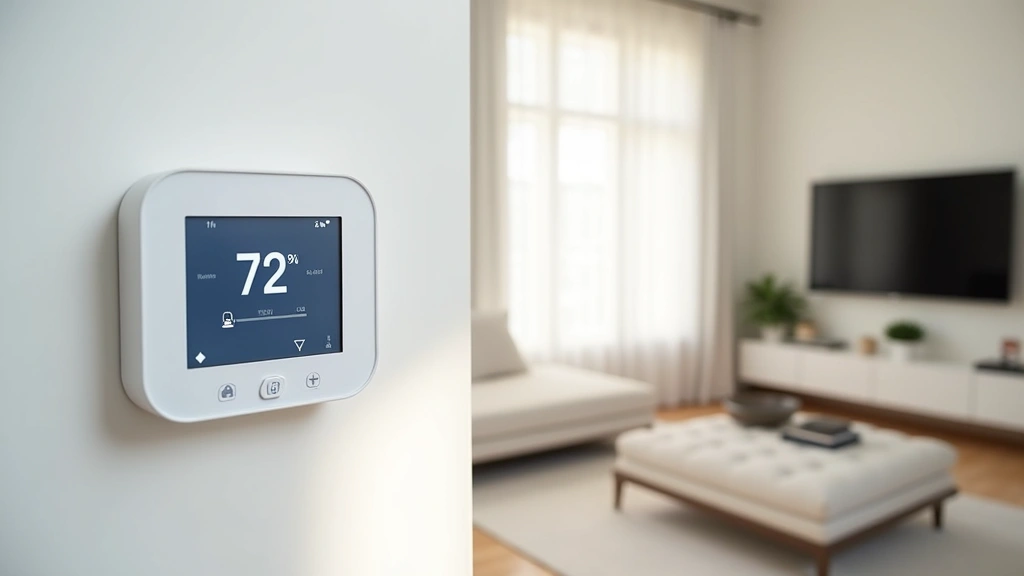
Smart thermostats represent the cornerstone of modern AC tech gadgets, offering unprecedented control and efficiency improvements. These devices learn your daily routines, adjust temperatures automatically, and provide detailed energy consumption reports through mobile applications. Leading options in this category combine machine learning algorithms with intuitive user interfaces, making climate control more accessible than ever.
The best smart thermostats feature remote access capabilities, allowing you to adjust your home’s temperature from anywhere using your smartphone. Integration with voice assistants like Alexa and Google Assistant enables hands-free temperature adjustments, while geofencing technology automatically adjusts settings based on your location. Many models include humidity sensors and air quality monitoring, providing comprehensive environmental control beyond simple temperature regulation.
When evaluating smart thermostats, consider compatibility with your existing HVAC system, installation requirements, and available integrations with other technology and artificial intelligence transforming your future. Premium models from established manufacturers typically offer superior build quality and more reliable cloud connectivity. Energy savings typically range from 10-15% annually, with many users recouping their investment within 12-18 months through reduced utility bills.
Portable AC Units
Portable air conditioning units have become increasingly sophisticated, offering viable alternatives to window-mounted or central systems. Modern portable AC gadgets feature improved cooling capacity, quieter operation, and smart controls that rival their stationary counterparts. These devices appeal to renters, apartment dwellers, and anyone seeking flexible cooling solutions without permanent installation.
Contemporary portable AC units incorporate advanced compressor technology and dual-hose systems that maximize cooling efficiency while minimizing energy consumption. Many feature programmable timers, sleep modes that gradually raise temperatures to save energy, and smartphone connectivity for remote monitoring. The latest models employ eco-friendly refrigerants and include washable filters, reducing environmental impact and maintenance costs.
Key specifications to evaluate include BTU (British Thermal Units) rating, noise levels measured in decibels, and cooling coverage area. A quality portable unit should include a dehumidification function, adjustable fan speeds, and multiple cooling modes. For those concerned about noise, look for units operating below 50 decibels, which remain quiet enough for bedroom use. External reviews from CNET provide comprehensive testing data on portable AC performance and reliability.

Window-Mounted Air Conditioners
Window air conditioning units remain popular for their straightforward installation and cost-effectiveness. Modern window-mounted AC tech gadgets have evolved significantly, incorporating smart features previously exclusive to premium systems. These units provide excellent cooling capacity for individual rooms while maintaining affordability and reliability.
Contemporary window AC units feature programmable thermostats, multiple cooling speeds, and energy-saving modes that reduce electricity consumption during off-peak hours. Many include remote controls and increasingly offer smartphone app integration for monitoring and adjustment. Installation remains relatively simple compared to central systems, making window units ideal for renters or temporary cooling solutions.
When selecting window AC units, verify your window dimensions and weight capacity, as these factors determine compatibility. Energy efficiency ratings (EER) indicate how effectively units convert electricity into cooling power, with higher ratings representing better efficiency. Look for units with washable filters, adjustable louvers for directional cooling, and vibration-dampening features that minimize operational noise.
Central AC Monitoring Devices
For homeowners with existing central air systems, advanced monitoring gadgets offer insights into system performance and energy usage without requiring complete system replacement. These devices track cooling cycles, temperature distribution across rooms, and system efficiency metrics that help identify maintenance needs before costly problems develop.
Smart monitoring systems include wireless sensors placed throughout your home that measure temperature and humidity in different zones. This data feeds into a central hub that communicates with your smartphone, providing real-time system status and historical performance trends. Many systems integrate with smart home platforms, enabling automated responses to changing conditions or manual adjustments through voice commands.
Installing monitoring devices requires minimal technical expertise, typically involving placement of wireless sensors and connection of a central hub to your WiFi network. These systems provide valuable data for optimizing your existing AC setup, identifying room-to-room temperature inconsistencies, and detecting potential system failures. Integration with cloud computing benefits enables remote diagnostics and predictive maintenance alerts.
Ductless Mini-Split Systems
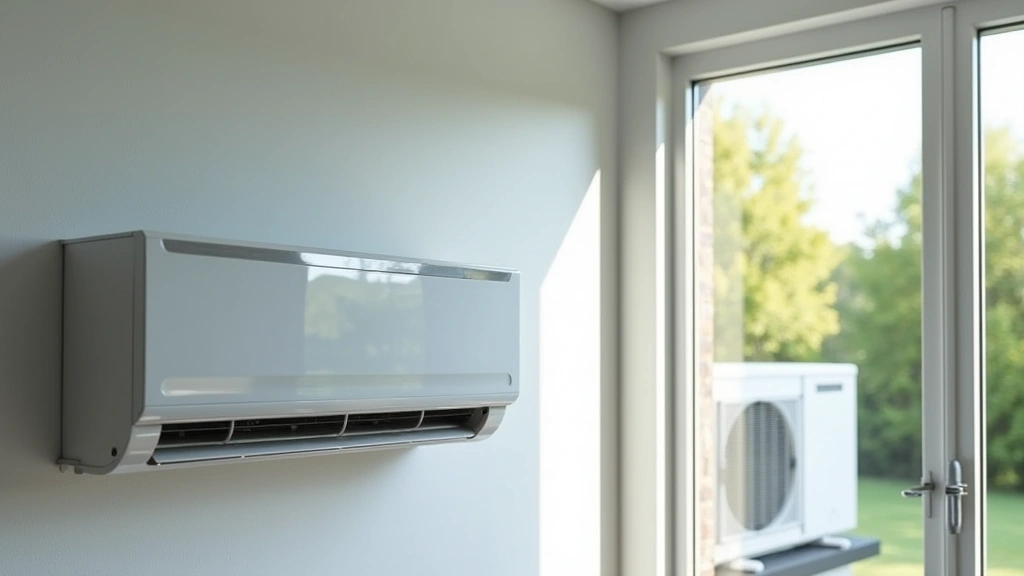
Ductless mini-split air conditioning systems represent a sophisticated middle ground between portable units and full central systems. These AC tech gadgets offer zone-based cooling, allowing different areas of your home to maintain independent temperatures. They provide superior efficiency compared to traditional window units while avoiding the complexity and cost of installing ductwork.
Modern ductless systems feature inverter compressors that adjust cooling output based on actual demand, reducing energy consumption significantly. Multiple indoor units connect to a single outdoor condenser, each with independent controls and temperature settings. Smart models include WiFi connectivity, allowing remote monitoring and adjustment through dedicated mobile applications.
Installation requires professional assistance to properly position indoor units, run refrigerant lines, and calibrate the system. However, once operational, these systems deliver exceptional performance with minimal maintenance requirements. Noise levels typically range from 22-32 decibels, making them suitable for bedrooms and quiet spaces. For detailed technical specifications, consult The Verge’s technology reviews covering HVAC innovations.
Energy Management Gadgets
Dedicated energy management devices provide comprehensive insights into how your AC system impacts your electricity consumption. These smart monitors measure power usage in real-time, identify peak consumption periods, and suggest optimization strategies. By understanding your cooling costs, you can make informed decisions about system upgrades or behavioral changes that reduce expenses.
Advanced energy monitoring gadgets integrate with smart home systems, automatically adjusting AC settings during peak pricing hours or when renewable energy generation is high. Some models include machine learning capabilities that predict energy costs based on weather forecasts and historical usage patterns. This data empowers homeowners to shift cooling loads to off-peak hours, potentially reducing electricity bills by 20-30%.
When evaluating energy management systems, prioritize devices offering granular data tracking, historical trend analysis, and integration with your utility provider’s pricing information. Ensure compatibility with your specific AC system type and existing smart home infrastructure. Many utilities offer rebates for installing qualified energy monitoring equipment, effectively subsidizing your purchase.
Air Quality Integration
Modern AC tech gadgets increasingly incorporate air quality monitoring and improvement features. These integrated systems measure particulate matter, allergens, and volatile organic compounds while cooling, creating healthier indoor environments. Smart air filtration works seamlessly with your cooling system, improving overall home comfort and potentially reducing allergies and respiratory issues.
Advanced AC units now feature HEPA filtration, activated carbon filters, and UV-C light technology that eliminates bacteria and viruses. Some models include real-time air quality sensors that automatically adjust filtration intensity based on detected pollutant levels. Integration with your home’s overall environmental controls ensures that cooling, heating, and air purification operate harmoniously.
For those seeking to improve indoor air quality alongside cooling, consider systems offering particulate monitoring, humidity control, and automated filter replacement notifications. These comprehensive solutions address multiple aspects of home climate management through a single integrated interface. Learn more about technology solutions for various applications that incorporate similar smart features.
FAQ
What’s the difference between BTU and EER ratings for AC units?
BTU (British Thermal Units) measures the cooling capacity of an air conditioning unit, indicating how much heat it can remove per hour. EER (Energy Efficiency Ratio) measures how efficiently the unit converts electricity into cooling power, calculated by dividing BTU output by watts consumed. A higher EER rating indicates better energy efficiency and lower operating costs. For example, a unit with 10,000 BTU and 1,000 watts has an EER of 10, while the same capacity at 1,200 watts has an EER of 8.33, making the first unit more efficient.
Can I install a smart thermostat with my existing AC system?
Most modern smart thermostats are compatible with standard central air systems, but compatibility depends on your specific HVAC setup. Before purchasing, verify that your system uses a 24-volt transformer, which most residential systems do. Some older systems or heat pumps may require additional considerations. Many manufacturers provide compatibility checking tools on their websites, and professional HVAC technicians can confirm compatibility before installation. Visit Tech Pulse Hunter Blog for additional guidance on smart home integration challenges.
How much can I save with energy-efficient AC gadgets?
Energy savings vary based on your current system, local climate, and usage patterns, but most homeowners report 10-30% reductions in cooling costs. Smart thermostats typically deliver 10-15% savings, while upgrading to a high-efficiency central system can reduce costs by 20-40%. Portable units and window AC units with smart controls generally provide 10-20% savings. The actual savings depend on your utility rates, how aggressively you use cooling, and the age of your previous equipment. Many systems pay for themselves within 2-5 years through energy savings alone.
What maintenance do AC tech gadgets require?
Smart AC systems require minimal maintenance compared to traditional units. Most need filter changes every 1-3 months depending on usage and air quality. Clean outdoor condenser units annually by removing debris and gently rinsing with water. Check refrigerant levels annually and have professional inspections every 1-2 years to ensure optimal performance. Smart monitoring systems alert you to maintenance needs, helping prevent costly repairs. For detailed guidance, consult the comprehensive tips and solutions for maintaining your technology systems.
Are ductless mini-split systems worth the investment?
Ductless mini-split systems offer excellent value for homes without existing ductwork, those seeking zone-based cooling, or anyone prioritizing energy efficiency. Installation costs typically range from $3,000-$8,000, but energy savings of 30-40% compared to window units or portable AC can justify the investment over 5-10 years. They provide superior comfort through independent temperature control in different areas, quieter operation, and longer equipment lifespan. For homes with existing ductwork, central AC may offer better value, but mini-splits excel in specific situations.
How do smart thermostats learn my preferences?
Smart thermostats use machine learning algorithms that analyze your temperature adjustments over time, identifying patterns in your daily routines and seasonal preferences. After 1-2 weeks of operation, these systems begin automatically adjusting temperatures based on detected patterns, time of day, and day of week. Advanced models also incorporate weather forecasts, adjusting settings preemptively before outdoor temperature changes. Geofencing features add another layer, warming or cooling your home in anticipation of your arrival. This learning capability becomes more sophisticated over time, continuously optimizing for your specific comfort preferences and energy efficiency goals.


