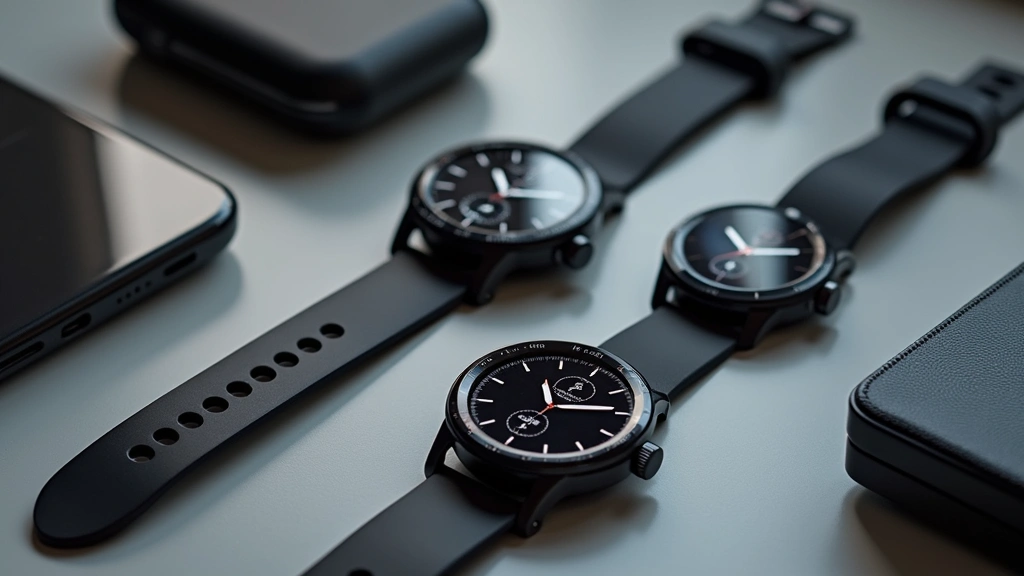
Best Smartwatches 2023? Expert Insights for Tech-Savvy Users
The smartwatch market has exploded into a sophisticated ecosystem of wearable technology, offering far more than simple time-telling devices. Whether you’re managing your academic calendar, tracking fitness metrics, or staying connected during city commutes, today’s smartwatches deliver powerful features packed into elegant designs. Our expert analysis covers the top contenders that dominated 2023, examining their capabilities, performance benchmarks, and real-world applications for different user profiles.
With advancements in processor technology, battery optimization, and health monitoring sensors, smartwatches have become essential companions for professionals, students, and fitness enthusiasts alike. This comprehensive guide explores the devices that set industry standards, comparing specifications, design philosophies, and value propositions to help you make an informed purchasing decision. We’ve tested leading models extensively to provide insights that go beyond marketing claims.
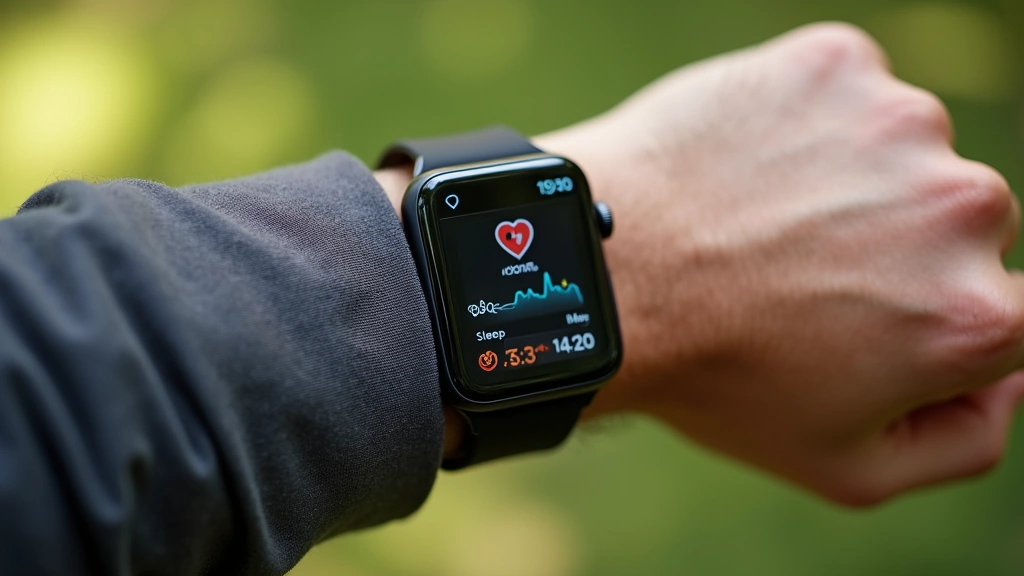
Apple Watch Series 9: Premium Performance Standard
Apple’s Series 9 represents the pinnacle of smartwatch engineering, combining powerful processing capabilities with seamless ecosystem integration. The S9 chip delivers unprecedented computational performance while maintaining exceptional battery efficiency. For students managing complex schedules through TechPulse Hunter Blog resources, the Always-On Retina display provides instant access to calendar information without raising your wrist.
The Series 9 excels in health monitoring, featuring advanced ECG capabilities, blood oxygen tracking, and temperature sensing for cycle tracking. The device’s water resistance rating of 50 meters enables confident swimming and water sports participation. Processing power rivals many smartphones from just a few years ago, enabling sophisticated apps and computational tasks directly on your wrist. The S9 dual-core processor ensures smooth performance across demanding applications.
Battery life reaches approximately 18 hours under typical usage, though intensive workouts and always-on display mode reduce this to 16 hours. The fast-charging capability means you can achieve 80% charge in roughly 45 minutes. Integration with iPhone, iPad, and Mac creates a unified experience that’s difficult to replicate elsewhere. For professionals in tech-focused environments, the seamless handoff between devices streamlines workflow significantly.
Apple’s watchOS 10 operating system provides intuitive navigation through a circular interface optimized for small screens. The App Store ecosystem offers thousands of applications, from productivity tools to specialized fitness trackers. Health data synchronization with Apple Health ensures comprehensive wellness tracking across your entire Apple ecosystem. For city tech workers, the ability to receive detailed notifications and respond to messages directly from your wrist proves invaluable.
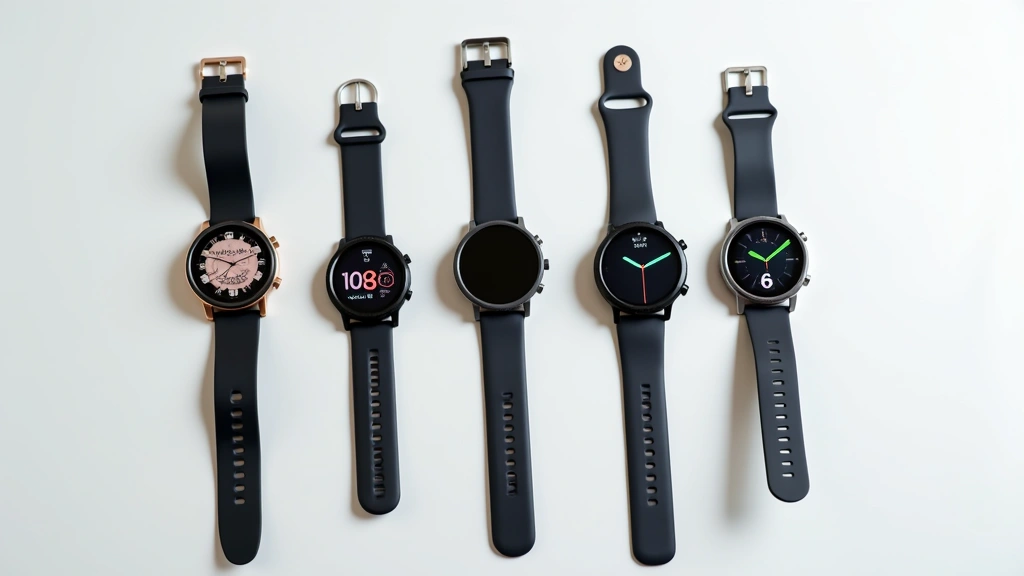
Samsung Galaxy Watch 6: Android Excellence
Samsung’s Galaxy Watch 6 stands as the most compelling alternative for Android users, delivering a feature-rich experience that matches Apple’s offerings in many categories. The 1.3-inch AMOLED display with 432×432 pixel resolution provides crisp, vibrant visuals that remain readable in sunlight. The rotating bezel interface offers intuitive navigation that many users find more ergonomic than digital crown systems.
Powered by Samsung’s Exynos W920 processor, the Galaxy Watch 6 handles multitasking smoothly with 2GB of RAM and up to 16GB storage capacity. Health tracking capabilities include heart rate monitoring, SpO2 measurement, and stress tracking through Samsung Health integration. The device supports advanced workout modes exceeding 100 different exercise types, providing comprehensive fitness analytics for serious athletes.
Battery performance reaches approximately 40 hours under moderate usage conditions, significantly outpacing most competitors. The fast-charging technology delivers sufficient charge for a full day in just 30 minutes. Water resistance rated to 50 meters enables confident aquatic activities. For users interested in technology and artificial intelligence transforming devices, Samsung’s implementation of AI-powered health insights proves particularly sophisticated.
Wear OS 3 provides access to Google Play Store applications, offering flexibility that Android enthusiasts appreciate. Google Assistant integration enables voice commands directly from your wrist, streamlining daily tasks. Samsung Pay functionality supports contactless payments at millions of merchants globally. The bioactive sensor array represents Samsung’s most advanced health monitoring implementation to date.
Garmin Epix Gen 2: Outdoor Adventure Specialist
Garmin’s Epix Gen 2 targets outdoor enthusiasts and athletes requiring specialized navigation capabilities. The AMOLED display technology combined with Garmin’s legendary mapping expertise creates an unparalleled outdoor smartwatch experience. The device includes comprehensive topographic maps for worldwide navigation, enabling backcountry exploration with confidence.
Advanced sports tracking encompasses over 30 different activities, each with specialized metrics and analysis tools. The multi-band GPS receiver provides accurate positioning across challenging terrain where traditional single-band systems struggle. Training load balance algorithms help optimize workout intensity, recovery periods, and performance progression. For athletes pursuing systematic training improvements, Garmin’s coaching algorithms prove exceptionally valuable.
Battery longevity reaches approximately 11 days in smartwatch mode or 42 hours in GPS mode, exceptional performance for a device with AMOLED display technology. The solar charging capability extends battery life during outdoor activities. Water resistance rated to 100 meters supports diving applications beyond typical smartwatch capabilities. Temperature resistance ranging from -20°C to 60°C ensures reliability across extreme environments.
Garmin Connect provides comprehensive training analytics, social features, and integration with popular fitness platforms. The body battery feature calculates energy reserves based on physiological metrics, helping users optimize daily activities. Music storage capacity reaches 2GB, enabling offline listening during remote activities. For outdoor professionals working in tech-adjacent roles, the Epix Gen 2 combines durability with advanced functionality.
Fitbit Sense 2: Health-Focused Innovation
Fitbit’s Sense 2 prioritizes comprehensive health monitoring over flashy features, making it ideal for users concerned with wellness metrics. The EDA sensor technology measures electrodermal activity for stress detection, complementing traditional heart rate and sleep tracking. Advanced sleep analysis provides detailed insights into sleep stages and quality factors affecting recovery.
The cEDA app guides users through stress management exercises, providing real-time biometric feedback. Skin temperature sensing enables menstrual cycle tracking and illness detection through subtle physiological changes. Heart rate variability analysis offers insights into autonomic nervous system balance, useful for athletes and health-conscious individuals. The SpO2 tracking provides continuous blood oxygen monitoring during sleep and wakefulness.
Battery life extends to approximately 6 days under typical usage, competitive with most mainstream smartwatches. The AMOLED display offers excellent visibility while maintaining power efficiency. Water resistance rated to 50 meters enables swimming activities. Integration with Google Fit provides data synchronization across the Google ecosystem, beneficial for users already invested in Google services.
Fitbit Premium subscription unlocks advanced analytics, personalized insights, and exclusive workouts. The health metrics dashboard consolidates wellness data into actionable intelligence. SpO2 trends help identify potential health concerns requiring medical attention. For academic professionals tracking wellness during intensive study periods, Fitbit’s health-centric approach provides valuable perspective on lifestyle impacts.
Budget-Friendly Alternatives Worth Considering
Not every user requires flagship functionality or premium pricing. Several excellent smartwatches deliver impressive value at lower price points. The Amazfit GTS 4 provides AMOLED display technology, comprehensive health tracking, and 14-day battery life at fraction of premium device costs.
Xiaomi’s Watch S1 Active combines elegant design with solid performance metrics, including GPS, heart rate monitoring, and 10-day battery life. The device supports over 100 workout modes with professional-grade analytics. For budget-conscious buyers, Xiaomi represents exceptional value without sacrificing essential functionality.
Huawei’s Watch 3 offers comprehensive health monitoring, standalone connectivity options, and elegant design at mid-range pricing. The device includes blood oxygen monitoring, stress tracking, and sleep analysis. HarmonyOS operating system provides smooth performance despite lower processor specifications compared to flagship models.
Key Features Comparison Matrix
Understanding how top smartwatches compare across essential specifications helps narrow selection based on personal priorities. Display technology varies between AMOLED (superior colors, higher power consumption) and E-ink (lower power, limited colors). Battery life ranges from 16 hours (Apple Series 9) to 42 hours GPS mode (Garmin Epix). Health sensors differ significantly, with some devices offering EDA sensors while others focus on traditional biometrics.
Operating system choice significantly impacts app availability and ecosystem integration. iOS users benefit from Apple Watch’s seamless integration, while Android users gain flexibility through Wear OS. Water resistance ratings determine suitability for swimming, snorkeling, or diving activities. Processor performance affects app responsiveness and computational capabilities.
For students managing academic demands alongside best laptops for students, smartwatch responsiveness during intensive computing periods proves important. Notification management features vary, with some devices offering intelligent filtering while others display everything. Customization options through watch faces and bands appeal to users valuing personalization.
Selecting Your Perfect Smartwatch
Choosing the ideal smartwatch requires honest assessment of your specific needs rather than pursuing maximum specifications. Consider your primary use case: fitness tracking, health monitoring, productivity enhancement, or outdoor navigation. Ecosystem compatibility should match your existing devices—iPhone users gain maximum benefit from Apple Watch, while Android users should prioritize Samsung or Wear OS options.
Evaluate your lifestyle’s demands: will you swim regularly, requiring water resistance? Do you need extended battery life for outdoor activities? Are you interested in advanced health metrics beyond basic heart rate tracking? Budget constraints significantly influence available options, though excellent devices exist across all price ranges.
For professionals interested in how to upgrade laptop memory and similar technical pursuits, smartwatches offering computational power and app development support prove valuable. Consider future-proofing: which platform likely receives longer software support? Which ecosystem aligns with your long-term technology investments?
Test devices before purchasing when possible—wrist fit, display readability, and interface intuitiveness vary significantly between models. Read professional reviews from The Verge’s comprehensive smartwatch reviews and CNET’s wearable technology coverage for detailed technical analysis. Consider DC Rainmaker’s in-depth sports watch testing methodology if fitness tracking represents your primary concern.
Explore GSMArena’s device specifications database for detailed technical comparisons. Subscribe to professional tech publications for ongoing updates as manufacturers release new models. Join user communities discussing real-world experiences with specific devices—these insights often reveal practical considerations overlooked in marketing materials.
For users working in city tech environments or managing complex cloud computing benefits for businesses, smartwatch notification management and productivity features deserve careful evaluation. Remember that “best” varies by individual—the perfect smartwatch matches your specific requirements and usage patterns rather than pursuing universal acclaim.
Frequently Asked Questions
Which smartwatch offers the longest battery life?
Garmin Epix Gen 2 achieves approximately 11 days in smartwatch mode, far exceeding most competitors. Samsung Galaxy Watch 6 reaches 40 hours, while fitness-focused models like Amazfit provide even longer endurance through simpler displays and less powerful processors. Battery life inversely correlates with display technology sophistication—AMOLED screens consume significantly more power than E-ink alternatives.
Are smartwatches accurate for health tracking?
Smartwatch sensors provide reliable approximations useful for trend analysis and general wellness monitoring. Heart rate accuracy typically ranges 85-95% compared to clinical equipment, sufficient for fitness tracking but not medical diagnostics. Blood oxygen measurements offer similar accuracy levels. For medical-grade precision, dedicated diagnostic equipment remains necessary, though smartwatch data provides valuable baseline information for healthcare professionals.
Can I use a smartwatch without a smartphone?
Most smartwatches require smartphone pairing for full functionality, though some offer limited standalone capabilities. Garmin watches provide comprehensive functionality through built-in GPS and offline maps. Cellular-equipped models enable calls and messages without nearby phones. However, app installation and firmware updates typically require smartphone connection regardless of standalone capabilities.
How often should I replace my smartwatch?
Smartwatches typically remain viable for 3-4 years before hardware degradation significantly impacts functionality. Software support varies by manufacturer—Apple provides updates for 5+ years, while Android manufacturers typically offer 3 years. Battery degradation becomes noticeable after 18-24 months of regular use. Replacement timing depends on personal tolerance for aging hardware and availability of compelling new features.
Which smartwatch works best with the future of artificial intelligence applications?
Apple Watch Series 9 and Samsung Galaxy Watch 6 receive most AI-powered features from their respective ecosystems. Google’s Wear OS integration with Gemini AI provides increasingly sophisticated capabilities. Garmin focuses on specialized AI for sports analytics rather than general-purpose artificial intelligence. As AI implementation evolves across platforms, flagship models receive features first before trickling to budget alternatives.


