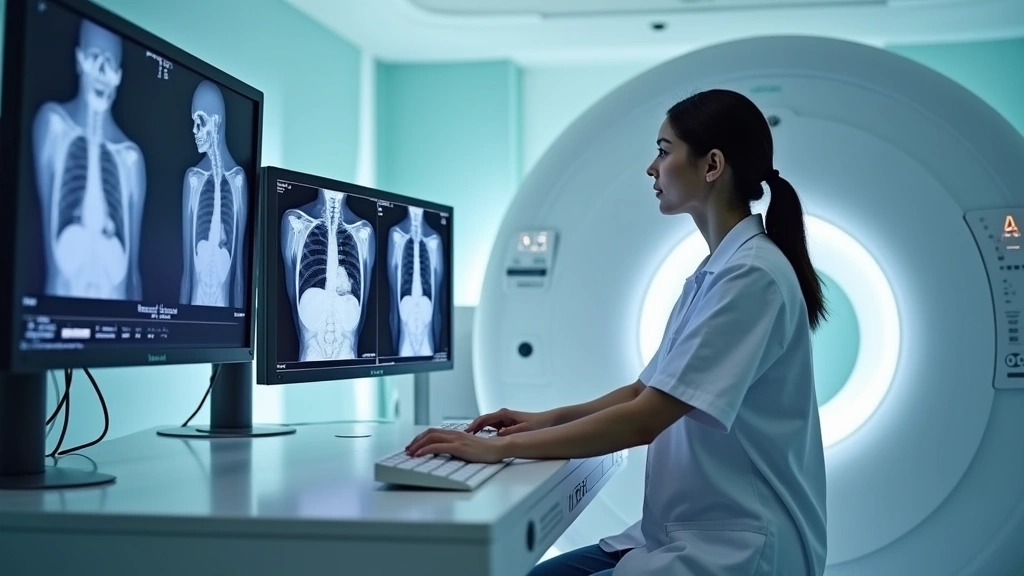
The healthcare technology landscape is rapidly evolving, and radiology has become one of the most dynamic fields within medical imaging. Accelerated radiology technician programs represent a game-changing opportunity for students seeking to enter this high-demand profession without sacrificing educational rigor. These compressed curricula condense traditional two-year programs into intensive 12-18 month formats, combining hands-on clinical training with cutting-edge diagnostic imaging technology. As healthcare facilities increasingly adopt advanced imaging systems and AI-enhanced diagnostic tools, the demand for skilled radiologic technologists has reached unprecedented levels, making accelerated programs an attractive pathway for career-focused individuals.
Unlike conventional educational routes, fast-track radiology tech programs maintain accreditation standards while optimizing curriculum efficiency through year-round scheduling, streamlined prerequisites, and focused clinical rotations. Students gain proficiency with computed radiography (CR), digital radiography (DR), fluoroscopy, computed tomography (CT), and magnetic resonance imaging (MRI) systems. The competitive nature of these programs ensures that graduates emerge as highly capable professionals ready to contribute meaningfully to diagnostic imaging departments. This comprehensive ranking explores the top accelerated radiology technology programs, examining their curriculum structure, clinical partnerships, certification outcomes, and career placement statistics.
Program Structure and Curriculum Design
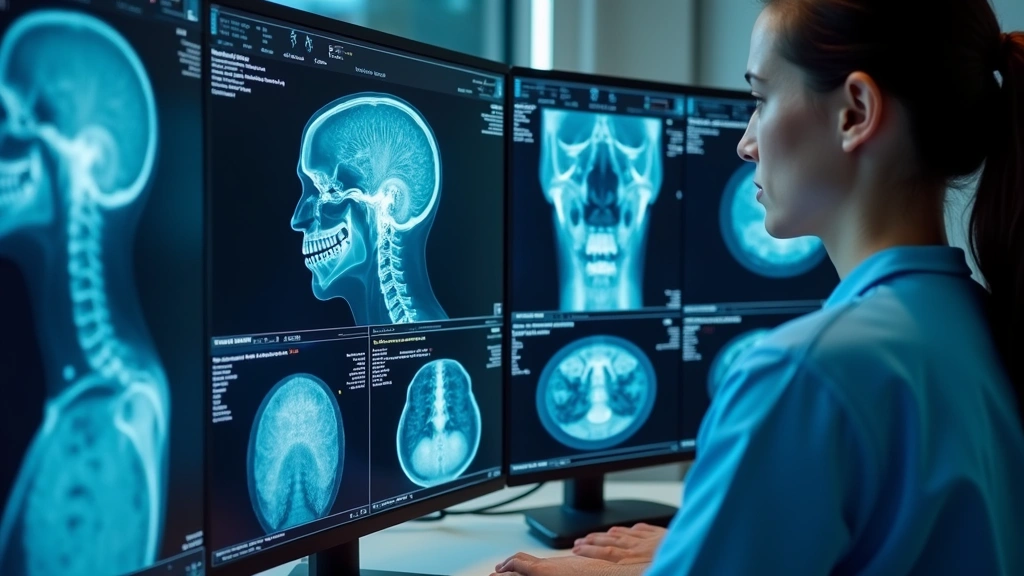
Accelerated radiology technician programs represent a significant departure from traditional educational models by compressing comprehensive training into abbreviated timeframes. The typical structure involves intensive coursework spanning 12 to 18 months, often requiring year-round enrollment including summer sessions. These programs typically demand completion of prerequisite courses in anatomy, physiology, medical terminology, and basic sciences before formal enrollment, establishing a strong foundational knowledge base that allows for rapid advancement through specialized imaging content.
The curriculum emphasizes both theoretical understanding and practical application, with students spending approximately 40-50% of their time in classroom settings and 50-60% in clinical environments. Core coursework includes radiographic positioning and techniques, radiation physics and protection, image evaluation, patient care and safety, and medical ethics. Students also engage with technology and artificial intelligence transforming diagnostic imaging, learning how machine learning algorithms enhance image analysis and streamline workflow efficiency. Advanced modules cover specialty imaging modalities including digital mammography, interventional radiography, and cross-sectional imaging techniques.
One distinguishing feature of accelerated programs is their emphasis on competency-based progression rather than time-based advancement. Students must demonstrate mastery of specific clinical skills and theoretical concepts before progressing to subsequent modules. This approach ensures that graduates possess genuine proficiency with imaging equipment and diagnostic protocols, rather than simply completing required hours. Many programs employ standardized competency assessments aligned with American Registry of Radiologic Technologists (ARRT) examination content, providing students with targeted preparation for certification.
Top-Ranked Accelerated Programs
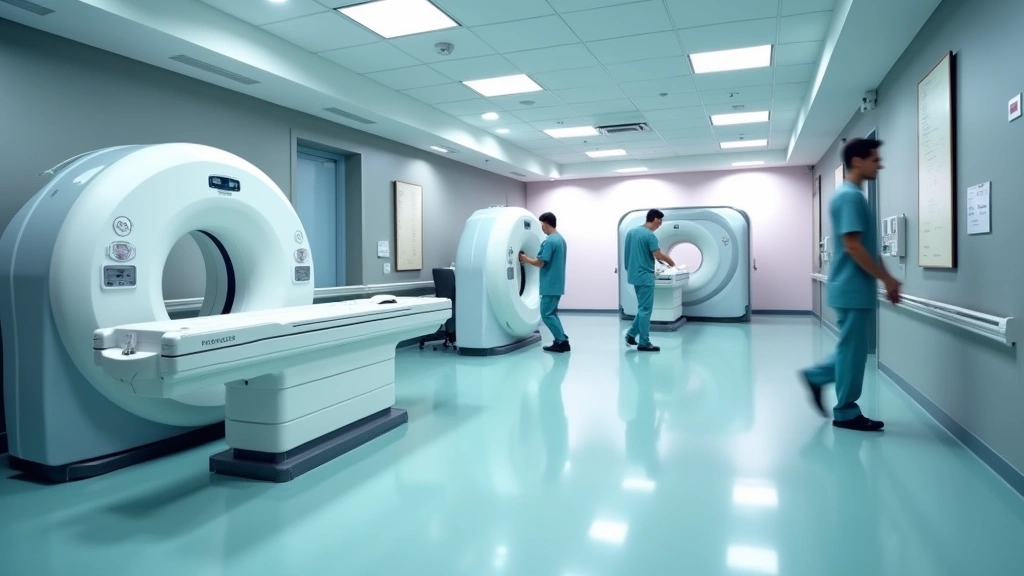
University of California, San Diego Extension Radiologic Technology Program consistently ranks among the nation’s premier accelerated radiology tech initiatives. This 12-month intensive program combines rigorous classroom instruction with clinical rotations at multiple affiliated hospitals and imaging centers. The program maintains a 96% first-time pass rate on the ARRT examination, significantly exceeding national averages. Students gain exposure to state-of-the-art imaging equipment including 3D mammography systems, advanced CT scanners, and interventional suites. The program’s partnerships with leading healthcare institutions ensure robust clinical training opportunities and frequently result in job placement before graduation completion.
Midwestern University Radiologic Sciences Program offers an accelerated 18-month pathway designed for career changers and motivated students. Located in Arizona with satellite locations, this program integrates comprehensive didactic instruction with extensive clinical experience across diverse healthcare settings. The curriculum emphasizes patient safety, radiation protection, and image quality optimization. Graduates report exceptional career outcomes, with over 94% employment within three months of certification. The program’s focus on evidence-based practice and quality improvement initiatives prepares graduates for leadership roles within imaging departments.
Mayo Clinic School of Health Sciences Radiologic Technology presents an elite accelerated option combining world-class clinical training with cutting-edge medical technology exposure. The 14-month program leverages Mayo Clinic’s extensive imaging infrastructure and innovative diagnostic capabilities. Students rotate through multiple imaging modalities and specialty services, gaining experience with advanced technologies rarely available in traditional programs. The clinical education emphasizes critical thinking, problem-solving, and collaborative healthcare delivery. Mayo-trained graduates command premium positioning in the job market and frequently advance to specialized imaging roles or leadership positions.
Beaumont School of Radiologic Technology operates an intensive 15-month program within a comprehensive healthcare system spanning multiple Michigan locations. The curriculum integrates didactic coursework with progressive clinical responsibility, allowing students to develop genuine expertise with imaging systems and protocols. The program maintains strong relationships with area employers, facilitating clinical placements and post-graduation employment opportunities. Students consistently achieve high certification examination scores and demonstrate strong clinical competency upon program completion.
University of New Mexico Health Sciences Center offers a 12-month accelerated program balancing rigorous academic requirements with practical clinical training. The program serves as a regional leader in radiologic technology education, with graduates dispersing throughout the Southwest and beyond. The curriculum incorporates emerging imaging technologies and emphasizes cultural competency and patient-centered care. Program graduates maintain a 98% first-time ARRT pass rate, among the highest nationally.
Clinical Training and Hands-On Experience
Clinical training represents the cornerstone of effective radiology technology education, and accelerated programs maintain rigorous standards for hands-on experience despite compressed timelines. Most programs require 2,000-2,400 clinical hours distributed across various imaging modalities and healthcare settings. Unlike traditional programs that may concentrate clinical experience in single facilities, accelerated programs often coordinate rotations across multiple partner institutions, exposing students to diverse patient populations, equipment configurations, and clinical protocols.
Students typically begin clinical rotations concurrently with foundational coursework, starting with basic radiographic positioning under direct supervision. As theoretical knowledge accumulates, students assume progressively greater responsibility for image acquisition, patient positioning, and quality assurance. By program completion, students function as competent radiologic technologists capable of independent image acquisition, patient care delivery, and equipment operation. Advanced rotations often include specialty services such as interventional radiology, cardiac catheterization laboratories, and cross-sectional imaging departments where students work alongside experienced technologists and physicians.
Many programs incorporate clinical preceptor models where individual faculty technologists mentor students through specific competencies. This personalized instruction accelerates skill development and ensures individualized attention to learning needs. Programs like those at Mayo Clinic and University of California, San Diego leverage their extensive imaging infrastructure to provide students exposure to cutting-edge medical technology and diagnostic innovations unavailable in smaller facilities. Such experiences provide competitive advantages during job searching and enable graduates to contribute immediately to modern imaging departments.
Quality assurance and image evaluation form critical components of clinical training. Students learn to identify positioning errors, technical artifacts, and image quality issues, developing the critical eye necessary for diagnostic competency. Accelerated programs emphasize rapid skill development in these areas through structured competency assessments and regular feedback mechanisms. Students must demonstrate proficiency in positioning, technique selection, radiation protection, and patient communication before advancing to subsequent clinical modules.
Certification and Licensing Pathways
Completion of an accelerated radiology technology program positions graduates for American Registry of Radiologic Technologists (ARRT) certification examination eligibility. The ARRT certification represents the gold standard credential in radiologic technology, demonstrating comprehensive knowledge and clinical competency. Most states require ARRT certification or equivalent credentials for radiologic technologist licensure, making certification examination success essential for career progression.
Accelerated programs maintain impressive ARRT pass rate statistics, with top-ranked programs consistently achieving 94-98% first-time pass rates compared to the national average of approximately 85-90%. This superior performance reflects rigorous curriculum design, competency-based progression, and targeted examination preparation. Many programs incorporate ARRT examination review modules into their final curriculum weeks, ensuring students receive comprehensive content review and test-taking strategy instruction. Some programs offer conditional hiring arrangements where employers extend job offers contingent upon successful certification examination completion, providing financial security and motivation for graduates.
Beyond initial ARRT certification, radiologic technologists must maintain continuing education credentials to sustain professional licensure. Most states require 24-36 continuing education hours biennially. Accelerated program graduates frequently pursue advanced certifications in specialty modalities including CT, MRI, mammography, and vascular interventional radiography. These advanced credentials expand career opportunities and enable specialization within specific imaging domains. The rigorous foundational training provided by accelerated programs facilitates subsequent specialty certification achievement.
Technology Integration in Modern Programs
Contemporary accelerated radiology technology programs integrate sophisticated imaging equipment and digital workflow systems that mirror modern healthcare environments. Students gain hands-on experience with digital radiography systems, computed tomography scanners, magnetic resonance imaging systems, and ultrasound equipment. Many programs have invested in simulation laboratories featuring equipment identical to clinical systems, allowing students to practice techniques and troubleshoot issues in controlled educational environments before patient interaction.
The integration of cloud computing and data management systems increasingly influences radiology technology education. Students learn picture archiving and communication systems (PACS), electronic health records (EHR) integration, and digital workflow optimization. Understanding how imaging data flows through hospital information systems and connects with clinical decision support represents essential modern competency. Programs emphasize information security, patient privacy protection under HIPAA regulations, and appropriate data handling protocols.
Artificial intelligence and machine learning applications in radiology represent emerging educational priorities. Leading programs incorporate modules addressing AI-assisted image analysis, algorithm validation, and human-AI collaboration in diagnostic workflows. Students learn how deep learning algorithms detect abnormalities, optimize image reconstruction, and enhance diagnostic accuracy. This technological literacy prepares graduates for evolving clinical environments where AI augments rather than replaces human expertise. Understanding both the capabilities and limitations of AI systems enables technologists to serve as informed members of the diagnostic imaging team.
Radiation physics and protection technology also evolves within modern programs. Students master dose optimization strategies, understand low-dose imaging techniques, and learn emerging technologies that reduce patient radiation exposure. Programs emphasize evidence-based radiation protection principles and regulatory compliance requirements. Many programs incorporate digital dosimetry systems and real-time dose monitoring tools, ensuring students develop habits supporting radiation safety throughout their careers.
Career Outcomes and Job Placement
Graduates of top-ranked accelerated radiology technology programs enjoy exceptional career outcomes and employment opportunities. The Bureau of Labor Statistics projects 7% job growth for radiologic technologists through 2032, faster than average occupational growth. This robust demand stems from aging populations requiring increased diagnostic imaging, technological advancement enabling expanded imaging applications, and increasing healthcare facility investment in imaging infrastructure.
Employment settings for radiologic technologists span diverse healthcare environments including hospitals, outpatient imaging centers, physician offices, urgent care facilities, and specialty clinics. Many graduates begin careers in hospital-based imaging departments before transitioning to specialized roles or advanced positions. Average starting salaries for newly certified radiologic technologists range from $35,000 to $45,000 annually, with experienced technologists earning $55,000-$70,000 or more depending on location, specialization, and employer. Certain geographic regions and specialty modalities command premium compensation.
Accelerated program graduates frequently report rapid career advancement compared to peers from traditional programs. The intensive training and demonstrated competency facilitate quick transition from entry-level technologist roles to specialized positions or supervisory responsibilities. Many employers recognize accelerated program credentials as indicators of exceptional motivation and capability, leading to accelerated promotion timelines and expanded responsibility opportunities. Some graduates pursue advanced practice roles in radiologist assistant or clinical educator positions requiring additional education but building upon accelerated program foundations.
Job placement statistics from top programs typically exceed 90% within three months of graduation. Many programs maintain formal employer relationships facilitating clinical placements that transition into permanent employment. Employers actively recruit from recognized accelerated programs, knowing graduates possess strong foundational competencies and examination preparation. The concentrated training timeframe also appeals to employers seeking to rapidly build imaging department capacity or replace retiring technologists.
Choosing the Right Program
Selecting an optimal accelerated radiology technology program requires careful evaluation across multiple dimensions including accreditation status, program reputation, clinical partnership quality, and personal circumstances. Prospective students should verify that programs maintain accreditation from the Joint Review Committee on Education in Radiologic Technology (JRCERT), ensuring adherence to rigorous educational standards and quality assurance processes. JRCERT accreditation provides assurance that programs meet comprehensive requirements for curriculum design, faculty qualifications, clinical training, and student support services.
Program location and scheduling flexibility merit consideration, particularly for students with employment or family obligations. Some accelerated programs offer evening or weekend components, weekend-intensive formats, or hybrid online-classroom combinations facilitating part-time enrollment. However, the intensive nature of radiology technology education typically necessitates substantial time commitment regardless of format. Prospective students should honestly assess their capacity to dedicate 40-50 hours weekly to coursework and clinical training for 12-18 months.
Financial considerations significantly influence program selection. Tuition costs for accelerated programs typically range from $15,000 to $35,000 total, though costs vary substantially by institution and location. Prospective students should investigate financial aid availability, scholarship opportunities, employer tuition assistance programs, and payment plan options. Some employers offer tuition reimbursement for employees pursuing radiologic technology credentials, effectively reducing out-of-pocket costs. Long-term return on investment typically favors accelerated programs, as graduates enter the workforce 12 months earlier than traditional program counterparts, accelerating salary accumulation and career advancement.
Clinical partnership quality and diversity warrant careful evaluation. Programs affiliated with multiple healthcare facilities, specialty imaging centers, and teaching hospitals provide superior clinical exposure compared to programs concentrated in single locations. Prospective students should inquire about specific clinical sites, rotation opportunities, and equipment diversity available through the program. Speaking with current students and recent graduates provides authentic perspectives regarding clinical training quality and educational experiences.
Faculty expertise and student support services significantly influence educational outcomes. Programs employing experienced radiologic technologists as instructors and clinical educators provide superior mentorship and relevant professional guidance. Robust student support services including academic advising, examination preparation resources, and career counseling facilitate student success and program completion. Prospective students should evaluate these support infrastructure elements when comparing programs.
FAQ
How do accelerated radiology programs differ from traditional two-year programs?
Accelerated programs compress two-year curricula into 12-18 months through year-round scheduling, streamlined prerequisites, and intensive clinical experiences. They maintain rigorous accreditation standards while optimizing efficiency. Traditional programs distribute the same content across longer timeframes with more flexible scheduling. Both pathways lead to identical certification eligibility and career opportunities, though accelerated graduates enter the workforce sooner.
What prerequisites are required for accelerated radiology technology programs?
Most accelerated programs require high school graduation or GED, completion of prerequisite coursework in anatomy, physiology, medical terminology, and basic sciences, and satisfactory scores on entrance examinations such as the TEAS or HESI A2. Some programs require prior healthcare experience or college-level coursework. Specific requirements vary by institution, so prospective students should contact programs directly for detailed prerequisite information.
Can I work while completing an accelerated radiology program?
Working while completing an accelerated program presents significant challenges due to intensive coursework and extensive clinical requirements. Most students find full-time work incompatible with program demands. Part-time employment (10-15 hours weekly) may be feasible for some students, though this requires exceptional time management and strong organizational skills. Many students utilize savings, financial aid, or employer support to fund their education while focusing primarily on studies.
What is the job market like for radiology technologists?
The job market for radiologic technologists remains exceptionally strong, with the Bureau of Labor Statistics projecting 7% growth through 2032. Demand exceeds supply in many geographic regions, particularly rural areas and non-coastal metropolitan regions. Newly certified technologists can typically secure employment within weeks to months of graduation. Specialization in advanced modalities like CT or MRI enhances employment prospects and earning potential.
How much do radiologic technologists earn?
Starting salaries for newly certified radiologic technologists typically range from $35,000 to $45,000 annually, with significant geographic and employer variation. Experienced technologists earn $55,000-$70,000 or more, particularly those with specialty certifications or supervisory responsibilities. Certain regions, particularly those with high cost of living or provider shortages, offer premium compensation packages. Benefits including health insurance, retirement plans, and continuing education support add substantial value to compensation packages.
Are accelerated program graduates equally prepared as traditional program graduates?
Yes, accelerated program graduates meet identical accreditation standards and certification requirements as traditional program graduates. Top-ranked accelerated programs maintain superior first-time ARRT pass rates compared to national averages, demonstrating exceptional graduate preparation. Employers recognize accelerated program credentials as indicators of strong foundational competency. The intensive training and competency-based progression ensure graduates possess genuine expertise with imaging systems and clinical protocols.
What advanced certifications can radiologic technologists pursue?
Radiologic technologists can pursue advanced certifications in computed tomography (CT), magnetic resonance imaging (MRI), mammography, vascular interventional radiography, and other specialty modalities. These advanced credentials expand career opportunities, enable specialization, and typically result in increased compensation. Many employers offer tuition assistance for technologists pursuing advanced certifications, recognizing the value these credentials provide to imaging departments.


