Top MRI Tech Programs: Accredited List Inside
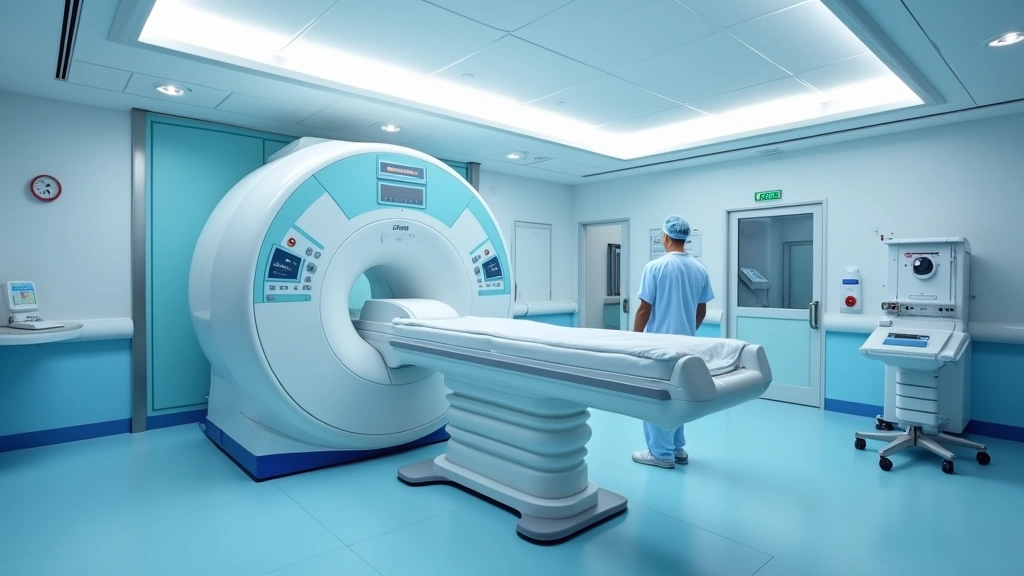
Medical imaging technology has revolutionized healthcare diagnostics, and MRI (Magnetic Resonance Imaging) technologists play a critical role in this field. If you’re considering a career in medical imaging, finding accredited MRI tech programs is essential for securing employment and ensuring quality education. This comprehensive guide explores the best accredited programs across the United States, their requirements, and what makes them stand out in the competitive healthcare technology landscape.
MRI technologists operate sophisticated magnetic resonance imaging equipment to capture detailed images of patients’ internal organs and tissues. The demand for qualified MRI professionals continues to grow, with the Bureau of Labor Statistics projecting steady job growth in medical imaging professions. Pursuing education through accredited programs ensures you receive standardized training, proper credentialing pathways, and recognition from employers nationwide.
Whether you’re a high school graduate exploring career options or a working professional seeking advancement, understanding your educational pathways is crucial. This guide breaks down everything you need to know about accredited MRI tech programs, including admission requirements, program structures, costs, and career prospects.
Why Accreditation Matters for MRI Programs
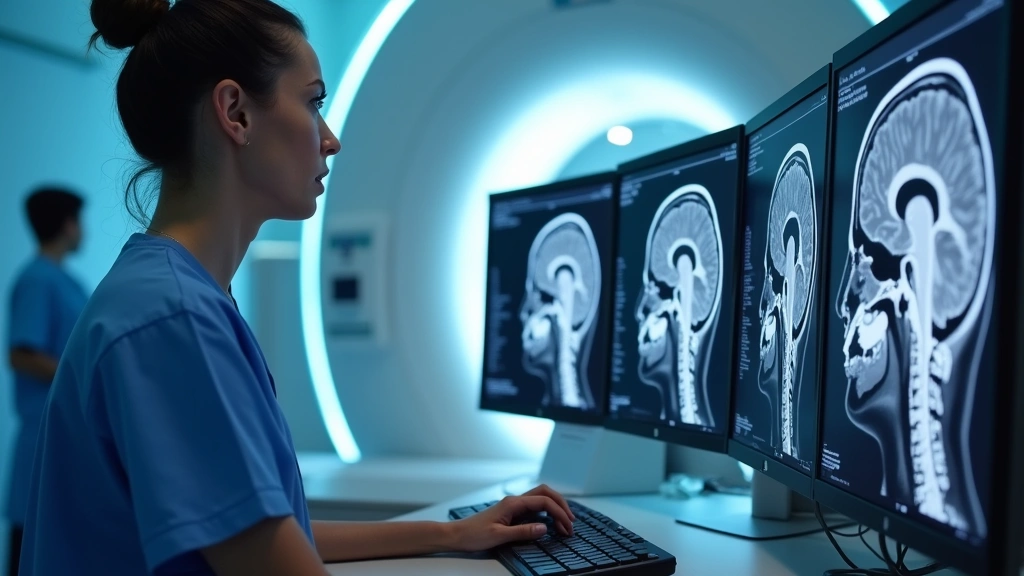
Accreditation serves as a quality assurance mechanism in educational institutions. When an MRI tech program is accredited by recognized bodies, it means the curriculum meets established standards set by industry professionals and regulatory agencies. The primary accrediting body for medical imaging programs in the United States is the Joint Review Committee on Education in Radiologic Technology (JRCERT).
Attending an accredited program provides numerous advantages. Graduates are eligible to sit for national certification examinations, which are often required by employers and state licensing boards. Employers specifically seek graduates from accredited institutions because they trust the educational quality and competency standards. Additionally, accreditation affects financial aid eligibility, transfer credits, and professional recognition.
The accreditation process involves rigorous evaluation of faculty qualifications, curriculum content, clinical training facilities, student support services, and learning outcomes. Programs must demonstrate that graduates achieve competency in MRI physics, patient safety, imaging protocols, and professional ethics. This standardization ensures consistency in training quality across different institutions.
Top Accredited MRI Tech Programs by Region
Northeast Region
The Northeast hosts several highly-regarded MRI technologist programs with strong clinical partnerships. Massachusetts General Hospital Institute of Health Professions offers a comprehensive MRI certification program with hands-on training in one of the nation’s leading medical centers. The program emphasizes advanced imaging techniques and patient care protocols.
University of Vermont College of Medicine provides an 18-month MRI program combining classroom instruction with extensive clinical rotations. Their curriculum covers MRI safety, image quality optimization, and advanced anatomical imaging.
Programs in Connecticut and Rhode Island also maintain strong accreditation status, with community colleges partnering with major hospitals to provide accessible entry-level and advanced MRI technician training.
Southeast Region
The Southeast offers numerous JRCERT-accredited programs through both university systems and hospital-based institutions. Emory University in Georgia operates a respected MRI program known for cutting-edge technology and research opportunities. Students gain experience with 3T and 1.5T MRI systems.
Duke University Medical Center in North Carolina integrates academic rigor with clinical excellence, offering students exposure to specialized MRI applications including cardiac imaging and neuroimaging.
Florida Atlantic University and several community colleges throughout Florida, Georgia, and North Carolina maintain accredited programs with flexible scheduling options for working adults.
Midwest Region
The Midwest features strong MRI programs at major academic medical centers. University of Wisconsin-Madison offers comprehensive MRI technology education with emphasis on patient safety and advanced imaging protocols. Their program benefits from partnerships with Wisconsin’s largest medical systems.
Mayo Clinic in Minnesota operates one of the nation’s premier MRI technologist programs, offering unparalleled clinical experience and mentorship from world-class imaging professionals.
Illinois, Indiana, and Ohio host multiple accredited programs through universities and teaching hospitals, providing accessible options across the region.
Southwest and West Region
Western programs include University of Arizona, which maintains strong accreditation and offers both certificate and degree pathways. The program emphasizes MRI physics and advanced clinical applications.
University of California institutions and Stanford Healthcare operate highly competitive programs with cutting-edge technology access and research opportunities. Southern California and Texas programs are also well-established, with multiple JRCERT-accredited institutions serving the region’s healthcare demands.
Admission Requirements and Prerequisites
Most accredited MRI tech programs require a high school diploma or GED as the minimum educational prerequisite. However, many competitive programs prefer applicants with some college coursework, particularly in sciences.
Standard prerequisites typically include:
- High school diploma or equivalent (GED)
- Minimum GPA of 2.5 to 3.0 (varies by institution)
- Passing scores on entrance examinations (TEAS, HESI, or ACT)
- Background check and drug screening clearance
- CPR certification (BLS for Healthcare Providers)
- Proof of immunizations and health screening
- Strong communication and interpersonal skills
Many programs also recommend completing prerequisite courses in anatomy, physiology, and physics before enrollment. Some institutions offer bridge programs or remedial coursework for students needing preparation. This preparation aligns with the broader educational technology landscape discussed in our guide about selecting appropriate technology tools for academic success.
Clinical experience, such as prior work in healthcare settings, strengthens applications but isn’t always required. Some programs prefer candidates with demonstrated commitment to healthcare careers through volunteer work or healthcare certifications like CNA or phlebotomy.
Types of MRI Tech Programs
Certificate Programs (12-18 Months)
Certificate programs provide focused, intensive training for individuals seeking rapid entry into the MRI field. These programs combine classroom instruction with clinical rotations, typically requiring 40-60 credit hours. Certificate holders are eligible to sit for ARRT certification examinations immediately upon completion.
Certificate programs work well for career changers and those with healthcare backgrounds. However, they don’t award academic degrees, which may limit future advancement opportunities in some healthcare systems.
Associate Degree Programs (24 Months)
Associate degree programs offer broader educational foundations while maintaining MRI specialization focus. Students complete general education requirements alongside MRI-specific coursework, earning an Associate of Applied Science degree. This pathway provides more flexibility for career transitions and further education.
Associate programs typically include 60-75 credit hours, incorporating English, mathematics, sciences, and professional development courses alongside MRI training. Graduates gain credentials for both MRI certification and broader healthcare advancement opportunities.
Bachelor’s Degree Programs (48 Months)
Bachelor’s degree programs in radiologic technology with MRI specialization provide comprehensive education for leadership and advanced practice roles. These four-year programs include extensive general education, professional courses, and specialized MRI training.
Bachelor’s graduates are well-positioned for supervisory roles, education positions, and specialized imaging centers. Many programs offer concentrations in advanced imaging modalities, allowing students to develop expertise in cardiac MRI, neuroimaging, or other specializations.
Certification and Professional Credentials
Obtaining professional certification distinguishes qualified MRI technologists and is often required by employers. The American Registry of Radiologic Technologists (ARRT) administers the MRI certification examination, the most widely recognized credential in the field.
ARRT MRI Certification Requirements:
- Graduation from JRCERT-accredited MRI program
- Passing score on ARRT MRI examination
- Ethical conduct and professional standards adherence
- Continued education for credential maintenance
Beyond basic MRI certification, technologists can pursue advanced credentials including ARRT Registered Radiologist Assistant (RRAD), Advanced MRI Specialization (MRSO), and specialty certifications in cardiac MRI or MR angiography.
Some states require state licensure in addition to ARRT certification. Maintaining certification requires continuing education credits every two years, ensuring technologists stay current with evolving technology and safety protocols. This commitment to ongoing learning mirrors the importance of staying current in technology fields, as discussed in our article about maintaining technology systems.
Career Prospects and Salary Information
The employment outlook for MRI technologists remains strong. According to the U.S. Bureau of Labor Statistics, medical imaging technologist positions are projected to grow at a steady pace through 2033, driven by aging populations requiring increased diagnostic imaging services.
Salary Information (2024):
- National median annual salary: $66,000-$75,000
- Entry-level positions: $45,000-$55,000
- Experienced specialists: $85,000-$110,000+
- Geographic variation: West Coast and Northeast command higher salaries
- Specialized roles (cardiac MRI, research): Premium compensation
Career advancement opportunities include supervisory positions, education roles, specialized imaging centers, research institutions, and medical device companies. Many MRI technologists transition into roles as imaging supervisors, quality assurance specialists, or clinical educators, commanding significantly higher compensation.
Employment settings vary widely, including hospitals, diagnostic imaging centers, ambulatory care facilities, research institutions, and specialized medical centers. Some technologists work in academic medical centers combining clinical practice with teaching and research responsibilities.
How to Choose the Right Program for You
Selecting an accredited MRI tech program requires careful consideration of multiple factors beyond basic accreditation status. Program location influences clinical training opportunities, cost of living, and job market accessibility. Urban centers typically offer more diverse imaging specialties and employment opportunities.
Evaluate program length and format: Consider whether you need to work while studying. Part-time options exist at some institutions, though most programs require full-time commitment. Distance learning is limited in MRI programs due to required hands-on clinical training, unlike some general technology education discussed in our guide on technology upgrades.
Clinical training facilities matter significantly. Programs affiliated with major medical centers provide exposure to advanced imaging equipment and diverse patient populations. Research the clinical sites where students complete rotations, as quality experiences directly impact job readiness.
Review faculty credentials and student-to-faculty ratios. Experienced instructors with current clinical practice maintain current knowledge and provide meaningful mentorship. Small class sizes enable personalized attention and stronger networking opportunities.
Program costs vary considerably: Public institutions typically cost less than private programs. Factor in tuition, clinical fees, examination costs, and living expenses. Calculate total program cost rather than focusing solely on tuition rates.
Investigate job placement rates and graduate employment outcomes. Accredited programs track where graduates secure employment and salary ranges. Strong placement rates indicate employer confidence in program quality. Connect with program alumni to understand real-world career trajectories.
Financial Aid and Scholarships
Financing MRI tech education requires exploring multiple funding sources. Federal student aid is available through the Free Application for Federal Student Aid (FAFSA) for eligible students attending accredited institutions.
Common financial aid sources:
- Federal Pell Grants (need-based, non-repayable)
- Federal Student Loans (subsidized and unsubsidized)
- Institutional scholarships and grants
- Private scholarships from healthcare organizations
- Employer tuition reimbursement programs
- Military benefits (GI Bill) for veterans
- Professional association scholarships (AHRA, RSNA)
Many hospitals and healthcare systems offer tuition reimbursement or loan forgiveness programs for employees. Some programs require commitment to work at the sponsoring facility for specified periods. This represents valuable cost reduction for qualified candidates.
Scholarship opportunities through professional organizations like the American Healthcare Radiology Administrators (AHRA) and Radiological Society of North America (RSNA) provide merit-based funding. Research institution-specific scholarships by contacting financial aid offices directly.
Work-study programs allow students to work part-time on campus while studying. Some programs coordinate work-study positions in medical imaging departments, providing valuable clinical exposure alongside financial support.
FAQ
How long does it take to become a certified MRI technologist?
Timeline varies by program type. Certificate programs take 12-18 months, associate degrees require 24 months, and bachelor’s degrees need 48 months. After graduation, passing the ARRT certification exam typically occurs within 1-3 months, so total time to certification ranges from 13 months to 4+ years depending on chosen pathway.
Is accreditation mandatory for MRI tech programs?
While not legally mandatory in all states, JRCERT accreditation is industry standard and highly recommended. Most employers prefer or require graduates from accredited programs. Many states increasingly mandate accreditation for licensure eligibility. Pursuing education from accredited institutions ensures credential recognition nationwide.
What’s the difference between MRI certification and licensure?
Certification (ARRT credential) is a voluntary professional credential demonstrating competency through examination. Licensure is mandatory in some states, requiring government registration and adherence to state-specific regulations. Some states require both; others only require certification. Check your state’s specific requirements before enrolling in programs.
Can I work as an MRI technologist without certification?
Technically, some states allow uncertified individuals to perform MRI work, but this severely limits employment opportunities and earning potential. Virtually all major employers and healthcare systems require ARRT certification. Without certification, career advancement and job security are compromised.
What makes one accredited program better than another?
Beyond accreditation, quality indicators include faculty credentials, clinical training facilities, program outcomes, student satisfaction, and employer partnerships. Programs affiliated with major academic medical centers typically offer superior training experiences. Compare placement rates, graduate salaries, and employer feedback when evaluating program quality.
Are online MRI tech programs available?
While some coursework components can be online, MRI programs require significant hands-on clinical training that cannot be delivered remotely. Most programs offer hybrid formats with online theory and in-person clinical rotations. Fully online MRI programs meeting accreditation standards are extremely limited.
What’s the job outlook for MRI technologists?
The job outlook is favorable with steady growth projected through 2033. Aging populations and increased diagnostic imaging demand drive employment growth. Specialized skills (cardiac MRI, neuroimaging) command premium positions and compensation. Geographic variation exists, with healthcare hubs offering more opportunities.
How much does an accredited MRI tech program cost?
Costs vary significantly by institution type and location. Public community colleges typically charge $15,000-$30,000 total, while private institutions may cost $40,000-$80,000+. Factor in living expenses, books, uniforms, and certification exam fees. Financial aid can offset substantial portions of costs for eligible students.
Choosing an accredited MRI tech program represents a significant educational investment with excellent career returns. By understanding accreditation standards, program types, admission requirements, and career prospects, you can make an informed decision that aligns with your professional goals. The healthcare technology field continues evolving, and quality education from recognized institutions ensures you’re prepared for current and future imaging innovations. Visit the Tech Pulse Hunter Blog for additional educational and career guidance resources.


