
Top 5 Accredited Surgical Tech Programs: Expert Picks for 2025
Choosing the right accredited surgical tech program is a critical decision that shapes your entire healthcare career. Surgical technologists are essential members of the operating room team, responsible for preparing instruments, equipment, and sterile fields while assisting surgeons during procedures. The demand for qualified surgical techs continues to surge, with the Bureau of Labor Statistics projecting steady growth in this field. However, not all programs are created equal—accreditation matters significantly when it comes to job placement, credential recognition, and professional advancement.
In this comprehensive guide, we’ve analyzed the top accredited surgical tech programs across the United States, considering factors like CAAHEP accreditation status, curriculum quality, clinical training opportunities, graduate employment rates, and industry reputation. Whether you’re exploring career pathways in healthcare technology or seeking specialized medical training, this expert review will help you identify programs that meet rigorous educational standards and prepare you for success in the operating room.
What Makes a Surgical Tech Program Accredited?
Accreditation is the cornerstone of quality educational programs. For surgical technology, the Commission on Accreditation of Allied Health Education Programs (CAAHEP) sets the gold standard for program evaluation and recognition. An accredited surgical tech program must meet rigorous standards covering curriculum content, faculty qualifications, clinical training facilities, student support services, and outcomes assessment.
CAAHEP accreditation ensures that your program covers essential competencies including asepsis and infection control, surgical anatomy and physiology, pharmacology, medical terminology, and hands-on operating room experience. Programs must demonstrate that graduates achieve high pass rates on the Certified Surgical Technologist (CST) examination administered by the National Board of Surgical Technology and Surgical Assisting (NBSTSA).
Beyond CAAHEP accreditation, look for programs affiliated with major medical institutions, which typically offer superior clinical training opportunities and networking connections. The best programs also maintain partnerships with hospitals and surgical centers, ensuring students gain experience in real operating room environments with experienced mentors. Additionally, accredited programs undergo regular reviews and must continuously update their curricula to reflect current surgical practices and emerging technologies in the healthcare field.
Understanding how technology transforms healthcare sectors is increasingly important for modern surgical technologists who must work with sophisticated surgical equipment and digital documentation systems.
Program #1: Mayo Clinic School of Health Sciences
The Mayo Clinic School of Health Sciences in Rochester, Minnesota represents one of the most prestigious surgical technology programs in the nation. This program benefits from Mayo Clinic’s world-renowned reputation and cutting-edge medical facilities. The surgical technologist curriculum spans 24 months and combines rigorous classroom instruction with extensive clinical rotations in actual operating rooms where students observe and assist in hundreds of surgical procedures.
Students in this program gain exposure to diverse surgical specialties including orthopedic surgery, cardiovascular procedures, neurosurgery, and trauma cases. The faculty consists of experienced surgical technologists and healthcare educators who bring real-world expertise to the classroom. Mayo’s program emphasizes patient safety, sterile technique mastery, and professional development. Graduates consistently achieve CST certification pass rates exceeding 95%, and employment placement rates reach nearly 100% within six months of graduation.
The program includes courses in surgical anatomy, pharmacology, medical microbiology, and operating room management. Students also receive training on advanced surgical equipment and emerging technologies used in modern operating rooms. Mayo’s institutional resources provide access to simulation labs where students practice procedures before entering actual surgical environments. The program’s affiliation with Mayo Clinic’s extensive healthcare network creates unparalleled clinical training opportunities.
Program #2: Community College of San Francisco
Located in California, the Community College of San Francisco offers an excellent accredited surgical technology program that serves as a more accessible entry point for students in the Bay Area. This two-year program combines theoretical knowledge with practical clinical experience at affiliated hospitals throughout San Francisco and surrounding counties. The program maintains strong relationships with multiple surgical centers, providing students with diverse clinical experiences.
CCSF’s surgical tech program emphasizes both technical competency and professional communication skills essential for operating room teamwork. The curriculum includes 60 units of instruction covering surgical procedures, instrument identification and care, patient safety protocols, and healthcare ethics. Students complete clinical rotations at institutions like San Francisco General Hospital and UCSF Medical Center, gaining experience in high-volume surgical settings.
The program’s strength lies in its diverse student population and culturally competent healthcare approach. Faculty members are committed to student success and provide extensive tutoring and support services. The program has maintained consistent CST pass rates above 90%, and many graduates pursue further education or advanced technical certifications in specialized surgical fields.
Program #3: Hennepin Healthcare Surgical Technology Program
Hennepin Healthcare in Minneapolis, Minnesota operates one of the Midwest’s most respected surgical technology programs. This program is notable for its integration within a Level 1 trauma center, providing students with exposure to emergency surgical procedures and complex trauma cases that many programs cannot offer. The 24-month curriculum is designed to prepare students not just for routine surgical procedures but for high-acuity situations.
Students at Hennepin Healthcare gain clinical experience in a busy urban hospital environment where they encounter diverse patient populations and surgical specialties. The program’s emphasis on critical thinking and adaptability prepares graduates for the dynamic nature of modern operating rooms. Faculty members are practicing surgical technologists who understand current industry demands and challenges.
The program includes extensive training in infection prevention, instrument sterilization techniques, and surgical team communication. Hennepin’s partnerships with other Twin Cities healthcare institutions provide additional clinical rotation opportunities. Graduates from this program often pursue leadership roles in surgical services, including charge technologist and educator positions. The program’s CST pass rates consistently exceed industry averages, and employers actively recruit Hennepin graduates.
Program #4: Denver School of Nursing and Health Sciences
The Denver School of Nursing and Health Sciences offers a comprehensive surgical technology program designed for students seeking flexible scheduling options. This program combines online theoretical components with intensive in-person clinical training, making it accessible for working adults or students with other commitments. The program maintains CAAHEP accreditation while offering innovative delivery methods.
Students complete prerequisite coursework in anatomy, physiology, and medical terminology before entering the clinical phase. The clinical component involves hands-on training at multiple Denver-area hospitals and surgical centers, including University of Colorado Hospital and Denver Health Medical Center. The program emphasizes practical skills development and real-world problem-solving.
This program is particularly valuable for students interested in leveraging technology for healthcare education, as it integrates digital learning platforms and virtual simulations alongside traditional instruction. The hybrid approach allows students to learn at their own pace while maintaining rigorous clinical standards. Graduates report high job satisfaction and competitive salaries in the Denver metro area.
Program #5: Trident Technical College
Trident Technical College in Charleston, South Carolina provides an excellent accredited surgical technology program that serves the Lowcountry region. This community college program offers affordable, high-quality training with strong ties to local healthcare institutions. The program maintains a strong reputation for producing competent, well-trained surgical technologists who excel in their careers.
The curriculum spans 24 months and includes comprehensive instruction in surgical procedures, instrument management, asepsis principles, and professional development. Students complete clinical rotations at Roper St. Francis Healthcare, Medical University of South Carolina, and other regional facilities. These partnerships ensure students gain experience across multiple surgical settings and specialties.
Trident’s program emphasizes affordability and accessibility without compromising quality. The faculty includes experienced surgical technologists committed to student success. The program offers evening and weekend options to accommodate working students. CST pass rates consistently meet or exceed national averages, and graduate employment rates remain strong throughout South Carolina and the Southeast.
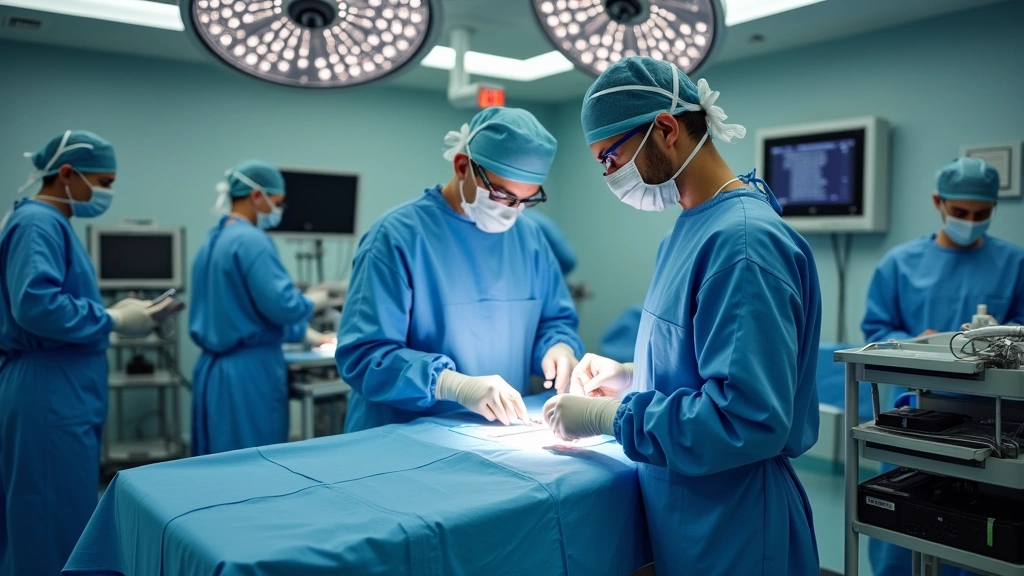
” alt=”Surgical technologist preparing sterile instruments and equipment in modern operating room with surgical lights and monitors visible”>
How to Choose Your Program
Selecting the right accredited surgical tech program requires careful consideration of multiple factors beyond basic accreditation status. Geographic location and program format significantly impact your educational experience and career trajectory. Consider whether you prefer traditional full-time programs, hybrid options, or accelerated formats.
Clinical training opportunities should be a primary consideration. Programs affiliated with large medical centers, teaching hospitals, and trauma centers typically offer superior clinical experiences. Ask prospective programs about the types and volume of surgical procedures students observe and assist with during their training.
Faculty qualifications and student support services directly influence your learning outcomes. Research whether instructors are current surgical technologists with operating room experience. Evaluate tutoring, mentoring, and career counseling services available to students.
Employment outcomes and alumni success provide concrete evidence of program quality. Request data on CST pass rates, job placement rates, graduate salaries, and career advancement opportunities. Contact alumni to learn about their experiences and career trajectories.
Program cost and financial aid availability matter significantly for many students. Compare tuition, fees, and available scholarships or grants. Consider both the total program cost and potential return on investment based on starting salaries and career growth.
When evaluating programs, verify CAAHEP accreditation status through the official accrediting body. Check whether the program maintains partnerships with recognized healthcare institutions. Ask about opportunities for specialization or advanced training in areas like cardiovascular surgery, orthopedic procedures, or surgical robotics.
Consider how programs incorporate emerging technologies into their curricula. Modern surgical technologists must understand digital healthcare systems and data management alongside traditional surgical skills. Programs that integrate technology training prepare students for evolving healthcare environments.
Visit prospective programs in person if possible. Tour facilities, observe classes, and speak with current students and faculty. This direct interaction provides valuable insights into program culture and educational quality. Ask about job placement assistance, alumni networks, and continuing education opportunities after graduation.
Research industry trends and future demand for surgical technologists in your target region. Some areas experience higher demand and salary growth than others. Programs in growing healthcare markets often provide better employment prospects and career advancement opportunities.
FAQ
What is CAAHEP accreditation and why does it matter?
CAAHEP (Commission on Accreditation of Allied Health Education Programs) accreditation ensures that surgical technology programs meet rigorous national standards for curriculum content, faculty qualifications, clinical training, and student outcomes. Employers strongly prefer graduates from CAAHEP-accredited programs, and accreditation is often required for CST certification eligibility.
How long does it take to complete an accredited surgical tech program?
Most accredited surgical technology programs take 18-24 months to complete, depending on program format and prerequisites. Some accelerated programs may be completed in 12-18 months, while others offering more flexible scheduling might extend to 30 months. Full-time programs typically take two years, while part-time options may require longer commitment periods.
What is the Certified Surgical Technologist (CST) credential?
The CST credential, administered by the National Board of Surgical Technology and Surgical Assisting (NBSTSA), certifies that a surgical technologist has met educational and examination standards. CST certification demonstrates professional competency and is recognized nationwide. Most employers prefer or require CST certification for employment in surgical settings.
What is the typical cost of an accredited surgical tech program?
Program costs vary significantly by institution type and location. Community college programs typically cost $10,000-$20,000, while private programs may range from $20,000-$40,000. Hospital-based programs often cost less than private institutions. Financial aid, scholarships, and grants may be available to eligible students. Consider the total cost of education relative to starting salary and career earning potential.
What career advancement opportunities exist for surgical technologists?
Surgical technologists can advance to charge technologist positions, surgical services supervisory roles, or educator positions within healthcare institutions. Some pursue specialization in specific surgical fields like cardiovascular surgery, orthopedics, or surgical robotics. Others transition into related healthcare careers or pursue advanced degrees in healthcare administration or nursing.
Do all surgical tech programs offer the same curriculum?
While CAAHEP accreditation ensures core curriculum standards, programs vary in their specific courses, clinical experiences, and instructional approaches. Some programs emphasize particular surgical specialties or include additional training in emerging technologies. Research individual program curricula to find options aligning with your career interests and learning preferences.
How important is location when choosing a surgical tech program?
Location impacts both your educational experience and career prospects. Programs in areas with multiple large hospitals and surgical centers offer more diverse clinical opportunities. Geographic location also influences job market conditions, salary ranges, and cost of living. Consider whether you plan to work in the region where you study or relocate after graduation.
What should I look for in clinical training opportunities?
Ideal clinical training includes exposure to diverse surgical specialties, high-volume surgical cases, and experienced mentors. Programs affiliated with trauma centers, teaching hospitals, and large medical centers typically offer superior clinical experiences. Ask about the types of procedures students assist with and the ratio of students to available clinical placements.
Are online surgical tech programs available?
Some programs offer hybrid or online components for theoretical coursework, but surgical technology requires extensive hands-on clinical training that must occur in-person in actual operating rooms. Fully online surgical tech programs do not exist due to accreditation requirements for direct clinical supervision and hands-on skills development.
How do I verify a program’s accreditation status?
Verify accreditation through CAAHEP’s official website, which maintains a searchable database of accredited programs. Contact the program directly and request accreditation documentation. Be cautious of programs claiming accreditation but not listed in CAAHEP’s database—legitimate programs always maintain current accreditation status.

” alt=”Surgical technologist in sterile gown and mask arranging surgical instruments on sterile field during operating room preparation”>
The field of surgical technology offers rewarding career opportunities for individuals committed to patient care and precision work. By choosing an accredited program from our expert recommendations, you’re investing in quality education that will establish a strong foundation for your professional success. Whether you select programs embracing advanced healthcare technologies or traditional excellence, your accredited education will prepare you for a meaningful career in the operating room. Start your research today and take the first step toward becoming a skilled surgical technologist.