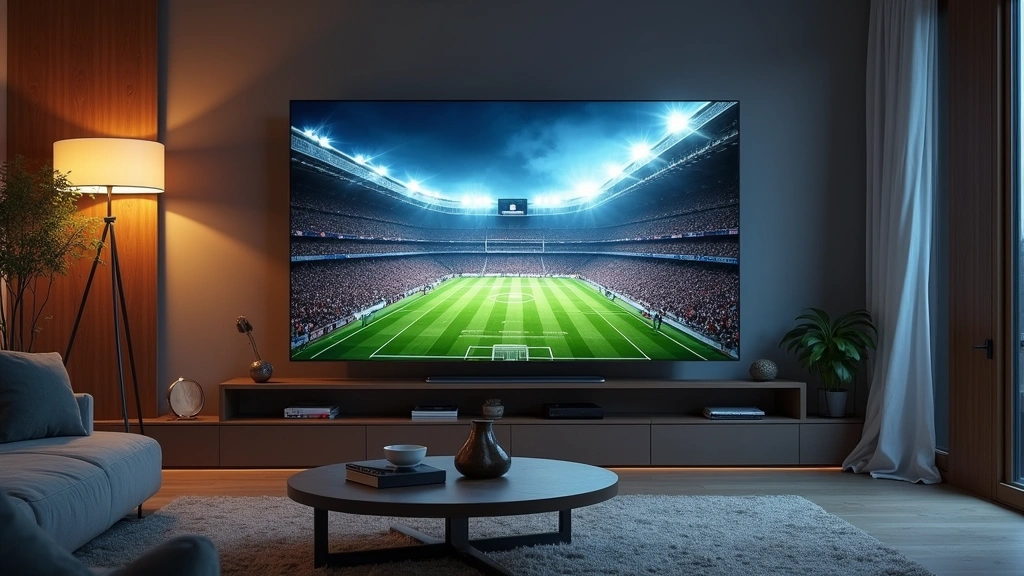
Tech Gadgets for Game Day: Expert Picks for the Ultimate Viewing Experience
Whether you’re gearing up for the ACU vs Texas Tech football matchup or any major game day event, having the right technology can transform your viewing experience from ordinary to unforgettable. Modern sports enthusiasts demand more than just a television—they want immersive audio, crystal-clear displays, seamless connectivity, and smart devices that enhance every moment of the action. This comprehensive guide explores the essential tech gadgets that will elevate your game day setup, covering everything from display technology to audio systems and streaming solutions.
Game day isn’t just about watching the match; it’s about creating an atmosphere that rivals being in the stadium. The right combination of gadgets can deliver stadium-quality sound, broadcast-quality video, and interactive features that keep you connected with fellow fans. Whether you’re hosting a watch party or enjoying a solo viewing session, understanding which technologies matter most will help you make informed purchasing decisions that deliver genuine value and unforgettable entertainment.
Premium 4K and 8K Television Displays
The foundation of any exceptional game day setup is a high-quality display that can render fast-moving action with stunning clarity and vibrant colors. Modern televisions have evolved dramatically, offering resolutions and refresh rates specifically engineered for sports viewing. A 4K display with 120Hz refresh rate represents the sweet spot for most consumers, delivering buttery-smooth motion that makes football replays absolutely captivating.
When evaluating televisions for game day, consider the panel technology first. OLED displays offer superior contrast ratios and perfect blacks, making them ideal for watching in darker environments. Quantum Dot LED technology provides exceptional brightness and color accuracy, particularly beneficial for daytime viewing or rooms with significant ambient light. Mini-LED backlighting offers a middle ground, delivering impressive performance without the premium price tag associated with OLED technology.
Screen size matters significantly for game day experiences. A 65-inch display should be considered the minimum for immersive viewing, with 75 to 85 inches preferred for larger living rooms. The viewing distance calculation is straightforward: multiply the screen size by 1.5 to determine optimal seating distance. For instance, an 85-inch television performs best when viewed from approximately 10 feet away. The Verge’s television reviews provide detailed testing methodology and real-world performance metrics that help consumers understand how different models handle sports content.
Input lag deserves special attention for game day setups. This measurement—typically listed in milliseconds—indicates the delay between when your device sends a signal and when the television displays it. For sports viewing, input lag below 20ms ensures you’re seeing action nearly in real-time. Many premium models now feature “gaming mode” that reduces this latency, though this feature remains relevant even for non-gaming viewers who demand responsiveness.
Refresh rate capabilities have become increasingly important as broadcast standards evolve. While traditional sports broadcast at 60Hz, many networks now offer 120Hz content during major events. A television supporting 120Hz refresh rates ensures you’re receiving the full quality of modern broadcasts. Additionally, features like motion interpolation and TruMotion technology can enhance frame rates, making fast-panning camera movements during football games appear exceptionally smooth.
Immersive Audio Systems for Stadium Sound
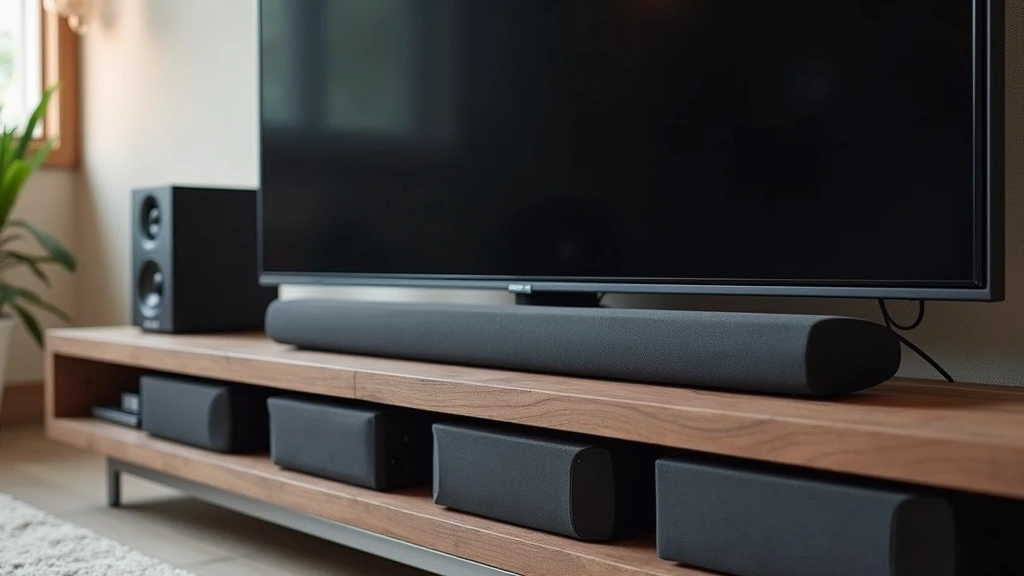
A magnificent display means little without equally impressive audio. Professional stadiums generate immersive soundscapes combining crowd noise, commentary clarity, and dynamic sound effects. Replicating this at home requires thoughtful audio system selection. A quality soundbar represents the entry point for most consumers, offering significant improvement over television speakers with minimal installation complexity.
Premium soundbars incorporating Dolby Atmos technology create three-dimensional sound fields that envelope listeners. Atmos-enabled systems include height channels that project sound overhead, producing an enveloping effect that mimics the experience of being surrounded by crowd noise in a real stadium. When commentators describe plays, their voices emerge with spatial clarity that makes you feel connected to the action.
For serious game day enthusiasts, a complete home theater system provides unmatched immersion. A 5.1.2 or 7.1.4 speaker configuration—where numbers represent main speakers and height speakers respectively—delivers comprehensive sound coverage. The center channel handles dialogue and commentary with pristine clarity, while left and right channels anchor the soundstage. Surround speakers create ambient atmosphere, and subwoofers reproduce the chest-thumping bass of crowd reactions and stadium ambiance.
Wireless connectivity has revolutionized audio system installation. Bluetooth-enabled speakers eliminate cable runs, though low-latency codecs like aptX or LDAC are essential for maintaining audio synchronization with video. Wired connections remain superior for reliability and zero latency, but modern wireless implementations have closed the gap considerably. When selecting audio equipment, verify that your chosen system supports these advanced codecs for optimal performance.
CNET’s home entertainment coverage regularly tests soundbars and speaker systems, providing detailed measurements of frequency response, dynamic range, and real-world performance with sports content. Their testing methodology helps consumers understand how audio equipment handles the specific demands of football broadcasting.
Streaming Devices and Smart TV Platforms
Accessing game day broadcasts requires reliable streaming infrastructure. Most modern televisions include built-in smart platforms like Roku, Samsung Tizen, or LG webOS, but dedicated streaming devices often provide superior performance and more frequent software updates. Apple TV 4K and Roku Ultra represent category leaders, offering snappy performance and comprehensive app ecosystems.
The latest technology innovations in streaming have introduced AI-powered recommendations and voice control integration. These features streamline navigation, allowing you to find broadcasts quickly without tedious menu scrolling. Voice assistants like Alexa or Google Assistant can launch sports apps, search for specific games, and adjust volume—invaluable when hosting watch parties.
Streaming device selection should prioritize app availability and update frequency. Ensure your chosen device supports ESPN+, YouTube TV, Sling TV, or whichever services broadcast the games you want to watch. Some regional broadcasts require specific apps or cable provider authentication, so verify compatibility before purchasing. Additionally, devices receiving regular software updates maintain security and access to new features longer than discontinued models.
Storage capacity on streaming devices enables app installation flexibility. While most apps stream directly without consuming significant storage, having 16GB or more allows caching of frequently used apps for faster loading. When hosting multiple people, faster app launches mean less time navigating menus and more time enjoying the game.
Smart Home Integration for Game Day
The modern game day experience extends beyond entertainment devices into comprehensive smart home ecosystems. Intelligent lighting systems can automatically adjust brightness and color temperature based on the broadcast, enhancing visual perception without creating glare on your display. Smart thermostats ensure your viewing space maintains comfortable temperature even with multiple people gathered for watch parties.
Voice-activated smart displays serve dual purposes during game day events. They can show real-time stats, upcoming plays, and player information on secondary screens while the main television broadcasts the game. Smart speakers distributed throughout your entertainment space enable seamless audio throughout the room, creating an immersive multi-room experience.
Smart home security systems allow you to monitor your space while focused on the game. Discreet door cameras and motion sensors provide peace of mind without requiring your attention during critical moments. Smart locks enable guests to arrive without interrupting the viewing experience, and security systems can be set to “away” mode if you’re hosting a large gathering.
Automation routines triggered by voice commands or scheduled times can orchestrate your entire setup. A single “game day mode” command could dim lights, close blinds, activate the entertainment system, and adjust temperature settings. These conveniences transform setup from a tedious checklist into a single action, letting you focus on enjoying the broadcast.
Mobile Devices and Companion Apps
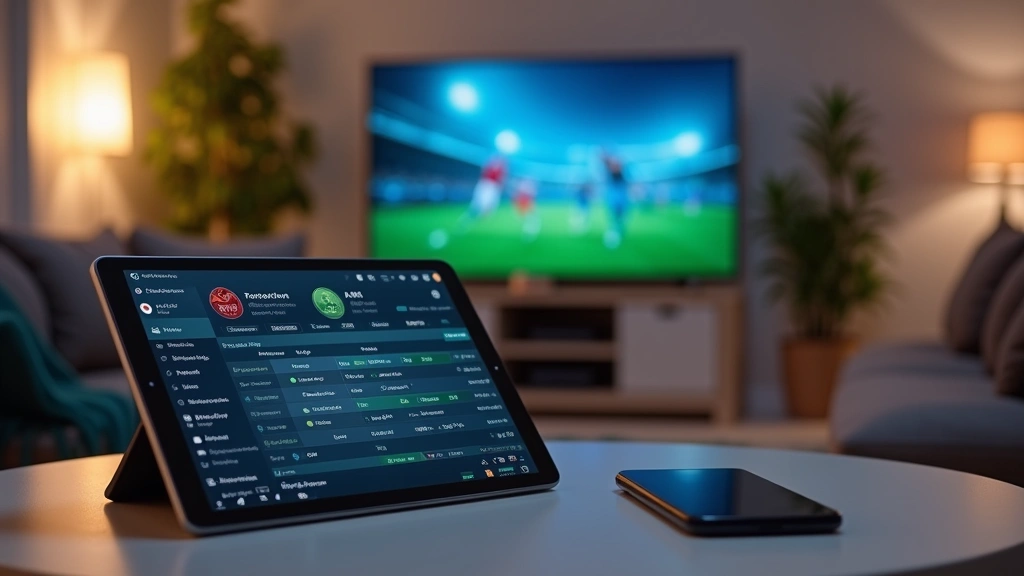
Smartphones and tablets have become essential companions for game day viewing. Official team apps, ESPN, and league-specific applications provide real-time statistics, player information, and instant replays that supplement the main broadcast. The best personal devices for this purpose combine large, vibrant displays with reliable connectivity.
Second-screen experiences have become standard in modern sports broadcasting. While watching on your television, simultaneously viewing stats on a tablet or phone provides context that enriches understanding of the game. Fantasy football apps allow real-time scoring updates, and social media integration keeps you connected with fellow fans’ reactions and commentary.
Premium tablets like iPad Pro offer exceptional performance and display quality for supplementary viewing. Their larger screens compared to smartphones provide comfortable stat viewing and app interaction without requiring a dedicated monitor. Wireless charging pads keep devices powered throughout extended game day marathons, ensuring you never miss updates due to depleted batteries.
Mobile devices also enable multi-angle viewing through league apps that provide alternative camera feeds. Some broadcasts offer stadium cam perspectives, sideline feeds, or tactical overhead views accessible through companion applications. This flexibility lets viewers customize their experience, focusing on specific areas of interest while the main broadcast captures overall action.
Network Infrastructure and Connectivity
Flawless game day experiences depend on robust network infrastructure. Streaming 4K video consumes significant bandwidth—typically 15-25 Mbps for optimal quality. Your internet connection should exceed these requirements with headroom for multiple simultaneous streams if hosting watch parties. Fiber-optic broadband provides the most reliable performance, though modern cable connections offer adequate speeds for most scenarios.
WiFi reliability matters as much as raw speed. A single router may struggle to maintain stable connections throughout larger homes, especially when multiple devices stream simultaneously. Mesh WiFi systems distribute signal strength across your space, eliminating dead zones and ensuring consistent performance. Premium systems like Eero Pro or Asus ZenWiFi include dedicated backhaul channels that optimize data flow between nodes and your internet connection.
Wired connections via Ethernet cables provide superior reliability compared to wireless, eliminating interference and packet loss. If possible, connect your primary streaming device directly to your router using a quality Ethernet cable. This single improvement often eliminates buffering issues and ensures maximum bandwidth availability for your display device.
Network optimization extends to prioritizing entertainment traffic. Quality of Service (QoS) settings in your router allow you to allocate bandwidth preferentially to streaming devices. During game day, ensuring your television and audio system receive maximum bandwidth prevents interruptions from other household devices downloading updates or streaming content.
Gaming Consoles as Media Centers
Modern gaming consoles like PlayStation 5 and Xbox Series X function as exceptional media centers, offering 4K streaming capabilities alongside their gaming functionality. These devices support virtually every major streaming service and provide ultra-fast loading times that minimize navigation delays. Their advanced processors enable sophisticated upscaling that enhances lower-resolution broadcasts to near-4K quality.
Gaming consoles excel at handling multiple simultaneous tasks. You can stream the game on your television while browsing stats on a companion app without noticeable performance degradation. Their gaming heritage means they prioritize responsive, lag-free performance—the same responsiveness that benefits sports viewing.
The emerging applications of AI technology in gaming consoles include intelligent upscaling algorithms that enhance broadcast quality in real-time. These systems analyze incoming video and intelligently enhance resolution and detail, making standard-definition or lower-quality feeds appear closer to 4K quality without introducing artifacts or distortion.
Beyond media playback, gaming consoles enable interactive experiences. Some broadcasters now offer companion games during major sporting events, allowing viewers to predict plays, answer trivia, and compete with friends in real-time. These gamified experiences transform passive viewing into engaging participation, particularly valuable for watch parties.
Backward compatibility ensures gaming consoles remain relevant investments. Unlike dedicated streaming boxes that may become outdated, consoles receive continuous software updates and support new technologies as they emerge. Their gaming capabilities provide entertainment value beyond sports viewing, justifying their premium pricing.
FAQ
What is the ideal screen size for game day viewing?
For most living rooms, a 65 to 75-inch display provides optimal immersion. Multiply your screen size by 1.5 to determine ideal viewing distance. An 85-inch television performs best when viewed from approximately 10 feet away, making it ideal for larger spaces or watch parties.
Do I need a soundbar if my television has good speakers?
Television speakers rarely deliver the spatial clarity and dynamic range necessary for optimal sports viewing. Even budget soundbars provide noticeable improvement in dialogue clarity and ambient sound reproduction. Premium Dolby Atmos soundbars create immersive three-dimensional soundscapes that significantly enhance game day atmosphere.
Which streaming service broadcasts the most college football games?
ESPN+ offers extensive college football coverage, including many ACU vs Texas Tech matchups and other conference games. YouTube TV, Sling TV, and traditional cable providers also carry major broadcasts. Check your preferred service’s schedule before game day to ensure access to specific matchups.
Should I choose OLED or LED television technology?
OLED displays offer superior contrast and perfect blacks, ideal for dark viewing environments. LED technology provides exceptional brightness and is better suited for brightly lit rooms. Both technologies excel at sports viewing; your choice depends on your room lighting conditions and budget constraints.
What network speed do I need for 4K streaming?
Streaming 4K video requires 15-25 Mbps of bandwidth. Your internet connection should exceed these requirements with headroom for multiple simultaneous streams. Fiber-optic or modern cable connections typically provide adequate speeds, though wired Ethernet connections ensure maximum reliability.
Can I use a gaming console as my primary streaming device?
Absolutely. PlayStation 5 and Xbox Series X function as exceptional media centers, supporting all major streaming services with ultra-fast performance. Their gaming heritage ensures responsive, lag-free operation that benefits sports viewing, and continuous software updates keep them current with emerging technologies.
What audio configuration provides the best game day experience?
A 5.1 soundbar with Dolby Atmos provides excellent immersion for most viewers. Those prioritizing maximum impact should consider 7.1.4 home theater systems with dedicated subwoofers. The center channel is crucial for commentary clarity, making its quality more important than overall system size.
Your game day setup should reflect your viewing preferences, available space, and budget. Start with a quality display and audio system, then progressively add complementary devices like streaming players, smart home integration, and mobile companions. The Tech Pulse Hunter blog regularly reviews emerging technologies that enhance entertainment experiences, keeping you informed about latest innovations. For specific product comparisons and detailed specifications, consult CNET’s comprehensive reviews and RTINGS’ measurement-based testing to ensure your purchases deliver genuine performance improvements.


