ACU vs Texas Tech Tickets: Best Buying Tips for Smart Buyers
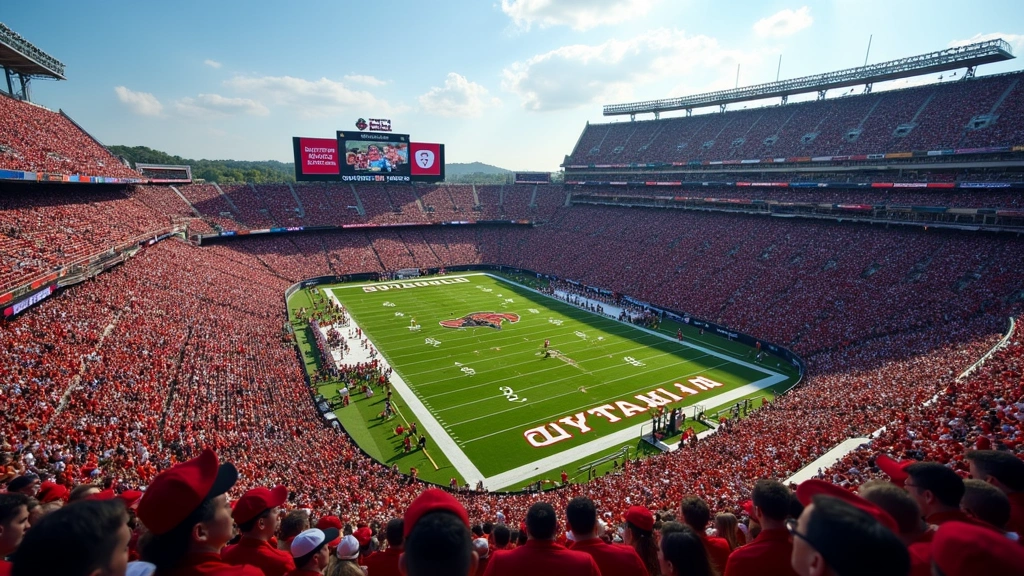
Finding the perfect ACU vs Texas Tech tickets can feel overwhelming in today’s digital marketplace. Whether you’re a die-hard fan planning your game day experience or a casual sports enthusiast looking for value, understanding the ticket-buying landscape is essential. This comprehensive guide breaks down everything you need to know about securing the best deals, avoiding scams, and maximizing your investment in one of college sports’ most competitive matchups.
The rivalry between ACU and Texas Tech represents more than just athletics—it’s a cultural event that brings communities together. However, navigating the various platforms, price fluctuations, and seating options requires strategy and knowledge. From primary ticket vendors to secondary markets, from early bird specials to last-minute deals, we’ll explore every angle to help you make informed decisions that align with your budget and preferences.
Understanding the Ticket Market Landscape
The ACU vs Texas Tech matchup draws significant attention from college football enthusiasts across Texas and beyond. The ticket market for this rivalry game operates through multiple channels, each with distinct advantages and considerations. Understanding how these markets function—from demand fluctuations to supply limitations—empowers you to navigate pricing strategically.
Ticket availability varies dramatically depending on several factors: the game’s importance in the season, playoff implications, weather forecasts, and competing events. Early in the season, tickets may be abundant and relatively affordable. However, as game day approaches, particularly if both teams are performing well, prices can escalate rapidly. The secondary market becomes increasingly active as fans reassess their attendance plans and resell tickets at varying price points.
When exploring current tech trends affecting ticket distribution, you’ll notice how digital platforms have revolutionized the buying experience. Real-time inventory tracking, algorithmic pricing, and instant digital delivery have transformed sports ticketing. Understanding these technological underpinnings helps you identify better deals and timing opportunities.
Primary vs Secondary Ticket Platforms
Primary ticket vendors like the official ACU and Texas Tech athletic department websites represent the most direct path to tickets. These official channels typically offer face-value pricing, though popular games may implement dynamic pricing. Purchasing directly ensures authenticity and provides official support if issues arise. Many primary vendors now offer flexible payment plans and season ticket packages that provide value for frequent attendees.
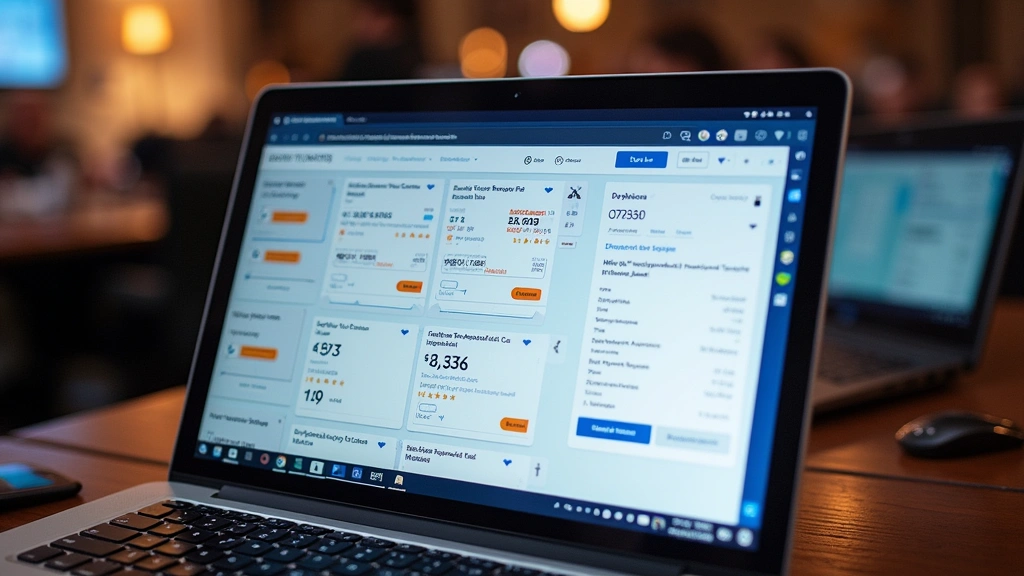
Secondary markets including StubHub, Ticketmaster’s resale section, and SeatGeek operate differently. These platforms connect sellers with buyers, creating competitive pricing environments. Prices on secondary markets reflect real-time demand, often undercutting face value during slow periods but exceeding it substantially for high-demand games. The advantage here is flexibility—you can find tickets at various price points and often closer to game day when sellers become motivated to offload inventory.
StubHub’s comprehensive inventory typically includes thousands of listings for major college football events. Ticketmaster’s resale platform integrates seamlessly with their primary sales, creating a unified marketplace. SeatGeek aggregates listings from multiple vendors, allowing comparative shopping across platforms simultaneously.
The choice between primary and secondary markets depends on your priorities. Primary markets guarantee authenticity and official support but offer less price negotiation. Secondary markets provide competitive pricing and flexibility but require careful verification of seller credentials and ticket legitimacy.
Price Analysis and Timing Strategies
Strategic timing significantly impacts ticket prices for ACU vs Texas Tech games. Historical data reveals predictable pricing patterns that savvy buyers leverage. Prices typically start high immediately after release, dip during the week before the game as casual fans finalize plans, then spike again 24-48 hours before kickoff when last-minute purchasers enter the market.
Several timing windows offer distinct advantages. The first window occurs immediately after tickets go on sale, where early-bird pricing sometimes applies to season ticket holders and preferred members. The second optimal window appears 2-3 weeks before the game, when initial excitement settles but attendance still seems uncertain. The third window, though riskier, opens 12-24 hours before game time, when sellers desperate to offload inventory may accept significant discounts.
Weather forecasts significantly influence pricing dynamics. If predictions suggest poor weather, prices typically decline as fair-weather fans reconsider attendance. Conversely, perfect weather forecasts drive prices upward. Monitoring meteorological trends alongside ticket prices helps identify opportunities.
Team performance metrics directly correlate with ticket demand and pricing. When artificial intelligence and technology transform sports analytics, prediction models become increasingly accurate for forecasting attendance and pricing trends. Following team standings, injury reports, and playoff scenarios helps you anticipate price movements before they occur.
Weekday games typically offer better pricing than weekend matchups, as fewer casual fans can attend. Night games sometimes feature different pricing than afternoon contests. Understanding these variables allows you to identify price patterns and capitalize on inefficiencies.
Seating Selection and Stadium Experience
Choosing optimal seating requires balancing multiple considerations: sightlines, weather exposure, crowd dynamics, and price points. Understanding stadium layouts for both ACU and Texas Tech venues helps you select seats matching your preferences and budget.
Premium seating in lower-bowl sections typically commands higher prices but offers superior views and closer proximity to the action. Upper-deck seating provides solid perspectives at reduced costs, though you’ll be further from field-level activity. End-zone seats offer unique angles but may involve more head-turning during play. Sideline seats provide traditional viewing experiences but at premium prices.
Weather considerations matter significantly for outdoor stadiums. Shaded seating protects from sun exposure during afternoon games and provides cover during potential rain. Windward positions can be uncomfortable during blustery conditions. If the game occurs during Texas weather extremes—intense heat or unexpected cold—seat location substantially affects comfort.
Group dynamics influence seating preferences. Families may prioritize accessible seating with nearby facilities. Enthusiastic fans might seek sections known for spirited crowds and fan engagement. Student sections offer vibrant atmospheres but can be standing-room-only affairs. Corporate suites provide premium amenities for business entertaining.
When exploring technology tools for student attendance, you’ll discover apps that visualize seat views before purchasing. Many platforms now offer 360-degree stadium previews, allowing you to assess sightlines and surrounding environments virtually before committing financially.
Mobile Tickets and Entry Technology
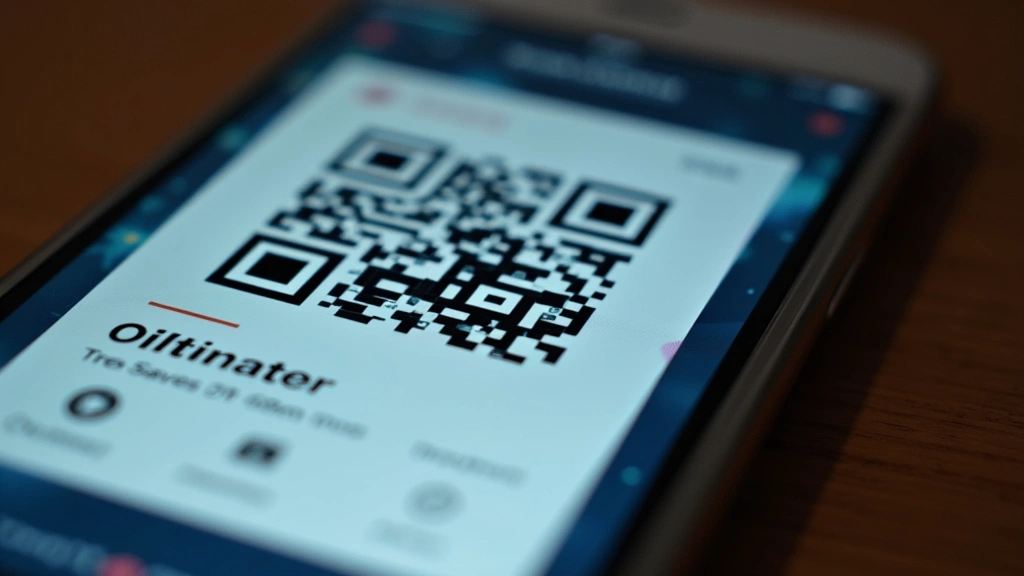
Modern sports venues increasingly rely on mobile ticketing and digital entry systems. Understanding these technologies ensures smooth game-day experiences and protects against common problems. Mobile tickets delivered via email or ticketing apps have become standard, eliminating paper ticket complications and enabling instant transfers.
QR code-based entry systems scan directly from smartphone screens, requiring only internet connectivity and a charged battery. Venues typically allow screenshot backups for reliability. Some systems permit multiple phones to display the same ticket simultaneously, though only one entry per ticket is permitted. Arriving early provides buffer time if technical issues arise during entry.
Transferring tickets digitally to friends or family members has become seamless on most platforms. You can typically transfer up until kickoff, providing flexibility for last-minute changes. Verification systems ensure legitimate transfers between accounts, protecting against fraud.
Backup strategies protect against technological failures. Saving ticket screenshots, noting confirmation numbers, and downloading PDFs ensures you have offline access if app connectivity fails. Arriving extra early on game day accommodates potential entry delays from high-volume ticket scanning.
Protecting Yourself from Fraud
Ticket fraud represents a significant risk in secondary markets. Counterfeit tickets, duplicate sales, and invalid codes plague unsuspecting buyers. Implementing protective strategies minimizes fraud exposure substantially.
Verification protocols before purchase are essential. Check seller ratings on secondary platforms—established sellers with hundreds of positive reviews carry less risk than brand-new accounts. Read recent buyer feedback specifically mentioning successful entry and ticket validity. Avoid sellers with complaints about invalid codes or entry problems.
Platform protections vary significantly. The Verge’s technology reviews regularly analyze ticketing platform security features. Platforms offering buyer guarantees, money-back promises, and fraud insurance provide substantially more protection than unregulated resellers. Official platforms like Ticketmaster’s resale section and StubHub’s verified seller program offer stronger protections than private sales.
Price anomalies signal potential fraud. Listings priced dramatically below market rates often indicate counterfeits or invalid tickets. If a deal seems impossibly good, it usually is. Legitimate discounts exist but typically reflect modest reductions rather than massive markdowns.
Payment methods matter significantly. Credit cards and PayPal provide fraud protection and dispute resolution. Wire transfers, cryptocurrency, and cash transactions offer no recourse if fraud occurs. Never pay outside official platforms—use platform payment systems exclusively.
Documentation preservation protects you post-purchase. Screenshot confirmation emails, save transaction records, and retain all communications. If entry problems occur, this documentation supports dispute claims with platforms or payment processors.
Group Purchases and Bulk Discounts
Organizing group attendance often yields significant savings through bulk discount programs. Both ACU and Texas Tech athletic departments typically offer group rates for parties exceeding minimum thresholds—usually 10-15 tickets.
Bulk purchasing advantages extend beyond price discounts. Group coordinators often receive dedicated customer service, flexible seating arrangements, and sometimes premium locations. Payment plans accommodate group fundraising timelines. Some programs include group hospitality areas with concession discounts.
Organizing groups requires advance planning. Establish commitment timelines, collect participant payments, and coordinate with official group sales contacts. Most venues require finalized group orders 2-4 weeks before events, though earlier booking often yields better rates.
Coordinating logistics for groups presents challenges but manageable ones. Designate a primary contact person for all communications. Distribute digital tickets efficiently using group email chains or shared apps. Arrange meeting points and entry procedures to ensure smooth arrivals.
When exploring technology solutions for group coordination, consider apps designed for event management. Many ticketing platforms now integrate group messaging features, allowing coordinators to communicate directly with all ticket holders regarding logistics, weather updates, and entry procedures.
Alternative Viewing Options
Not everyone can attend games in person. Alternative viewing options provide engaging experiences while potentially saving significant money. Understanding these alternatives ensures you capture the rivalry atmosphere regardless of attendance circumstances.
Sports bars and restaurants throughout Texas host watch parties for ACU vs Texas Tech games. These venues provide communal atmospheres, food and beverage service, and often superior video quality compared to home viewing. Group energy amplifies the entertainment value substantially.
Streaming services increasingly carry college football content. CNET’s comprehensive sports streaming guides detail which platforms carry specific games. Subscription services like ESPN+, Hulu with Live TV, and YouTube TV offer legitimate streaming access. Verify your location’s blackout restrictions before purchasing—some games have regional broadcasting limitations.
Official team streaming platforms sometimes offer free or low-cost viewing options. Check ACU and Texas Tech athletic department websites for available streaming alternatives. Some games are available free through conference streaming platforms.
Virtual reality viewing experiences represent emerging alternatives for premium experiences. Advanced VR platforms now offer stadium perspectives approaching in-person authenticity. While still niche, these technologies continue improving and may become mainstream viewing options.
Advanced Buying Strategies and Optimization
Experienced ticket buyers employ advanced strategies maximizing value. Learning these tactics helps you compete in competitive markets and identify opportunities others miss.
Price tracking tools monitor listing changes across multiple platforms simultaneously. Setting alerts for specific price thresholds triggers notifications when deals matching your criteria appear. This passive monitoring approach captures opportunities without requiring constant manual checking.
Dynamic pricing algorithms on primary markets sometimes create temporary pricing fluctuations. Understanding these systems—how they respond to inventory levels, demand signals, and time proximity—helps you time purchases strategically. Purchasing during algorithm-identified low-demand windows captures better rates.
Combining multiple discount sources amplifies savings. Using credit card cashback rewards, shopping through cash-back portals, and stacking promotional codes creates compounding discounts. A 10% cashback credit card combined with a 5% portal bonus and a 10% promotional code could yield 25% total savings.
Loyalty programs through official ticketing channels provide point accumulation enabling future discounts. Accumulating points across seasons creates substantial purchasing power for high-demand games.
Game Day Logistics and Preparation
Successful game attendance extends beyond ticket acquisition. Comprehensive preparation ensures smooth experiences and maximizes enjoyment.
Arrival timing significantly impacts experience quality. Arriving 1-2 hours early accommodates parking challenges, entry line delays, and concession waits. Early arrival also allows stadium exploration and atmosphere soaking before kickoff.
Parking considerations deserve advance planning. Research available parking options, pricing structures, and accessibility. Some venues offer premium parking closer to entrances. Arriving early secures convenient spots. Public transportation and rideshare services sometimes offer advantages over personal vehicle parking.
Weather preparation protects comfort throughout games. Check forecasts and pack accordingly—sunscreen and hats for sunny games, rain gear for precipitation risks, layers for temperature variability. Stadium policies typically restrict certain items, so verify prohibited items lists before packing.
Concession budgeting prevents financial surprises. Stadium food pricing typically exceeds outside alternatives significantly. Bringing permitted snacks and empty water bottles (to fill at fountains) reduces food costs. Some venues allow outside beverages; verify policies before bringing items.
Stadium policies regarding prohibited items, entry procedures, and bag restrictions should be reviewed before arrival. Understanding these policies prevents entry delays or confiscation of personal items.
FAQ
What is the best time to purchase ACU vs Texas Tech tickets?
The optimal purchase window depends on your priorities. For face-value pricing, buy immediately after official release. For secondary market discounts, purchase 2-3 weeks before the game or 12-24 hours before kickoff when sellers become motivated. Avoid purchasing 48-72 hours before the game when prices typically peak.
Are mobile tickets safe and reliable?
Modern mobile ticketing systems are highly reliable, with 99%+ successful entry rates. Ensure your device is fully charged, download backup screenshots, and arrive early for buffer time. Most venues maintain manual entry systems as backups for technical failures, ensuring entry regardless of app issues.
How can I verify ticket authenticity before purchasing?
Verify seller ratings and feedback, check for platform buyer protection programs, compare prices against market rates, use official platforms exclusively, and save all documentation. Avoid sellers with fraud complaints or prices dramatically below market rates. Use platform payment systems rather than private payment methods.
Do group discounts actually provide significant savings?
Yes, group discounts typically offer 10-20% savings compared to individual purchases. Additional benefits include dedicated customer service, flexible seating arrangements, and sometimes premium locations. Minimum group sizes (usually 10-15 tickets) apply, and advance booking is required.
What if I can’t attend after purchasing tickets?
Most platforms permit ticket resale or transfer. You can sell tickets on secondary markets or transfer them to friends through official channels. Transferability policies vary by platform and ticket type—verify before purchasing if flexibility matters.
Are there legitimate ways to watch the game if I can’t attend in person?
Yes, numerous options exist including streaming services (ESPN+, YouTube TV), official team platforms, sports bars, and emerging VR experiences. Check your region for blackout restrictions and verify which platforms carry the specific game before purchasing.
How do I protect myself from ticket fraud?
Use official platforms exclusively, verify seller credentials, check buyer feedback for fraud complaints, avoid prices dramatically below market rates, use credit card payment methods, and save all documentation. Platform buyer protection guarantees and fraud insurance provide additional security.
Can I negotiate prices on secondary markets?
Limited negotiation typically occurs on established platforms with standardized pricing. However, private resellers sometimes accept offers below asking prices. Making offers to private sellers occasionally yields discounts, though many decline negotiation attempts.


