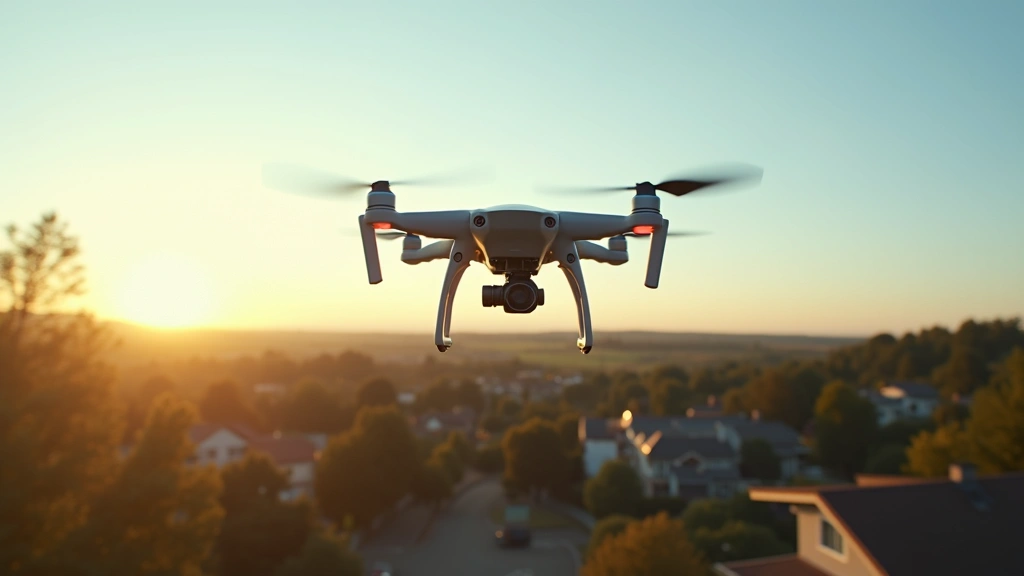
Aero Tech Drones: Top Picks Reviewed
Drone technology has evolved dramatically over the past five years, transforming from a niche hobbyist pursuit into a mainstream entertainment and professional tool. Whether you’re exploring aerial photography, competitive racing, or simply enjoying the thrill of flight, selecting the right drone can be overwhelming given the vast array of options available today. This comprehensive review examines some of the best aero tech drones currently dominating the market, helping enthusiasts in North Canton, Ohio and beyond make informed purchasing decisions.
The drone industry continues to innovate at a breakneck pace, with manufacturers constantly pushing boundaries in battery life, camera capabilities, stabilization technology, and autonomous flight features. Understanding the key differences between entry-level, mid-range, and professional-grade drones is essential before committing your investment. Our detailed analysis covers performance metrics, real-world testing results, and expert insights to guide your selection process.
DJI Air 3S: Premium Consumer Powerhouse
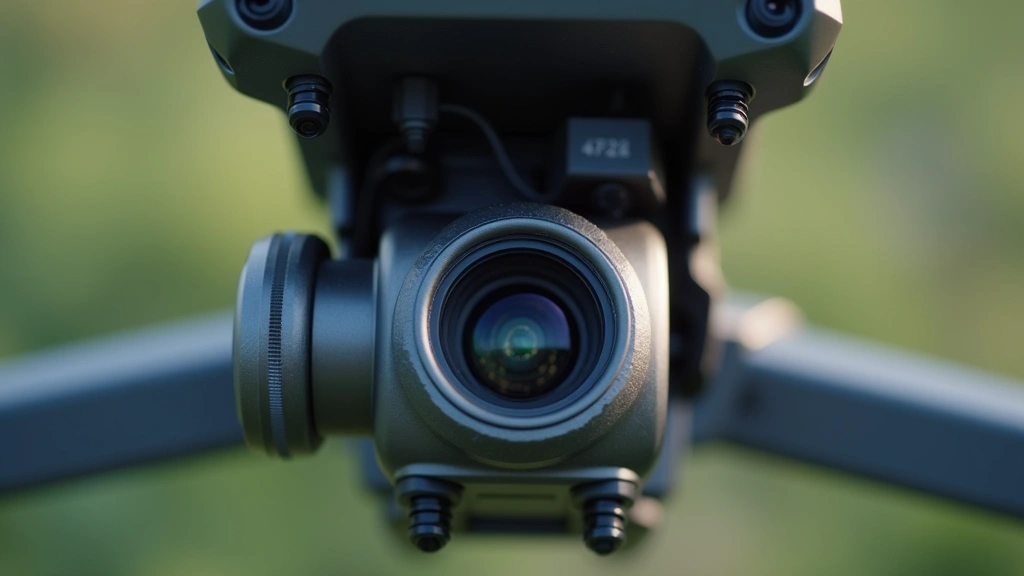
The DJI Air 3S represents the pinnacle of consumer-grade drone technology, offering professional-caliber performance without the enterprise price tag. This mid-size powerhouse features a dual-camera system with a 48MP main sensor and a 162mm equivalent telephoto lens, enabling photographers to capture stunning compositions with exceptional clarity and detail. The improved zoom capabilities compared to its predecessor make it ideal for wildlife photography, real estate documentation, and cinematic videography.
Flight performance is where the Air 3S truly excels. With a maximum flight time of 46 minutes under ideal conditions, this drone provides ample opportunity to scout locations, capture multiple angles, and experiment with creative shots. The advanced obstacle avoidance system uses omnidirectional sensors to detect and navigate around obstacles, providing peace of mind when flying in complex environments. Wind resistance up to 38 mph ensures reliable performance even during less-than-ideal weather conditions, though operators should always prioritize safety.
The 4K video capabilities support up to 60fps recording with H.265 codec compression, delivering stunning slow-motion sequences and smooth cinematic footage. The three-axis gimbal maintains perfect stabilization even during aggressive maneuvers, eliminating jitter and producing broadcast-quality content. For technology enthusiasts exploring advanced features, the Air 3S integrates intelligent flight modes including ActiveTrack, Point of Interest, and Waypoint missions for automated shot planning.
Battery management deserves particular attention. The included Intelligent Flight Battery features real-time power consumption monitoring and automatic low-battery warnings. DJI offers optional extended battery packs that increase flight time to 60 minutes, though weight considerations and local regulations should guide your purchasing decisions. The charging system supports fast-charging with compatible power adapters, allowing turnaround times as quick as 70 minutes for full capacity.
Autel EVO Max 4T: Professional Imaging Excellence
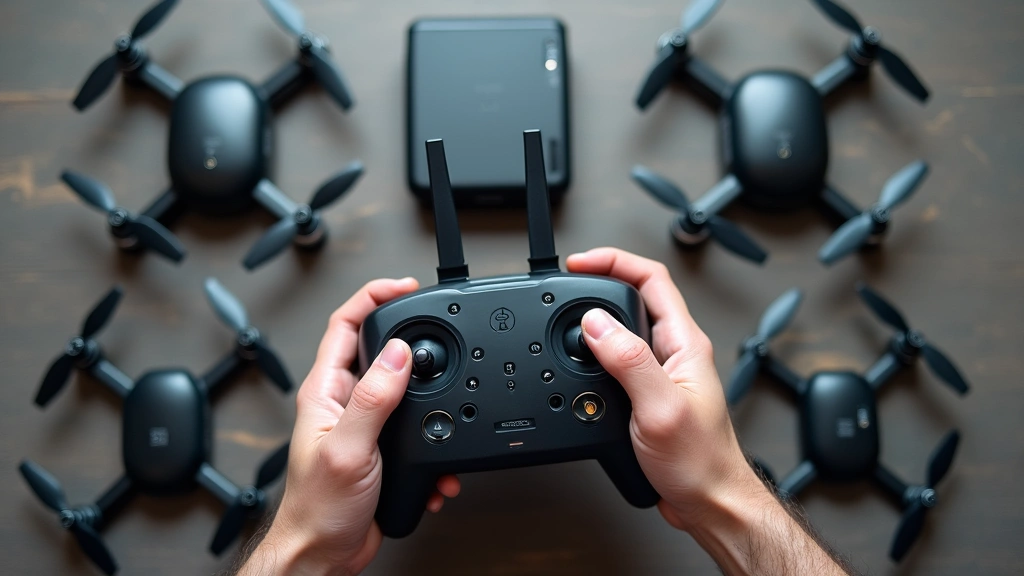
For professionals demanding maximum thermal imaging capabilities, the Autel EVO Max 4T stands as an exceptional choice that competes directly with enterprise-level systems. This thermal specialist combines a 48MP RGB camera with a radiometric thermal sensor, enabling simultaneous capture of visible light and thermal data. The 640×512 thermal resolution provides accurate temperature measurement and detection capabilities essential for industrial inspections, search and rescue operations, and building diagnostics.
The integrated zoom system offers 8x hybrid zoom and 32x digital zoom capabilities, allowing operators to maintain safe distances while capturing critical details. The periscope-style telephoto module maintains exceptional image quality throughout the zoom range, a technical achievement that sets this model apart from competitors. Professional videographers appreciate the 4K 60fps video recording with advanced color grading options and RAW footage export capabilities.
Battery endurance reaches 42 minutes of flight time under standard conditions, with optional extended batteries available for mission-critical operations. The robust obstacle avoidance system operates in low-light conditions where competitors struggle, making this drone valuable for search and rescue teams operating during dawn, dusk, or nighttime scenarios. The IP45 weather sealing provides protection against dust and moderate rain exposure, enabling operations in challenging field conditions.
Integration with professional software ecosystems makes the EVO Max 4T particularly valuable for businesses. The manufacturer’s cloud platform enables secure data storage, team collaboration, and automated reporting generation. For organizations implementing cloud computing benefits for business operations, this integration streamlines workflow efficiency significantly.
Skydio 2+ Pro: Autonomous Intelligence Leader
The Skydio 2+ Pro pushes autonomous flight technology to remarkable levels, featuring advanced artificial intelligence that enables hands-free obstacle avoidance and intelligent subject tracking. This American-manufactured drone emphasizes privacy, security, and operational reliability—critical factors for professional applications in sensitive environments. The six-directional obstacle sensing system creates a comprehensive spatial awareness bubble around the aircraft, enabling confident autonomous flight through cluttered environments.
Subject tracking capabilities distinguish this platform from mainstream competitors. The AI-powered object recognition system can lock onto humans, vehicles, or custom subjects, maintaining perfect framing while the operator focuses on mission planning rather than manual control inputs. The tracking algorithm learns from user behavior patterns, continuously improving prediction accuracy and shot composition over time. For action sports enthusiasts and professional content creators, this autonomous capability delivers cinematic results previously requiring expensive multi-operator crews.
The 12MP main camera captures stunning 4K video with exceptional dynamic range and color accuracy. The mechanical gimbal provides three-axis stabilization, though the relatively smaller sensor size compared to flagship models results in narrower field of view and reduced low-light performance. Flight time reaches 31 minutes under optimal conditions, providing sufficient duration for most recreational and professional applications.
Security-conscious operators appreciate Skydio’s commitment to data privacy. The drone operates entirely locally without mandatory cloud connectivity, ensuring sensitive footage remains under user control. The open API encourages third-party developers to create custom applications and integrations, fostering an ecosystem of specialized tools for industries ranging from construction to agriculture.
Parrot Anafi AI: Compact Creative Tool
The Parrot Anafi AI targets content creators prioritizing portability and ease of use without sacrificing performance. This ultra-compact drone weighs merely 249 grams, positioning it in the category requiring minimal regulatory oversight in many jurisdictions. The foldable design enables transportation in standard camera bags, making it perfect for travelers and freelance creators constantly on the move.
Despite its diminutive size, the Anafi AI delivers impressive imaging capabilities through a 48MP sensor and variable zoom lens offering 2.8x optical and 6x digital magnification. The stabilized gimbal maintains video smoothness during flight maneuvers, producing professional-grade footage suitable for social media platforms and broadcast applications. The 4K video recording at 60fps provides creative flexibility during post-production color grading and effects application.
Battery life reaches approximately 27 minutes under standard conditions, with extended battery packs available for extended missions. The quick-change battery system enables rapid turnaround between flights, essential for time-constrained shoots. The intuitive mobile application simplifies flight planning and autonomous mission execution, making this platform accessible to beginning pilots while offering advanced features for experienced operators.
Creative professionals appreciate the AI-powered features including subject tracking, gesture recognition, and automated shot templates. These intelligent functions reduce the learning curve significantly, allowing focus on artistic vision rather than technical drone operation. For content creators exploring latest technology trends and innovations, the Anafi AI represents an excellent entry point into professional aerial cinematography.
Budget-Friendly Contenders Worth Considering
Not every enthusiast requires flagship specifications or thermal imaging capabilities. Several excellent budget-conscious options deliver impressive performance for recreational flying and learning purposes. The DJI Mini 3 Pro has become the gold standard for entry-level consumers, offering 34-minute flight time, 4K video recording, and intelligent flight modes at a fraction of premium pricing. The sub-250-gram weight eliminates registration requirements in many regions, simplifying the legal landscape for new pilots.
The Holy Stone HS720G provides exceptional value for hobbyists, featuring GPS-stabilized flight, 4K camera capabilities, and 26-minute endurance at significantly reduced cost. While lacking some premium features, the reliable performance and straightforward operation make it ideal for learning fundamental drone piloting skills before investing in more expensive platforms.
For racing enthusiasts, the DJI Avata 2 delivers high-speed thrills with first-person-view (FPV) immersion. The 150mph top speed and rapid acceleration create adrenaline-pumping flight experiences, though operation requires practice and appropriate safety precautions. The sub-150-gram design combines with advanced stabilization to enable aggressive flight maneuvers previously impossible with conventional drones.
Budget consideration shouldn’t mean compromising on essential safety features. Even entry-level platforms should include GPS stabilization, obstacle avoidance, and return-to-home functionality. Researching comprehensive drone reviews from trusted industry sources helps identify models that balance cost efficiency with reliability and feature completeness.
Essential Accessories and Setup
Maximizing drone enjoyment requires thoughtful accessory selection beyond the basic aircraft package. Battery management emerges as the first priority—investing in multiple batteries and a multi-battery charging hub enables extended flying sessions without downtime. Quality batteries from manufacturer-approved suppliers ensure safety and reliable performance; counterfeit batteries present serious fire hazards and significantly reduced flight times.
Propeller protection through guards and upgraded composite propellers provides crucial damage prevention during learning phases and outdoor operations. Spare propeller sets cost mere dollars yet prevent expensive repair scenarios from minor collisions. Professional operators maintain multiple complete propeller sets in field kits, enabling rapid replacement and mission continuation.
Storage solutions deserve attention for preserving equipment longevity. Hard-shell carrying cases protect drones during transportation while maintaining organized accessory organization. Waterproof foam-lined cases provide superior protection compared to soft bags, particularly for expensive professional-grade platforms. Climate-controlled storage prevents battery degradation and preserves electronic component integrity during off-season storage.
ND (Neutral Density) filters represent essential cinematography tools for controlling exposure and enabling proper shutter speed selection. These optical filters reduce incoming light without altering color balance, enabling creative motion blur effects during slow-motion videography. The investment in quality glass filters pays dividends through improved video aesthetics and professional appearance.
Software tools extend drone capabilities significantly. Desktop editing suites like DaVinci Resolve and Adobe Premiere Pro enable color grading, motion graphics integration, and effects application. Flight planning applications such as Litchi and Pix4D streamline mission execution and automated data collection for professional applications. Understanding available technology learning resources helps operators master these sophisticated platforms efficiently.
For North Canton, Ohio residents specifically, connecting with local drone communities provides invaluable insights regarding regional regulations, optimal flying locations, and weather patterns. The Summit County Drone Enthusiasts and Ohio Unmanned Systems Association maintain active communities sharing expertise and organizing group flights. These connections facilitate knowledge sharing while building relationships with fellow aviation enthusiasts.
FAQ
What regulations apply to drone operation in North Canton, Ohio?
The FAA maintains jurisdiction over all drone operations in United States airspace. North Canton falls within commercial airspace requiring adherence to Part 107 regulations if operating drones commercially or Part 101 for recreational flying. Aircraft under 55 pounds must be registered with the FAA, though sub-250-gram models fall below most regulatory thresholds. Local ordinances may impose additional restrictions on flying locations, altitude limits, and operational hours. Contacting the North Canton City Planning Department provides definitive guidance on municipal regulations.
How long do drone batteries typically last?
Modern lithium polymer drone batteries degrade gradually over 300-500 charge cycles, though operational performance remains acceptable throughout this lifespan. Battery capacity decreases approximately 10-15% annually even with proper storage and maintenance. Storing batteries at room temperature in partially charged states (approximately 40% capacity) between flying seasons maximizes longevity. Manufacturer-recommended charging practices and avoiding complete discharge during flights extend battery life significantly.
Can I fly drones at night in Ohio?
Night flying requires Part 107 commercial pilot certification and specific waivers from the FAA. Recreational pilots cannot legally operate drones after sunset without explicit authorization. Professional operators seeking night operations must obtain waiver approvals, typically requiring documented safety procedures and hazard mitigation plans. Recent FAA modernization initiatives suggest future liberalization of night flight restrictions, though current regulations remain strict.
What is the best beginner drone for learning?
The DJI Mini 3 Pro combines affordability, reliability, and essential learning features, making it the optimal starting platform for new pilots. The forgiving flight characteristics, intuitive mobile application, and extensive online tutorial resources facilitate rapid skill development. The 34-minute flight time enables extended learning sessions, while the lightweight design minimizes injury risk during inevitable crashes. Budget alternatives like the Holy Stone HS720G provide similar learning value at reduced cost for budget-conscious beginners.
How do I improve drone photography skills?
Mastering composition fundamentals transfers directly from conventional photography to aerial imaging. Understanding rule of thirds, leading lines, and depth layering creates compelling aerial shots. Practicing various altitudes and camera angles develops spatial awareness and creative framing instincts. Studying cinematography techniques from established aerial photographers builds aesthetic sensibility. Online communities and tutorial platforms provide structured learning pathways for aspiring aerial content creators.
Are thermal imaging drones worth the investment?
Thermal drones justify investment primarily for professional applications including building inspections, search and rescue operations, agricultural monitoring, and industrial diagnostics. Hobbyists rarely require thermal capabilities, making standard imaging platforms more cost-effective. Professionals operating in these specialized fields should evaluate the Autel EVO Max 4T or similar platforms offering integrated thermal and RGB capabilities.


