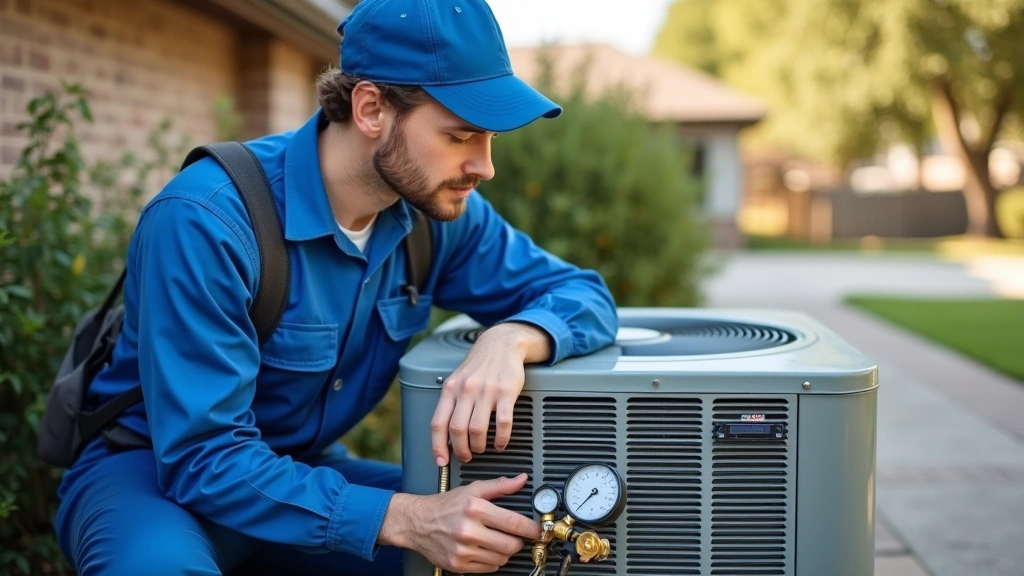
Air Tech of Houston: Reliable HVAC Solutions for Houston, TX Residents?
When summer temperatures in Houston soar above 95°F and humidity levels make the air feel thick and oppressive, a functioning air conditioning system isn’t just a luxury—it’s a necessity. Air Tech of Houston has positioned itself as a go-to HVAC service provider in the greater Houston area, claiming to deliver reliable cooling and heating solutions for residential and commercial properties. But does this company truly live up to its promises, or are there better alternatives worth considering?
This comprehensive review examines Air Tech of Houston’s service offerings, customer feedback, pricing structure, and technical capabilities. Whether you’re facing an emergency AC breakdown during a scorching Texas summer or planning a system upgrade for maximum energy efficiency, understanding what this Houston-based HVAC company brings to the table is essential. We’ll analyze their strengths, potential weaknesses, and how they compare to competitors in the region.
Company Overview and Service Area
Air Tech of Houston operates as a locally-owned HVAC contractor serving the Greater Houston metropolitan area, including neighborhoods in Harris County and surrounding regions. The company positions itself as a customer-focused service provider with emphasis on quick response times and professional technician training. Like many regional HVAC companies, Air Tech attempts to differentiate itself through claims of reliability and competitive pricing.
The Houston HVAC market is highly competitive, with numerous national chains and independent contractors vying for market share. Understanding where Air Tech of Houston fits within this landscape requires examining their operational history, service coverage, and market positioning. Many Houston residents face challenges finding trustworthy HVAC contractors, making reputation and service quality critical evaluation factors.
Air Tech’s service area primarily encompasses the Houston metro region, though specific service boundaries should be verified directly with the company. They market themselves to homeowners, property managers, and small commercial establishments seeking maintenance, repairs, and new system installations. The company’s local presence suggests familiarity with Houston’s unique climate challenges—intense summer heat, high humidity, and occasional severe weather events that stress HVAC systems.
HVAC Services Offered
A comprehensive HVAC company in Houston should offer multiple service categories to address diverse customer needs. Air Tech of Houston’s primary service offerings typically include:
- Air Conditioning Repair: Emergency and scheduled AC repair services for residential units
- Heating System Services: Furnace and heat pump maintenance and repair (less critical in Houston’s mild winters)
- System Installation: New AC and heating unit installation with equipment selection guidance
- Preventative Maintenance: Routine tune-ups and filter replacement programs
- Air Quality Solutions: Ductwork cleaning and air purification system installation
- Thermostat Upgrades: Smart thermostat installation for enhanced climate control
The breadth of these services matters significantly. When comparing HVAC providers, customers benefit from choosing companies offering integrated solutions rather than specialists in single service categories. Air Tech’s service menu appears standard for mid-sized regional contractors, though depth of expertise in each category requires individual verification.
Smart thermostat installation represents an increasingly important service, particularly for Houston homeowners seeking to reduce energy consumption. Modern programmable and WiFi-enabled thermostats can significantly decrease cooling costs during peak summer months. Understanding whether Air Tech technicians possess current knowledge of smart home integration and energy management technology is worthwhile before engaging their services.
Technical Expertise and Certifications
HVAC work demands technical proficiency and proper licensing. Texas requires HVAC contractors to hold appropriate state licenses, and individual technicians must meet certification standards. When evaluating Air Tech of Houston, verification of the following credentials is essential:
- Texas License Status: Active HVAC contractor license from the State of Texas
- Technician Certifications: EPA certification for refrigerant handling (mandatory for AC service)
- Manufacturer Training: Current training from major equipment manufacturers (Carrier, Lennox, Trane, etc.)
- HVAC Industry Credentials: NATE (North American Technician Excellence) certification preferred
Technician expertise directly impacts service quality and customer satisfaction. Companies employing certified technicians typically deliver superior diagnostics, more efficient repairs, and better system optimization recommendations. Air Tech’s commitment to ongoing training and certification maintenance should be verifiable through their website or direct inquiry.
The relationship between technical expertise and pricing deserves consideration. While highly-certified technicians command higher wages, their superior diagnostic abilities often prevent unnecessary component replacements and system upgrades. Over time, choosing expertise-focused providers may prove more economical than selecting based solely on initial service call pricing.

Customer Reviews and Reputation
Online reviews provide valuable insights into actual customer experiences with Air Tech of Houston. Potential customers should examine feedback across multiple platforms including Google Reviews, Yelp, the Better Business Bureau (BBB), and HomeAdvisor. Key evaluation points include:
- Consistency of service quality across multiple reviews
- Technician professionalism and punctuality
- Accuracy of initial diagnostics and pricing
- Resolution of complaints and follow-up service
- Transparency regarding costs and service recommendations
Customer testimonials reveal patterns about company strengths and weaknesses. Consistently positive reviews about fast response times and fair pricing suggest operational excellence, while multiple complaints about hidden charges or incomplete repairs indicate systemic issues. Negative reviews warrant careful reading to distinguish between isolated incidents and recurring problems.
The BBB rating system provides additional context, particularly regarding complaint resolution. A company’s willingness to address customer concerns and resolve disputes reflects commitment to customer satisfaction. BBB ratings, combined with review volume and content analysis, create a comprehensive reputation picture.
When reading reviews, recognize that extremely positive reviews lacking specific details sometimes indicate fabricated content, while overly negative reviews occasionally reflect unrealistic customer expectations. Look for balanced reviews discussing both strengths and areas for improvement—these typically provide most reliable insights.
Pricing and Service Plans
HVAC service costs in Houston vary based on system complexity, repair severity, and component availability. Air Tech of Houston’s pricing structure should be transparent and competitive with regional competitors. Key pricing considerations include:
- Service Call Fees: Diagnostic visit costs (typically $75-$150 in Houston market)
- Labor Rates: Hourly technician labor charges
- Equipment Costs: Pricing for replacement components and new systems
- Maintenance Plans: Annual or bi-annual preventative service packages
- Emergency Pricing: After-hours and weekend service surcharges
Transparent pricing prevents surprise bills and customer dissatisfaction. Companies publishing service rates online or providing written estimates before work begins demonstrate confidence in their pricing structure. Air Tech should offer detailed written estimates explaining labor costs, equipment prices, and any additional charges before beginning major repairs or installations.
Maintenance plans represent excellent value for Houston homeowners, typically costing $150-$300 annually while preventing expensive emergency repairs. Regular maintenance keeps systems operating at peak efficiency, extends equipment lifespan, and identifies potential problems before they escalate. Comparing Air Tech’s maintenance plan pricing and included services against competitors helps determine overall value.
Consider also whether Air Tech offers financing options for major system replacements. New HVAC installations often cost $5,000-$10,000, placing this expense beyond immediate budgets for many homeowners. Companies providing financing partnerships or payment plans improve accessibility for customers requiring system upgrades.
Emergency Response and Availability
Air conditioning failures during Houston’s brutal summer heat create genuine emergencies requiring rapid response. Air Tech of Houston’s availability during peak season and after-hours responsiveness significantly impacts customer satisfaction during system failures. Evaluate whether the company offers:
- 24/7 emergency service availability
- Same-day service appointments during peak season
- Rapid response time commitments (within 2-4 hours typical in Houston market)
- After-hours service without excessive premium pricing
Companies with strong emergency response capabilities often maintain larger technician teams and invest in scheduling systems enabling rapid dispatch. During summer months when HVAC demand peaks, companies with adequate staffing can provide faster service than understaffed competitors.
Response time commitments should be realistic for the Houston area. While some companies advertise 1-hour response times, these typically apply only during specific hours or limited service areas. Understanding actual service area coverage and realistic response time expectations prevents disappointment when emergencies occur.
Energy Efficiency Solutions
Modern HVAC technology enables significant energy consumption reductions, directly benefiting Houston homeowners through lower utility bills. Air Tech of Houston should demonstrate knowledge of current energy-efficient equipment and optimization strategies. Key efficiency considerations include:
- SEER Ratings: Seasonal Energy Efficiency Ratio for air conditioning units (higher SEER = greater efficiency)
- Variable-Speed Systems: Equipment adjusting output based on actual cooling demands
- Smart Thermostat Integration: Learning thermostats optimizing runtime based on occupancy and weather
- Ductwork Optimization: Sealing and insulation improvements reducing energy losses
High-efficiency AC systems (SEER 16+) cost more upfront but deliver substantial long-term savings, particularly in Houston’s hot climate. Understanding lifecycle costs rather than just initial equipment pricing helps identify true value in system upgrades. Air Tech technicians should articulate efficiency improvements and cost savings when recommending equipment upgrades.
The intersection of smart technology and HVAC systems continues expanding, with cloud-connected systems enabling remote monitoring and optimization. Forward-thinking HVAC companies understand this technological evolution and guide customers toward systems supporting future smart home integration.

Warranty and Guarantees
Warranty coverage provides critical protection for HVAC investments. Air Tech of Houston should offer clear warranty terms including:
- Equipment Warranties: Manufacturer coverage periods for new components (typically 5-10 years for compressors)
- Labor Warranties: Company guarantee on workmanship (typically 1-2 years)
- Extended Warranty Options: Extended coverage plans for additional cost
- Warranty Transfer: Transferability if homeowners sell property
Understanding warranty terms prevents unexpected costs if equipment fails shortly after installation or repair. Some manufacturers require professional installation for warranty validity, making technician qualifications important for protecting warranty coverage.
Companies confident in their work typically offer multi-year labor warranties covering repairs from installation defects. Extended warranty plans provide peace of mind but should be evaluated against actual failure rates and repair costs. Comparing warranty terms across multiple providers helps identify best value and coverage adequacy.
FAQ
What should I expect to pay for HVAC service in Houston?
Service call fees typically range $75-$150, while repair costs vary significantly based on component failure severity. Simple repairs (capacitor replacement) might cost $150-$300, while major component failures (compressor replacement) could exceed $1,500. New system installation runs $5,000-$10,000 depending on unit capacity and efficiency rating.
How often should I service my Houston HVAC system?
Professional maintenance twice yearly—spring AC tune-up and fall heating system check—optimizes performance and prevents failures. Houston’s intense cooling demands justify prioritizing spring maintenance before peak summer season.
Is Air Tech of Houston licensed and insured?
Verify current licensing through the Texas HVAC contractor database and confirm liability insurance coverage. Licensed, insured contractors protect homeowners from liability if property damage or injuries occur during service.
What’s the difference between repair and replacement?
Systems exceeding 10-15 years with frequent repairs often justify replacement due to declining efficiency and reliability. New high-efficiency units reduce energy costs significantly over remaining homeowner tenure. Technicians should provide honest assessments rather than pushing unnecessary replacements.
Do you offer emergency service on weekends?
Most Houston HVAC companies provide weekend emergency service with premium pricing. Confirm availability and after-hours surcharges before selecting a provider.
How can I improve my AC system’s efficiency?
Regular filter replacement, ductwork sealing, smart thermostat installation, and professional maintenance all improve efficiency. Consider high-SEER equipment when replacement becomes necessary.
For homeowners seeking reliable HVAC solutions in Houston, evaluating multiple providers using criteria discussed throughout this review ensures finding the best fit for specific needs and budget. Air Tech of Houston may represent a viable option depending on local reputation, service availability, and pricing alignment with your requirements. Always obtain multiple estimates before committing to major repairs or system replacements, and verify all contractor credentials and insurance coverage before authorizing work.
Understanding how technology transforms HVAC systems helps homeowners make informed decisions about modern equipment capabilities. Additionally, recognizing that technical skills and continuous learning matter applies equally to HVAC technician expertise—seek providers demonstrating commitment to staying current with industry developments.
For additional guidance on evaluating service providers and making technology-informed decisions, explore TechPulseHunter’s comprehensive tech resources. Whether addressing immediate cooling concerns or planning long-term HVAC strategy, informed decision-making delivers superior outcomes and better value.


