Best Smart Home Devices? Expert Picks for 2025
Smart home technology has evolved from a luxury feature to an essential component of modern living. Whether you’re automating your lighting, securing your property, or optimizing energy consumption, the right smart home devices can transform how you interact with your living space. This comprehensive guide explores the top-rated smart home devices that experts recommend, breaking down specifications, performance metrics, and real-world applications to help you make informed purchasing decisions.
The smart home ecosystem continues to expand rapidly, with new innovations emerging monthly. From voice-activated assistants to intelligent thermostats and advanced security systems, today’s smart devices offer unprecedented control, convenience, and energy efficiency. We’ve analyzed dozens of products, consulted industry benchmarks, and reviewed expert opinions to curate this definitive list of the best smart home devices available right now.
Smart Speakers and Voice Assistants
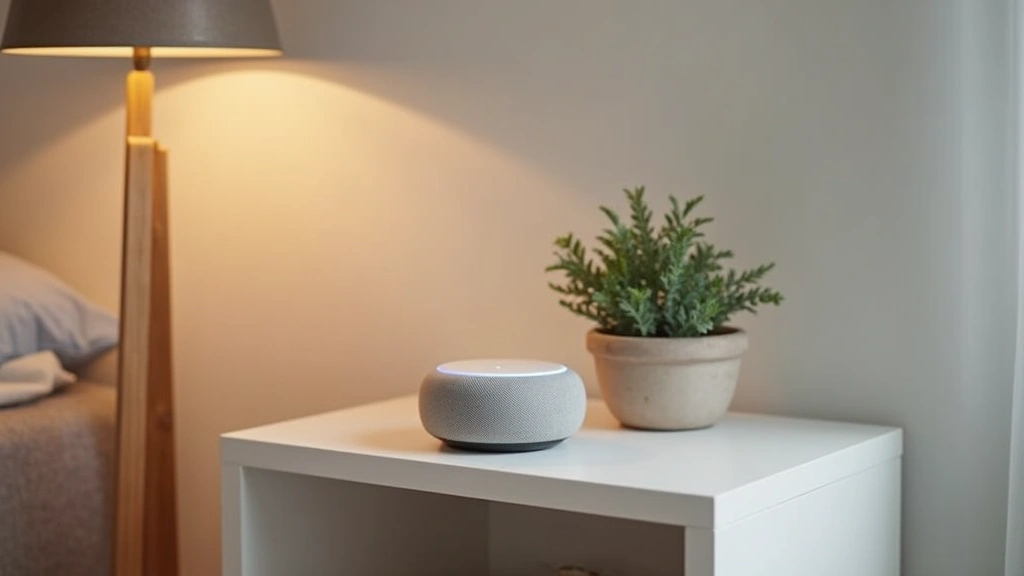
Smart speakers have become the central hub of most modern smart homes. The market leaders—Amazon Echo, Google Home, and Apple HomePod—each offer distinct advantages. The Amazon Echo Dot remains the most popular entry-level option, featuring a compact design, impressive sound quality for its size, and seamless integration with Amazon’s vast ecosystem. At approximately $50-60, it provides exceptional value with support for thousands of smart home devices.
The Google Nest Audio excels in audio quality and Google Assistant functionality, offering superior music streaming capabilities and more natural conversational AI. According to The Verge’s testing, the Nest Audio delivers cleaner treble and better bass response than competing models in its price range. The device also features built-in Chromecast functionality, allowing seamless audio streaming across multiple rooms.
Apple’s HomePod mini caters to the Apple ecosystem enthusiast, offering Siri voice control with impressive smart home automation capabilities. At $99, it’s positioned as a premium option, but provides unmatched integration with iOS devices, Apple Music, and HomeKit-compatible smart home devices. The spherical design looks elegant on shelves, and the device includes a temperature and humidity sensor—a feature absent from competitors.
For those seeking premium audio quality combined with smart home control, the Amazon Echo Studio ($199.99) delivers spatial audio support and Dolby Atmos processing. Technical specifications include 330W of power output across five drivers, making it suitable for larger living spaces. CNET’s acoustic testing confirmed its superiority in stereo separation and dynamic range compared to standard smart speakers.
Intelligent Thermostats and Climate Control
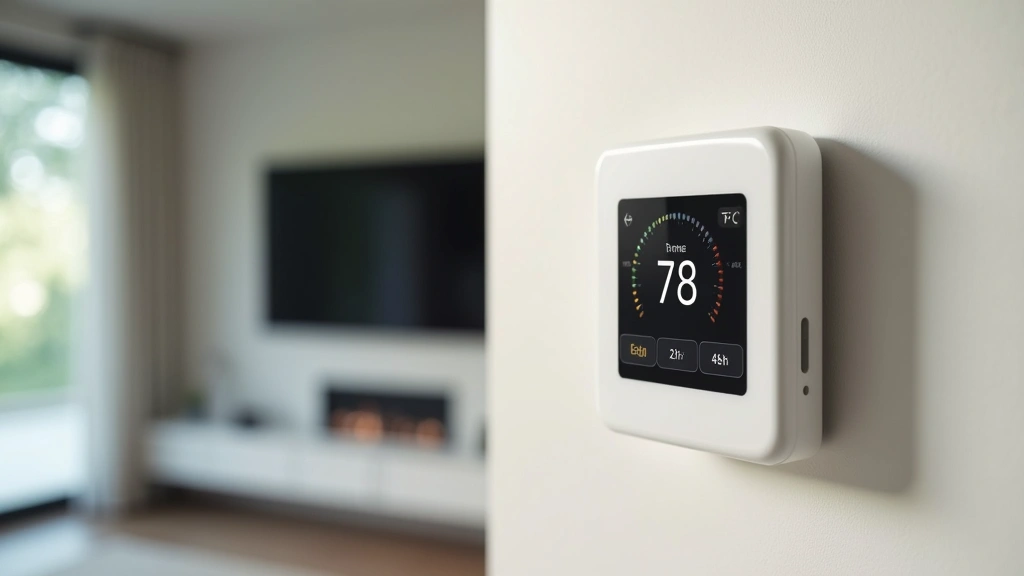
Thermostats represent one of the highest-impact smart home investments for energy savings. The Nest Learning Thermostat remains the industry standard, utilizing machine learning algorithms to optimize heating and cooling schedules based on your habits and preferences. The device learns your temperature preferences within approximately two weeks and adjusts automatically, potentially reducing energy consumption by 10-15% according to manufacturer specifications.
Installation requires a C-wire (common wire) in most cases, which may necessitate professional installation costing $75-150. The thermostat features a 3.97-inch circular display with a stainless steel ring, offering both aesthetic appeal and intuitive touch controls. Remote access through the Nest app enables temperature adjustments from anywhere, with detailed energy usage reports helping you identify optimization opportunities.
The Ecobee SmartThermostat provides an excellent alternative for HomeKit users, offering Thread support for improved smart home network reliability. At $169, it’s less expensive than the Nest Learning Thermostat, and includes a remote sensor for monitoring temperature in secondary rooms. The device supports voice control through Alexa, Google Assistant, and Siri, making it versatile across different smart home ecosystems.
For budget-conscious consumers, the Wyze Thermostat ($79.99) delivers impressive functionality at a fraction of premium competitors’ prices. While lacking machine learning capabilities, it offers scheduling flexibility, energy reports, and full remote control. Wyze devices integrate well with cloud computing benefits for smart home automation, enabling reliable remote access and data analytics.
Smart Lighting Systems
Smart lighting transforms your home’s ambiance while optimizing energy consumption. The Philips Hue ecosystem remains the gold standard, offering 16 million color options, superior brightness (up to 1600 lumens for the Color A19 bulb), and extensive third-party compatibility. Individual bulbs cost $15-50 depending on features, with starter kits available at $99.99 for the bridge and three bulbs.
The Hue system utilizes Zigbee protocol for reliable communication, creating a mesh network that strengthens as you add more devices. This approach differs from WiFi-dependent alternatives, offering superior reliability and reduced latency. Scenes can be programmed for specific activities—reading, entertaining, or sleeping—with color temperature and brightness automatically adjusting. The Hue Sync Box ($229.99) synchronizes lighting with television content, creating immersive entertainment experiences.
LIFX bulbs offer a compelling alternative, eliminating the need for a separate hub by connecting directly to your WiFi network. The LIFX Color A19 ($14.99 per bulb) delivers 16 million colors and 1000 lumens of brightness, with impressive 25,000-hour lifespan ratings. However, WiFi dependence can occasionally result in connectivity issues in homes with weak signal coverage.
Budget-friendly options include Wyze Smart Bulbs ($7.99 each in multi-packs), which sacrifice color options but provide basic on/off and brightness control. Nanoleaf light panels ($34.99-$49.99 each) cater to creative users seeking customizable wall art that doubles as smart lighting, offering 16 million colors and music synchronization features.
For outdoor spaces, Philips Hue Outdoor fixtures ($39.99-$99.99) withstand harsh weather while providing full color control and scheduling capabilities. Consider pairing outdoor lights with smart home automation systems that detect sunset times automatically, adjusting activation schedules seasonally without manual intervention.
Security and Surveillance Solutions
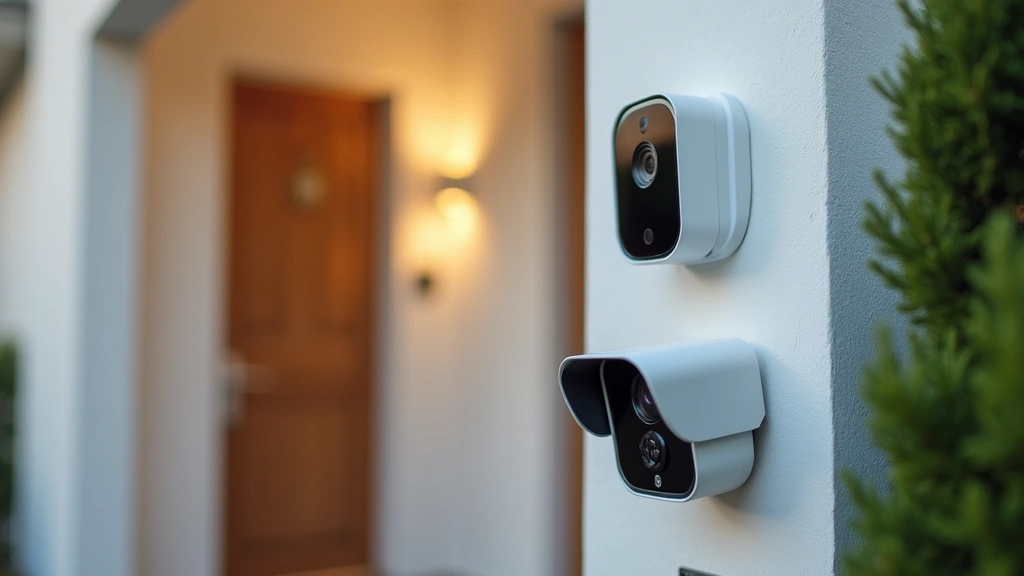
Home security represents perhaps the most critical smart home category, requiring reliable hardware and robust data protection. The Ring Video Doorbell Pro ($249.99) offers 3D motion detection, dual band WiFi support, and 1600×1200 resolution video capture. The device integrates seamlessly with Amazon Alexa, enabling real-time notifications and two-way communication from your smartphone.
Installation requires hardwiring to your existing doorbell circuit (16-24 VAC), though battery-powered alternatives exist for renters. The Ring ecosystem includes compatible outdoor cameras, alarm systems, and smart locks, creating comprehensive property protection. According to PCMag’s testing, the Pro model delivers superior night vision clarity compared to standard Ring doorbells, with infrared range exceeding 30 feet.
The Logitech Circle View ($199.99) provides HomeKit-exclusive security with end-to-end encryption and local video recording. The wired outdoor camera captures 1080p video at 24 fps, with intelligent person and vehicle detection. HomeKit Secure Video subscription ($4.99/month or $49.99/year) enables advanced AI recognition while maintaining complete privacy—video analysis occurs on-device rather than cloud servers.
For comprehensive indoor surveillance, the Wyze Cam v3 ($35.99) delivers exceptional value with 1080p resolution, color night vision, and person detection. The compact form factor suits discretion-conscious users, while the $14.99/year cloud storage subscription remains among the most affordable options available. However, limited integration with non-Wyze ecosystems restricts compatibility for users invested in competing platforms.
The Arlo Ultra 2 ($399.99 for single camera) represents the premium surveillance option, featuring 4K resolution, motorized zoom, and advanced AI recognition distinguishing people, vehicles, animals, and packages. The wireless design simplifies installation, though battery replacement every 3-4 months adds ongoing maintenance costs. Artificial intelligence applications in home security continue advancing, with future models promising improved threat detection accuracy.
Smart Plugs and Energy Management
Smart plugs represent the most accessible entry point for smart home automation, converting ordinary devices into connected appliances. The Wemo Smart Plug ($29.99) offers reliable performance, scheduling capabilities, and real-time power monitoring displaying wattage consumption. The compact design avoids blocking adjacent outlets, addressing a common complaint with bulkier alternatives.
The Meross Smart Plug Mini ($16.99) delivers impressive functionality at budget pricing, including power monitoring accurate to 0.1W and HomeKit support with end-to-end encryption. The diminutive form factor (2.2 x 1.4 x 1.3 inches) makes it ideal for apartment dwellers with limited outlet space. Remote control through the Meross app enables appliance management from anywhere, with scheduling allowing automatic device shutoff at specified times.
For users requiring multiple outlets, the Kasa Smart Power Strip ($39.99) provides three individually controllable outlets plus two standard USB ports. Each outlet can be controlled independently, enabling sophisticated automation—for example, turning off entertainment system components while maintaining router power. Energy monitoring tracks consumption per outlet, identifying power-hungry devices for optimization.
The Eve Energy ($39.99) offers HomeKit exclusive features including local processing, historical data retention, and carbon footprint tracking. The device calculates estimated CO2 emissions from connected appliances, aligning with technology in renewable energy innovations and sustainable living goals. Maximum supported load reaches 16A (approximately 3,680W), accommodating larger appliances than competitors.
Advanced energy management requires hub-based solutions. The Sense Energy Monitor ($249) installs in your electrical panel, providing whole-home consumption analytics with circuit-level granularity. Machine learning identifies individual appliances’ usage patterns, alerting you to unusual consumption spikes indicating potential malfunctions. Integration with solar systems enables optimization of self-consumption rates.
Integration and Ecosystem Compatibility
Successful smart home implementation depends on device compatibility and seamless integration across platforms. The three dominant ecosystems—Amazon Alexa, Google Assistant, and Apple HomeKit—each offer distinct advantages and limitations. Before purchasing individual devices, establish your primary ecosystem based on your existing devices and preferences.
Alexa dominates in device quantity and third-party support, with over 100,000 compatible devices available. Amazon’s aggressive pricing and Tech Pulse Hunter Blog coverage of smart home innovations keep their ecosystem competitive. However, Alexa’s voice recognition occasionally struggles with natural language understanding compared to Google Assistant.
Google Home excels in artificial intelligence and natural language processing, understanding complex queries and context-dependent requests. Google’s integration with search, maps, and calendar services creates powerful automation possibilities. The ecosystem contains fewer devices than Alexa, but compatibility continues expanding.
Apple HomeKit prioritizes privacy through end-to-end encryption and on-device processing, appealing to security-conscious users. The HomeKit Secure Video subscription provides advanced AI recognition while maintaining complete privacy—video analysis never reaches Apple servers. However, HomeKit device selection remains limited, with fewer budget-friendly options available.
Protocol compatibility matters significantly for smart home reliability. Zigbee devices (Philips Hue, IKEA Tradfri) create mesh networks improving range and reliability. Thread protocol, supported by Apple HomePod mini and Nanoleaf devices, offers superior performance for latency-sensitive applications. WiFi devices provide simplicity but may experience congestion in crowded networks.
Consider how to upgrade your smart home infrastructure gradually, starting with a central hub and expanding systematically. This approach prevents compatibility conflicts and enables thoughtful integration planning. Consult device manufacturer specifications before purchasing to verify ecosystem compatibility and protocol support.
FAQ
What smart home device should I buy first?
Start with a smart speaker (Amazon Echo Dot or Google Nest Audio) to establish your primary ecosystem. These devices serve as hubs for additional automation and provide voice control functionality. Budget approximately $50-100 for a quality entry-level option, then expand based on your specific needs.
Do I need a smart home hub?
Hub requirements depend on your chosen ecosystem and devices. Amazon Alexa functions without a hub, though an Echo device or Fire TV serves as the primary hub. Google Home operates similarly. Apple HomeKit requires a HomePod mini or Apple TV for remote access and automation. Zigbee and Thread devices benefit significantly from dedicated hubs improving network reliability.
Are smart home devices secure?
Security varies significantly across manufacturers. Apple HomeKit prioritizes encryption and on-device processing. Google Home and Amazon Alexa employ cloud-based processing with encryption in transit. Always use strong, unique passwords, enable two-factor authentication, and keep firmware updated. Regularly review privacy settings and disable unnecessary permissions.
How much will smart home devices cost?
Entry-level smart home setups cost $100-300 including a smart speaker and basic smart bulbs or plugs. Comprehensive automation with security, lighting, climate control, and entertainment systems typically requires $1,500-3,000 investment. Premium installations with professional setup and advanced features can exceed $5,000.
What’s the best smart home ecosystem?
No single ecosystem suits all users. Alexa offers maximum device selection and affordability. Google Home excels in AI and natural language understanding. Apple HomeKit prioritizes privacy and security. Evaluate your existing devices, preferred brands, and priorities before committing to an ecosystem. Many users successfully operate multi-ecosystem homes with strategic device selection.
Can I add smart devices to a rental property?
Yes, renters can implement smart homes using non-destructive installation methods. Battery-powered devices, adhesive mounting, and removable fixtures enable smart automation without permanent modifications. Consult your lease regarding permitted modifications before installation, and prioritize portable solutions when possible.


