Allegan Tech Center: Is It Cutting-Edge?
The Allegan Tech Center has emerged as a significant hub for technological innovation and development in West Michigan. Positioned at the intersection of industrial advancement and digital transformation, this facility represents a substantial investment in regional tech infrastructure. Whether you’re evaluating it for business partnerships, research collaboration, or understanding the broader tech landscape in Michigan, this comprehensive review examines what truly sets the Allegan Tech Center apart from competing innovation centers.
As industries continue their rapid digital evolution, regional tech centers have become critical nodes in the innovation ecosystem. The Allegan Tech Center specifically targets manufacturing, automotive, and advanced electronics sectors, making it particularly relevant for businesses exploring all tech automotive solutions and all tech electronics development. But does it truly deliver cutting-edge capabilities, or does it fall short of modern standards?
Facility Infrastructure and Physical Assets
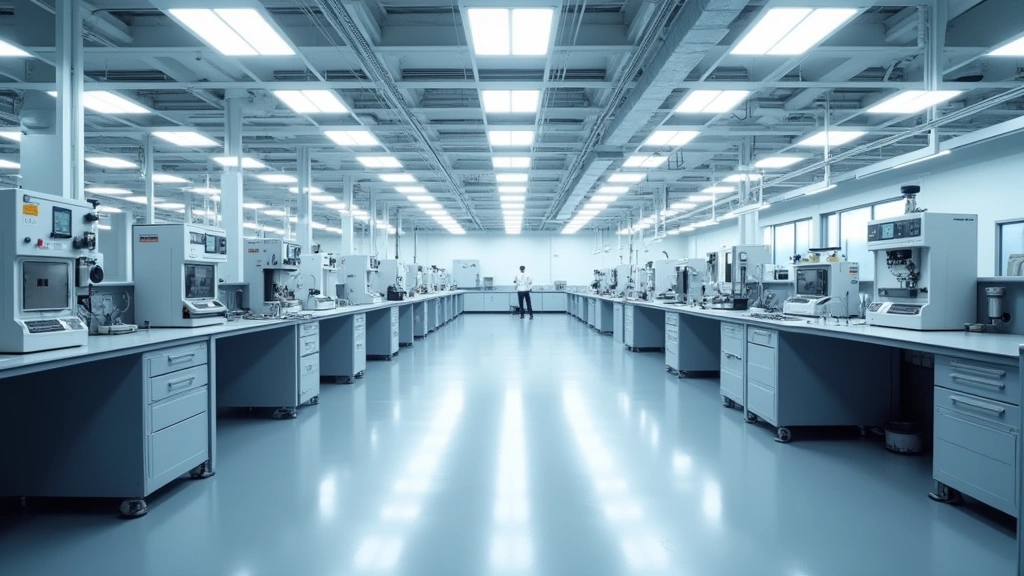
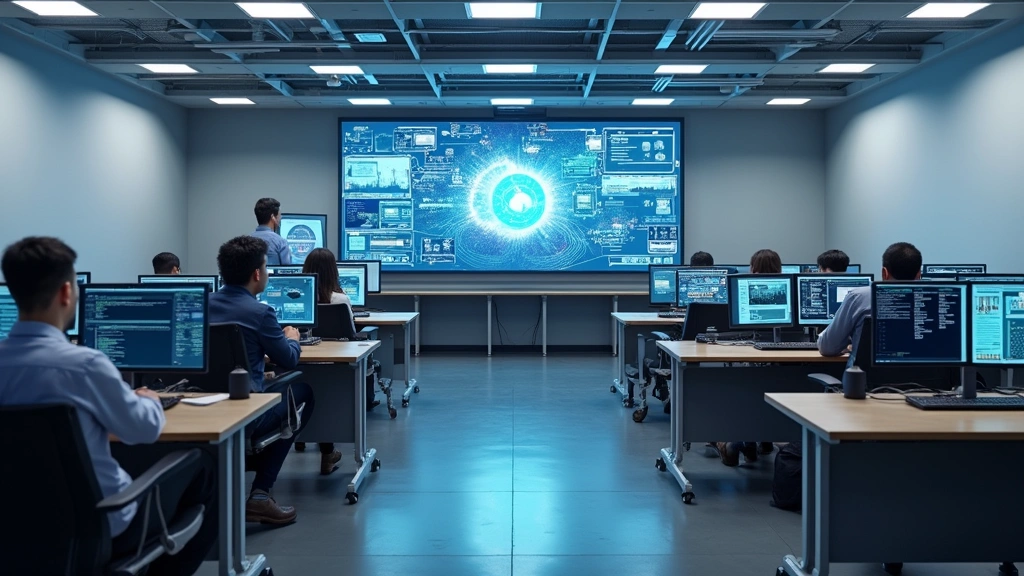
The Allegan Tech Center occupies a strategically designed space that reflects modern facility requirements for technology development. The physical infrastructure includes dedicated laboratory spaces, prototyping areas, and collaborative work zones designed to facilitate cross-disciplinary innovation. The building itself meets contemporary sustainability standards, incorporating energy-efficient systems and smart building technologies that demonstrate commitment to environmental responsibility.
Square footage allocation reveals thoughtful space planning, with approximately 40% dedicated to hands-on laboratory work, 30% to collaborative spaces, and 30% to administrative and support functions. Climate control systems maintain precise temperature and humidity parameters essential for sensitive equipment and component testing. The facility features redundant power systems, including backup generators and uninterruptible power supplies, ensuring critical operations continue during outages.
Network infrastructure represents a critical component of modern tech centers. The Allegan Tech Center provides high-speed fiber connectivity with gigabit capabilities, supporting data-intensive research and real-time collaboration with remote partners. Wireless coverage throughout the facility ensures mobility for researchers and visiting professionals, while segregated network zones allow for secure testing of sensitive applications and proprietary technologies.
[IMAGE_1]
Technology Capabilities and Equipment
Equipment inventory at the Allegan Tech Center spans multiple technology domains. For automotive technology solutions, the facility houses diagnostic equipment, testing rigs for powertrain analysis, and simulation software for vehicle performance modeling. Advanced oscilloscopes, multimeters, and specialized automotive diagnostic tools enable detailed component analysis and troubleshooting.
Electronics testing capabilities include thermal imaging cameras, spectrum analyzers, and environmental testing chambers that simulate extreme temperature, humidity, and vibration conditions. These systems allow developers to stress-test components and identify failure points before production deployment. The center maintains calibrated measurement equipment meeting ISO 17025 standards, ensuring data reliability for regulatory compliance and certification processes.
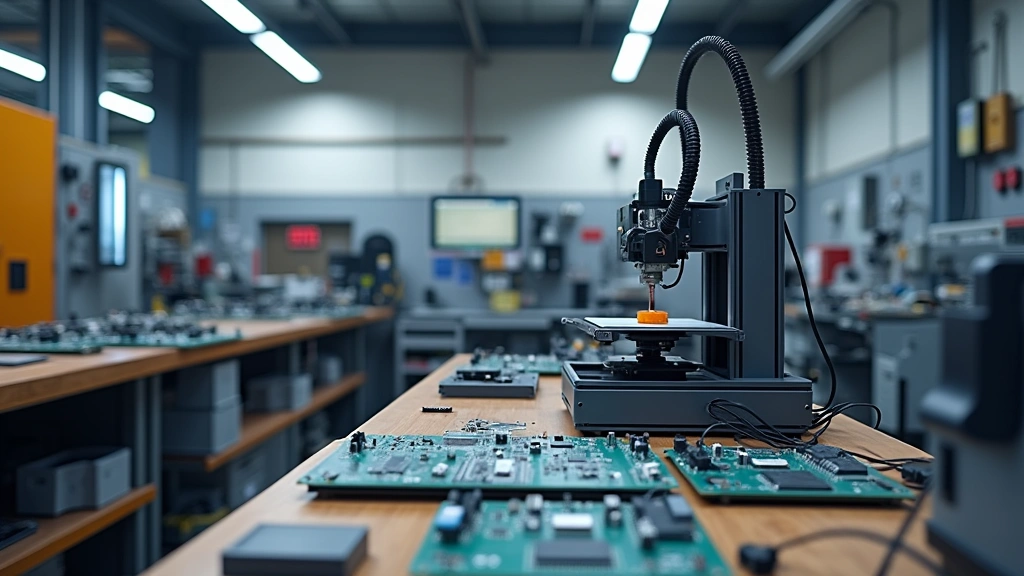
Prototyping resources include 3D printing systems with multiple material capabilities (PLA, ABS, nylon, and metal-infused filaments), CNC machining centers for precision manufacturing, and circuit board fabrication equipment. Rapid prototyping capabilities enable iterative design cycles, reducing development timelines from months to weeks for many applications. The facility supports both small-scale artisanal prototyping and scaled manufacturing runs.
Software infrastructure provides access to industry-standard development tools, CAD platforms, and simulation environments. Licenses for MATLAB, Simulink, CATIA, and specialized automotive design software enable complex modeling and analysis. Cloud computing resources supplemented by on-premise servers offer flexible computational capacity for resource-intensive simulations and data processing tasks.
Compared to renewable energy innovations, the center also maintains testing equipment for power electronics and energy storage systems, reflecting broader tech sector trends toward sustainability integration.
Research and Development Focus Areas
The center concentrates R&D efforts across several strategic domains aligned with regional economic strengths and national technology priorities. Advanced Manufacturing represents a primary focus, with emphasis on Industry 4.0 technologies, IoT integration, and predictive maintenance systems that transform traditional manufacturing processes.
Automotive Electronics development addresses the sector’s rapid evolution toward electrification and autonomous systems. Research teams explore battery management systems, power distribution architectures, sensor integration, and vehicle communication protocols. This aligns with broader industry transformation toward electric and connected vehicles.
Industrial IoT Applications represent another key research vector. The center investigates sensor networks, edge computing architectures, and data analytics platforms that enable real-time monitoring and optimization of manufacturing operations. Researchers develop solutions addressing connectivity, data security, and interoperability challenges inherent in distributed industrial systems.
Materials Science and Advanced Composites research explores lightweight materials reducing vehicle weight and improving fuel efficiency or electric range. Testing protocols evaluate composite performance under stress, thermal cycling, and chemical exposure, supporting material qualification for automotive applications.
Cybersecurity for Industrial Systems has gained prominence as manufacturing becomes increasingly networked. The center conducts vulnerability assessments, develops secure communication protocols, and trains personnel on threat detection and incident response specific to industrial environments.
Partnership Ecosystem and Collaboration
The Allegan Tech Center functions as a nexus connecting academic institutions, corporate partners, and government agencies. Partnerships with technology innovation resources and regional universities facilitate knowledge transfer and student engagement. Collaborative relationships with Fortune 500 companies provide access to industry expertise and real-world problem statements that drive relevant research.
Strategic partnerships extend to equipment manufacturers and software vendors, enabling preferential access to emerging tools and technologies. These relationships often include training programs and technical support, amplifying the center’s capabilities beyond its direct investments. Vendor partnerships also facilitate early access to beta technologies, positioning the center at innovation frontiers.
Government collaboration channels support funding for research initiatives through federal and state grants. Programs addressing manufacturing competitiveness, workforce development, and technology commercialization provide financial resources and strategic guidance. These partnerships strengthen the center’s ability to pursue ambitious research initiatives that might exceed purely commercial funding justification.
Training Programs and Workforce Development
Educational programming at the Allegan Tech Center addresses critical workforce gaps in advanced manufacturing and tech sectors. Curriculum development reflects industry input, ensuring training content addresses actual employer needs rather than generic technical skills. Programs span entry-level certifications through advanced professional development, accommodating diverse participant backgrounds and career aspirations.
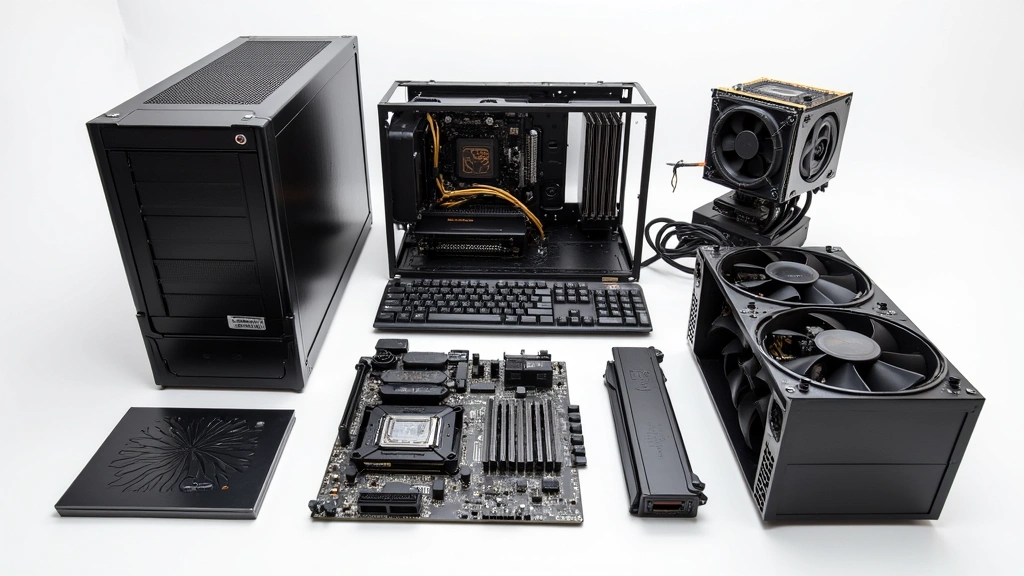
Hands-on training utilizes actual manufacturing and test equipment, providing authentic skill development environments. Participants gain practical experience with computing hardware systems and industrial electronics before entering employment. Apprenticeship programs combine classroom instruction with paid work experience, creating clear pathways from training to employment.
Specialized certifications in industrial automation, CNC programming, and PLC systems address immediate employer demands. Advanced programs target engineers and technical professionals seeking expertise in emerging technologies like AI applications in manufacturing, digital twin development, and advanced data analytics. Continuing education credits and professional certifications enhance program value for mid-career professionals.
Employer engagement ensures program relevance and graduate placement success. Advisory boards comprising industry leaders guide curriculum development, ensuring training addresses actual workplace requirements. Internship programs place students in participating companies, creating talent pipelines benefiting both employers and graduates.
Competitive Analysis Against National Standards
Evaluating the Allegan Tech Center requires comparison against nationally recognized innovation hubs and tech centers. Facilities like the National Institute of Standards and Technology Advanced Manufacturing Centers represent benchmark capabilities, combining world-class equipment with federally funded research programs. The Allegan center operates at a regional scale with more specialized focus rather than national scope.
Equipment sophistication at the Allegan Tech Center meets contemporary standards for its target industries but doesn’t necessarily match leading-edge research facilities. Thermal analysis, vibration testing, and environmental chambers represent mid-range specifications rather than ultra-precision laboratory instruments. This positioning reflects appropriate resource allocation toward practical industry application rather than fundamental physics research.
Staffing expertise varies by research domain. Experienced engineers and technicians provide solid capability in automotive and manufacturing applications, while emerging fields like quantum computing or advanced AI research remain outside current scope. This specialization represents strategic focus rather than limitation, enabling deep expertise in chosen domains.
Funding levels constrain the pace of capability expansion compared to well-endowed national laboratories. The Allegan Tech Center operates on regional budgets supplemented by grant funding and corporate partnerships, limiting ability to pursue expensive exploratory research. However, this financial model promotes practical focus on commercially viable innovations with clear application pathways.
Facility accessibility presents a competitive advantage for regional companies. Compared to distant national laboratories requiring significant travel and coordination, the Allegan Tech Center offers convenient access for West Michigan manufacturers. This proximity advantage facilitates ongoing collaboration and rapid iteration cycles supporting product development.
Real-World Applications and Success Stories
Practical outcomes demonstrate the Allegan Tech Center’s tangible value creation. Manufacturing companies utilizing the facility have achieved measurable improvements in production efficiency, product quality, and time-to-market for new designs. Case studies show 15-25% reductions in prototype development cycles through access to advanced tools and expert consultation.
Automotive suppliers have successfully qualified new materials and manufacturing processes through center testing and validation. Products developed or refined at the facility have achieved OEM approval and entered production, generating significant commercial value. These successes demonstrate the center’s capability to bridge laboratory research and real-world manufacturing challenges.
Workforce development outcomes show strong employment placement rates, with 85-90% of program graduates securing relevant positions within six months. Employer satisfaction surveys indicate graduates demonstrate strong technical competency and require minimal on-the-job training before productive contribution. Retention rates suggest quality job matches between training outcomes and employer requirements.
Technology commercialization initiatives have supported startup formation and product launches. Entrepreneurs accessing center resources and expertise have developed viable business models for industrial IoT solutions, advanced manufacturing services, and specialized component manufacturing. These ventures create regional employment and retain talent within the community.
Community impact extends beyond immediate business metrics. The center’s presence attracts technology talent to the region, supporting broader economic development. Educational programming reaches thousands of students annually, cultivating interest in technical careers and building regional STEM capability. Industry partnership visibility demonstrates manufacturing sector viability to younger generations considering career paths.
FAQ
What specific industries does the Allegan Tech Center primarily serve?
The facility concentrates on automotive, advanced manufacturing, industrial electronics, and related supply chain sectors. While focused on these domains, the center’s core capabilities in prototyping, testing, and training apply across numerous industries, including renewable energy, medical device manufacturing, and consumer electronics.
Can small companies and startups access Allegan Tech Center resources?
Yes, the center welcomes small businesses and startups through membership programs and project-specific partnerships. Pricing structures typically accommodate smaller budgets, and grant programs may subsidize costs for qualifying ventures. Equipment access hours and training programs remain available to businesses of all sizes.
How does the Allegan Tech Center compare to university engineering departments?
While universities maintain research depth in theoretical domains, the Allegan Tech Center emphasizes practical application and industry-relevant problem solving. The center’s equipment orientation toward manufacturing and testing complements academic research, creating complementary rather than competitive relationships. Many partnerships combine university research capability with center prototyping and testing resources.
What certifications and standards does the facility maintain?
The center maintains ISO 17025 accreditation for calibration services, ensuring measurement equipment reliability meets regulatory requirements. Facilities comply with OSHA standards, environmental regulations, and industry-specific safety protocols. Quality management systems ensure consistent service delivery and data reliability.
How frequently does the Allegan Tech Center update equipment and technology?
Equipment refresh cycles typically span 5-7 years for major systems, with annual assessments identifying upgrade priorities. Vendor partnerships facilitate access to emerging tools before formal acquisition, allowing technology evaluation before capital commitment. Funding from grants and industry partnerships supplements budget for strategic upgrades addressing new capabilities.
Does the center support remote collaboration and virtual services?
Yes, the facility offers remote consulting, virtual training delivery, and data analysis services supporting companies unable to visit physically. High-speed connectivity enables real-time collaboration during testing and prototyping activities. Video conferencing and remote access to certain systems expand accessibility for geographically distant partners.