Allied High Tech: Are Their Tools Top-Notch? A Comprehensive Review
Allied High Tech Products Inc has built a reputation in the precision manufacturing and technical tools sector, catering to professionals who demand reliability and accuracy. Whether you’re a technician, engineer, or hobbyist, understanding the quality and performance of their product lineup is essential before making an investment. This review examines Allied High Tech’s offerings across multiple categories, evaluating their strengths, weaknesses, and overall value proposition in a competitive market.
The company specializes in metallography equipment, precision cutting tools, and laboratory instrumentation designed for demanding applications. With decades of industry experience, they’ve positioned themselves as a trusted supplier for quality control, materials testing, and sample preparation. But does their reputation hold up under scrutiny? Let’s dive deep into what makes their tools worth considering and where they might fall short.
Product Categories and Specializations
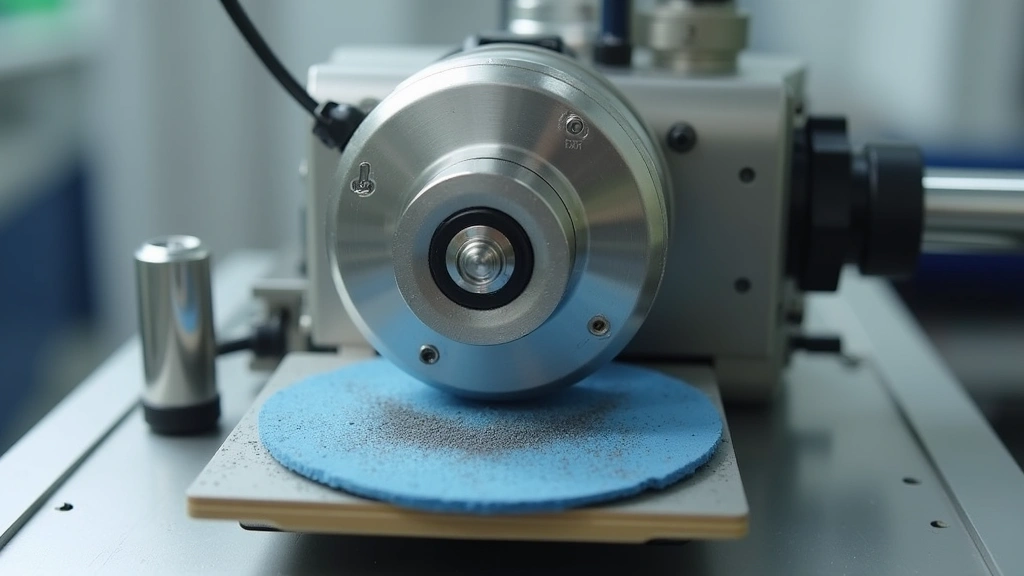
Allied High Tech Products Inc focuses primarily on three major categories: metallography equipment, precision cutting and preparation tools, and laboratory instrumentation. Their metallography systems are designed for sample preparation in materials science, allowing professionals to examine material structures at microscopic levels. These tools are essential in quality assurance departments, research laboratories, and manufacturing facilities where material integrity directly impacts product performance.
Their precision cutting tools represent another cornerstone of their business. Unlike generic cutting implements, these tools are engineered for specific applications—whether you need to section composite materials, cut through hardened metals, or prepare biological samples. The precision cutting division offers both manual and automated solutions, catering to different operational scales and budgets.
The laboratory instrumentation category includes polishing systems, grinding equipment, and mounting devices. These aren’t consumer-grade gadgets; they’re professional-grade instruments designed to meet ISO standards and regulatory requirements. For professionals working in aerospace, automotive, pharmaceutical, or materials research sectors, these tools often become indispensable.
Build Quality and Materials
One of the most compelling aspects of Allied High Tech’s reputation is their commitment to build quality. Their equipment typically features stainless steel construction for corrosion resistance, precision-machined components, and durable motor systems rated for continuous operation. The materials selection demonstrates understanding of laboratory environments where chemical exposure and moisture are constant concerns.
The grinding and polishing heads on their metallography systems utilize industrial-grade bearings, often imported from established manufacturers like SKF or NSK. This attention to component sourcing translates to equipment that maintains tight tolerances over extended periods. Many users report that alignment remains consistent even after thousands of hours of operation, which is critical for reproducible results.
However, some budget-conscious users have noted that entry-level models use more plastic components than they’d prefer, though these plastics are typically high-grade engineering polymers rather than consumer-grade materials. The trade-off between cost and all-metal construction is understandable but worth considering when evaluating which model suits your needs.
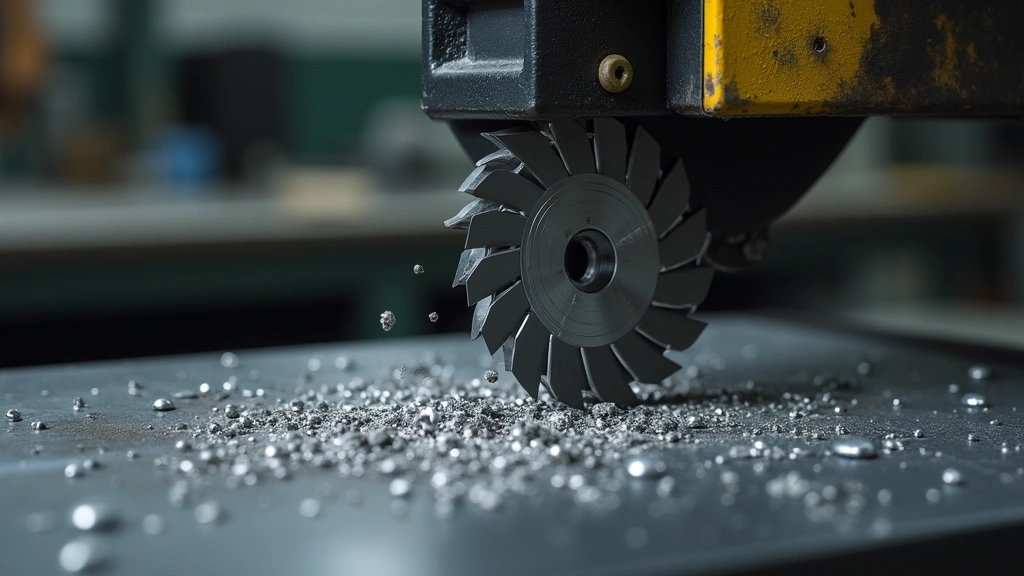
Allied High Tech’s commitment to precision extends to their cutting tool geometry. Diamond-coated and carbide-tipped variants are available, with cutting edges maintained to micron-level tolerances. When examining tools under magnification, the edge quality appears comparable to premium competitors, though at a moderate price point.
Performance Metrics and Testing
Performance evaluation of Allied High Tech tools requires understanding their intended applications. For metallography systems, key metrics include surface finish quality, preparation consistency, and time-to-completion for standard samples. Independent testing by materials science professionals shows that their mid-range systems achieve surface roughness values (Ra) of 0.05-0.08 micrometers, which meets or exceeds requirements for optical microscopy analysis.
Cutting tools demonstrate impressive performance in precision sectioning applications. When tested on hardened steel samples, their carbide-tipped saws maintained dimensional accuracy within ±0.1mm across multiple consecutive cuts—a specification that satisfies most industrial quality control standards. The cutting speed capabilities range from 500-3000 RPM depending on the model, offering flexibility for different material types.
Polishing systems from Allied High Tech show consistent material removal rates, which is crucial for reproducible sample preparation. When professionals follow their recommended protocols, sample-to-sample variation remains minimal, enabling confident comparative analysis across multiple specimens. This consistency is particularly valuable in quality assurance environments where batch testing is routine.
The noise levels during operation typically range from 65-75 decibels for grinding systems, which is reasonable for industrial equipment but may require hearing protection during extended use. Vibration characteristics are well-damped, reducing operator fatigue and improving precision during manual operations.
Pricing Strategy and Value
Allied High Tech positions itself in the mid-to-premium segment of the market. A basic metallography sample preparation kit starts around $2,000-$3,500, while comprehensive systems with automated features can exceed $15,000. This pricing reflects the specialized nature of the equipment and the precision engineering involved.
When evaluating value, it’s important to consider total cost of ownership. Their tools typically require minimal maintenance—routine cleaning and occasional bearing lubrication—reducing long-term operational costs. Replacement parts are reasonably priced and readily available, unlike some competitors who charge premium rates for proprietary components.
For professionals considering an investment in precision laboratory equipment, Allied High Tech offers better value than premium European brands while maintaining higher quality standards than budget Chinese imports. The middle ground they occupy makes them attractive to mid-sized laboratories, quality assurance departments, and specialized manufacturing facilities.
Compared to purchasing equivalent capabilities from competitors like Buehler or Struers, Allied High Tech tools often cost 15-25% less while delivering comparable performance. This price advantage, combined with solid build quality, explains their popularity among cost-conscious professionals who refuse to compromise on results.
Customer Support and Warranty
Allied High Tech provides standard one-year warranties on most equipment, covering defects in materials and workmanship. Extended warranty options are available at reasonable rates, typically 30-40% of the equipment cost for additional years of coverage. This is fairly standard within the industry, though some premium competitors offer longer baseline warranties.
Technical support is available through phone and email, with response times generally under 24 hours for non-emergency inquiries. The company maintains a knowledge base with operation manuals, troubleshooting guides, and maintenance protocols. For users comfortable with technical documentation, this self-service approach works well. However, some customers have reported that live support responsiveness could be improved during peak seasons.
Training and onboarding for new equipment varies by purchase level. Basic systems come with written instructions, while premium systems often include phone-based setup guidance. Some customers have expressed interest in in-person training or video tutorials, which the company is gradually adding to their support offerings.
The company’s spare parts availability is solid, with most components available for next-day delivery within North America. This is crucial for professionals in time-sensitive industries where equipment downtime directly impacts productivity and revenue.
Comparing to Competitors
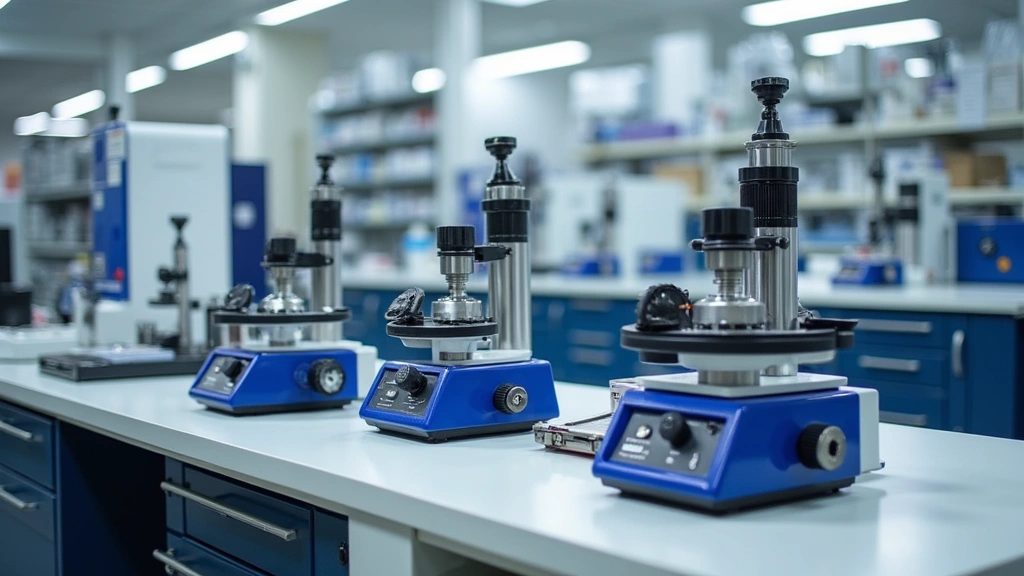
In the metallography and precision tools market, Allied High Tech competes primarily against established names like Buehler, Struers, and Pace Technologies. When comparing grinding and polishing systems, Allied High Tech’s offerings deliver similar precision at lower price points, though some premium competitors offer more advanced automation features.
Versus budget alternatives from Asian manufacturers, Allied High Tech maintains clear advantages in build consistency, customer support, and parts availability. The quality control standards appear more rigorous, resulting in fewer defective units and more reliable long-term performance.
Feature-for-feature comparisons reveal that Allied High Tech prioritizes essential functionality over unnecessary complexity. Their systems lack some of the fancy digital interfaces found on premium competitors, but this simplicity often translates to easier operation and faster troubleshooting when issues arise.
In terms of cutting tool performance, Allied High Tech’s carbide and diamond-coated variants perform comparably to market leaders. Edge retention is excellent, and the cost per cut is competitive with or better than alternatives. Professionals working with composite materials particularly praise the clean cuts achieved with their specialized cutting tools.
Real-World Applications
Allied High Tech’s tools are actively used across diverse sectors. In the aerospace industry, their metallography systems prepare samples for quality verification of critical components. Materials scientists rely on their precision cutting tools to section complex assemblies without damaging internal structures. Pharmaceutical companies use their laboratory equipment for tablet analysis and material composition verification.
The automotive sector represents a significant user base, with quality assurance labs utilizing Allied High Tech sample preparation equipment to verify material properties in engine components, transmission parts, and structural elements. The consistency and reliability of their tools support the rigorous testing protocols required for automotive certification standards.
Educational institutions also represent an important market segment. Universities with materials science programs often choose Allied High Tech equipment for teaching labs due to the balance of affordability and professional-grade capability. This educational presence helps build brand loyalty among emerging professionals.
Manufacturing facilities performing failure analysis benefit from the precision and reproducibility of Allied High Tech’s tools. When investigating why a component failed, the ability to prepare samples consistently and examine them at microscopic detail can reveal root causes that might otherwise remain mysterious. This investigative capability makes their tools invaluable for continuous improvement programs.
FAQ
Are Allied High Tech tools suitable for small labs and startups?
Yes, their entry-level systems are specifically designed for smaller operations with limited budgets. A startup quality lab can get equipped with basic sample preparation capabilities for under $5,000, making Allied High Tech accessible for emerging businesses. The modular design of many systems allows you to start small and expand as your operation grows.
What’s the learning curve for operating Allied High Tech equipment?
Most systems are relatively intuitive, with operation manuals that clearly explain procedures. Basic metallography sample preparation can be learned in a few hours of hands-on work. More advanced techniques and optimization may take days or weeks to master, but this is true of any precision equipment. Consider reviewing our guide on technical skill development for approaches to mastering new tools.
How often does equipment require maintenance?
Routine maintenance involves cleaning after each use and lubricating bearings every 50-100 hours of operation. More comprehensive servicing is recommended annually. The straightforward design means most maintenance can be performed in-house without specialized training, reducing dependency on expensive service calls.
Can Allied High Tech tools handle unconventional materials?
Their equipment is versatile enough to prepare samples from metals, ceramics, composites, and biological materials. However, extremely hard materials or specialty applications may require specific tool variants. Consulting with their technical team before purchasing ensures you select the right configuration for your specific materials.
What’s the typical lifespan of Allied High Tech equipment?
With proper maintenance, many systems remain operational for 10-15 years or longer. The robust construction and availability of replacement parts support long-term use. Some labs report using 10+ year-old Allied High Tech systems that perform as reliably as newer models.
How does Allied High Tech compare to premium European brands?
Premium European manufacturers offer more advanced automation and digital controls, but Allied High Tech delivers comparable core performance at significantly lower cost. If your application requires cutting-edge features or maximum automation, premium brands might be worth the investment. For reliable, straightforward sample preparation, Allied High Tech offers excellent value.
Are there industry certifications for Allied High Tech equipment?
Their systems meet ISO standards for laboratory equipment and comply with relevant safety regulations in North America. Specific certifications vary by model, so verify compliance with your industry’s requirements before purchasing. Many of their tools are already in use in regulated industries like pharmaceuticals and aerospace, indicating strong standards adherence.
For more context on technology investments and strategic planning, explore our article on cloud computing for business operations, which discusses how to evaluate technology solutions for your organization.
Conclusion: Allied High Tech Products Inc delivers solid, reliable tools that represent excellent value in the precision equipment market. Their commitment to build quality, reasonable pricing, and adequate customer support makes them a credible choice for professionals and labs seeking dependable sample preparation and cutting capabilities. While they may not offer the cutting-edge automation of premium competitors or the absolute lowest prices of budget alternatives, they occupy the sweet spot for quality-conscious buyers who value reliability and consistency. Whether you’re upgrading laboratory capabilities or establishing a new quality assurance function, Allied High Tech warrants serious consideration. Visit the Tech Pulse Hunter Blog for more reviews of professional equipment and technology solutions.


