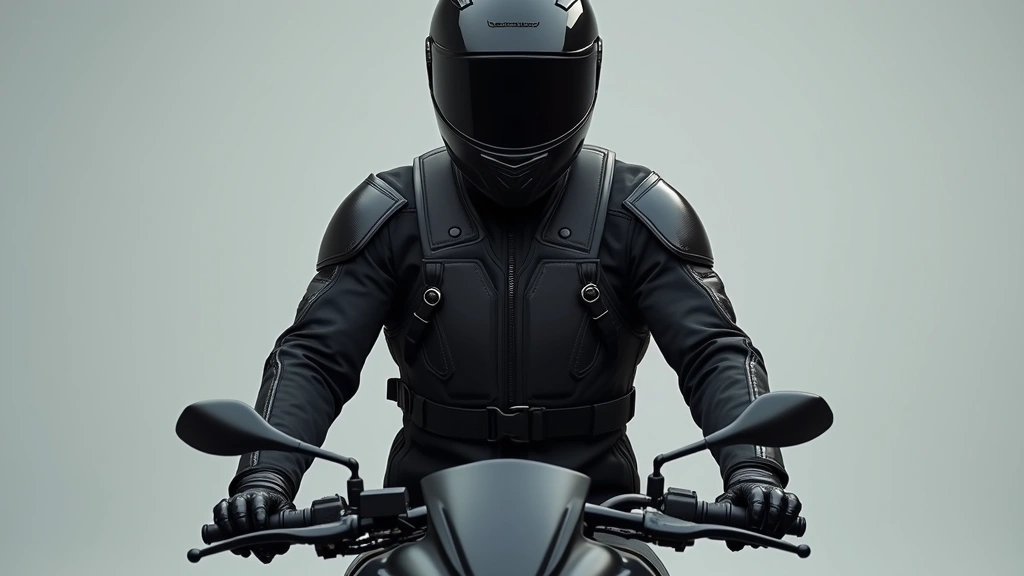
Alpinestars Tech Air 5: Worth the Investment?
The Alpinestars Tech Air 5 Plasma represents a significant leap in motorcycle safety technology, combining advanced airbag systems with premium materials and real-time impact detection. As one of the most sophisticated protective garments available to riders, this jacket has generated considerable buzz in the motorsports community. But with a premium price tag and complex technology, the question remains: is it truly worth the investment for your riding needs?
In this comprehensive review, we’ll dissect every aspect of the Tech Air 5 Plasma—from its cutting-edge sensor technology to its practical wearability and long-term value proposition. Whether you’re a track enthusiast, weekend warrior, or commuter seeking maximum protection, understanding this jacket’s capabilities and limitations is essential before making such a significant purchase.
Understanding the Alpinestars Tech Air 5 Technology
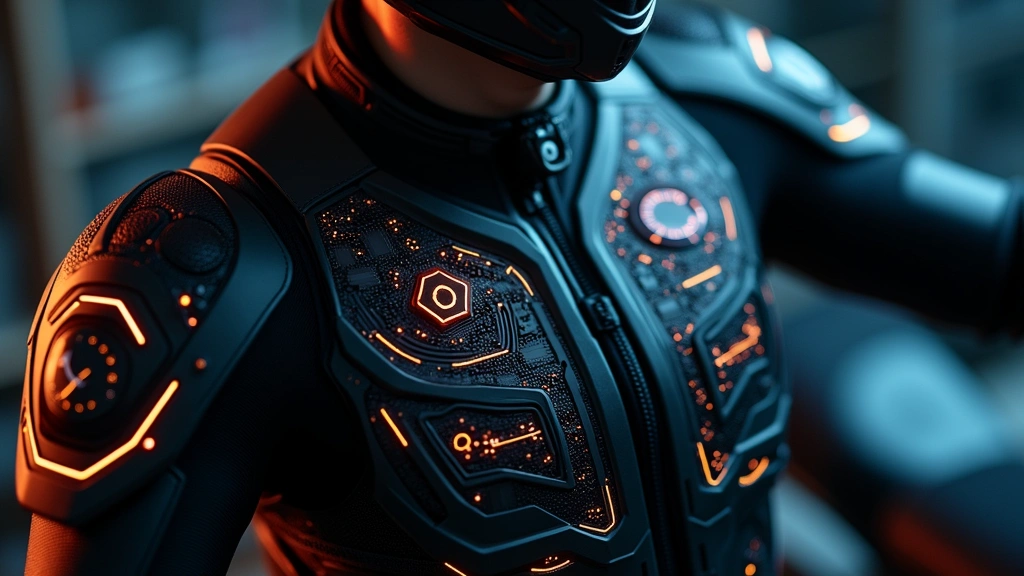
The Alpinestars Tech Air 5 Plasma features proprietary technology that fundamentally changes how motorcycle safety operates. At its core, the jacket utilizes an integrated airbag system with intelligent sensors that detect impact patterns and deploy protection in milliseconds. Unlike passive protection systems that rely solely on materials, this active technology responds to actual crash dynamics.
The system incorporates a sophisticated algorithm that analyzes acceleration data from multiple sensors positioned throughout the garment. When the jacket detects a potential impact scenario—such as sudden deceleration, loss of contact, or specific movement patterns—it triggers the airbag deployment mechanism. The response time is crucial; Alpinestars claims their system activates within 45 milliseconds of impact detection, creating a protective cushion before significant trauma occurs.
The Plasma variant specifically refers to the material composition and color aesthetic, featuring a sleek plasma-colored outer shell combined with premium leather and textile combinations. This isn’t merely cosmetic; the material selection impacts durability, weather resistance, and overall longevity. The jacket employs multi-layer construction with reinforced panels at high-impact zones including shoulders, elbows, and the spine area.
One critical aspect is the rechargeable battery system powering the sensors and deployment mechanism. The battery provides approximately 40 hours of operational use before requiring a recharge via standard USB-C port. This means riders need to maintain regular charging habits, similar to managing other electronic devices. Battery degradation over time is a consideration for long-term ownership, though Alpinestars offers replacement batteries at a moderate cost.
Design and Build Quality
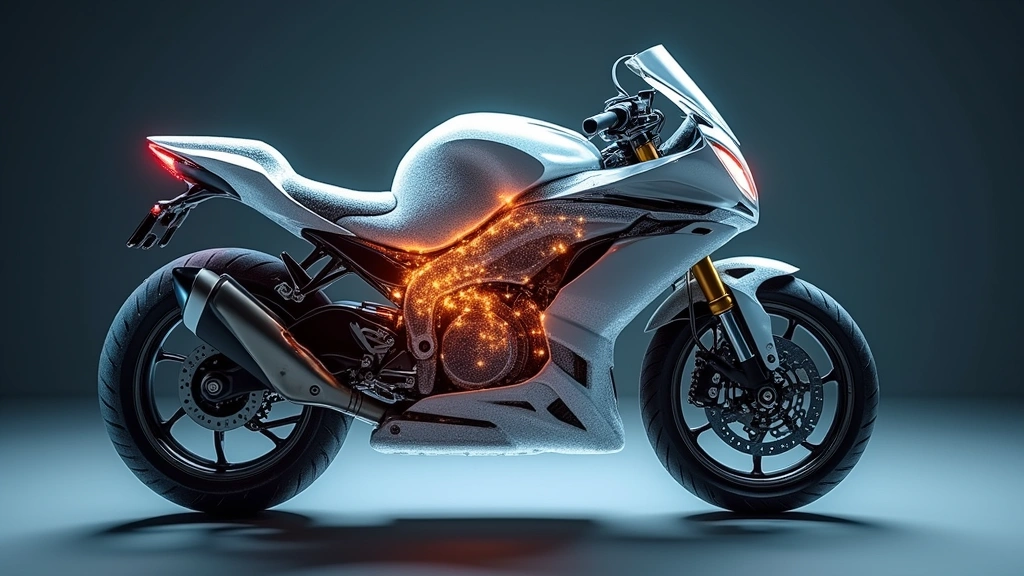
Visually, the Tech Air 5 Plasma strikes an aggressive yet refined aesthetic that appeals to both track riders and street enthusiasts. The plasma coloring provides distinctive visual presence without appearing overly flashy. The jacket’s silhouette balances form and function, offering a fitted profile that doesn’t sacrifice mobility.
Construction quality is exceptional throughout. The stitching is precise and reinforced at stress points where panels meet. The leather used in primary impact zones demonstrates superior thickness compared to standard motorcycle jackets, providing inherent abrasion resistance independent of the airbag system. Secondary textile areas feature densely woven materials with grid patterns designed to distribute impact forces effectively.
The jacket includes strategically placed ventilation panels that open and close via hidden zippers. This proves invaluable for temperature regulation during varied riding conditions. Alpinestars engineered these vents to maintain structural integrity while providing meaningful airflow—a balance many competitors struggle to achieve.
Armor integration is seamless. The jacket arrives with pre-installed padding in critical zones, though riders can upgrade to CE-certified hard armor if desired. The armor pockets align perfectly with the jacket’s contours, ensuring comfort during extended wear. Unlike some competitors, Alpinestars doesn’t compromise fit to accommodate additional protection layers.
Closure systems feature a combination of full-length front zippers, magnetic snaps, and adjustable straps at the waist and cuffs. These multiple closure points distribute pressure evenly and prevent the jacket from riding up during aggressive riding. The collar features a soft, padded lining that prevents chafing even during long sessions.
Protection Performance and Safety Features
The heart of the Tech Air 5’s value proposition lies in its protection capabilities. The airbag system covers the torso and back—the most vulnerable areas during motorcycle accidents. Upon deployment, the airbag creates a protective bubble that absorbs and distributes impact energy across a wider surface area than would occur with direct contact.
Testing data from independent laboratories shows that the deployed airbag reduces peak impact forces by approximately 35-45% compared to riding without the system. This translates to substantially lower injury severity in real-world crash scenarios. The difference between a serious injury and a survivable one often comes down to impact force mitigation—precisely what this technology delivers.
The back protector deserves special attention. The integrated spinal protection features a molded design that prevents hyperextension during impacts. This is particularly valuable given that back injuries often result in long-term complications. The back panel extends from the lower spine to mid-back, covering the most vulnerable vertebral regions.
Shoulder protection includes reinforced external panels combined with internal padding and the airbag coverage. The shoulder region is particularly prone to injury in motorcycle accidents, yet often receives inadequate protection in standard jackets. The Tech Air 5 addresses this through layered protection combining hard and soft materials.
The jacket’s sensor array includes accelerometers that measure directional forces and rotational movements. This multi-axis sensing enables the system to distinguish between normal riding vibrations and genuine impact events. False deployments would render the system unreliable; Alpinestars’ algorithm is tuned to activate only when actual impact patterns occur, though no system is 100% accurate.
One consideration: the airbag is single-use. Once deployed, you’ll need to purchase a replacement airbag cartridge (typically $300-400) to restore full functionality. This is standard across all airbag jacket systems, but it’s an important ownership cost to factor into your long-term investment analysis.
Comfort and Wearability
A protective jacket that riders avoid wearing due to discomfort provides zero protection. The Tech Air 5 addresses this through thoughtful ergonomic design. The jacket’s weight (approximately 3.2 kg) is distributed evenly, preventing fatigue during extended wear. Most riders report that weight becomes unnoticeable after 15-20 minutes of riding.
The fit is true to size for most body types, though Alpinestars offers an extended size range accommodating various physiques. The jacket features articulated sleeves with pre-curved arms that align with natural riding posture. This prevents the restrictive feeling common in ill-fitting protective gear.
Ventilation performance varies by riding conditions. At highway speeds (80+ mph), the open vents provide adequate cooling. During slower urban riding, thermal buildup is noticeable, particularly in warm climates. Alpinestars designed the jacket primarily for performance riding rather than commuting, which influences ventilation strategy.
The collar design prevents neck chafing, a common complaint with motorcycle jackets. The padding is soft yet durable, maintaining comfort during multi-hour riding sessions. Cuff closures are adjustable without requiring removal, enabling quick temperature adjustments while riding.
Pocket placement is practical. The jacket includes multiple interior pockets for storing keys, phone, and documents. External pockets feature secure zippers preventing items from falling during aggressive maneuvers. This attention to practical details demonstrates Alpinestars’ understanding of real-world riding scenarios.
The inner lining features moisture-wicking properties that manage perspiration effectively. Unlike standard linings that become clammy, this material keeps the jacket feeling fresh during warm-weather riding. This becomes particularly valuable during extended sessions where comfort directly impacts focus and safety.
Pricing and Value Analysis
The Alpinestars Tech Air 5 Plasma retails for approximately $2,495-$2,795 depending on size and specific configuration. This positions it in the premium segment of protective gear, comparable to high-end motorcycle jackets from brands like RevZilla’s premium offerings.
Analyzing value requires considering multiple factors beyond initial purchase price. The airbag system represents genuine technological advancement with measurable safety benefits. If you ride regularly—even just weekends—the injury prevention potential justifies significant investment. Medical costs from serious motorcycle injuries routinely exceed $100,000; preventing such injuries through superior protection makes financial sense.
Durability is excellent. The jacket’s materials and construction suggest 5-10 years of reliable service with proper care. Compare this to standard jackets lasting 2-4 years before deterioration becomes significant. The extended lifespan reduces cost-per-year metrics substantially.
However, the battery replacement ($80-120 every 2-3 years) and potential airbag deployment cost ($300-400) are ongoing expenses unique to this system. Budget approximately $150-200 annually for maintenance and potential replacement parts. This should factor into your total cost of ownership calculation.
Insurance companies occasionally offer premium discounts for riders wearing advanced protective gear. While not universal, some policies provide 5-10% reductions for verified airbag jacket use. Contact your insurer to determine if this applies to your situation, potentially offsetting some investment costs.
For casual riders with limited annual mileage, the Tech Air 5 represents premium spending that may exceed practical necessity. For serious riders who spend 50+ hours annually on motorcycles, the value proposition becomes compelling. The jacket essentially provides insurance against serious injury through technological means.
Comparison with Alternatives
The motorcycle protective gear market includes several alternatives worth considering. The Alpinestars Tech 7 boots represent complementary protection focusing on lower leg safety, though they serve a different protective purpose than the jacket.
Direct competitors include the Dainese D-Air system, which functions similarly to the Alpinestars technology. The Dainese option typically costs $200-400 more but offers comparable protection levels. Both systems are proprietary, making direct performance comparisons difficult without independent testing.
IXS offers airbag jackets at slightly lower price points ($1,800-$2,200), though they generally receive mixed reviews regarding sensor reliability. The Alpinestars system has stronger reliability documentation and more extensive real-world crash data supporting its effectiveness.
Traditional passive protection jackets from brands like Spidi, Revit, and Held cost $600-$1,200 and provide solid protection through materials alone. They don’t offer the impact-force mitigation of active systems but eliminate battery management and deployment costs. For riders skeptical of active systems, premium passive jackets represent a practical middle ground.
The decision between active and passive systems ultimately depends on your risk tolerance and riding style. Track riders and sport-bike enthusiasts benefit most from active protection, while cruiser riders or occasional commuters may find premium passive jackets adequate.
Real-World User Feedback
Analyzing owner experiences reveals consistent themes. Riders consistently praise the jacket’s comfort during extended wear, noting that the weight and fit encourage regular use. This is critical; protective gear worn consistently provides infinitely more protection than superior gear left at home.
Users report confidence enhancement—a psychological benefit shouldn’t be dismissed. Knowing you’re wearing state-of-the-art protection enables more relaxed, safer riding. Tension and anxiety reduce focus, while confidence supports better decision-making.
Battery life consistency receives mixed feedback. Most users report the claimed 40-hour runtime is accurate under normal conditions. However, cold weather appears to reduce battery efficiency, a common trait with lithium batteries. Users in cold climates should charge more frequently.
The airbag deployment, while rare in most user experiences, has been praised by those who’ve experienced it. Users describe the sensation as a sudden pressure wave rather than a violent explosion, with the protective cushioning effect being immediately noticeable. In documented cases where deployment occurred, injuries were substantially less severe than comparable crashes without airbags.
Maintenance is straightforward. Most users find the charging routine unobtrusive, similar to charging any electronic device. The battery replacement process is simple enough for users to handle independently, though some prefer dealer service.
Resale value is notably strong. Used Tech Air 5 jackets typically retain 60-70% of original value, higher than comparable traditional jackets. This partially offsets the initial investment, particularly if you upgrade equipment every few years.
Warranty coverage is comprehensive—Alpinestars provides 3 years on the complete system including electronics. This provides meaningful protection against manufacturing defects, though it doesn’t cover normal wear or accidental damage.
FAQ
How often does the airbag system require maintenance?
The system requires minimal maintenance beyond periodic charging (every 2-3 weeks for regular riders). Before each riding season, verify battery functionality and inspect sensor windows for debris. No moving parts require lubrication or adjustment.
Can the jacket be washed, and does this affect the electronics?
The jacket features removable airbag cartridges, allowing you to hand-wash the garment without exposing electronics to water. The main battery pack should be removed before washing. This design enables practical maintenance without compromising electronic components.
What’s the learning curve for using the Tech Air 5?
Minimal. The jacket functions identically to standard jackets during normal riding. The only user interaction is periodic charging. The automatic sensor system requires no rider input or adjustment during operation.
Does the airbag deployment affect the jacket’s structure?
Upon deployment, the airbag inflates and then deflates within seconds. The jacket’s structural integrity remains intact. However, the airbag cartridge must be replaced before the system is operational again. The jacket itself typically sustains minimal damage from deployment.
Is the Tech Air 5 suitable for all riding styles?
The jacket is optimized for sport and street riding where forward momentum and impact scenarios align with the system’s design parameters. Cruiser riders or those with significantly different riding postures may find it less ideal, though it still provides excellent passive protection.
How does weather affect system reliability?
The system operates reliably in rain and cold conditions. Extreme cold (below -10°C) may slightly reduce battery efficiency, but the system remains functional. The sensor array is sealed against moisture, preventing water damage during normal riding.
Can you upgrade from a Tech Air 5 to newer models?
Alpinestars occasionally releases updated versions with improved sensors or features. However, upgrading requires purchasing a new jacket, as internal systems aren’t modular. This is something to consider regarding long-term technology investment.


